Below you will find pages that utilize the taxonomy term “Shot Timer”
Posts
read more
Free Online Par Timer for Dry Fire — Random Start Beep, Multiple Par Beeps, No App
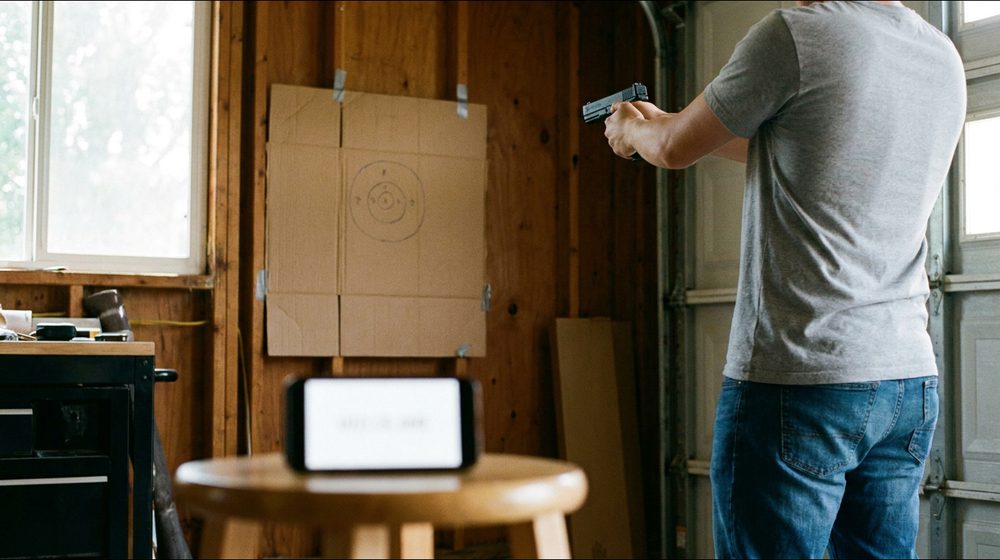
Press Start, wait for the beep, beat the second beep. That’s the whole tool below. It works in any browser on your phone or laptop, and you don’t need to install anything or sign up.
Posts
read more
The F.A.S.T. Drill: Par Times, Scoring & the Coin Only 26 Shooters Have Won (2026)
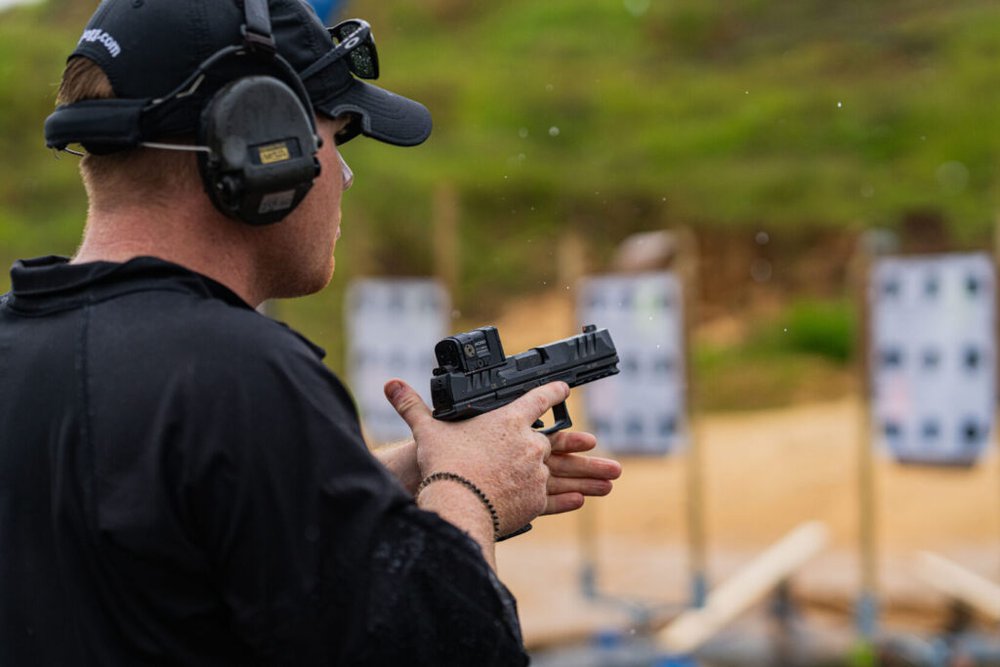
The F.A.S.T. Drill in 60 seconds (BLUF)
- What it is: Six rounds at 7 yards on one target — a 3×5 inch card in the head and an 8-inch circle in the body. Draw with exactly two rounds in the gun, fire two at the card, reload from slide lock, fire four at the circle.
- Why it hurts: The hardest shots come first and cold, then the gun runs dry on purpose. A slide-lock reload tears your grip apart, and you have to rebuild it while the clock runs.
- Ratings: 10+ seconds Novice · under 10 Intermediate · under 7 Advanced · under 5 Expert.
- Penalties are the whole game: every miss on the 3×5 card adds 2.00 seconds; every miss on the 8-inch circle adds 1.00 second. A 4.84-second run with two dropped body shots scores 7.34 — a Novice-to-Advanced fall from one bad grip.
- The coin: A clean sub-5.00 run, done in front of an authorized instructor, twice. Since 2007 exactly 26 people have earned one. There is also a “half pin” for a clean sub-7.00.
- Train it anywhere: Load two BBs in a GBB airsoft pistol and the slide locks back for real. With a free shot timer app you get the same draw, the same reload, and the same honest number — without burning 600 rounds finding out.
Most shooting drills flatter you. You pick the distance, you pick the pace, and you stop when the group looks good. The F.A.S.T. does the opposite: it hands you a small target, an empty gun, and a stopwatch, and then it tells everyone in earshot exactly where you actually are. Ernest Langdon — the man Todd Green authorized to carry on as arbiter of the F.A.S.T. Coin — puts it bluntly in his own classes: “It is a test specifically. It’s not something you practice.”
Posts
read more
AMG Shot Timer Review & Instructions 2026: Commander vs Sidekick Setup Guide
The first time you notice an AMG timer at a USPSA match, it usually isn’t because it looks good. It’s the sound. You’re wearing plugs under muffs, your eyes are locked on the first target, your brain has gone completely blank — and that 105dB beep still punches through both layers of hearing protection and lands squarely in your skull. That’s the moment you start to understand why people are willing to wait three months for a shot timer.
Posts
read more
Dot Torture Drill: Free Target, Course of Fire & How to Shoot It Clean
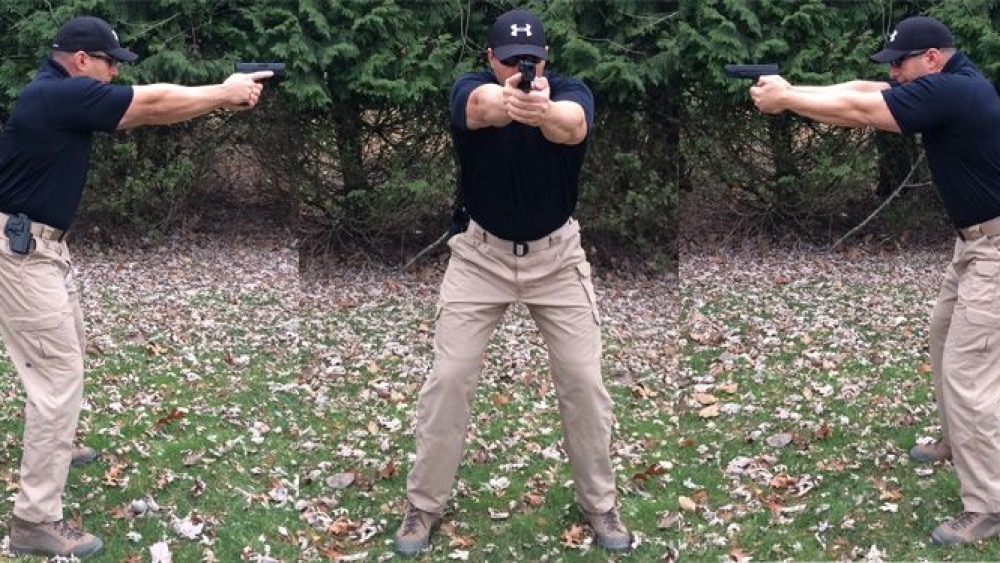
Dot Torture in 60 seconds (BLUF)
- What it is: A 50-round pistol drill shot at ten 2-inch circles printed on one sheet of paper, from 3 yards. Draws, transitions, strong hand, weak hand, and reloads are all built in.
- The catch: There is no time limit — and that’s exactly why it hurts. Nothing to blame. Every miss is pure trigger control.
- Passing score: 50 out of 50. One dropped shot means you run it again. Don’t move back to 4 yards until you can shoot it clean at 3 consistently.
- The target is free: Print the official 8.5×11" target from pistol-training.com on any home printer. No gear to buy.
- Train it anywhere: 3 yards is a hallway. Two-inch dots and an airsoft pistol or dry-fire reps at home build the exact same skill — and once you’re clean, a free shot timer app adds the pressure back in.
Three yards. Circles the size of a golf ball’s shadow. No timer, no pressure, all the time in the world. On paper, Dot Torture sounds like the easiest drill in shooting — right up until the first time you run it and watch round 37 land a quarter inch outside dot number eight, and the whole sheet is suddenly worthless. That’s the moment every shooter meets the real drill: it’s not a marksmanship test, it’s an honesty test.
Posts
read more
Mozambique Drill: Par Times, Scoring & the Exact Third-Shot Window
The Mozambique Drill in 60 seconds (BLUF)
- What it is: Draw and fire two rounds to the body, then one precise shot to the head, on a single target at seven yards. Also called the Failure Drill or Failure to Stop.
- Why it exists: It trains the moment your first response doesn’t work — two fast hits, no reaction, and now you need one slow, exact shot under pressure.
- What’s a good time? The classic par is 5 seconds from the holster at seven yards. Around 3 seconds you’re genuinely quick; world-class shooters have run it under one second up close.
- The hard part: The gear change. Your brain has to shift from “fast and loose” torso shots to a “small and exact” head shot mid-string — most people either rush the third shot and miss, or stall for half a second.
- Where exactly does shot three go? Not “the head” — the window between the eyebrows and the upper lip. Everywhere else on the skull is angled bone that can deflect a bullet.
- Three things almost nobody tells you: the 1974 shot that started it all landed in the neck, not the head; the LAPD renamed it the Failure Drill in 1980 over the name’s racial overtones; and most US police departments no longer teach the head shot at all.
- Train it anywhere: The 2+1 rhythm is a pattern skill. An airsoft pistol or a dry-fire rep against a par time on a free Airsoft Shot Timer app builds the same draw, cadence and transition without a single live round.
If you’ve seen John Wick clear a room — two quick shots to the chest, one to the head, next target — you’ve watched a Hollywood-polished Mozambique Drill. Keanu Reeves trained the pattern for the films, and Tom Cruise made an alley version of it famous in Collateral years earlier. But the drill wasn’t invented for the movies. It came out of a gunfight at an airport in 1974 — or at least out of a story about one, which turns out to be a distinction worth making — and it survives in competition warm-ups and training courses today because it tests something almost no other drill does: what you do when your first answer fails.
Posts
read more
El Presidente Shooting Drill: How to Run It, What's a Good Time & USPSA 99-11 Scoring (2026)
The El Presidente in 60 seconds (BLUF)
- What it is: Face uprange at 10 yards, turn on the beep, draw, fire two rounds on each of three targets, reload, and fire two more on each — 12 rounds total against the clock.
- Who made it: Jeff Cooper, who built it in the 1970s to gauge pistol proficiency for a presidential security detail in Latin America and published it in American Handgunner in 1979 — hence “El Presidente,” or “El Prez” for short. Full history below.
- It’s still a live classifier: El Prez is USPSA classifier CM 99-11 — a 12-round, 60-point, Virginia Count course. Shoot it at a match and it moves your classification.
- What’s a good time? The classic benchmark is a clean run in 10 seconds (all 12 in the A-zone). But USPSA scores it on hit factor, and for a clean run the conversion is dead simple: 60 ÷ your hit factor = your time. A 10 hit factor is 6.0 seconds with all twelve in the A-zone — roughly Grandmaster pace in the optics divisions.
- Why it’s the decathlon of drills: One run tests your turn, draw, target transitions, splits, a full reload, and recoil control — no single skill can hide. The common mistakes each leave a signature on the timer or the target, so you can diagnose your own run.
- Train it anywhere: The turn, draw, transitions and reload are all pattern skills. Run par-time reps with an airsoft pistol or dry fire on a free Airsoft Shot Timer app between range trips.
Ask a room full of shooters to name one pistol drill and more of them will say “El Presidente” than anything else. It’s been on range programs for fifty years, it shows up in USPSA classifiers, and it’s the first thing a lot of instructors reach for when they want to see whether a new student can actually run a gun rather than just shoot groups off a bench. If the Bill Drill is the honest test of your grip, the El Prez is the honest test of everything else.
Posts
read more
Bill Drill Time Standards 2026: Par Times for Pistol, Concealment & Rifle
The Bill Drill in 60 seconds (BLUF)
- What it is: Draw and fire six rounds into the A-zone of one target at seven yards, as fast as you can keep them all in. That’s the whole drill.
- Why it’s brutal: Six shots leaves nowhere to hide. A bad grip, a slow draw, or flinching all show up instantly in your hits and your times.
- What’s a good time? From an open holster: roughly 4.5s for a new shooter, sub-3s for a solid club shooter, sub-2s for someone who can genuinely shoot. From concealment, add roughly half a second to every one of those — a clean sub-2 from concealment is genuinely rare, not a weekend goal.
- How fast is the record? Around 1.1 seconds for six A-zone hits, with a draw near 0.40s. It’s a legitimate number and a terrible training target — see below for why.
- What do real people shoot? In a documented advanced handgun class, students ran it in 2.85–4.03 seconds raw. Sub-2 is an internet standard, not an average one.
- With a rifle? Same six rounds, same seven yards, but from low ready instead of the holster — which puts the whole score on your recoil control. Around 1.5 seconds is the working par; under a second is the real ceiling.
- Does the gun matter? Not to the course of fire — six rounds and no reload means a revolver, a 1911 or a 21-round double-stack all run it unmodified. It matters enormously to the number: a compact carry pistol typically costs you a few tenths against a full-size competition gun, so log the gun next to the time.
- The two levers: Your draw (first shot) and your splits (time between shots). A shot timer breaks both out for you so you know which one to fix.
- Train it anywhere: You don’t need live fire to build the pattern. An airsoft pistol or a dry-fire rep with a par time on a free Airsoft Shot Timer app trains the exact same draw-and-run mechanics.
If you’ve ever watched someone at the range draw and rip six shots into a single target in about two seconds, you’ve probably seen a Bill Drill without knowing its name. To a bystander it looks like a John Wick impression. To anyone who trains seriously, it’s one of the most revealing tests in shooting — because there is absolutely nothing to it, and that’s exactly why it’s so hard to fake.
Posts
read more
IDPA 5x5 Classifier 2026: Full Times Chart by Division, Par Times & Every Way to Make Your Class
The IDPA classifier in 60 seconds (BLUF)
- What it is: A standardized skills test that sorts you into a class. Most clubs now use the 5x5 classifier — 25 rounds, four strings, one target at 10 yards, no concealment required.
- How it’s scored: Your final number is raw time + points down (1 second each) + penalties. Lower is better. Unlike USPSA’s hit factor, in IDPA your time is your score.
- The classes: Master (MA), Expert (EX), Sharpshooter (SS), Marksman (MM), Novice (NV) — set by hard time brackets that differ by division. Jump to the full times chart for all eight divisions ↓
- Three official methods: the abbreviated 5x5, the three-stage 72-round standard classifier, and a separate PCC classifier — plus a fourth route that isn’t a classifier at all, the match bump.
- You’re classified per division: you must shoot the classifier in a division to hold a class in it.
- The fastest way to move up: work out the four par times your target class actually requires, then drill the draw, the strong-hand string and the slide-lock reload against them with a free Airsoft Shot Timer app — every tenth you save is a tenth off your classifier.
There’s a particular kind of quiet that falls over a bay when the safety officer says “this is the classifier.” Everybody who was joking around two minutes ago suddenly gets serious, because this is the one stage of the day that follows you home. Your fun-stage hits stay at the club; your classifier time goes into the IDPA database and decides whether you’re a Sharpshooter or an Expert for the next year. This guide walks through exactly what that test is, how a stopwatch number turns into a class, what the current standards are, and — the part most people skip — how to actually train for it without burning a case of ammo.
Posts
read more
USPSA Classifier Guide 2026: The New 26 Series, Hit Factor & Classes
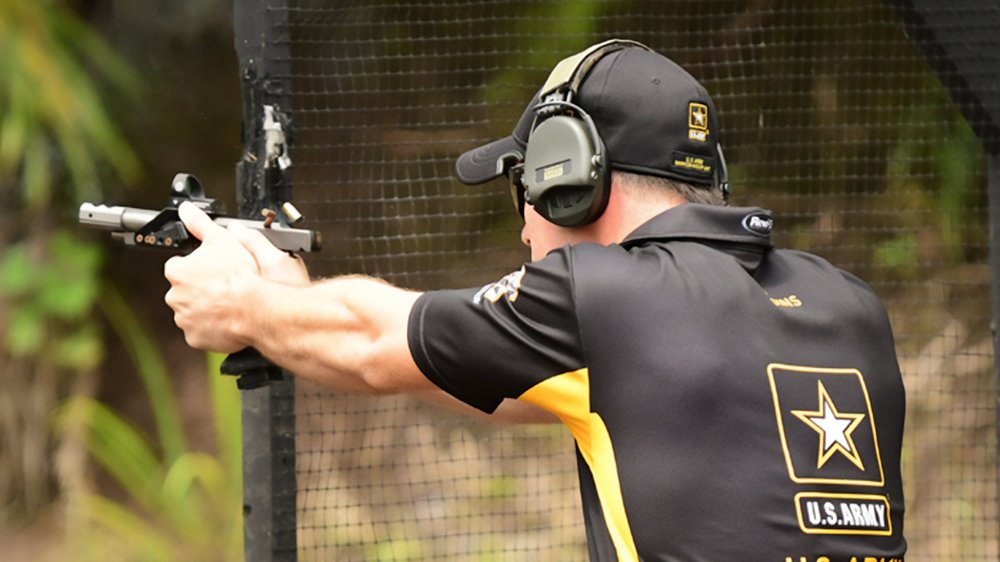
USPSA classifiers in 60 seconds (BLUF)
- What it is: A classifier is a short, standardized course of fire you shoot at a local match. Your raw score becomes a hit factor (points ÷ time), and that hit factor is compared against USPSA’s benchmark for that stage to produce a percentage.
- How you get classified: You need four valid scores from four different classifiers in a division. After that, your class is set by the best 6 of your most recent 8 unique classifier percentages.
- The classes: Grand Master (95%+), Master, A, B, C, D — each division is scored separately, so you can be A-class in Production and C-class in Open.
- What changed in 2025: USPSA removed the old B/C/D flags, started averaging same-day attempts, and released the new 25-Series classifier stages. More on that below.
- What’s new in 2026: the 26 Series — five provisional stages (King Crab, Darwinism, Mike Who?, Uprange? Seriously, Downrange? Obviously) that clubs began running in June. They don’t count toward your class yet, but they will retroactively if the stages get adopted. Jump to the 26 Series breakdown.
- Two things no other guide tabulates: a hit factor → class chart for any HHF, and the full anatomy of the classic CM 06-03 “Can You Count”.
- The fastest way to move up: practice the exact mechanics a classifier measures — draw, splits, reloads — with a free Airsoft Shot Timer app between matches.
If you’ve shot a couple of USPSA matches, you’ve already run into classifiers — those short, oddly specific stages where everyone suddenly gets quiet and serious. And if you’ve ever logged into uspsa.org and stared at a wall of percentages, division codes and three-digit stage numbers, you’ve probably also wondered what any of it actually means for you. This guide unpacks the whole system in plain language: what a classifier is, how a stopwatch number becomes a letter grade, what the 2025 overhaul changed, and how to nudge your percentage upward without gaming it.
Posts
read more
SpeedQB Complete Guide 2026: Rules, Equipment & How to Win Your First Tournament
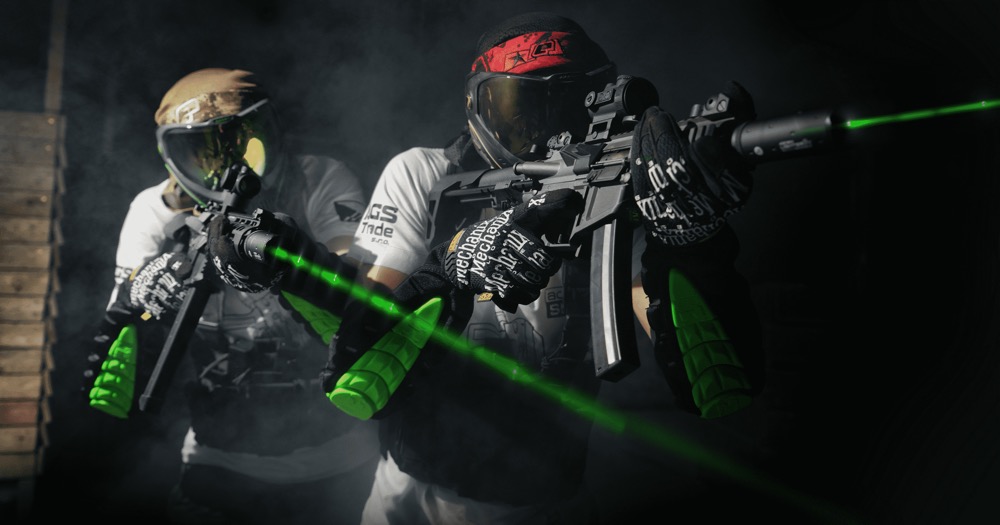
60-Second SpeedQB Quick Picks (2026)
If you’re already sure you want to jump in, here’s where most players actually start. Skim this and jump to the section you need:
Posts
read more
Does Airsoft Help With Real Gun Training? 7 Skills, 6 Bad Habits
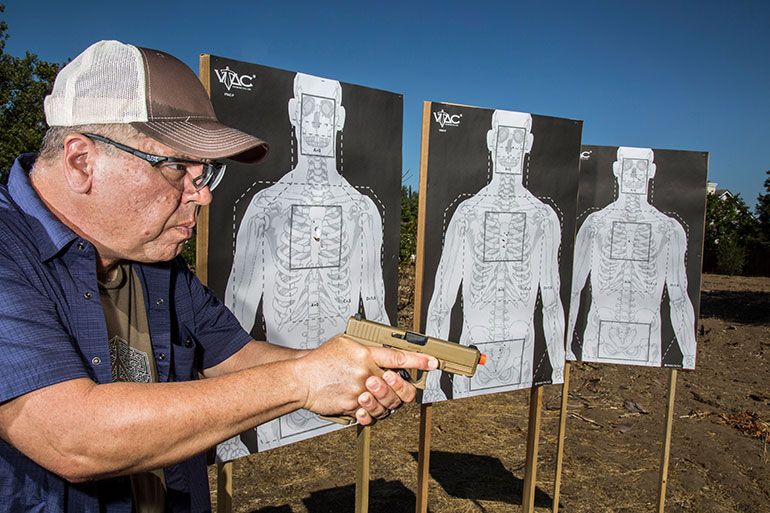
Short answer: Yes, airsoft helps with real gun training — for specific skills. Grip, draw stroke, magazine reloads, target transitions, and tactical movement transfer almost perfectly from a GBB pistol to a real firearm. Recoil management, trigger feel, and ballistics don’t transfer at all. U.S. military units and law enforcement agencies have used airsoft (and the closely related Simunition) for decades because force-on-force training is nearly impossible to replicate safely with live ammunition. The rest of this guide breaks down exactly which skills cross over, which don’t, and how to structure a training ladder that bridges the gap.
Posts
read more
Tokyo Marui Hi-CAPA 5.1 & 4.3 Review 2026: 9 Real Differences, All Models
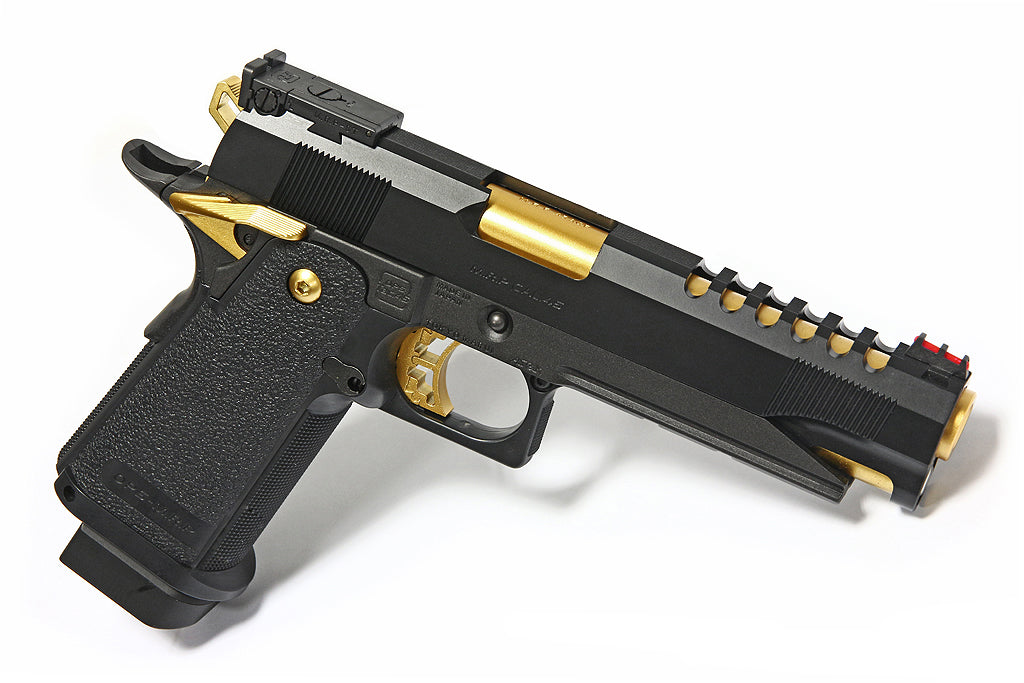
Why the Hi-CAPA Dominates Airsoft Competition
If you’ve ever watched Airsoft IPSC or Speedsoft competition videos, you’ve probably noticed something: nearly every competitor is running a Hi-CAPA. This isn’t a coincidence. It’s the result of countless players testing every option and arriving at the same conclusion.
Posts
read more
G&G ARP9 / ARP556 CQB Guide: The Ultimate Compact AEG for Indoor Airsoft in 2026
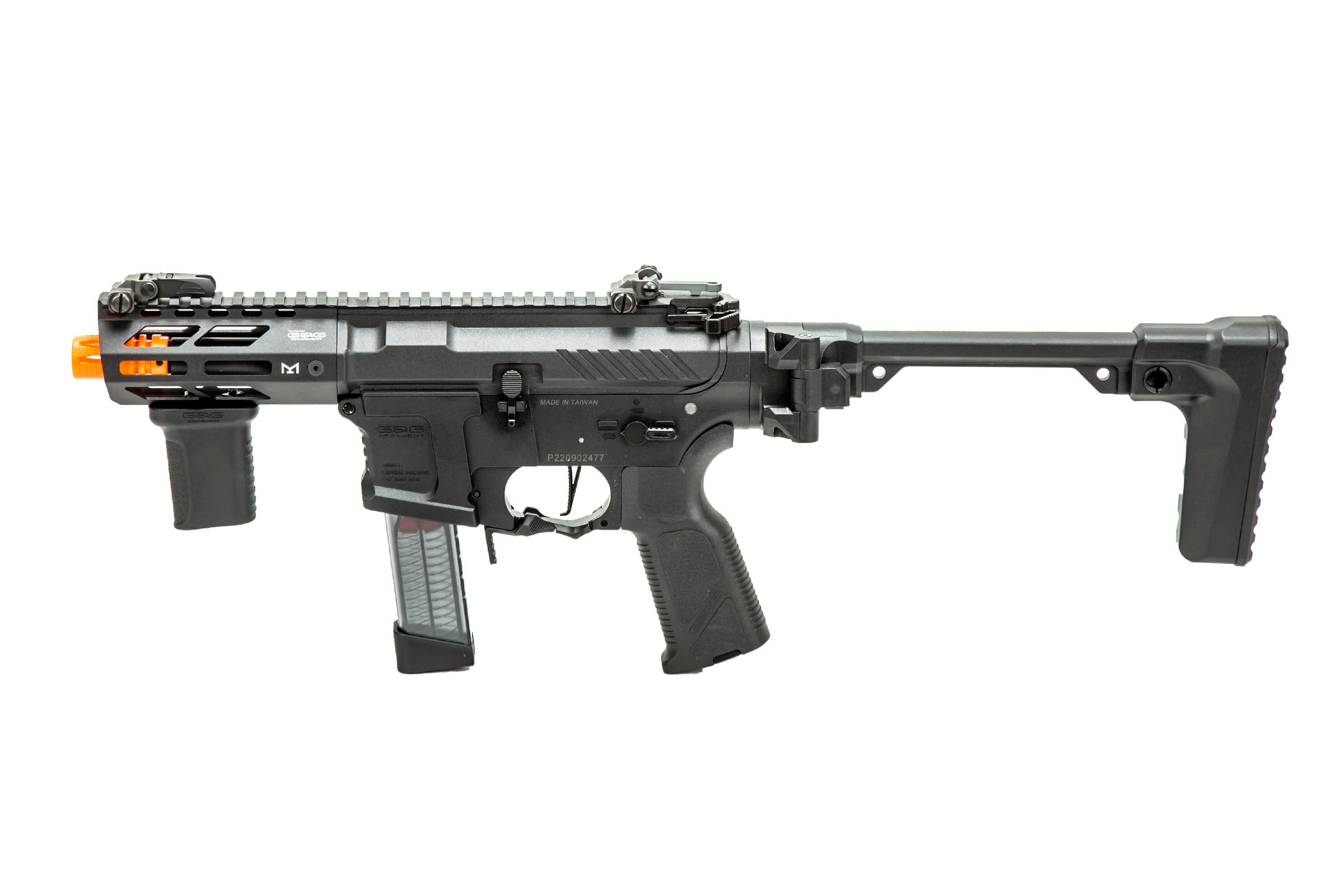
In Tight Corridors, Shorter Means Surviving
Anyone who has brought a full-length M4 into a CQB arena knows the feeling. You try to slice the pie around a corner, but your barrel pokes out first, announcing your presence like a flag. You attempt to push through a doorway, and your stock catches the frame while your muzzle scrapes the opposite wall. By the time you finally squeeze into the room, the defender already has you dead to rights. That moment teaches you a lesson no YouTube video can: in indoor combat, every centimeter you shave off your gun is another percentage point added to your survival rate.
Posts
read more
Best Laser Training Pistol 2026: TitanX vs SIRT vs Mantis vs Strikeman

Why You Need a Laser Training System
If you’ve ever been serious about improving your shooting, you’ve run into the same problem everyone does: you want to practice, but you can’t hit the range every day. Between range fees, ammunition costs, and travel time, putting in a daily 30-minute practice session becomes a luxury.
Posts
read more
Tokyo Marui VSR-10 Complete Guide: Version Differences, Upgrade Path & Sniper Training Methods
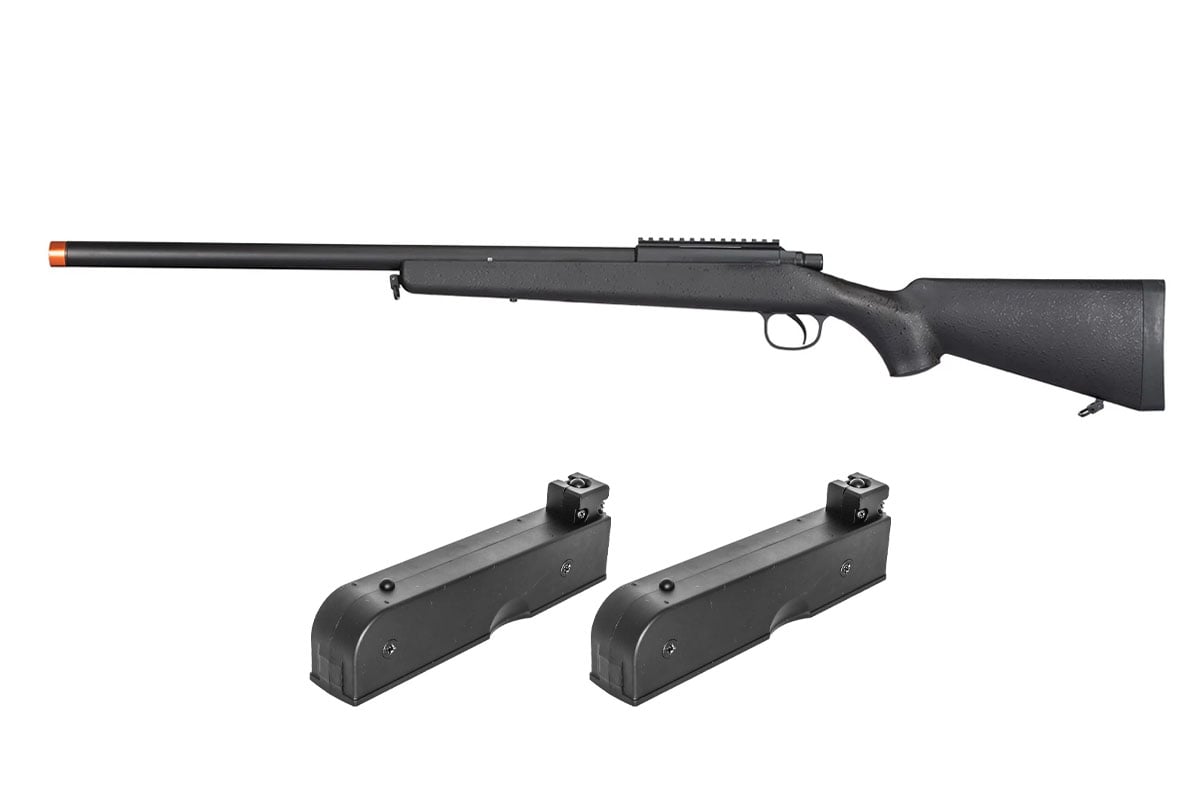
Why Is the VSR-10 a Name Every Sniper Can’t Avoid?
Walk into any airsoft shop and tell the staff you want to buy a sniper rifle, and they’ll almost instinctively ask: “Have you considered a VSR-10?” It’s not that they’re lazy — it’s because ever since Tokyo Marui released this bolt-action sniper rifle in late 2003, it has become the cornerstone of the entire airsoft sniper ecosystem. Over twenty years later, dozens of aftermarket manufacturers from Action Army to Maple Leaf to Springer Custom Works all design their parts around VSR-10 internal specifications. It’s like how phone case makers always produce iPhone cases first — because that’s where the largest user base is.
Posts
read more
Tokyo Marui M4 MWS GBB Complete Guide: The Gold Standard Gas Blowback Rifle – Specs, Upgrades & Field Performance
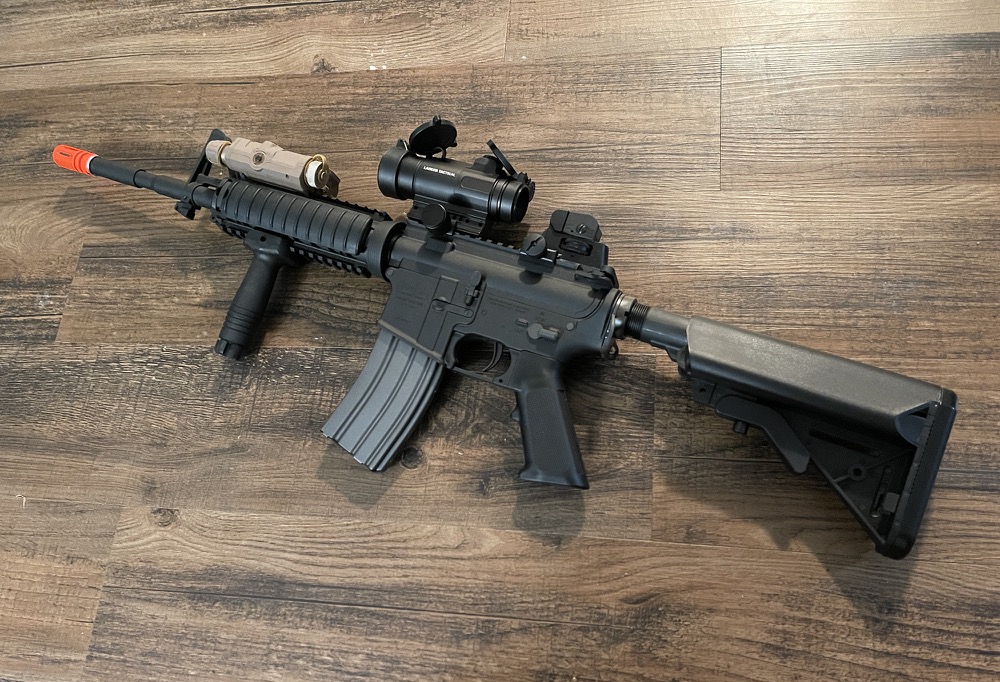
Why the M4 MWS Is Every GBBR Player’s Endgame
Once you’ve been playing airsoft for a while, you start craving something AEGs can never deliver — recoil. That satisfying jolt when the bolt carrier slams backward and snaps forward again, the vibration traveling through your palms, reminding you that what you’re holding feels like more than just a toy. That’s the magic of a Gas Blowback Rifle, and the Tokyo Marui M4A1 MWS is the benchmark of the entire category.
Posts
read more
G&G CM16 Raider 2.0 Review (2026): Is It the Best Beginner AEG?
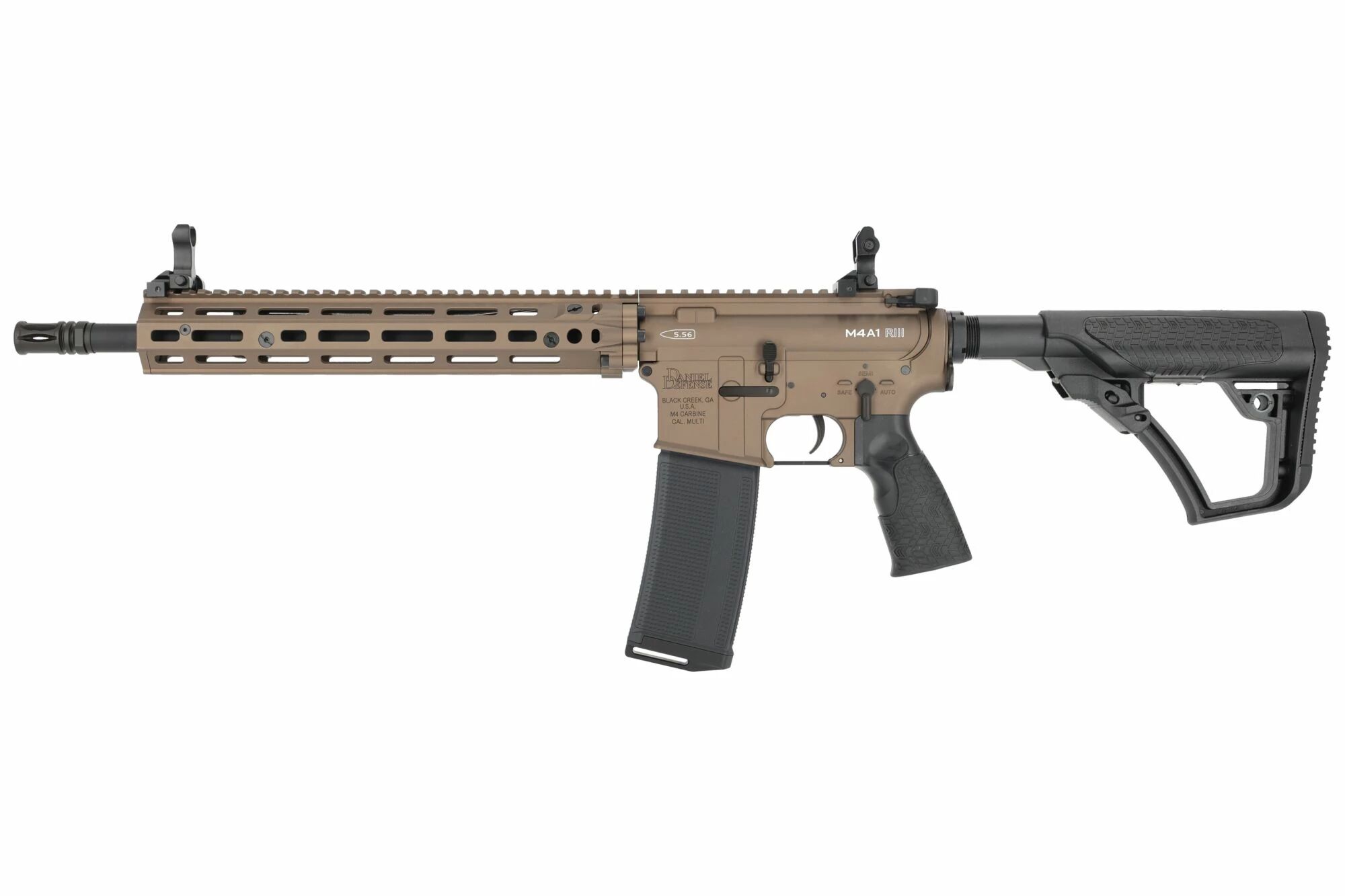
The Short Answer (2026)
The G&G CM16 Raider 2.0 is a polymer-bodied M4 AEG that runs roughly $150-180 for the standard version and $200-230 for the 2.0E, chronographs around 350-380 FPS on 0.20g BBs, and is still the single most recommended first airsoft gun in the hobby. It earns that recommendation not by winning any one category, but by being reliable enough that you spend your weekends playing instead of repairing, light enough at about 2.3kg that a full game day doesn’t wreck your arms, and built on the M4 platform so magazines, spare parts and troubleshooting advice are everywhere.
Posts
read more
Best Airsoft Sniper Rifle 2026: VSR-10, SRS A2 & TAC-41P Ranked
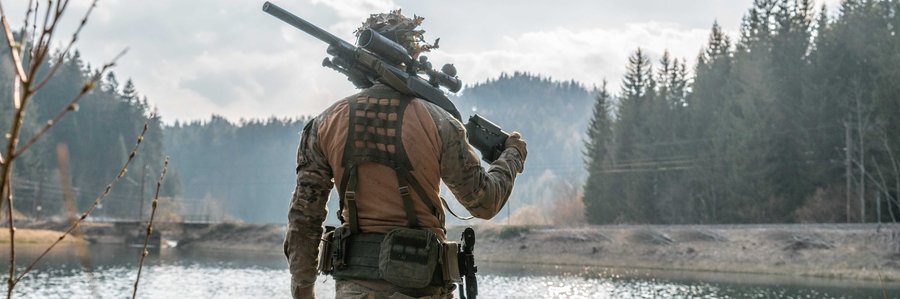
60-Second BLUF: Is an Airsoft Sniper Rifle Still Worth Buying in 2026?
Short answer: yes — if you understand what you’re signing up for. In 2026 the airsoft sniper market is in the best shape it’s ever been. The Tokyo Marui VSR-10 ($330-380) is still the most upgrade-friendly bolt-action platform, the Silverback TAC-41P ($760-900) has matured into the best out-of-box performer under $1,000, and the Silverback SRS A2 ($1,100-1,400) remains the gold standard for serious snipers who want a bullpup. Novritsch’s SSG10 A3 ($600-700) has finally fixed most of the proprietary-parts pain points that plagued the older SSG24.
Posts
read more
Tokyo Marui MP7A1 Review 2026: GBB or AEG? All 5 Airsoft MP7s Compared
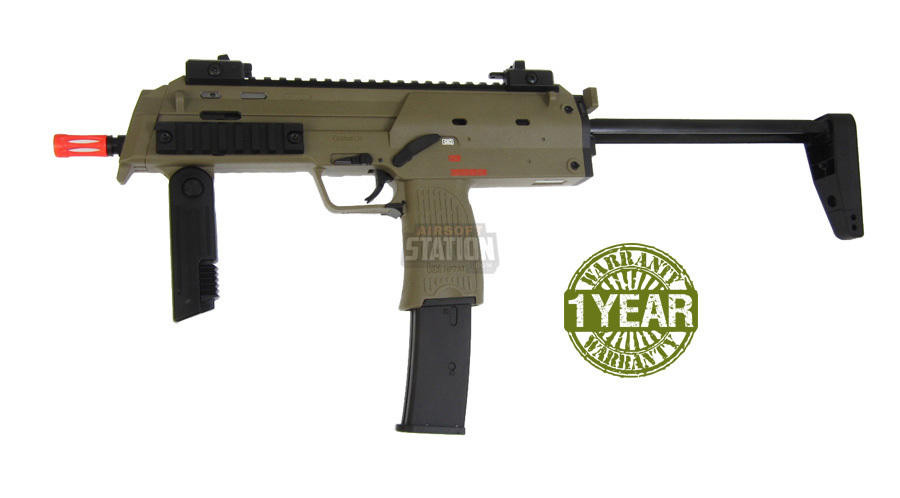
60-Second BLUF: Is the Tokyo Marui MP7A1 Still Worth Buying in 2026?
Short answer: yes — if your primary playstyle is indoor CQB and you value shooting feel over external authenticity. Even after more than a decade on the market, the TM MP7A1 GBB remains the benchmark airsoft MP7 for hop-up accuracy, gas efficiency in 15-25°C weather, and that signature “small gun, surprisingly hard kick” blowback feel. Street price in 2026 sits around US$340-400 / NT$11,000-13,500 (TW market), which puts it roughly US$60-100 above the KWA MP7 but US$80-150 below the licensed VFC MP7A1 Gen 2.
Posts
read more
What Is PCSL? Divisions, 2-Gun Rules, Membership Cost & PPS Scoring (2026)
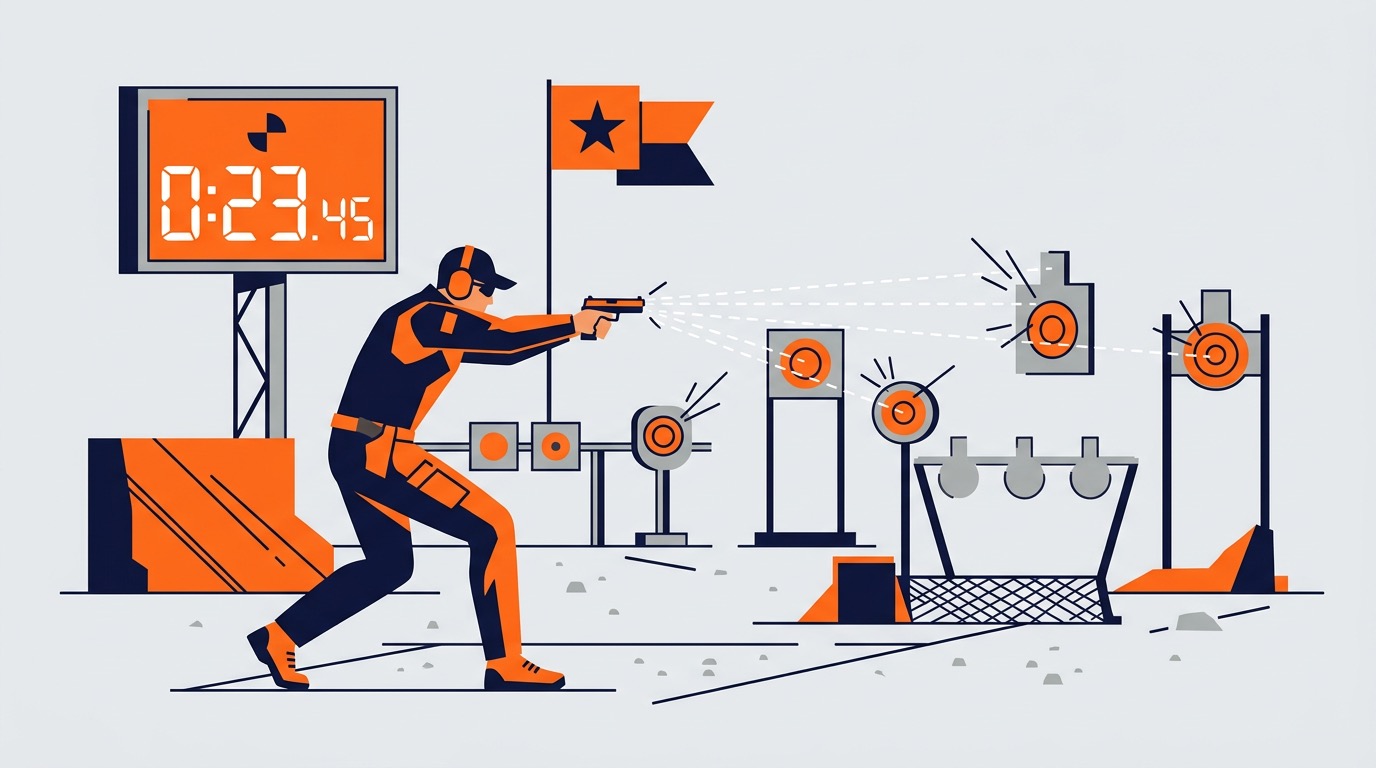
🎯 In a hurry? Here’s the one thing to know. PCSL scores you on PPS (Points Per Second) = total points ÷ time — which means half your score is literally the clock. A more expensive pistol won’t raise your PPS, but shaving fractions of a second off your draw, transitions, and reloads will — and the only way to measure that is a shot timer. The most useful one is free: the AirsoftShotTimer app records your splits and par times from your phone, so you can train at home with airsoft or dry fire before you ever spend $130+ on hardware.
Posts
read more
IDPA Rules 2026: Scoring, Penalty Seconds & Power Factor by Division
IDPA Rules 2026 in 60 Seconds (BLUF)
Short answer: IDPA scores you on raw time plus penalty seconds — lowest total wins. Hits in the centre -0 zone add nothing, -1 adds one second each, -3 adds three, and a miss is five. The 2026 rulebook calls the two scoring methods Unlimited Scoring (best hits count, extra shots allowed) and Limited Scoring (extra shots get punished) — the old “Vickers Count” and “Limited Vickers” names are gone from the book, though everyone at the range still says them. You must use cover when offered, engage near-to-far (Tactical Priority), reload behind cover, and wear a concealment garment that hides your entire rig with arms outstretched. Procedural errors are 3 seconds, Flagrant Penalties 10 seconds, FTDR 20 seconds, hits on a non-threat 5 seconds, and safety violations (sweeping a muzzle, dropping a loaded gun, AD) are an immediate DQ.
Posts
read more
Best Shot Timer 2026: 12 Shooting Timers Tested, From a $32 Amazon Buy to the $330 Flagship
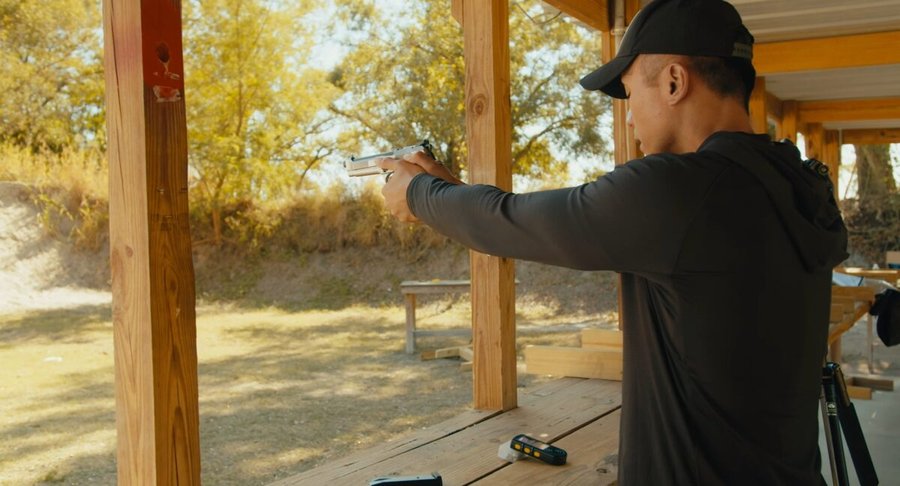
Quick Picks: The Best Shot Timer for Every Budget (2026)
Short on time? Here are the 2026 picks at a glance, then the full reasoning below.
Posts
read more
Practical Shooting Complete Beginner Guide: IPSC, USPSA, IDPA, Steel Challenge & 3-Gun Explained
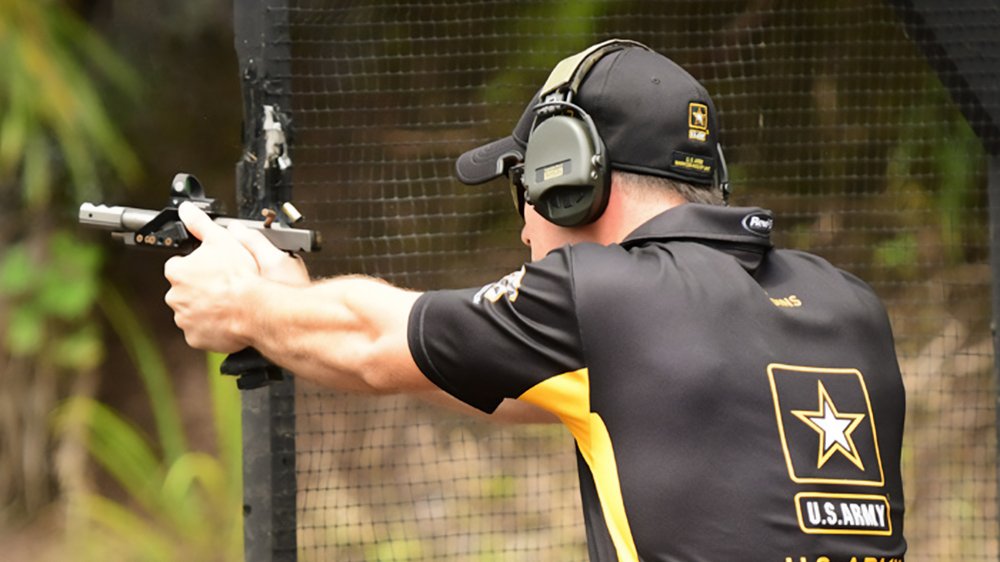
What Is Practical Shooting?
Have you ever felt that standing at a fixed position putting holes in paper targets doesn’t quite capture the full potential of shooting? Practical shooting is the concept that transforms shooting from a static skill exercise into a dynamic, fast-paced sport. In the world of practical shooting, you’re running, turning, crouching, leaning out from behind barriers, and reloading under time pressure — every second testing your speed, accuracy, and decision-making.
Posts
read more
What Is Speedsoft? The 2026 Beginner Guide (Is It Right for You?)
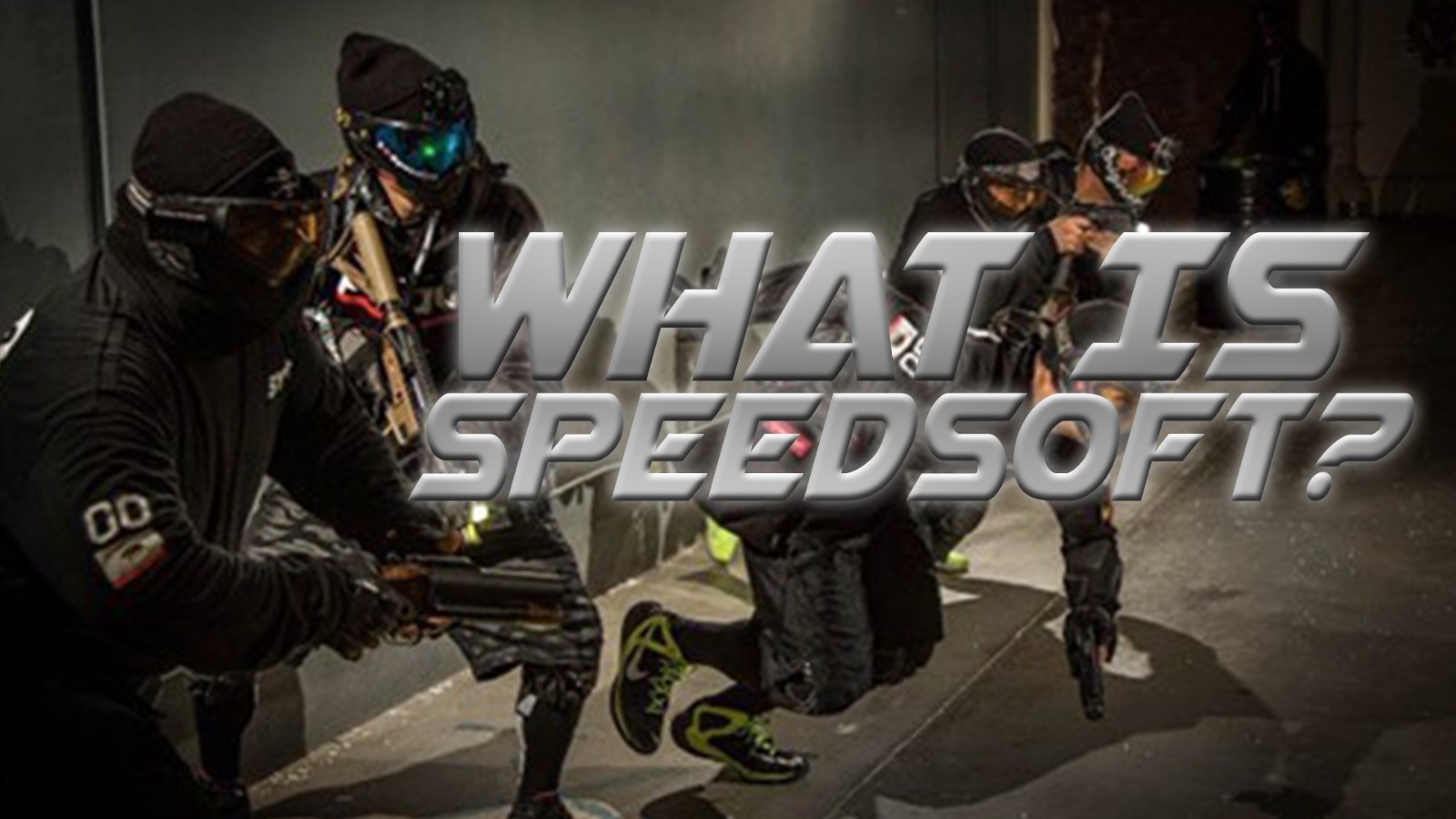
🎯 Speedsoft in 60 seconds: Speedsoft is airsoft stripped down to one thing — speed. Rounds last 4-5 minutes, guns run semi-auto only, and you win by moving and shooting faster than the other team. To start: grab a full-face paintball mask, knee pads, and any semi-capable AEG or gas pistol, then find a local SpeedQB or Speedsoft night. The part almost every beginner skips? Actually measuring their speed. “Feeling fast” and being fast are different things — and the only way to know the difference is to put a clock on it. Time your draw-to-first-shot and your reloads with a free shot timer app, and you’ll improve faster than the guy who just buys a more expensive gun. The format itself is unusually consistent wherever you play it: a 350 FPS chrono limit, semi-auto only with rapid trigger pulls (“feathering”) allowed, mid-cap magazines, rounds of two to four minutes with about a minute between them, and a field roughly 80 by 40 feet for 3v3 or 100 by 50 for 5v5. Full breakdown below.
Posts
read more
IPSC Action Air Guide 2026: World-Class Practical Shooting with Airsoft
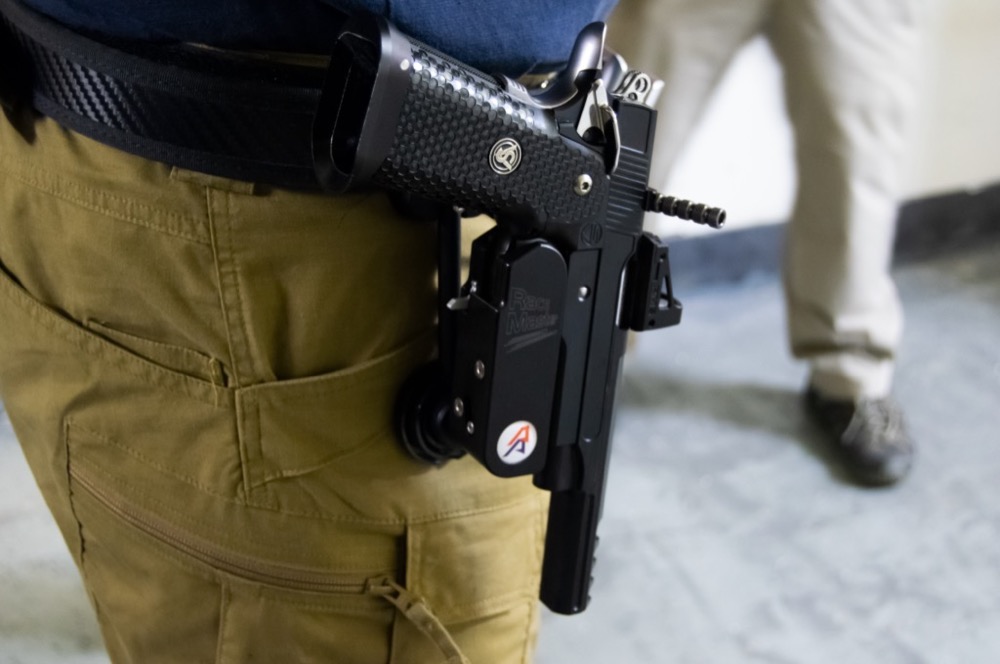
🎯 60-Second Action Air Primer
- What it is: IPSC’s official airsoft division — the same practical-shooting sport with the same Hit Factor scoring, played with GBB pistols. It has its own World Shoot, and Asia is the home field.
- Your score is half time: Hit Factor = points ÷ time. The clock literally decides half your result, which is why serious competitors train with a shot timer from day one.
- The timer is free: You don’t need a US$130–$300 hardware timer to start. The free Airsoft Shot Timer app is tuned to detect the quiet report of GBB and AEG guns and records your draw, splits, and reloads — the exact numbers that move your Hit Factor.
- Start where you are: If you already play airsoft and own a GBB handgun, you can begin training tonight at home and shoot your first match with the gear you already have.
World-Class Competition Without Real Firearms
You’ve probably heard of IPSC—the International Practical Shooting Confederation. What you might not know is that IPSC has an airsoft division called IPSC Action Air, complete with its own World Championship.
Posts
read more
Tokyo Marui Glock 17/19 Gen 5 MOS GBB Complete Guide: The Most Realistic Training Pistol
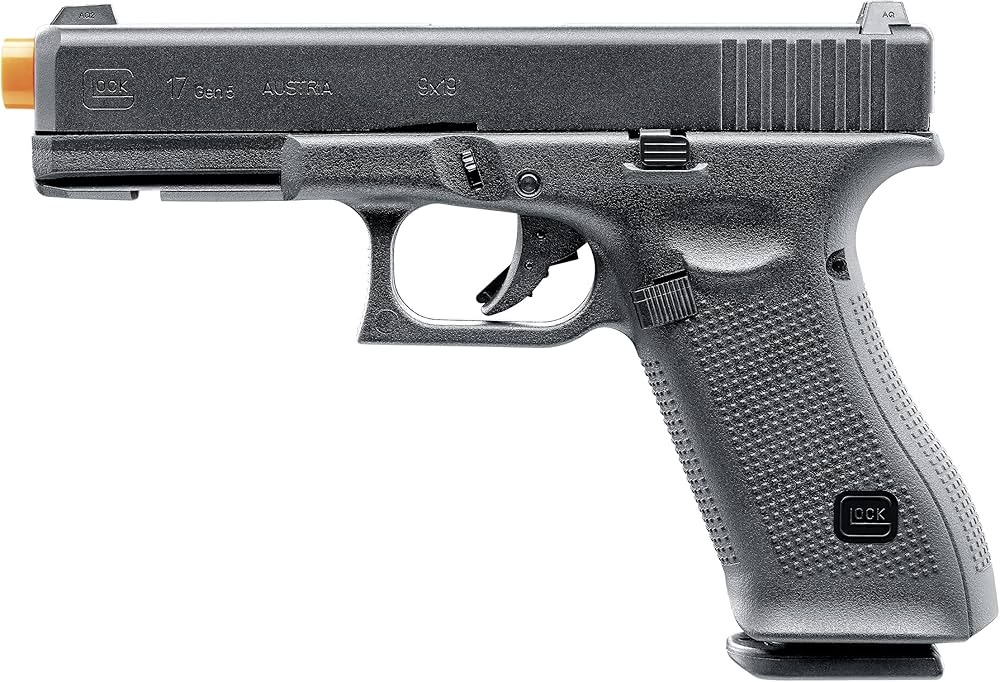
Why Choose a Tokyo Marui Glock GBB?
Ask any real-steel shooter what they use for at-home training, and there’s a good chance the answer involves a Glock GBB airsoft pistol. The reasoning is straightforward: it looks, operates, and feels almost identical to the real thing, and you can safely practice draw strokes, magazine changes, and target transitions in your living room — no range trip needed, no ammo costs.
Posts
read more
Home Defense Pistol Guide: Choosing the Right Handgun & Training to Protect Your Family
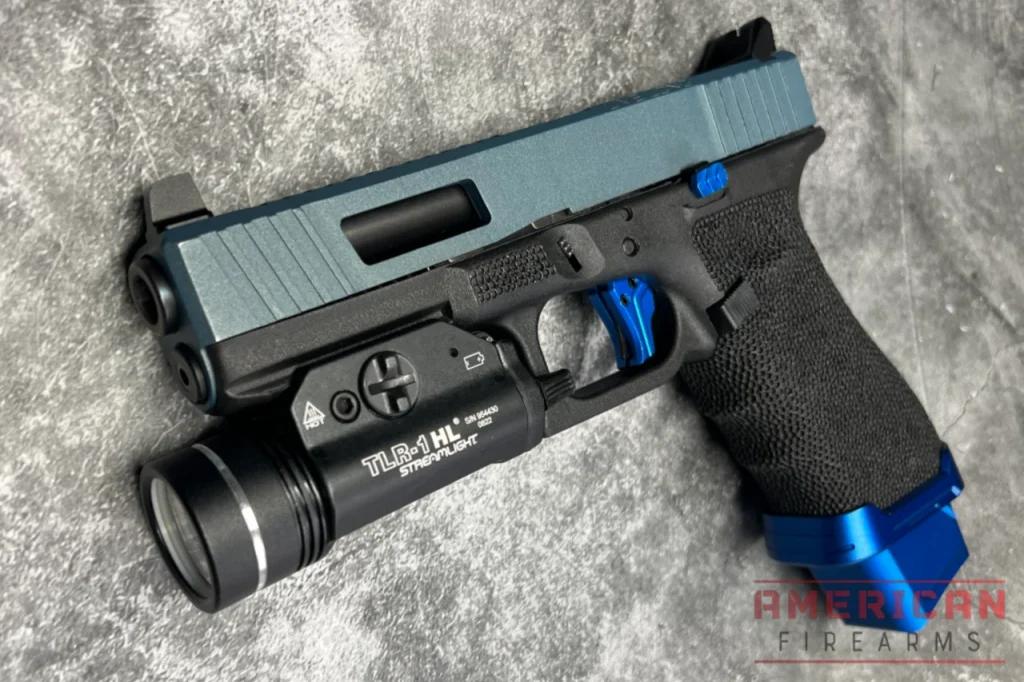
Why Home Defense Preparation Matters More Than You Think
Most people buy their first handgun with range practice or competition shooting in mind. But over time, many gun owners start asking a serious question: if someone broke into my home in the middle of the night, am I truly prepared?
Posts
read more
IDPA vs USPSA 2026: Scoring, Reloads & Stage Design - Which One Should You Shoot First?
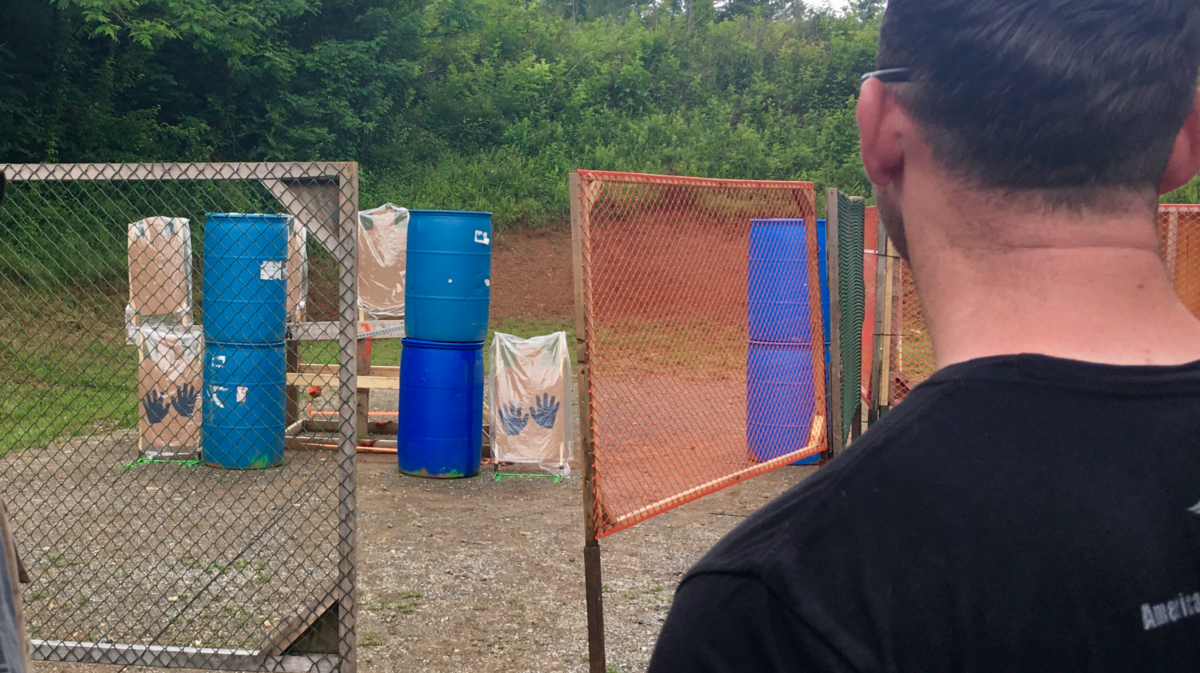
🎯 IDPA vs USPSA in 60 seconds: They differ on four things that actually matter. Scoring — IDPA adds penalty seconds to your raw time, so a hit outside the down-zero zone costs a full second; USPSA divides points by time (hit factor), so a slightly worse hit can still be the right trade. Stage freedom — IDPA tells you the engagement order (tactical priority, cover, fault lines); USPSA lets you plan the stage yourself. Reloads — IDPA won’t let you drop a magazine with rounds still in it, USPSA will, and that one rule makes them different skills. Cost — IDPA caps every string at 18 rounds and keeps 75% of a match’s shots inside 15 yards, so a local match runs lighter on ammunition (roughly $10-20 less), while the annual memberships are almost the same price: $60 for IDPA, $65 for USPSA. Which first? If you carry daily and want the concealment draw, start with IDPA. If you want raw speed and problem-solving, start with USPSA. Either way, the thing that improves fastest between matches is measured draw and reload time — a free shot timer app turns “I felt fast” into a number you can beat. Full breakdown below.
Posts
read more
Complete Beginner Guide to 3-Gun Competition: Equipment, Divisions, Stage Design & New Shooter Preparation
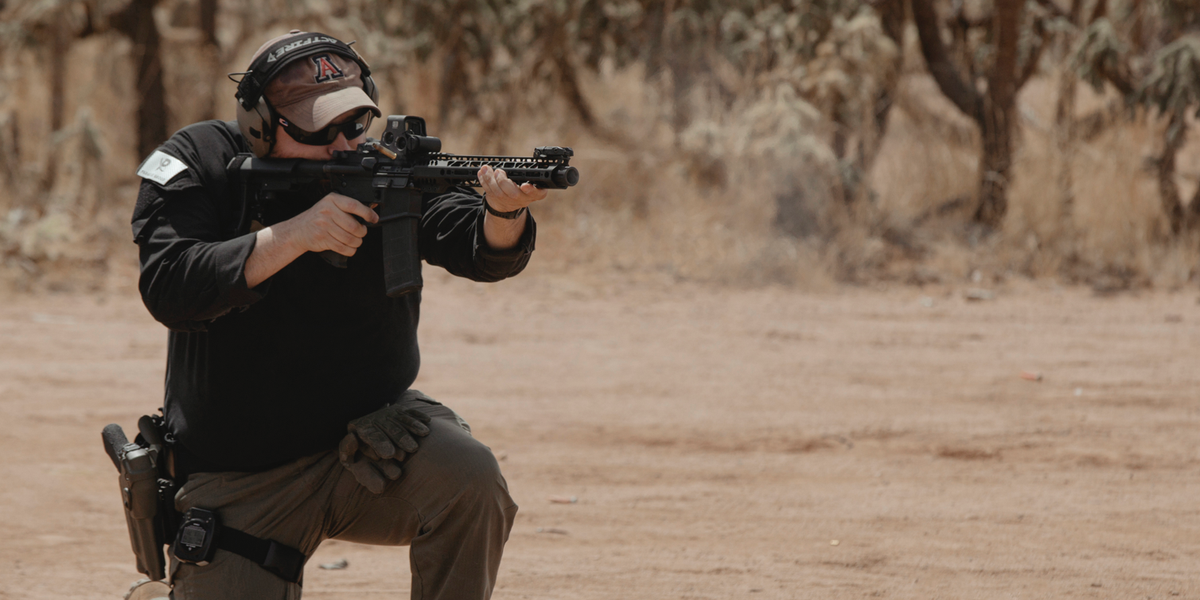
What is 3-Gun Competition?
If USPSA and IPSC are the premier arenas for handgun competition, then 3-Gun is the ultimate test in the shooting sports world. As the name suggests, 3-Gun requires competitors to use three different firearms — a pistol, a rifle, and a shotgun — to engage various targets across complex, dynamic courses of fire.
Posts
read more
Steel Challenge Times by Class: How Peak Time Scoring Works (All 8 Stages & 13 Divisions)
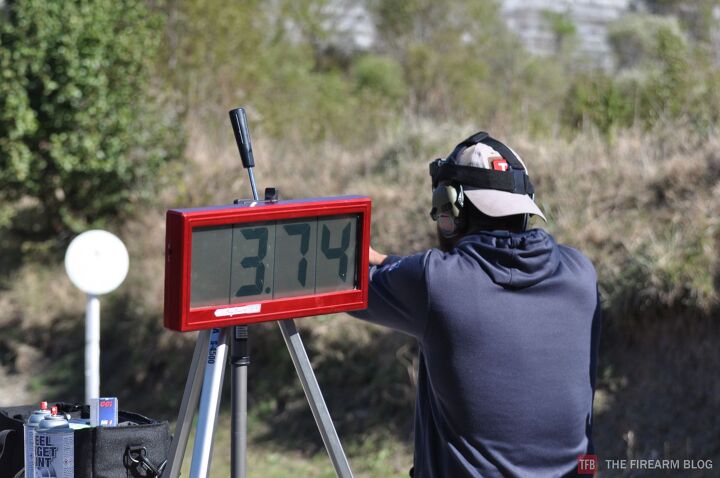
What Is Steel Challenge?
Steel Challenge is the one shooting sport where your entire result is a stopwatch reading. No scoring zones, no hit factor, no stage plan — five steel plates, hit them all, fastest time wins. That is the whole rulebook in a sentence, and it is why the sport is both the easiest to explain to a newcomer and the hardest to hide in.
Posts
read more
Your First USPSA Match 2026: What to Bring & How Not to Get DQ'd
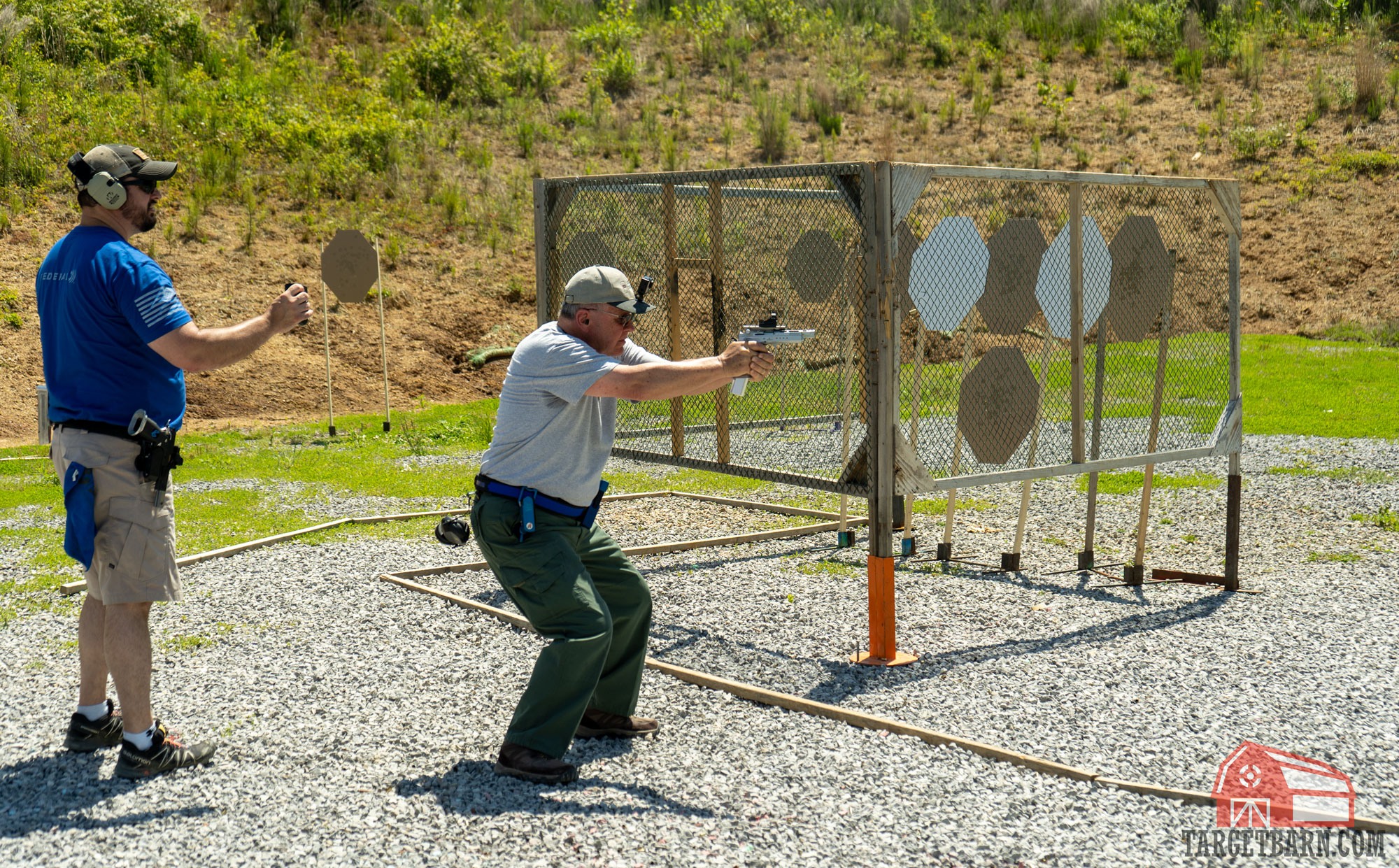
The 60-second version. You do not need a USPSA membership to shoot your first local (Level 1) match — turn up, pay the club’s entry fee (usually $20–40), and shoot. Bring 200–300 rounds, at least three magazines (five is comfortable), a belt holster that covers the trigger and points the muzzle down, plus eye and ear protection. Budget four to six hours at the range for a five-stage match. Say “this is my first match” at sign-in and ask for the new-shooter briefing and safety check — it’s the highest-value ten minutes of the day. And remember the asymmetry that defines this sport: shooting slowly or badly cannot get you thrown out, but gun handling can. The three that catch new shooters are breaking the 180 (muzzle more than 90° off the line to the backstop), a finger inside the trigger guard while moving, and dropping the gun. Membership ($65/year) only matters once you want a classification or a sanctioned match. Every rule number below is from the USPSA Handgun Competition Rulebook, edition 2026-09 (effective 1 September 2026).
Posts
read more
Shooting Training Plan 2026: 5 Steps to Build One (+ Free Dry Fire Schedule You Can Copy Tonight)
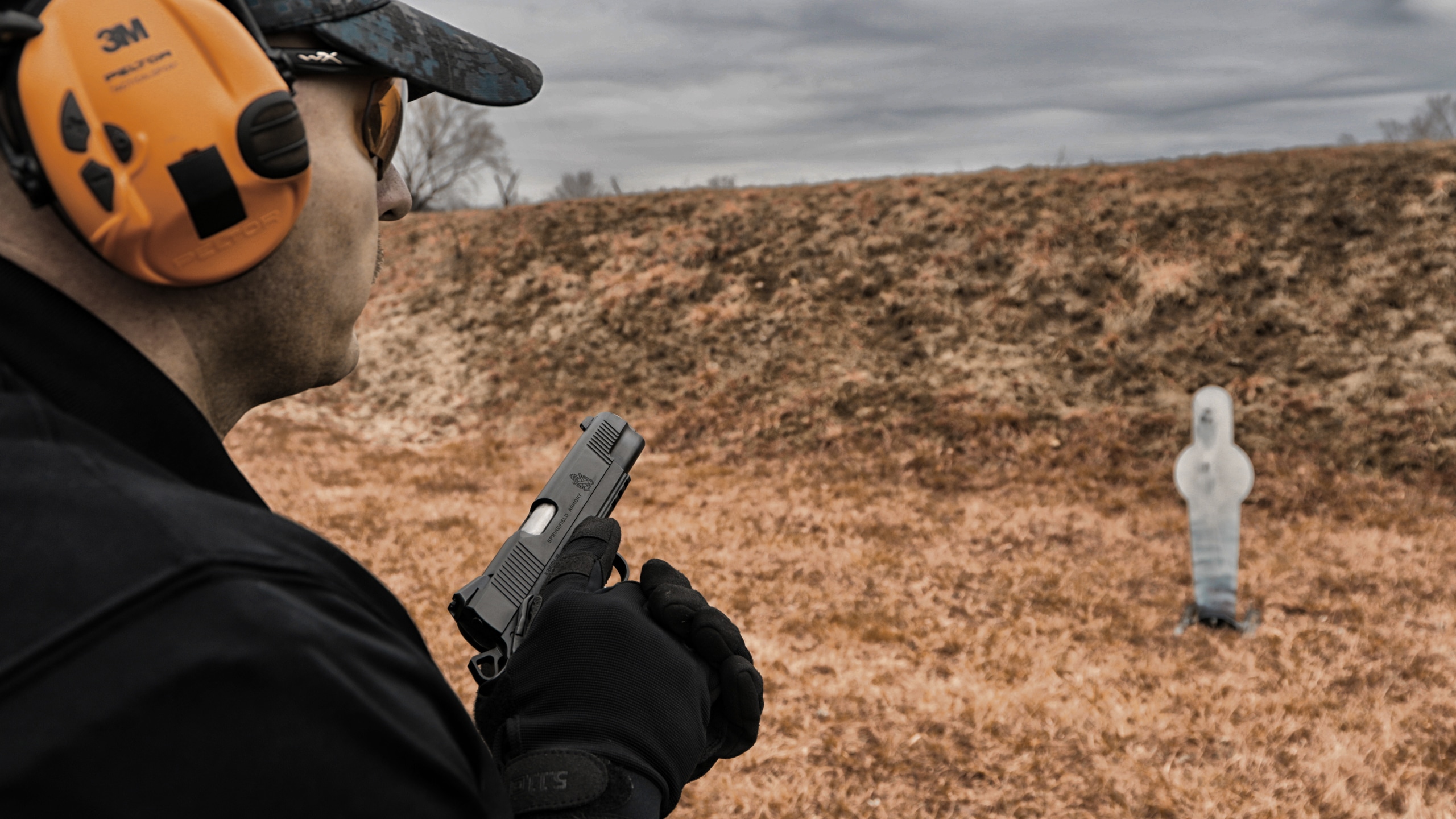
Why Do You Need a Training Plan?
“I go to the range every week, but I don’t seem to be improving.” — This is a common frustration among shooters. The problem often isn’t about not practicing enough, but rather the lack of a systematic training plan.
Posts
read more
Competition Belt Setup: Where Each Item Goes, Which Brands Fit Together, and the IDPA Rule That Voids Yours
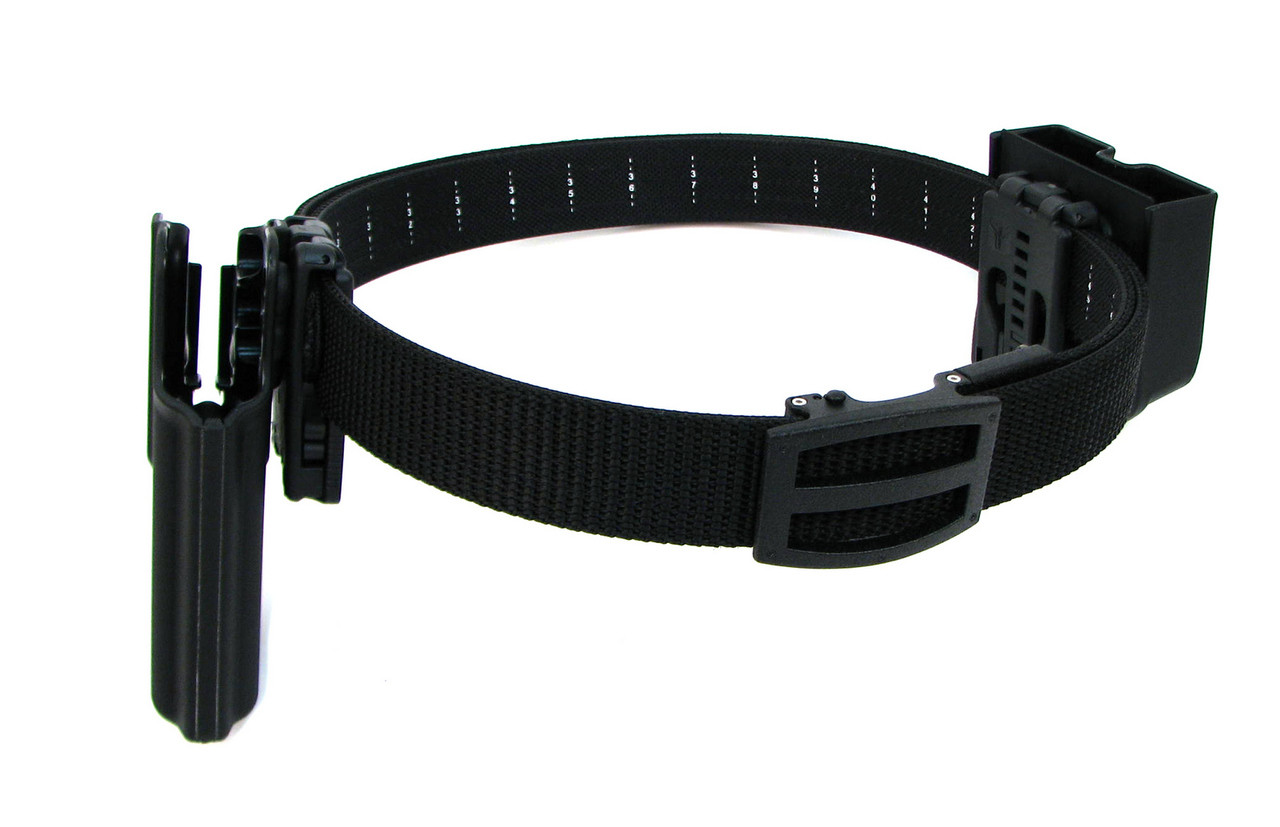
The 60-Second Answer: How to Set Up a Competition Belt
Most belt advice is a shopping list. The part that changes your times is the layout, so here is the whole thing in one pass.
Posts
read more
Mental Training for Shooting: 5 Techniques to Beat Match Pressure
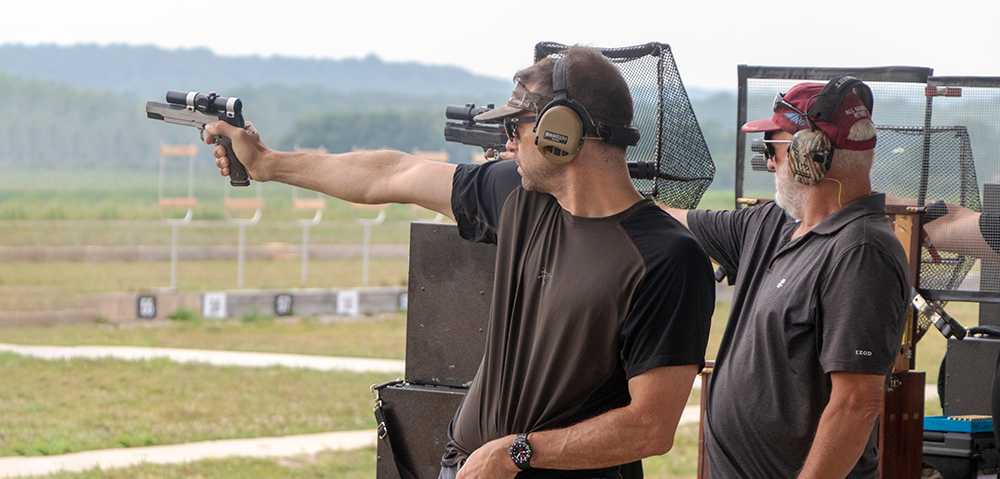
60-Second Answer: 5 Mental Techniques That Beat Match Pressure
Short answer: Mental training for shooting comes down to five core techniques — Visualization (mentally rehearse every stage), Breathing Control (use box breathing or 4-7-8 to drop your heart rate), Positive Self-Talk (cut the negative inner monologue with one trigger phrase), Focus Management (learn to pull attention back to the present), and Pre-Match Routine — the bridge that carries practice-range performance into the match.
Posts
read more
Best Pistol Red Dot Sights 2026: Holosun vs Trijicon + How to Find the Dot Fast
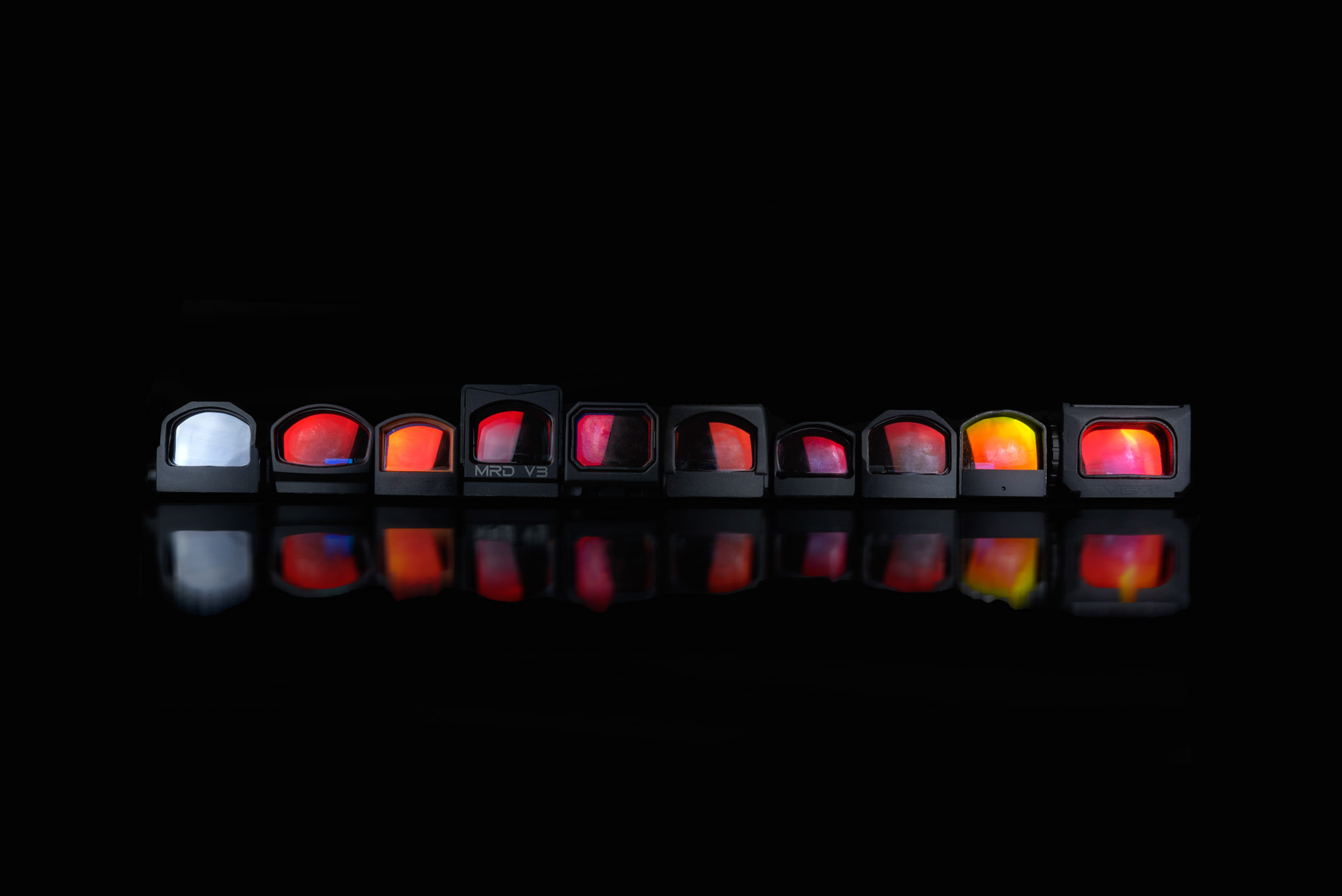
Why Red Dot Sights Are Changing Pistol Shooting
Over the past decade, pistol red dot sights (RDS) have evolved from exclusive competition gear to standard equipment for mainstream shooters. Whether for IPSC/IDPA competition, self-defense, or everyday practice, more shooters are choosing to mount red dots on their handguns.
Posts
read more
Tap Rack Bang: How Long Each Malfunction Clearance Should Take (Type 1, 2 & 3)
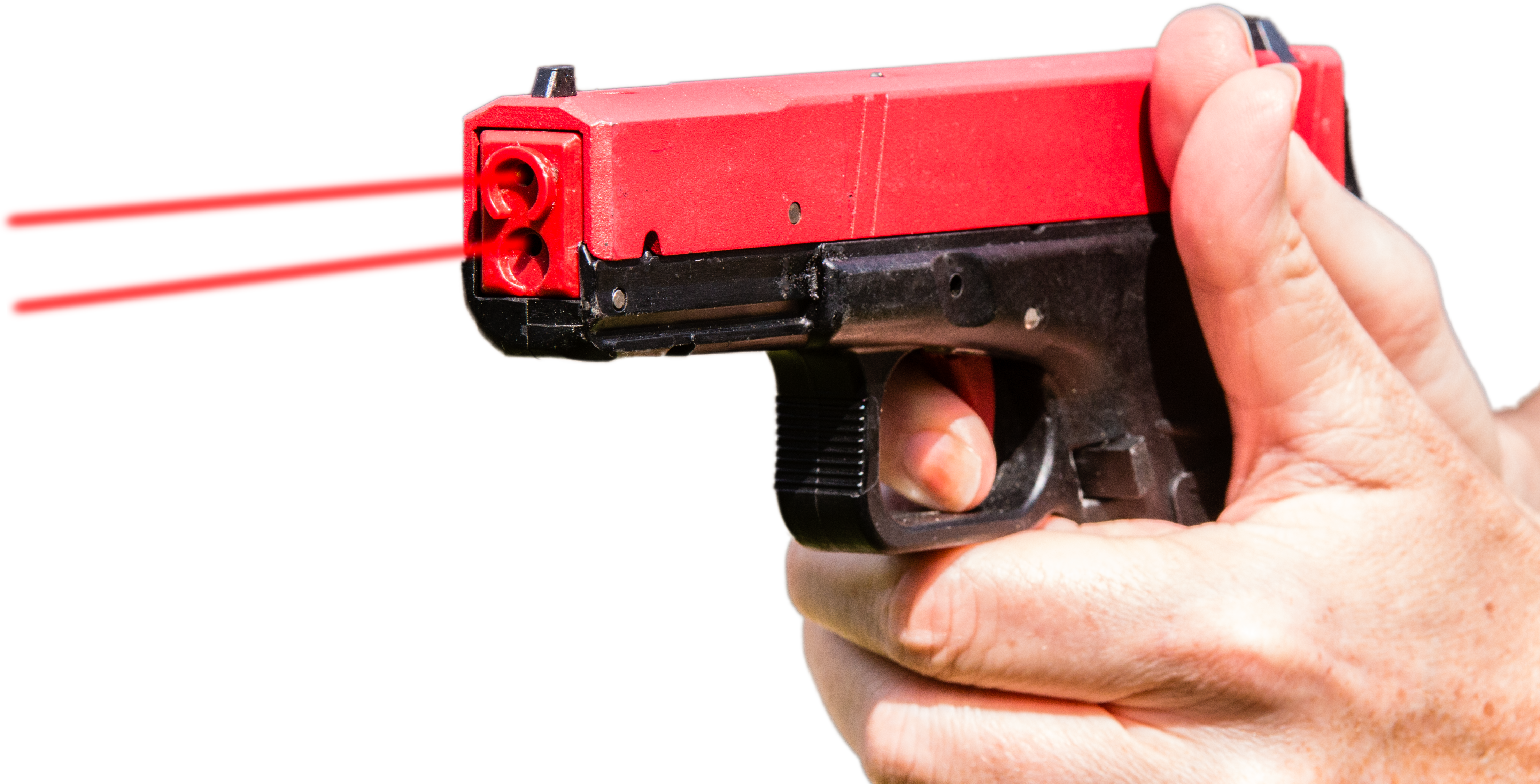
The 60-Second Answer: Tap, Rack, and When It Will Not Work
“Tap, rack, bang” is genuinely the right answer — for one of the three malfunctions you will actually meet. The reason people stand there racking a dead gun is that nobody told them what the other two feel like.
Posts
read more
Pistol Drills: Which One to Shoot Today (by Skill Gap, Round Count & Par Time)
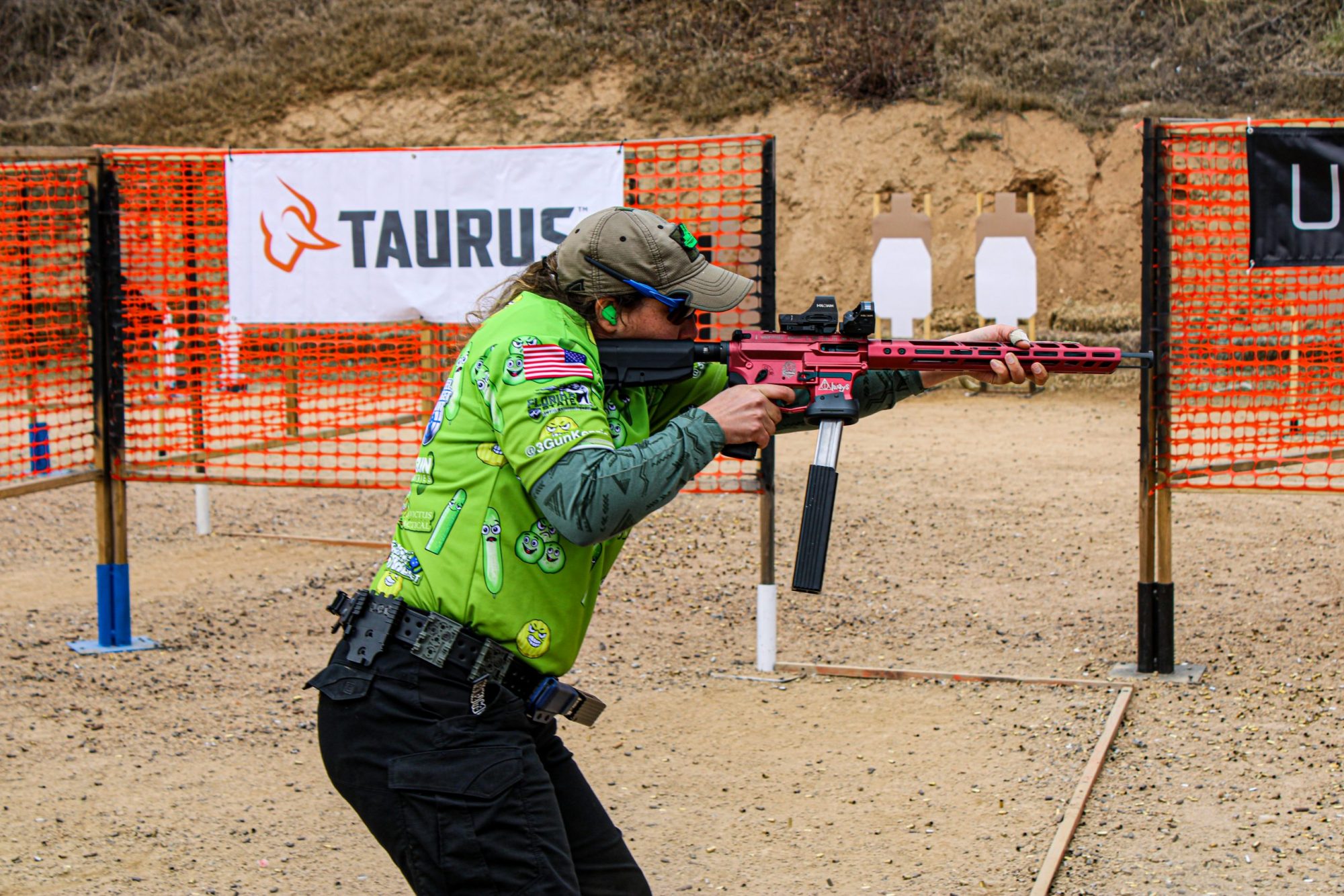
You already know the drills. That is not the problem.
The problem is standing at the bay with a box of ammo and forty-five minutes, trying to decide what to actually shoot. Most of us default to whatever we ran last time, burn through the box, and drive home with no idea whether anything improved. The drill was never the bottleneck — the choice was.
Posts
read more
Best Shot Timer App 2026: 13 Apps Tested (iPhone, Android, Airsoft)
Last year, a friend showed up to our weekly airsoft session with a $130 CED 7000 shot timer strapped to his belt. He timed his draw a few times, then spent the rest of the afternoon fighting wind-noise false triggers because the thing was designed for live-fire ranges, not GBB pistols popping at half the decibel level. Meanwhile, I pulled out my phone, opened AirsoftShotTimer, and ran twenty clean strings without a single misfire. That $130 timer went back in its box by the end of the day.
Posts
read more
Average Pistol Draw Time 2026: What's Normal, What's Good, and How to Get Faster
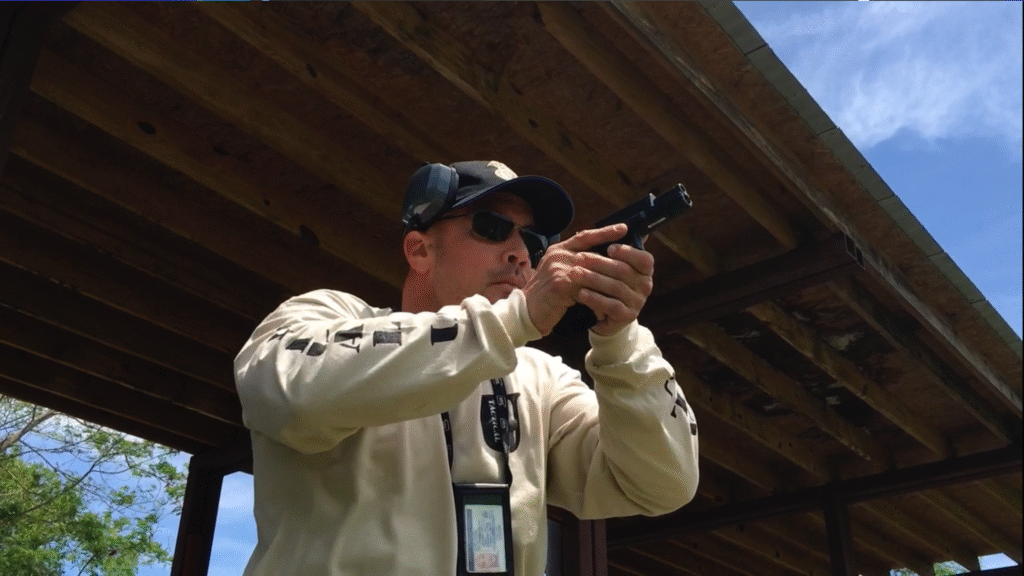
Why Is Draw Technique So Important?
In competitive shooting and defensive situations, the draw stroke is where everything begins. Whether you’re competing for first-shot advantage in IPSC or simulating defensive scenarios in IDPA, a smooth and fast draw is a fundamental skill every shooter must master.
Posts
read more
How to Grip a Pistol: Grip Pressure Numbers, Thumbs Forward & 4 Grip Styles Compared
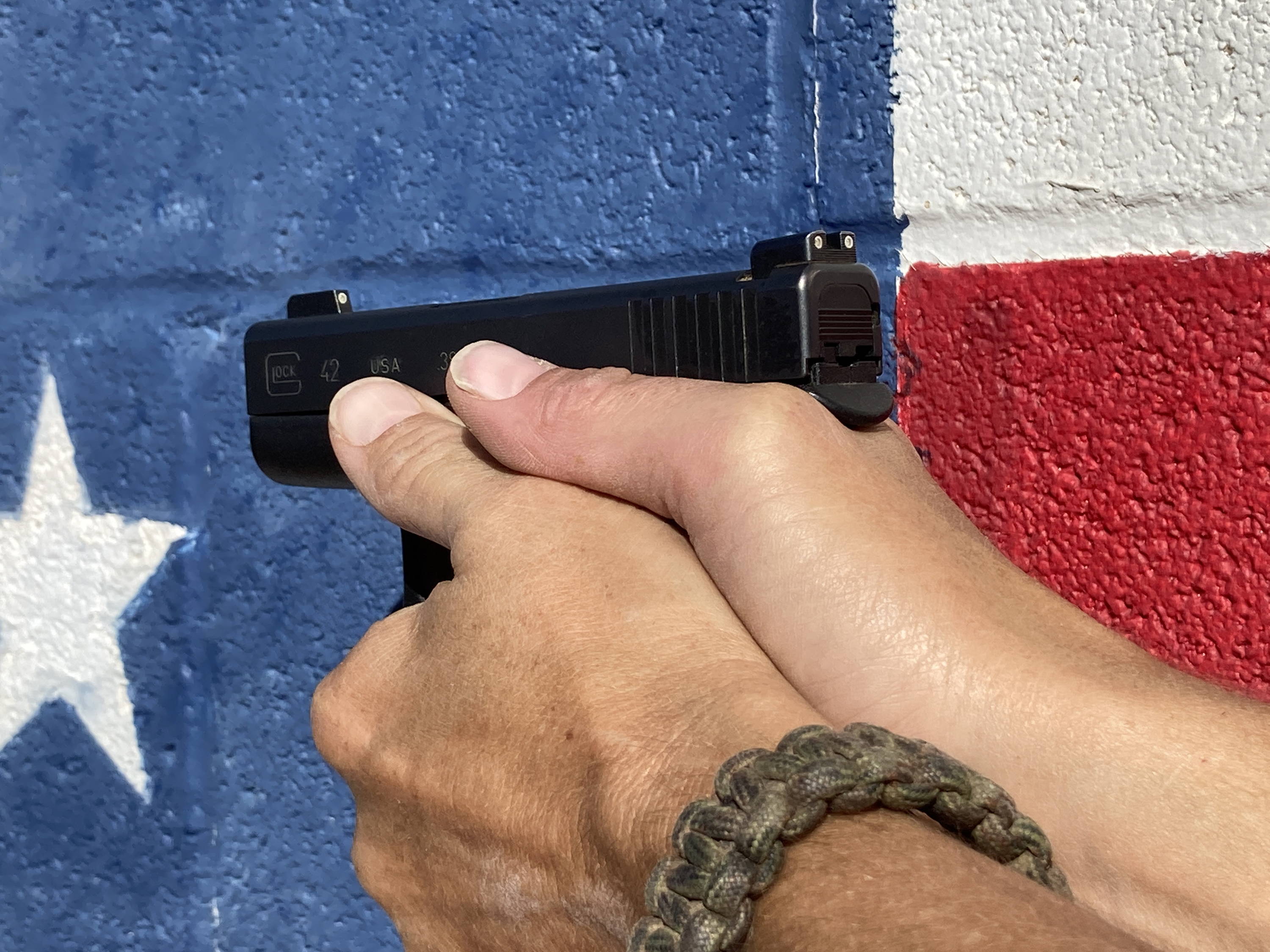
The 60-Second Answer: How to Grip a Pistol
If you only read one section, read this one. A correct two-handed pistol grip is four decisions, and all four have specific answers.
Posts
read more
How to Aim a Pistol: The 4 Sight Pictures, Where to Focus Your Eye, and Red Dot vs Irons
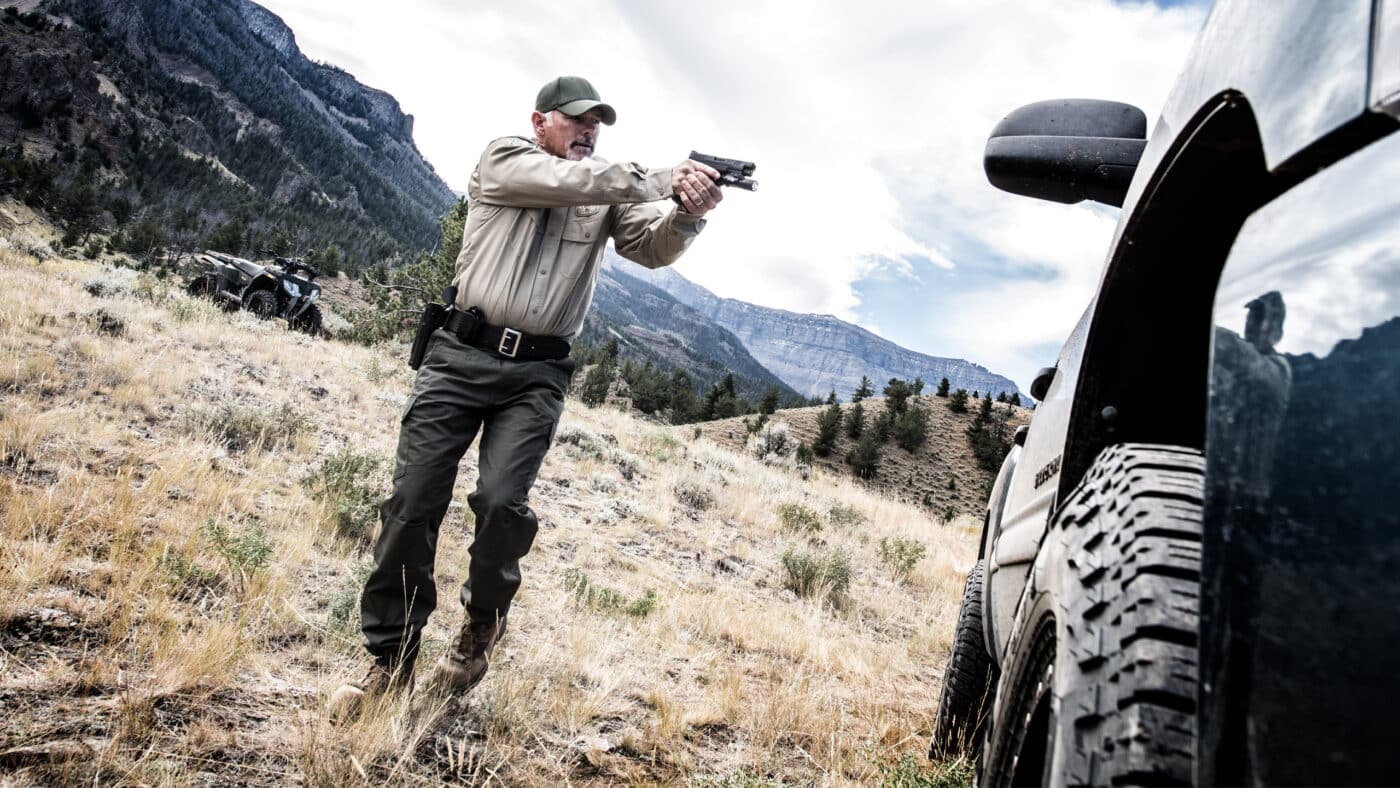
The 60-Second Answer: How to Aim a Pistol
Aiming is two separate problems that get taught as one, and separating them fixes most people’s groups.
Problem one is sight alignment — the relationship between the front sight and the rear notch, independent of the target. Front sight centred left-to-right in the notch, top edge level with the top of the notch. This is the part that must be perfect, because an error here multiplies with distance: a front sight sitting one notch-width off throws the shot several inches at 10 yards and roughly a foot at 25.
Posts
read more
IPSC Range Commands 2026: All 8 Official Commands, the 1-4 Second Standby Rule & Your First Match
🎯 The 60-Second Answer
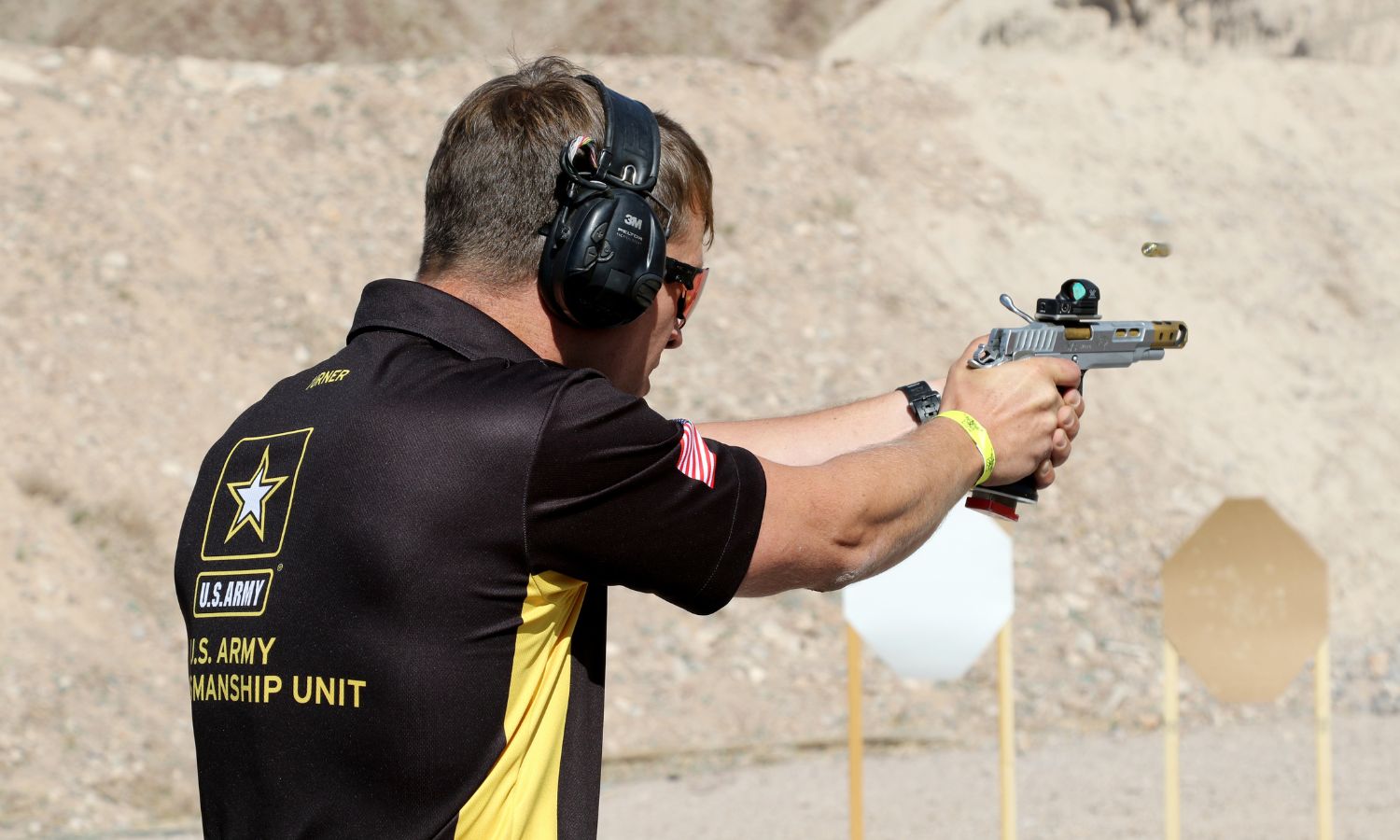
The eight official IPSC range commands, in order (Section 8.3, IPSC Handgun Competition Rules, January 2026 Edition):
- “Load And Make Ready” — or just “Make Ready” if the stage starts unloaded (8.3.1)
- “Are You Ready?” — silence means yes; say “Not Ready” if it is not (8.3.2)
- “Standby” — one word, and the beep follows within 1 to 4 seconds (8.3.3)
- “Start Signal” — the beep itself is an official command (8.3.4)
- “Stop” — any RO on the stage, at any time (8.3.5)
- “If You Are Finished, Unload And Show Clear” (8.3.6)
- “If Clear, Hammer Down, Holster” (8.3.7)
- “Range Is Clear” — nobody moves downrange before this (8.3.8)
Three things that will cost you: creeping after “Standby” is 1 procedural penalty under Rule 10.2.6. Reacting to the beep and then stopping without an official time recorded gives you zero time and zero score for the stage (8.3.4.2). And only the RO’s timing device counts as your official time (9.10.1) — your own timer never does.
Posts
read more
Dry Fire Training at Home: Do You Need a System? 6 Drills + Best Free App
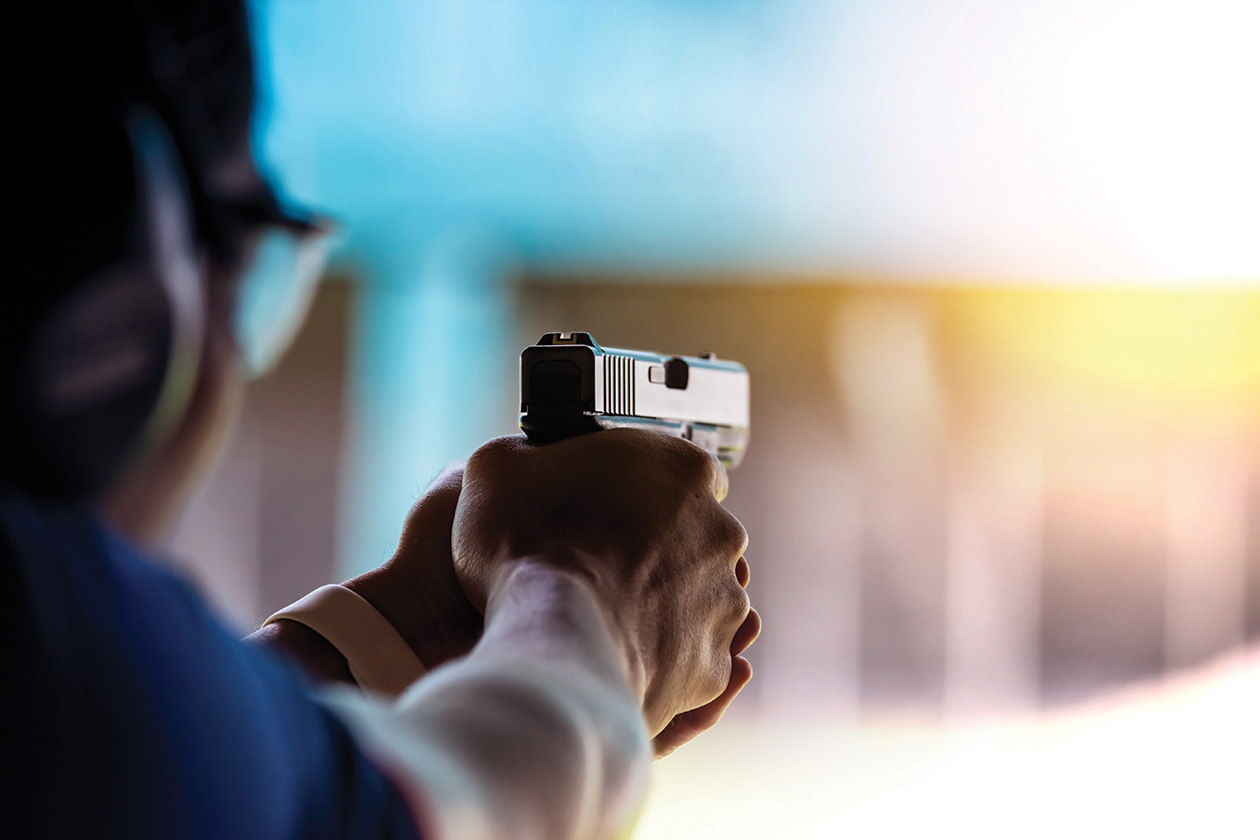
Quick Start: Dry Fire Training at Home Tonight
Short on time? Here’s everything you need to start dry fire training at home today, then the full guide below.
Posts
read more
How to Use a Shot Timer 2026: The 3 Levels Most Shooters Skip
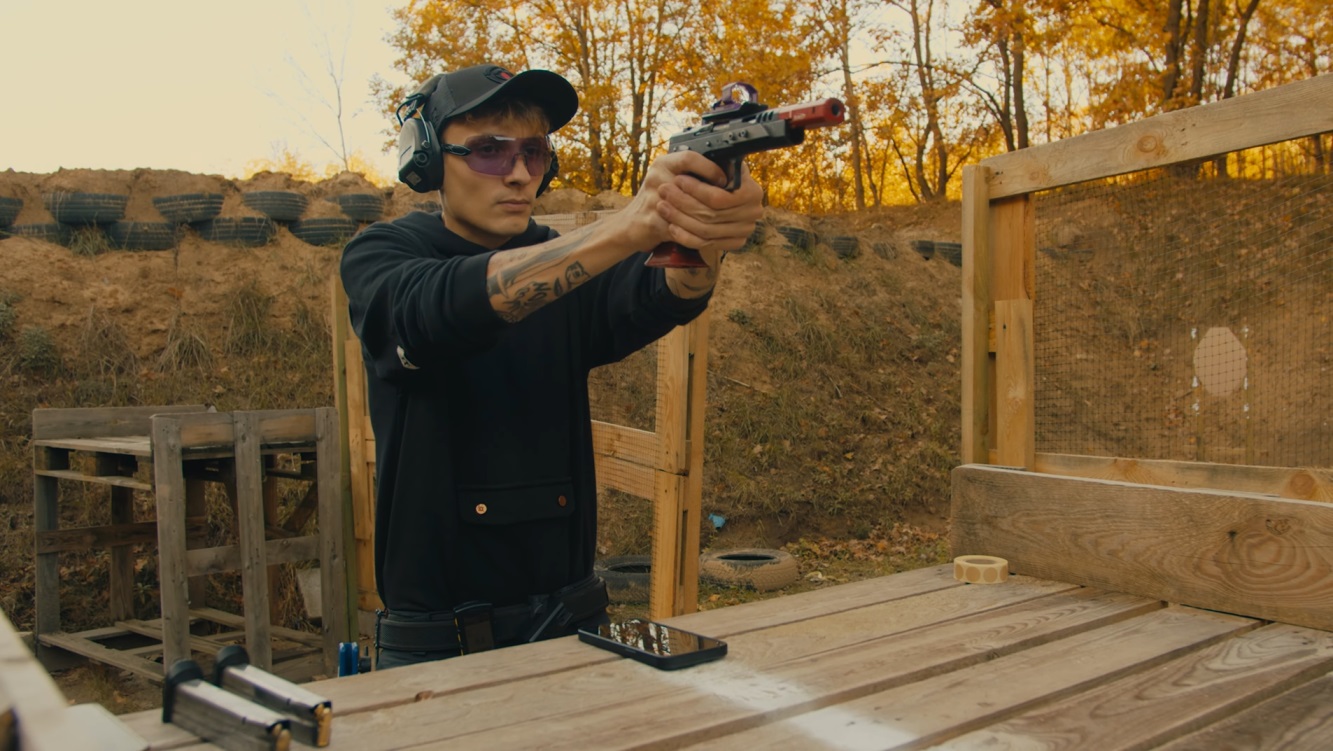
The 60-second version: Operating a shot timer is trivial — press the button, wait for the beep, shoot, look at the screen. Learning to read what it gives back is the part nobody teaches. Almost everyone stops at level one: the single overall time for the drill. The timer is actually handing you a per-shot breakdown that tells you exactly where your seconds went, and a second beep that shows you what a faster time physically feels like. This guide covers how the microphone decides something was a shot, what each number on the display means, the three levels of reading a string, the four settings worth changing on your first session, and the specific moments when the number on the screen is not telling you the truth.
Posts
read more
IDPA Training at Home 2026: 6 Shot-Timer Drills for Draw, Cover & Reloads (Airsoft or Dry Fire)
What is IDPA?
IDPA (International Defensive Pistol Association) is a shooting sport emphasizing realistic defensive scenarios. Unlike IPSC, IDPA focuses more on practical application, requiring shooters to use concealed carry equipment and shoot in scenarios simulating everyday threats.
Posts
read more
IPSC Training Guide 2026: Best Starter Pistols, Classification Path & Hit Factor Explained
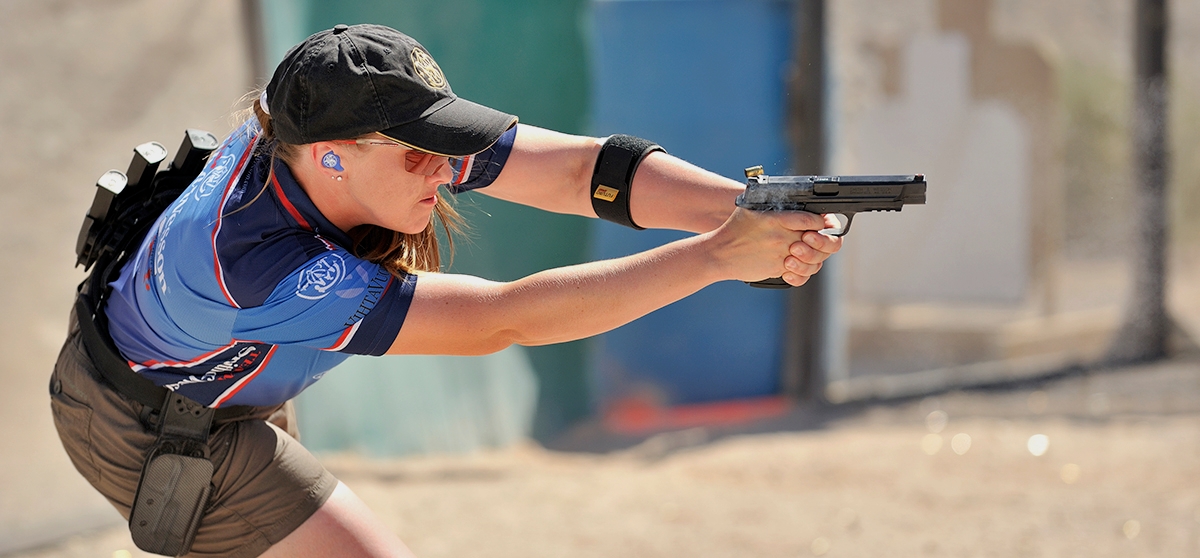
What is IPSC?
⚡ Quick Answer (if you’re in a hurry)
- What it is: A dynamic shooting sport blending speed, accuracy, and power, scored by Hit Factor (points ÷ time). The motto is DVC.
- Which division to start in: Begin in Production — the tight equipment rules force you to build real fundamentals instead of buying skill.
- Best starter pistol: Glock 17/34 for reliability and parts, then CZ Shadow 2 (ergonomics) or SIG P320 (modularity). Airsoft players on a budget can start with a Tokyo Marui Hi-CAPA or Glock GBB.
- How to practice at home: 10 minutes of daily dry-fire plus airsoft stage walk-throughs, logged with the free Airsoft Shot Timer app PAR mode to track draw and split times.
Jump to Starter Pistol Selection for gun picks, or Training with AirsoftShotTimer to start drilling.