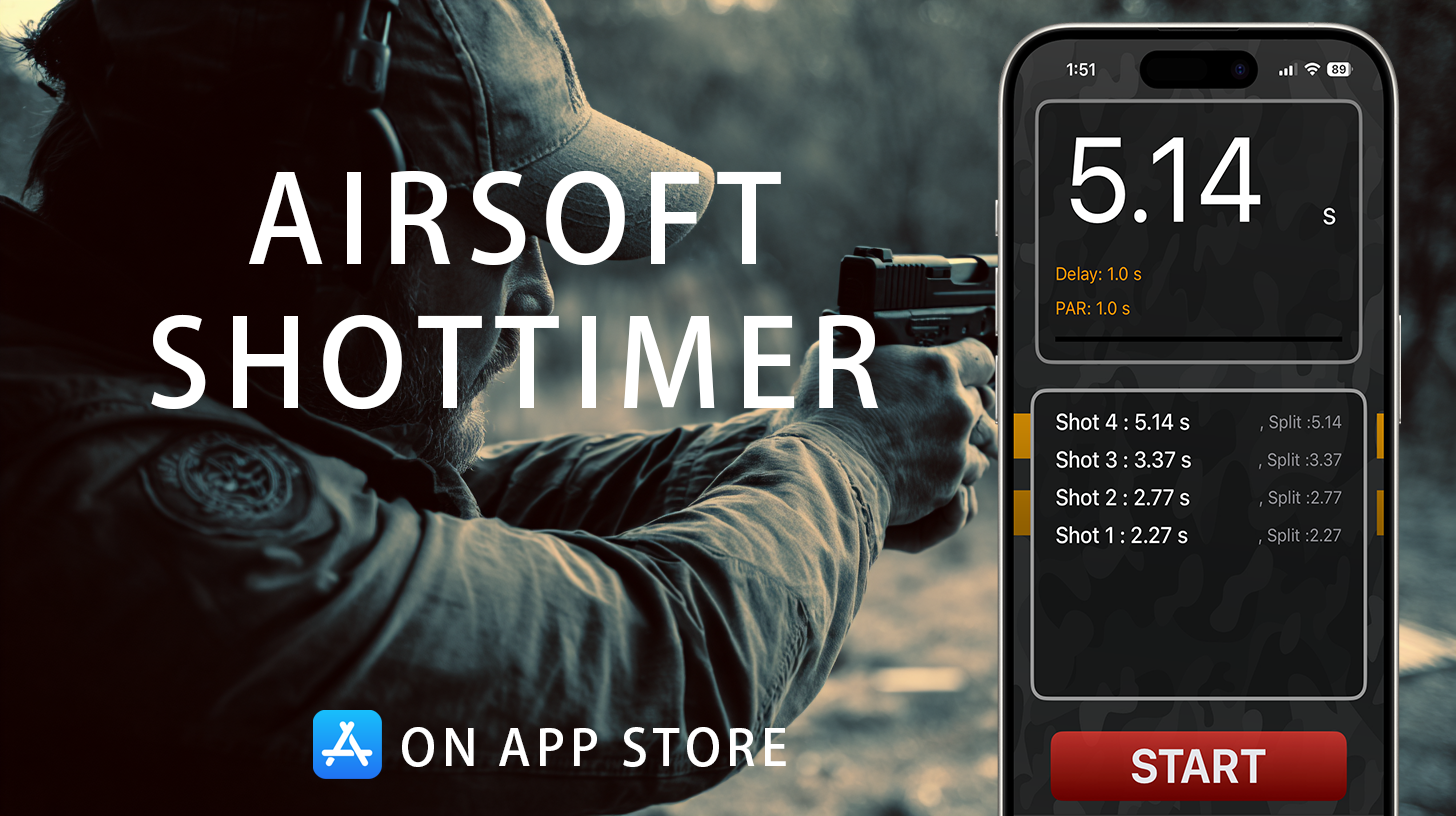
Airsoft Shot Timer is a free timer app built for airsoft players and Action Air shooters. Hardware shot timers often fail to pick up the low report of BB guns — this app is tuned specifically for gas blowback and AEG shot signatures, tracking everything from your draw to every split time. The blog below covers IPSC/IDPA training, airsoft gear, and tactics. Pair the drills with the app and watch your times drop.
The Free Shot Timer App Built for Airsoft
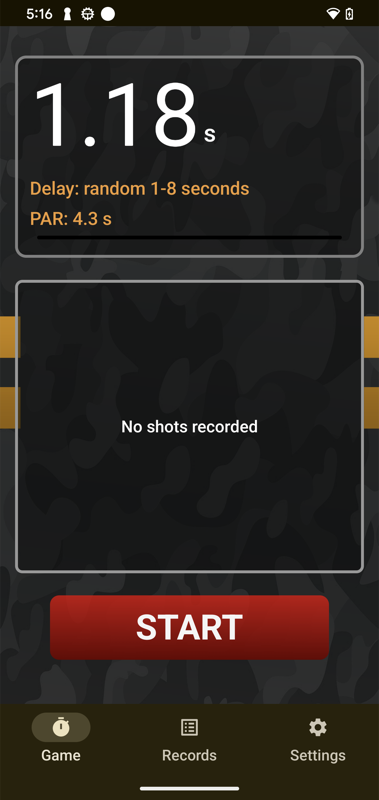
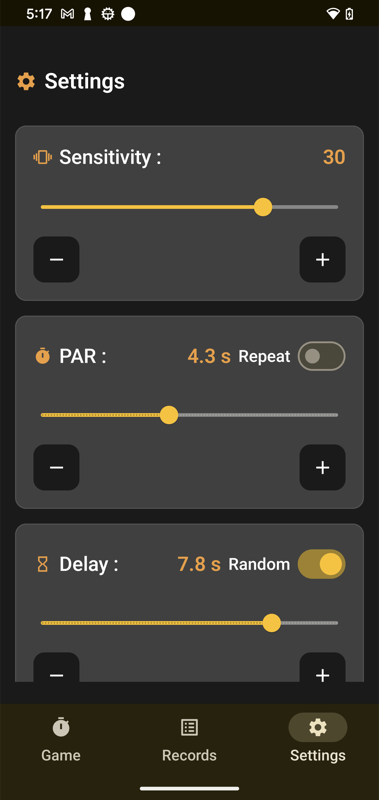
A shot timer tuned for airsoft acoustics — random start beep, automatic split times for every shot, and PAR time drills for your draw practice. Train for IPSC, IDPA, and Action Air without spending $150+ on a hardware timer. Your phone is all you need.

Free Online Par Timer for Dry Fire — Random Start Beep, Multiple Par Beeps, No App
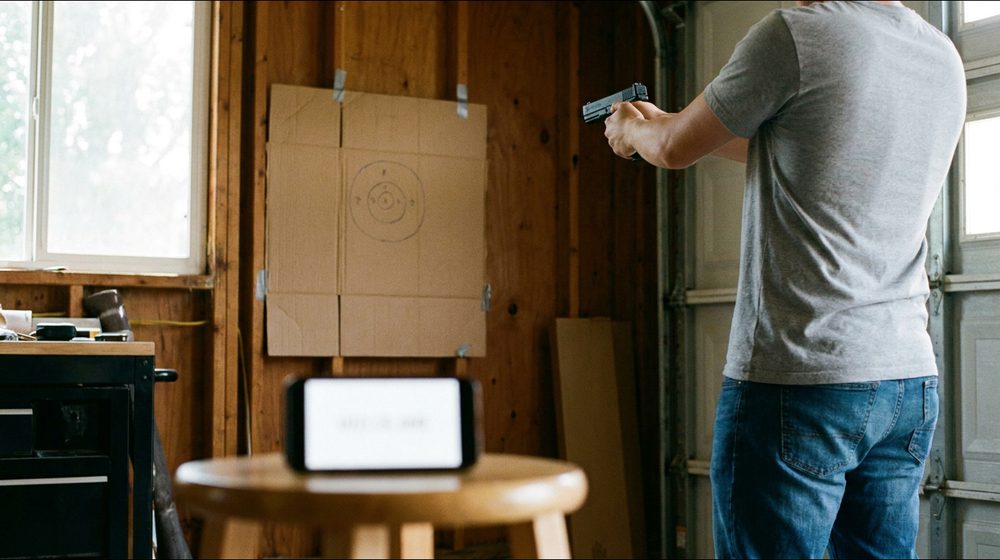
Press Start, wait for the beep, beat the second beep. That’s the whole tool below. It works in any browser on your phone or laptop, and you don’t need to install anything or sign up.
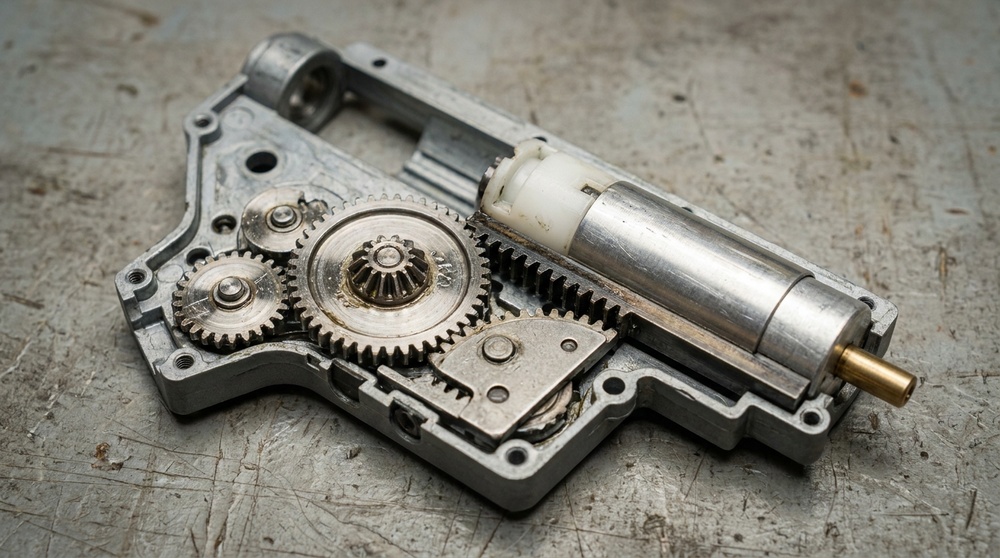
Airsoft Gearbox Versions Explained 2026: V2 vs V3, Which Gun Uses What, and Which Parts Actually Swap
The 60-second version (BLUF)
- The version number is a shape, not a quality grade. It tells you which receiver the gearbox fits and which parts bolt into it. A V3 is not “better than” a V2 in the way a 2.0 is better than a 1.0.
- If you own an AR-pattern gun you own a V2. M4, M16, MP5 and G3 replicas all run it, which is why the V2 has an aftermarket nothing else comes close to.
- AK, G36 and AUG replicas run a V3, and the V3’s one-piece lower shell is genuinely more rigid at the front, which is why high-FPS and DMR builds tend to live there.
- The five differences that matter are how the shell opens, where the motor hangs, whether you can test-fire it on the bench, the trigger group and wiring, and where it cracks.
- Gears, shims, pistons, cylinders and piston heads cross over between V2 and V3. Shells, tappet plates, nozzles, spring guides and trigger assemblies do not.
- Gear ratio is motor turns per piston cycle: 18:1 is standard, 16:1 is a mild step up in speed, 13:1 and 12:1 are high speed, and 26:1 to 32:1 are high torque for heavy springs.
- A cracked V2 is almost always a cracked cylinder window. Radius the corners, fit a sorbo pad, correct your angle of engagement, and stop reaching for an M130 you don’t need.
- Every upgrade claim is a claim about time. Trigger response and rate of fire are both intervals, so measure them with a timer instead of arguing about them.
Nobody buys an airsoft gun because of its gearbox. You buy it because it looks right, because the reviews were decent, because it was the one in stock. Then one Saturday, usually about forty minutes into a game day, the trigger clicks and nothing comes out, and you discover that the thing you never thought about is the only thing that matters.
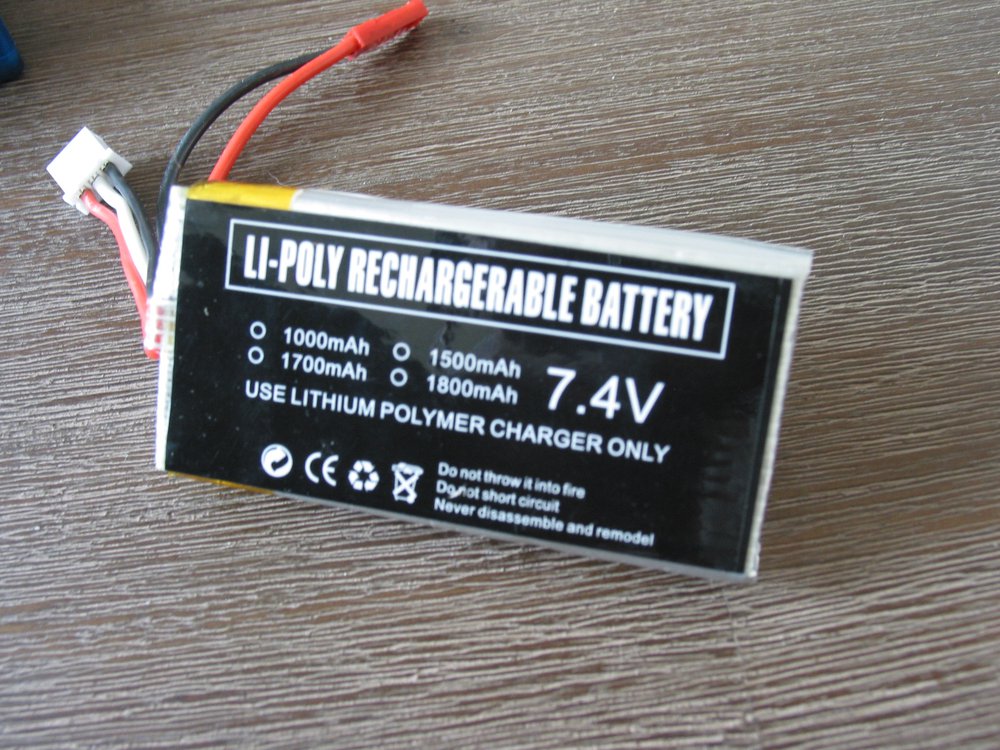
Airsoft Battery Guide 2026: LiPo vs NiMH, 7.4V vs 11.1V, and What mAh & C Rating Actually Do to Your AEG
The 60-second version (BLUF)
- Three numbers matter: volts, mAh and C. Voltage sets how hard the motor is pushed (trigger response and rate of fire), mAh sets how long the battery lasts, and the C rating sets how fast it can hand that energy over.
- A 7.4V LiPo is the safe modern default for almost any stock AEG. It performs like a 9.6V NiMH, fits in half the space, and in most guns needs no extra parts.
- 11.1V is a tuning decision, not a free upgrade. It makes the same gun snappier and faster, and it also makes it wear faster. If your gun has no MOSFET or electronic trigger unit, don’t.
- The maths is simple: max continuous amps = C rating × capacity in amp-hours, so a 1,000 mAh 20C pack can deliver 20 A. Rounds per charge land somewhere between 0.7 and 1 round per mAh on a normal AEG, so a 1,200 mAh pack is roughly 800–1,200 shots.
- Per-cell voltages are the whole LiPo safety story: 4.2 V full, 3.7 V nominal, 3.8–3.85 V for storage, and 3.3 V is the floor. A “7.4V” pack is 8.4 V straight off the charger.
- Deans (T-plug) is the standard, Tamiya is the bottleneck. If a new gun still ships with a Tamiya plug, that tells you something about the rest of it.
- Whether 11.1V actually made you faster is a number, not a feeling. A shot timer app will tell you your semi-auto split times on both batteries in about two minutes.
There’s a moment nearly every airsoft player has had. You’ve just unboxed your first AEG, you’ve charged your phone twice with excitement, and then you realise the box has no battery in it. Ninety percent of electric guns on the market ship that way, and the shop’s answer is a wall of little packs with numbers on them: 7.4V, 9.6V, 11.1V, 1,200 mAh, 25C, Deans, Tamiya, stick, nunchuck. You buy one because it fits. Six months later you’re on a field watching a mate with the same rifle out-shoot you on trigger response, and it turns out the entire difference was the thing in the buffer tube.
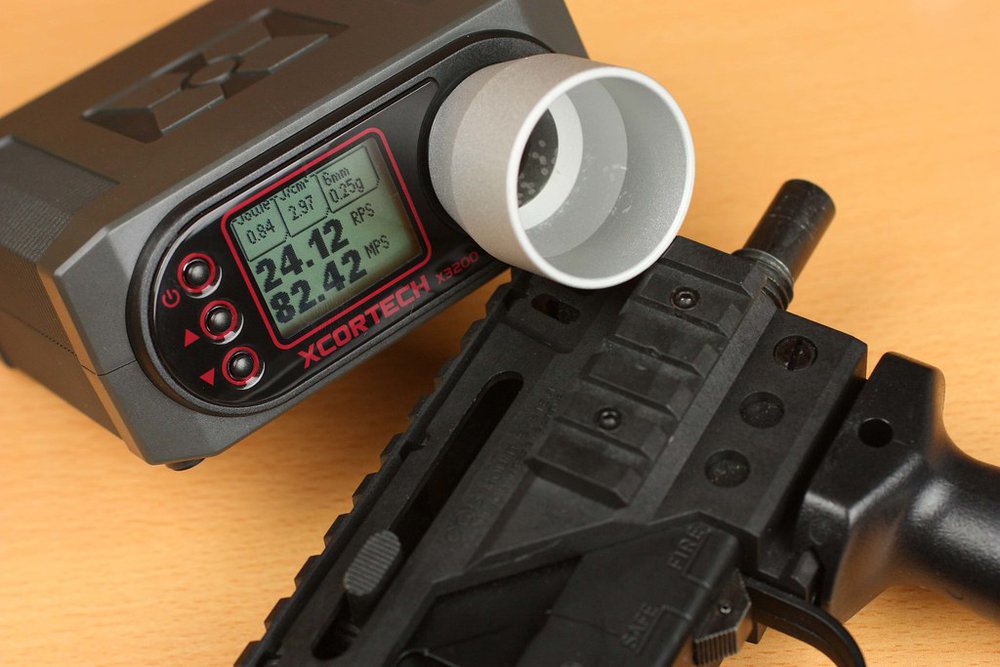
Airsoft Joule Creep & FPS Limits 2026: The 3-Weight Chrono Test (+ Full Joule Chart)
The 60-second version (BLUF)
- A chrono measures speed. Fields care about energy. Those are not the same number, and the gap between them is where almost every chrono argument comes from.
- The formula is simple: energy in joules = ½ × BB mass in kilograms × velocity in metres per second, squared. A 0.20g BB at 100 m/s (328 fps) is exactly 1.00 joule. Everything else on this page falls out of that one line.
- The single most useful anchor: 400 fps with a 0.20g BB = 1.49 J. 350 fps = 1.14 J. 300 fps = 0.84 J.
- Joule creep is real, but it is not universal. In one documented test an HPA rifle went from 1.45 J on 0.20g to 1.89 J on 0.40g without a single setting being touched. In another, a correctly-volumed AEG went the other way — 1.56 J on 0.20g down to 1.39 J on 0.48g.
- Which one your gun does depends on air volume, not on brand or price. The only way to know is to chrono your own gun on the weight you actually play with.
- You can test it yourself in five minutes, with arithmetic instead of opinion. Chrono on 0.20g, then on 0.30g. If energy were conserved, the 0.30g reading would be your 0.20g figure × 0.8165. Divide what you actually measured by that expected number, square it, and you have your creep index. Above about 1.10 you creep; the volume-matched rifle below came out at 0.97.
- “Is 400 fps allowed?” Almost everywhere outdoors, yes — on a 0.20g BB, which is 1.49 J. Indoor CQB is usually 350 fps / 1.14 J. The UK caps you at 1.13 J by site policy long before the statutory 1.3 J, and Japan at 0.98 J by law. The answer always depends on the weight it was measured with.
- Chrono with your game ammo, not with 0.20s you’ll never use. Passing on 0.20g and playing on 0.32g is how a legal gun becomes a hot gun.
- Measure, don’t guess. It’s the same habit that makes a shot timer worth carrying: the number on the screen beats the feeling in your hands, every time.
There’s a very particular flavour of embarrassment that only exists in airsoft. You’ve driven an hour to a new field, you’re in the safe zone, your rifle is on the chrono stand, and the marshal reads the display and says the thing nobody wants to hear: “Yeah, that’s hot, mate.”
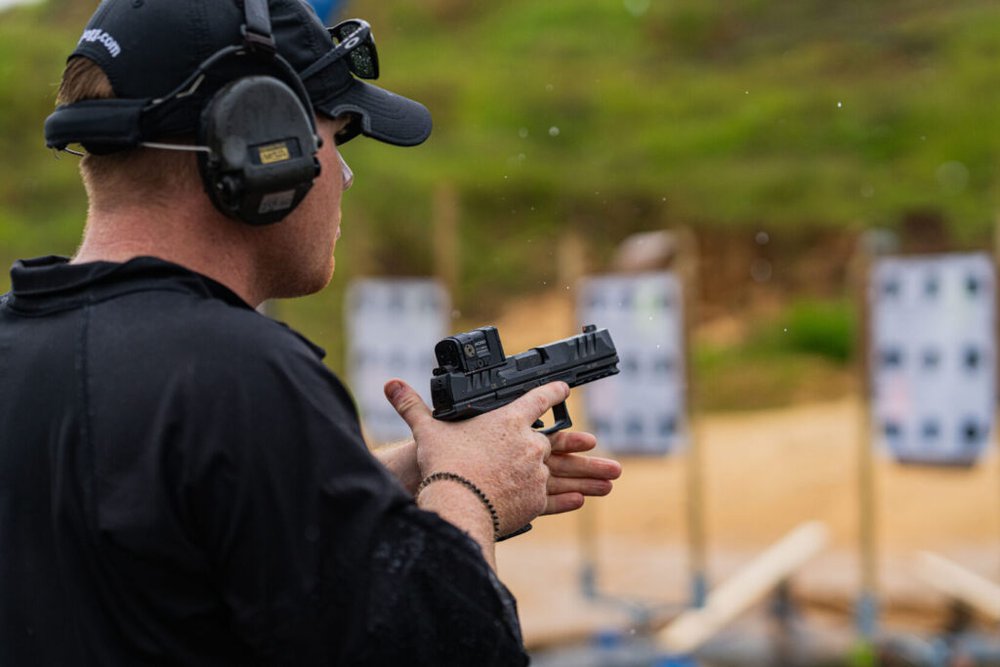
The F.A.S.T. Drill: Par Times, Scoring & the Coin Only 26 Shooters Have Won (2026)
The F.A.S.T. Drill in 60 seconds (BLUF)
- What it is: Six rounds at 7 yards on one target — a 3×5 inch card in the head and an 8-inch circle in the body. Draw with exactly two rounds in the gun, fire two at the card, reload from slide lock, fire four at the circle.
- Why it hurts: The hardest shots come first and cold, then the gun runs dry on purpose. A slide-lock reload tears your grip apart, and you have to rebuild it while the clock runs.
- Ratings: 10+ seconds Novice · under 10 Intermediate · under 7 Advanced · under 5 Expert.
- Penalties are the whole game: every miss on the 3×5 card adds 2.00 seconds; every miss on the 8-inch circle adds 1.00 second. A 4.84-second run with two dropped body shots scores 7.34 — a Novice-to-Advanced fall from one bad grip.
- The coin: A clean sub-5.00 run, done in front of an authorized instructor, twice. Since 2007 exactly 26 people have earned one. There is also a “half pin” for a clean sub-7.00.
- Train it anywhere: Load two BBs in a GBB airsoft pistol and the slide locks back for real. With a free shot timer app you get the same draw, the same reload, and the same honest number — without burning 600 rounds finding out.
Most shooting drills flatter you. You pick the distance, you pick the pace, and you stop when the group looks good. The F.A.S.T. does the opposite: it hands you a small target, an empty gun, and a stopwatch, and then it tells everyone in earshot exactly where you actually are. Ernest Langdon — the man Todd Green authorized to carry on as arbiter of the F.A.S.T. Coin — puts it bluntly in his own classes: “It is a test specifically. It’s not something you practice.”
USPSA Divisions Explained 2026: All 8 Divisions, Capacity Rules & Which One Your Gun Already Fits
USPSA Divisions in 60 Seconds (BLUF)
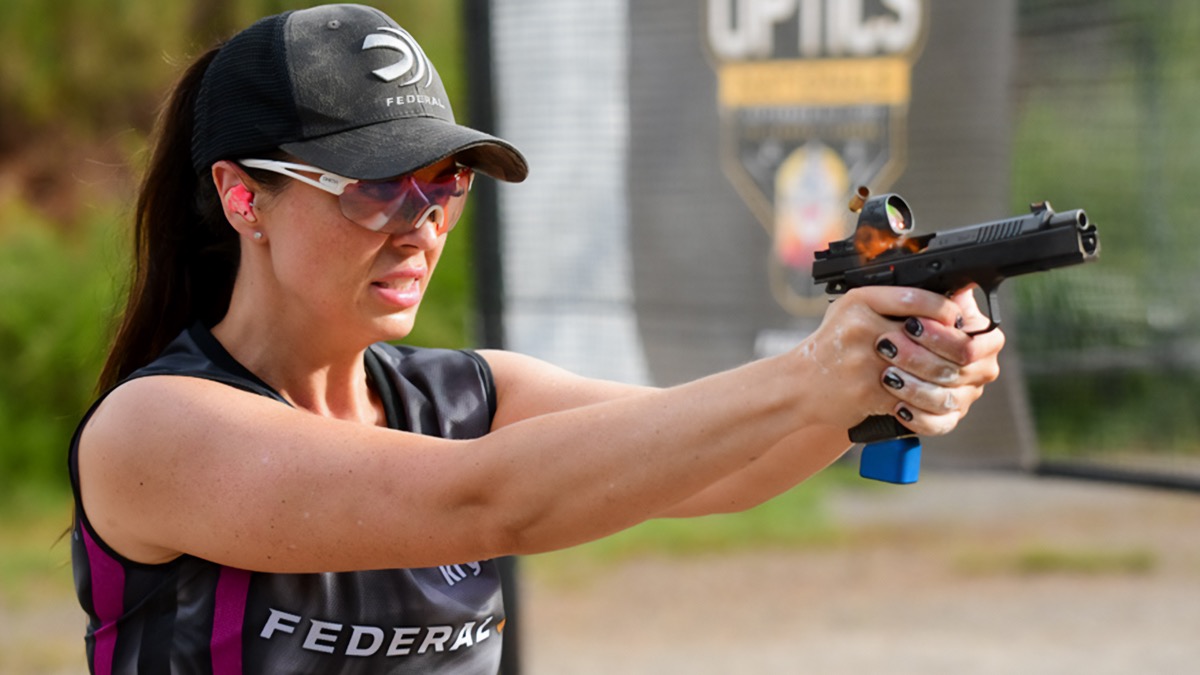
Short answer: USPSA runs eight divisions — Carry Optics, Limited Optics, Open, Limited, Production, Single Stack, Revolver and PCC — and the gun already in your safe decides most of it for you. Stock striker-fired 9mm with a slide-mounted red dot → Carry Optics. A 2011, or any pistol wearing a flared magwell, with a red dot → Limited Optics. Anything with a compensator or a frame-mounted optic → Open, whether you wanted that or not. Iron sights on a duty pistol → Production (15 rounds loaded) or Limited. A .45 1911 → Single Stack. A wheelgun → Revolver. A 9mm carbine → PCC.
AMG Shot Timer Review & Instructions 2026: Commander vs Sidekick Setup Guide
The first time you notice an AMG timer at a USPSA match, it usually isn’t because it looks good. It’s the sound. You’re wearing plugs under muffs, your eyes are locked on the first target, your brain has gone completely blank — and that 105dB beep still punches through both layers of hearing protection and lands squarely in your skull. That’s the moment you start to understand why people are willing to wait three months for a shot timer.
Dot Torture Drill: Free Target, Course of Fire & How to Shoot It Clean
Dot Torture in 60 seconds (BLUF)
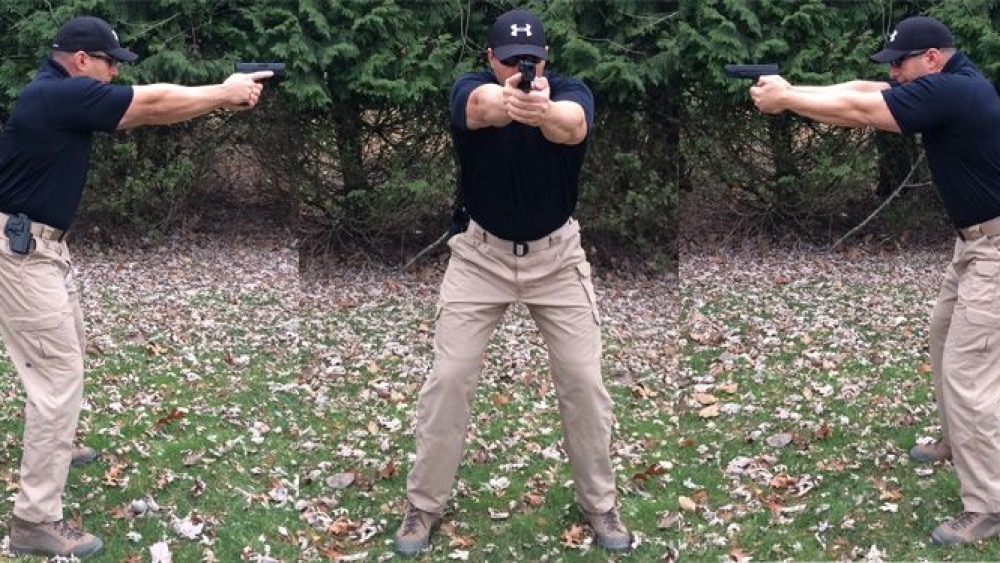
- What it is: A 50-round pistol drill shot at ten 2-inch circles printed on one sheet of paper, from 3 yards. Draws, transitions, strong hand, weak hand, and reloads are all built in.
- The catch: There is no time limit — and that’s exactly why it hurts. Nothing to blame. Every miss is pure trigger control.
- Passing score: 50 out of 50. One dropped shot means you run it again. Don’t move back to 4 yards until you can shoot it clean at 3 consistently.
- The target is free: Print the official 8.5×11" target from pistol-training.com on any home printer. No gear to buy.
- Train it anywhere: 3 yards is a hallway. Two-inch dots and an airsoft pistol or dry-fire reps at home build the exact same skill — and once you’re clean, a free shot timer app adds the pressure back in.
Three yards. Circles the size of a golf ball’s shadow. No timer, no pressure, all the time in the world. On paper, Dot Torture sounds like the easiest drill in shooting — right up until the first time you run it and watch round 37 land a quarter inch outside dot number eight, and the whole sheet is suddenly worthless. That’s the moment every shooter meets the real drill: it’s not a marksmanship test, it’s an honesty test.
Mozambique Drill: Par Times, Scoring & the Exact Third-Shot Window
The Mozambique Drill in 60 seconds (BLUF)
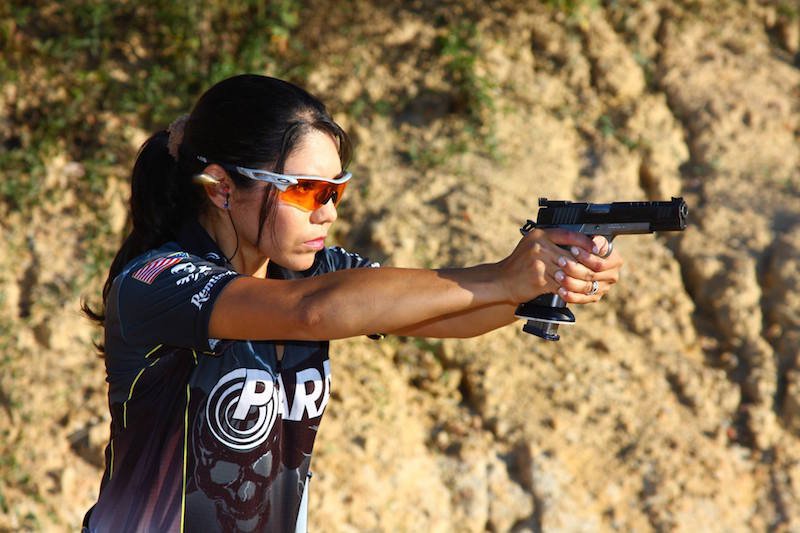
- What it is: Draw and fire two rounds to the body, then one precise shot to the head, on a single target at seven yards. Also called the Failure Drill or Failure to Stop.
- Why it exists: It trains the moment your first response doesn’t work — two fast hits, no reaction, and now you need one slow, exact shot under pressure.
- What’s a good time? The classic par is 5 seconds from the holster at seven yards. Around 3 seconds you’re genuinely quick; world-class shooters have run it under one second up close.
- The hard part: The gear change. Your brain has to shift from “fast and loose” torso shots to a “small and exact” head shot mid-string — most people either rush the third shot and miss, or stall for half a second.
- Where exactly does shot three go? Not “the head” — the window between the eyebrows and the upper lip. Everywhere else on the skull is angled bone that can deflect a bullet.
- Three things almost nobody tells you: the 1974 shot that started it all landed in the neck, not the head; the LAPD renamed it the Failure Drill in 1980 over the name’s racial overtones; and most US police departments no longer teach the head shot at all.
- Train it anywhere: The 2+1 rhythm is a pattern skill. An airsoft pistol or a dry-fire rep against a par time on a free Airsoft Shot Timer app builds the same draw, cadence and transition without a single live round.
If you’ve seen John Wick clear a room — two quick shots to the chest, one to the head, next target — you’ve watched a Hollywood-polished Mozambique Drill. Keanu Reeves trained the pattern for the films, and Tom Cruise made an alley version of it famous in Collateral years earlier. But the drill wasn’t invented for the movies. It came out of a gunfight at an airport in 1974 — or at least out of a story about one, which turns out to be a distinction worth making — and it survives in competition warm-ups and training courses today because it tests something almost no other drill does: what you do when your first answer fails.
El Presidente Shooting Drill: How to Run It, What's a Good Time & USPSA 99-11 Scoring (2026)
The El Presidente in 60 seconds (BLUF)
- What it is: Face uprange at 10 yards, turn on the beep, draw, fire two rounds on each of three targets, reload, and fire two more on each — 12 rounds total against the clock.
- Who made it: Jeff Cooper, who built it in the 1970s to gauge pistol proficiency for a presidential security detail in Latin America and published it in American Handgunner in 1979 — hence “El Presidente,” or “El Prez” for short. Full history below.
- It’s still a live classifier: El Prez is USPSA classifier CM 99-11 — a 12-round, 60-point, Virginia Count course. Shoot it at a match and it moves your classification.
- What’s a good time? The classic benchmark is a clean run in 10 seconds (all 12 in the A-zone). But USPSA scores it on hit factor, and for a clean run the conversion is dead simple: 60 ÷ your hit factor = your time. A 10 hit factor is 6.0 seconds with all twelve in the A-zone — roughly Grandmaster pace in the optics divisions.
- Why it’s the decathlon of drills: One run tests your turn, draw, target transitions, splits, a full reload, and recoil control — no single skill can hide. The common mistakes each leave a signature on the timer or the target, so you can diagnose your own run.
- Train it anywhere: The turn, draw, transitions and reload are all pattern skills. Run par-time reps with an airsoft pistol or dry fire on a free Airsoft Shot Timer app between range trips.
Ask a room full of shooters to name one pistol drill and more of them will say “El Presidente” than anything else. It’s been on range programs for fifty years, it shows up in USPSA classifiers, and it’s the first thing a lot of instructors reach for when they want to see whether a new student can actually run a gun rather than just shoot groups off a bench. If the Bill Drill is the honest test of your grip, the El Prez is the honest test of everything else.