Below you will find pages that utilize the taxonomy term “IPSC”
Posts
read more
Free Online Par Timer for Dry Fire — Random Start Beep, Multiple Par Beeps, No App
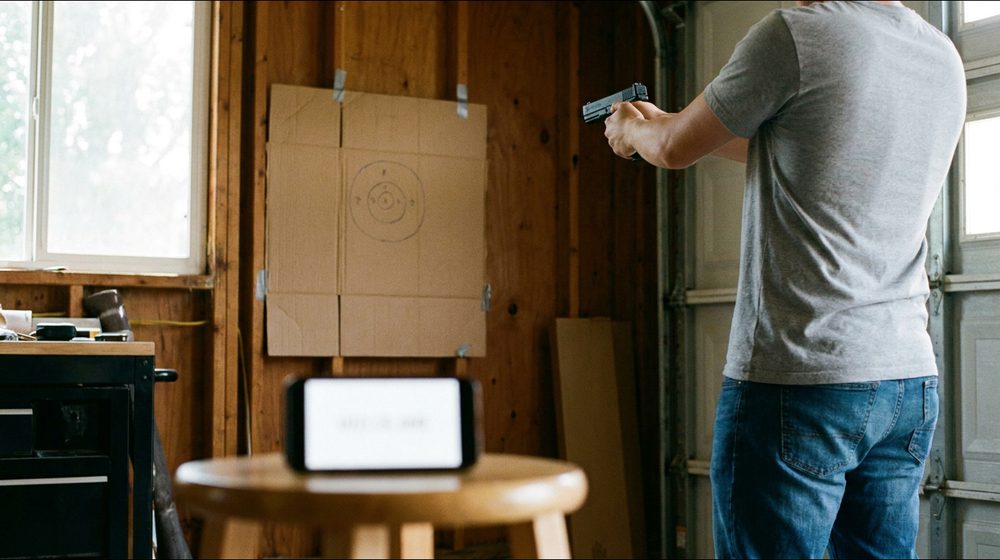
Press Start, wait for the beep, beat the second beep. That’s the whole tool below. It works in any browser on your phone or laptop, and you don’t need to install anything or sign up.
Posts
read more
AMG Shot Timer Review & Instructions 2026: Commander vs Sidekick Setup Guide
The first time you notice an AMG timer at a USPSA match, it usually isn’t because it looks good. It’s the sound. You’re wearing plugs under muffs, your eyes are locked on the first target, your brain has gone completely blank — and that 105dB beep still punches through both layers of hearing protection and lands squarely in your skull. That’s the moment you start to understand why people are willing to wait three months for a shot timer.
Posts
read more
El Presidente Shooting Drill: How to Run It, What's a Good Time & USPSA 99-11 Scoring (2026)
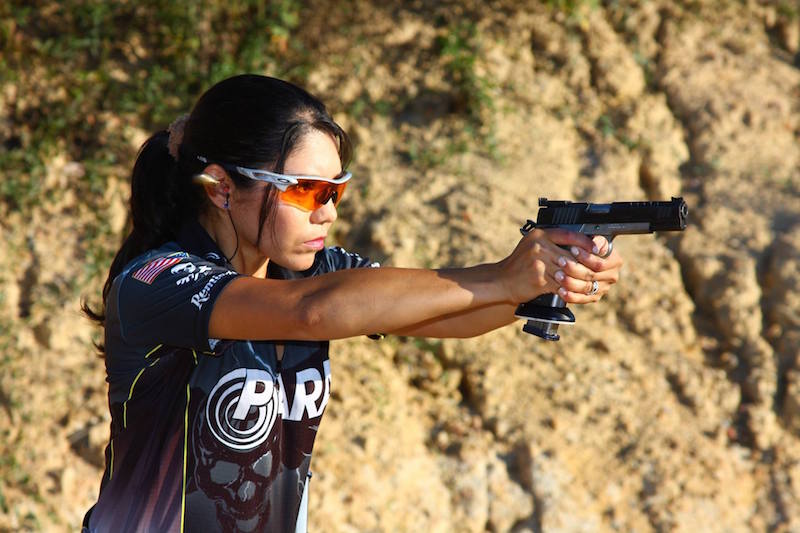
The El Presidente in 60 seconds (BLUF)
- What it is: Face uprange at 10 yards, turn on the beep, draw, fire two rounds on each of three targets, reload, and fire two more on each — 12 rounds total against the clock.
- Who made it: Jeff Cooper, who built it in the 1970s to gauge pistol proficiency for a presidential security detail in Latin America and published it in American Handgunner in 1979 — hence “El Presidente,” or “El Prez” for short. Full history below.
- It’s still a live classifier: El Prez is USPSA classifier CM 99-11 — a 12-round, 60-point, Virginia Count course. Shoot it at a match and it moves your classification.
- What’s a good time? The classic benchmark is a clean run in 10 seconds (all 12 in the A-zone). But USPSA scores it on hit factor, and for a clean run the conversion is dead simple: 60 ÷ your hit factor = your time. A 10 hit factor is 6.0 seconds with all twelve in the A-zone — roughly Grandmaster pace in the optics divisions.
- Why it’s the decathlon of drills: One run tests your turn, draw, target transitions, splits, a full reload, and recoil control — no single skill can hide. The common mistakes each leave a signature on the timer or the target, so you can diagnose your own run.
- Train it anywhere: The turn, draw, transitions and reload are all pattern skills. Run par-time reps with an airsoft pistol or dry fire on a free Airsoft Shot Timer app between range trips.
Ask a room full of shooters to name one pistol drill and more of them will say “El Presidente” than anything else. It’s been on range programs for fifty years, it shows up in USPSA classifiers, and it’s the first thing a lot of instructors reach for when they want to see whether a new student can actually run a gun rather than just shoot groups off a bench. If the Bill Drill is the honest test of your grip, the El Prez is the honest test of everything else.
Posts
read more
Bill Drill Time Standards 2026: Par Times for Pistol, Concealment & Rifle
The Bill Drill in 60 seconds (BLUF)
- What it is: Draw and fire six rounds into the A-zone of one target at seven yards, as fast as you can keep them all in. That’s the whole drill.
- Why it’s brutal: Six shots leaves nowhere to hide. A bad grip, a slow draw, or flinching all show up instantly in your hits and your times.
- What’s a good time? From an open holster: roughly 4.5s for a new shooter, sub-3s for a solid club shooter, sub-2s for someone who can genuinely shoot. From concealment, add roughly half a second to every one of those — a clean sub-2 from concealment is genuinely rare, not a weekend goal.
- How fast is the record? Around 1.1 seconds for six A-zone hits, with a draw near 0.40s. It’s a legitimate number and a terrible training target — see below for why.
- What do real people shoot? In a documented advanced handgun class, students ran it in 2.85–4.03 seconds raw. Sub-2 is an internet standard, not an average one.
- With a rifle? Same six rounds, same seven yards, but from low ready instead of the holster — which puts the whole score on your recoil control. Around 1.5 seconds is the working par; under a second is the real ceiling.
- Does the gun matter? Not to the course of fire — six rounds and no reload means a revolver, a 1911 or a 21-round double-stack all run it unmodified. It matters enormously to the number: a compact carry pistol typically costs you a few tenths against a full-size competition gun, so log the gun next to the time.
- The two levers: Your draw (first shot) and your splits (time between shots). A shot timer breaks both out for you so you know which one to fix.
- Train it anywhere: You don’t need live fire to build the pattern. An airsoft pistol or a dry-fire rep with a par time on a free Airsoft Shot Timer app trains the exact same draw-and-run mechanics.
If you’ve ever watched someone at the range draw and rip six shots into a single target in about two seconds, you’ve probably seen a Bill Drill without knowing its name. To a bystander it looks like a John Wick impression. To anyone who trains seriously, it’s one of the most revealing tests in shooting — because there is absolutely nothing to it, and that’s exactly why it’s so hard to fake.
Posts
read more
2011 vs 1911: What's the Difference? Double-Stack vs Single-Stack (2026)
One Number Apart — How Different Can a 2011 and a 1911 Really Be?
The first time I saw a friend’s 2011 at the range, I stared at it for a good while. The side profile, the slide, the hammer, that familiar grip safety — it all looked like the century-old 1911 classic. Then I picked it up, and it was a completely different animal: the grip was noticeably chunkier, the magazine seated with a solid click and held 20 rounds, while my old 1911’s single-stack mag tops out at 8.
Posts
read more
IPSC Classification 2026: 6 Classes, 28 Classifier Stages & How to Rank Up
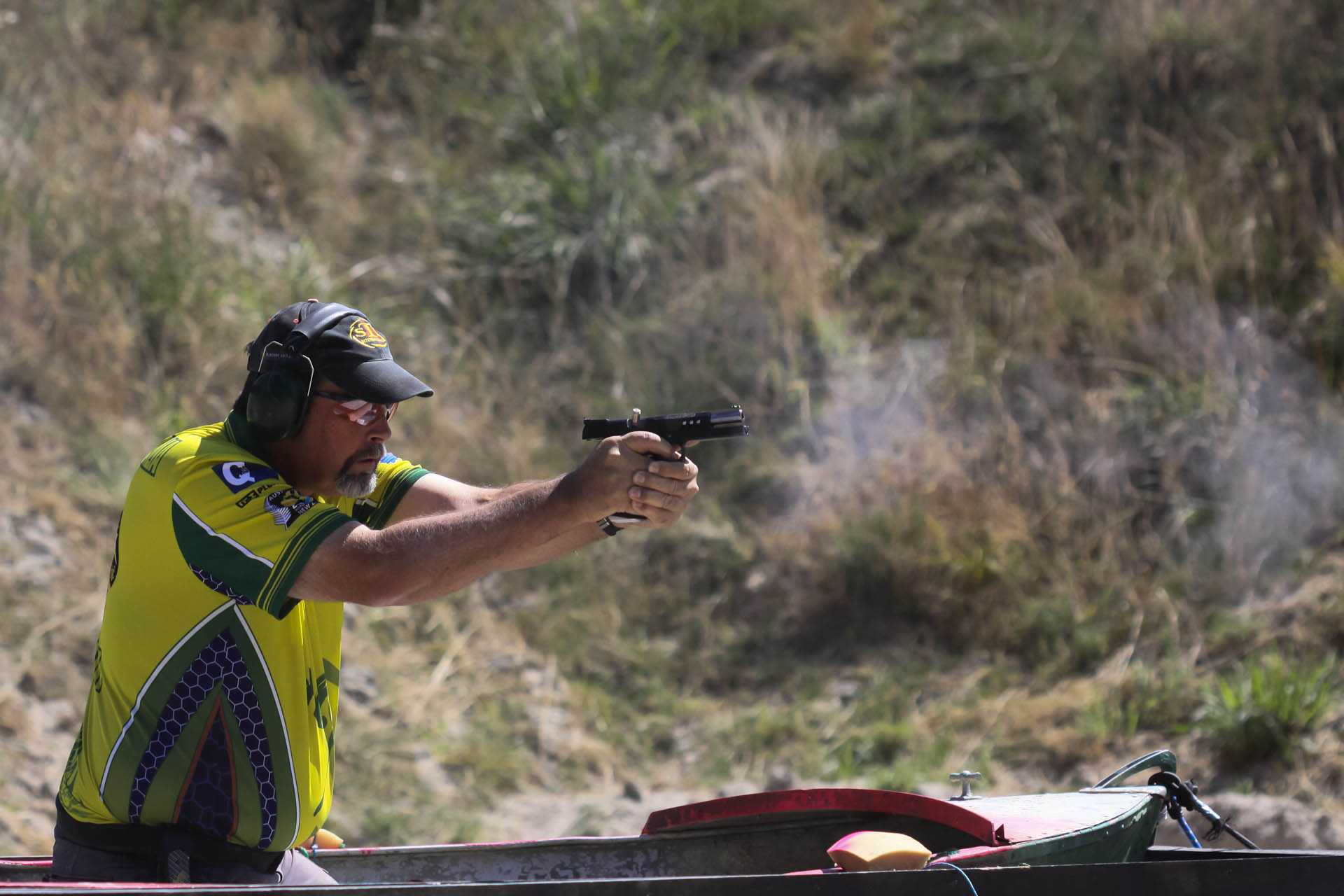
IPSC Classification Explained in 60 Seconds (BLUF)
Short answer: IPSC ranks shooters into six classes — Grand Master (95%+), Master (85–94.9%), A (75–84.9%), B (60–74.9%), C (40–59.9%), and D (under 40%). The percentage is calculated against the highest hit factor ever recorded on a standardized Classifier Stage (CLS). You need a minimum of four CLS scores to get an initial class, and after that your classification is recalculated from the best 4 of your most recent 8 results. To keep your class active, you must shoot at least one classifier match or two CLS stages each calendar year, and your class is division-specific — being an A-class in Production doesn’t make you A-class in Open.
Posts
read more
Compact Carry Pistol IPSC 2026: There's No CCP Division — Here's What to Buy Instead
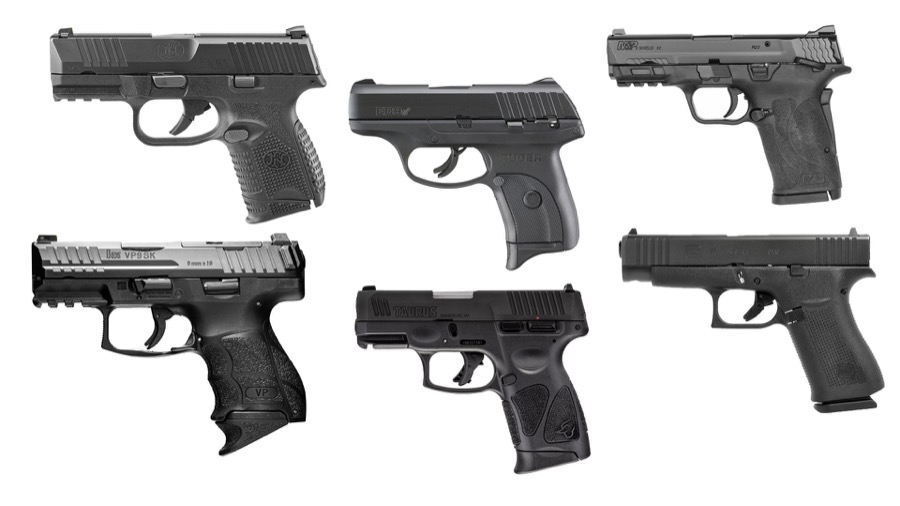
Quick Answer: IPSC Has No CCP — IDPA Does
Read this first. If you searched for “compact carry pistol IPSC division,” you’ve stumbled into one of the most common naming mix-ups in practical shooting. IPSC does not have a CCP (Compact Carry Pistol) division. That label belongs exclusively to IDPA (International Defensive Pistol Association), which created CCP in March 2023 specifically for everyday carry-sized handguns. In IPSC, you shoot a compact pistol inside the existing Production, Production Optics, or Standard divisions — there’s no compact-only category.
Posts
read more
SIG M17 vs M18 2026: Which to Buy — and Which You Can Own
SIG M17 vs M18: Which One Should You Buy? (The Three-Second Answer)
Short answer: If you are going to carry it, buy the M18 — 3.9" barrel, 7.2" overall. If you want the longer sight radius for range work and competition, buy the M17 — 4.7" barrel, 8.0" overall. That is the whole decision, because mechanically only three parts separate the two pistols: the slide, the barrel, and the recoil spring assembly. Everything else is the same gun — same Fire Control Unit (FCU), same grip height and width, and the 17-round standard magazines are fully interchangeable, as are the 21-round extended magazines.
Posts
read more
Best Shot Timer 2026: 12 Shooting Timers Tested, From a $32 Amazon Buy to the $330 Flagship
Quick Picks: The Best Shot Timer for Every Budget (2026)
Short on time? Here are the 2026 picks at a glance, then the full reasoning below.
Posts
read more
Practical Shooting Complete Beginner Guide: IPSC, USPSA, IDPA, Steel Challenge & 3-Gun Explained
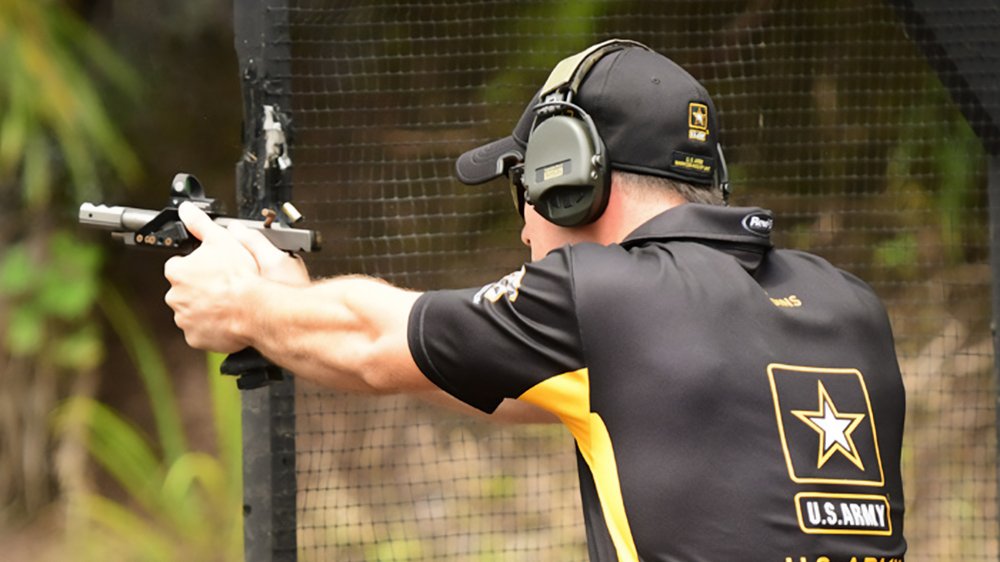
What Is Practical Shooting?
Have you ever felt that standing at a fixed position putting holes in paper targets doesn’t quite capture the full potential of shooting? Practical shooting is the concept that transforms shooting from a static skill exercise into a dynamic, fast-paced sport. In the world of practical shooting, you’re running, turning, crouching, leaning out from behind barriers, and reloading under time pressure — every second testing your speed, accuracy, and decision-making.
Posts
read more
IPSC Action Air Guide 2026: World-Class Practical Shooting with Airsoft
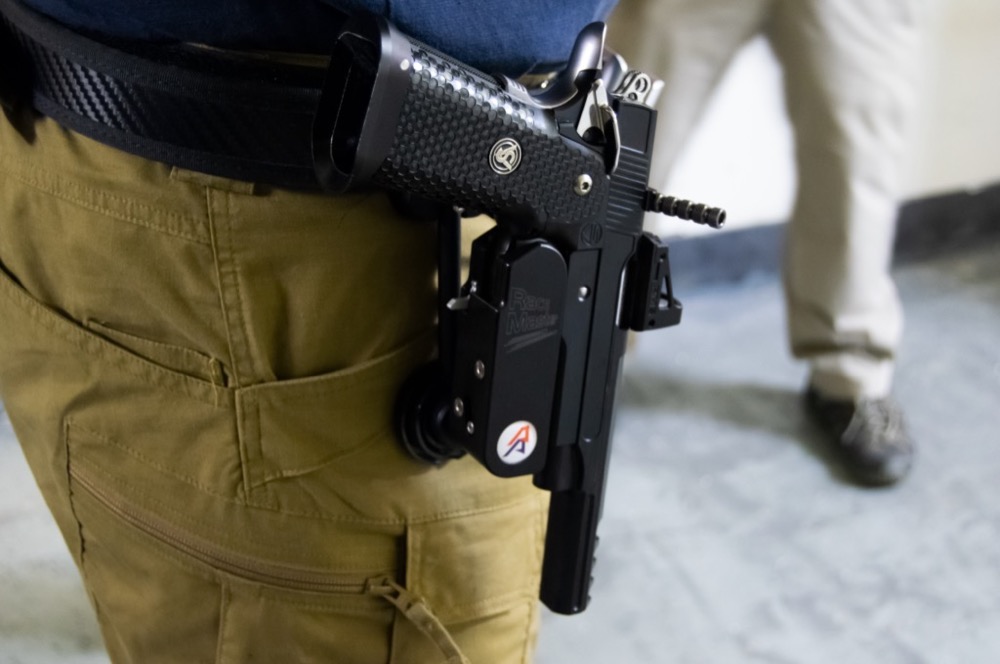
🎯 60-Second Action Air Primer
- What it is: IPSC’s official airsoft division — the same practical-shooting sport with the same Hit Factor scoring, played with GBB pistols. It has its own World Shoot, and Asia is the home field.
- Your score is half time: Hit Factor = points ÷ time. The clock literally decides half your result, which is why serious competitors train with a shot timer from day one.
- The timer is free: You don’t need a US$130–$300 hardware timer to start. The free Airsoft Shot Timer app is tuned to detect the quiet report of GBB and AEG guns and records your draw, splits, and reloads — the exact numbers that move your Hit Factor.
- Start where you are: If you already play airsoft and own a GBB handgun, you can begin training tonight at home and shoot your first match with the gear you already have.
World-Class Competition Without Real Firearms
You’ve probably heard of IPSC—the International Practical Shooting Confederation. What you might not know is that IPSC has an airsoft division called IPSC Action Air, complete with its own World Championship.
Posts
read more
Shooting Protection Gear Guide: Choosing the Right Eye and Ear Protection
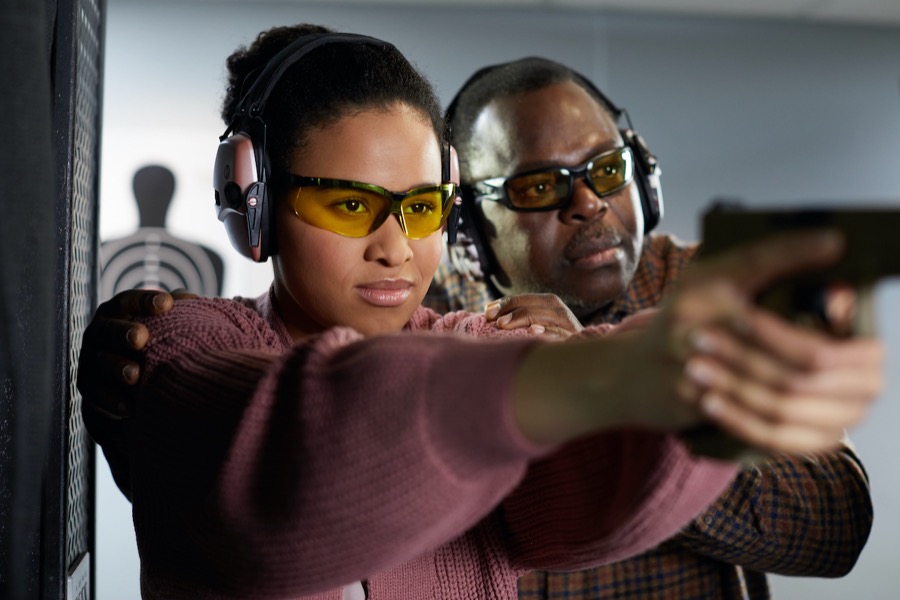
Why Protection Gear Is Your Most Important Investment
Many shooters spend weeks researching their first firearm, comparing models and prices, yet barely give a thought to their protection gear. They’ll buy a $2,000 pistol but show up to the range with free disposable foam earplugs and a pair of regular sunglasses. This approach might seem like smart budgeting, but it’s actually gambling with your most irreplaceable senses.
Posts
read more
IDPA vs USPSA 2026: Scoring, Reloads & Stage Design - Which One Should You Shoot First?
🎯 IDPA vs USPSA in 60 seconds: They differ on four things that actually matter. Scoring — IDPA adds penalty seconds to your raw time, so a hit outside the down-zero zone costs a full second; USPSA divides points by time (hit factor), so a slightly worse hit can still be the right trade. Stage freedom — IDPA tells you the engagement order (tactical priority, cover, fault lines); USPSA lets you plan the stage yourself. Reloads — IDPA won’t let you drop a magazine with rounds still in it, USPSA will, and that one rule makes them different skills. Cost — IDPA caps every string at 18 rounds and keeps 75% of a match’s shots inside 15 yards, so a local match runs lighter on ammunition (roughly $10-20 less), while the annual memberships are almost the same price: $60 for IDPA, $65 for USPSA. Which first? If you carry daily and want the concealment draw, start with IDPA. If you want raw speed and problem-solving, start with USPSA. Either way, the thing that improves fastest between matches is measured draw and reload time — a free shot timer app turns “I felt fast” into a number you can beat. Full breakdown below.
Posts
read more
Your First USPSA Match 2026: What to Bring & How Not to Get DQ'd
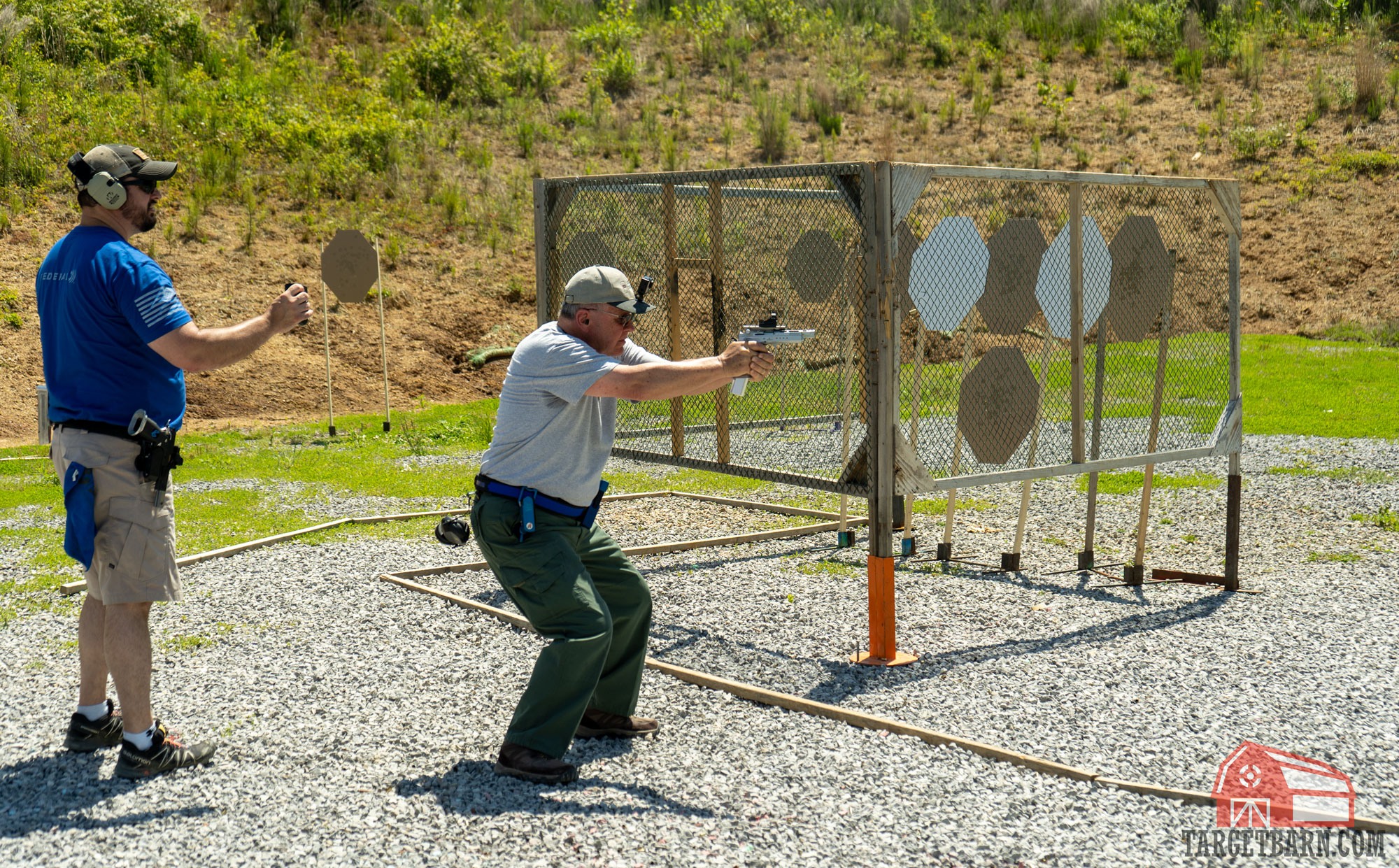
The 60-second version. You do not need a USPSA membership to shoot your first local (Level 1) match — turn up, pay the club’s entry fee (usually $20–40), and shoot. Bring 200–300 rounds, at least three magazines (five is comfortable), a belt holster that covers the trigger and points the muzzle down, plus eye and ear protection. Budget four to six hours at the range for a five-stage match. Say “this is my first match” at sign-in and ask for the new-shooter briefing and safety check — it’s the highest-value ten minutes of the day. And remember the asymmetry that defines this sport: shooting slowly or badly cannot get you thrown out, but gun handling can. The three that catch new shooters are breaking the 180 (muzzle more than 90° off the line to the backstop), a finger inside the trigger guard while moving, and dropping the gun. Membership ($65/year) only matters once you want a classification or a sanctioned match. Every rule number below is from the USPSA Handgun Competition Rulebook, edition 2026-09 (effective 1 September 2026).
Posts
read more
Glock Gen 6 Complete Guide: New Features, Gen 5 Comparison & Competition Impact
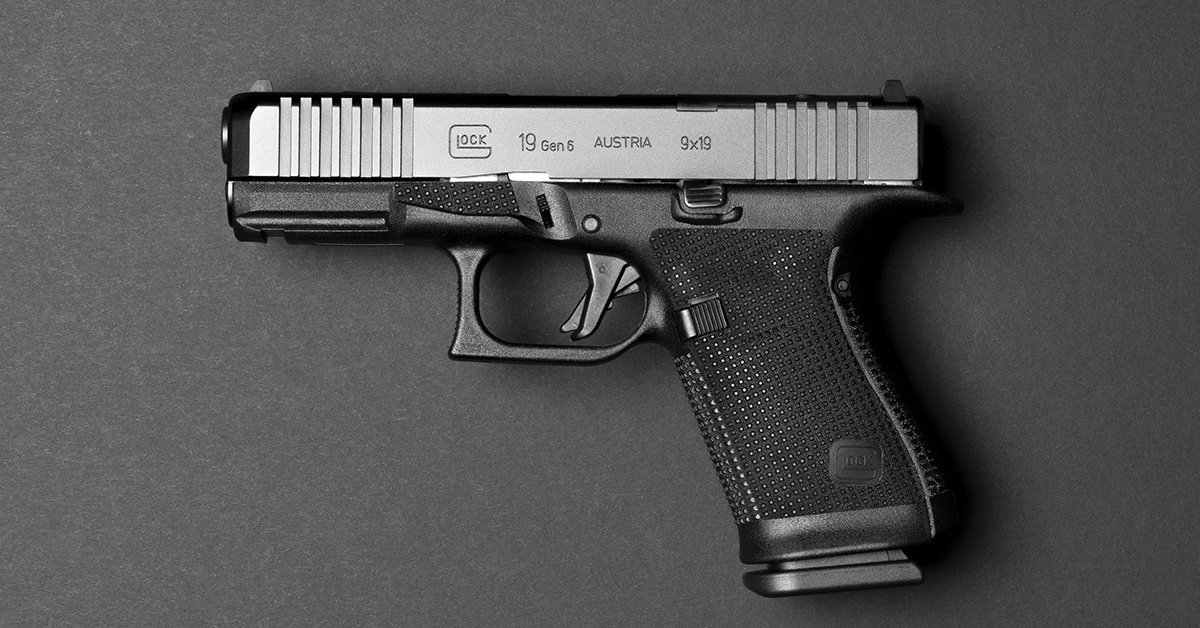
Glock Gen 6: The Most Significant Upgrade in Glock History
In December 2025, Glock officially unveiled the highly anticipated sixth-generation pistol — Glock Gen 6 — with retail availability starting January 20, 2026. This represents the most significant update since the Gen 5 launch in 2017, and many consider it the most substantial generational improvement Glock has ever made.
Posts
read more
Complete Guide to Handgun Ammunition & Caliber Selection: From Basics to Competition Shooting
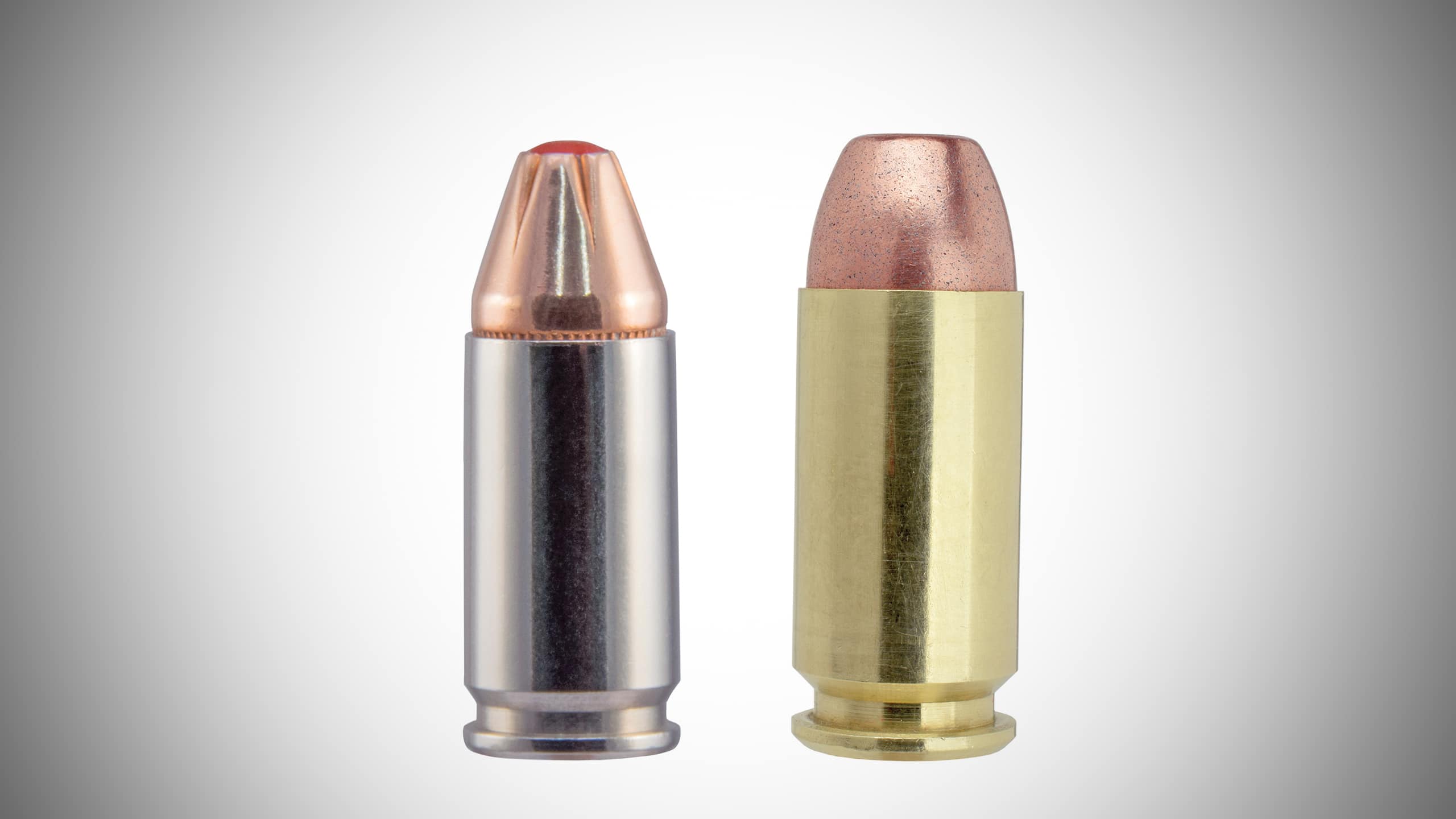
Why Does Ammunition Selection Matter So Much?
In the shooting sports world, most people focus on the firearm itself — the brand, model, and how it feels in hand — while often overlooking an equally important factor: ammunition. In reality, your ammunition choice directly affects shooting accuracy, felt recoil, training costs, and even determines whether you can legally compete in a match.
Posts
read more
Shooting Training Plan 2026: 5 Steps to Build One (+ Free Dry Fire Schedule You Can Copy Tonight)
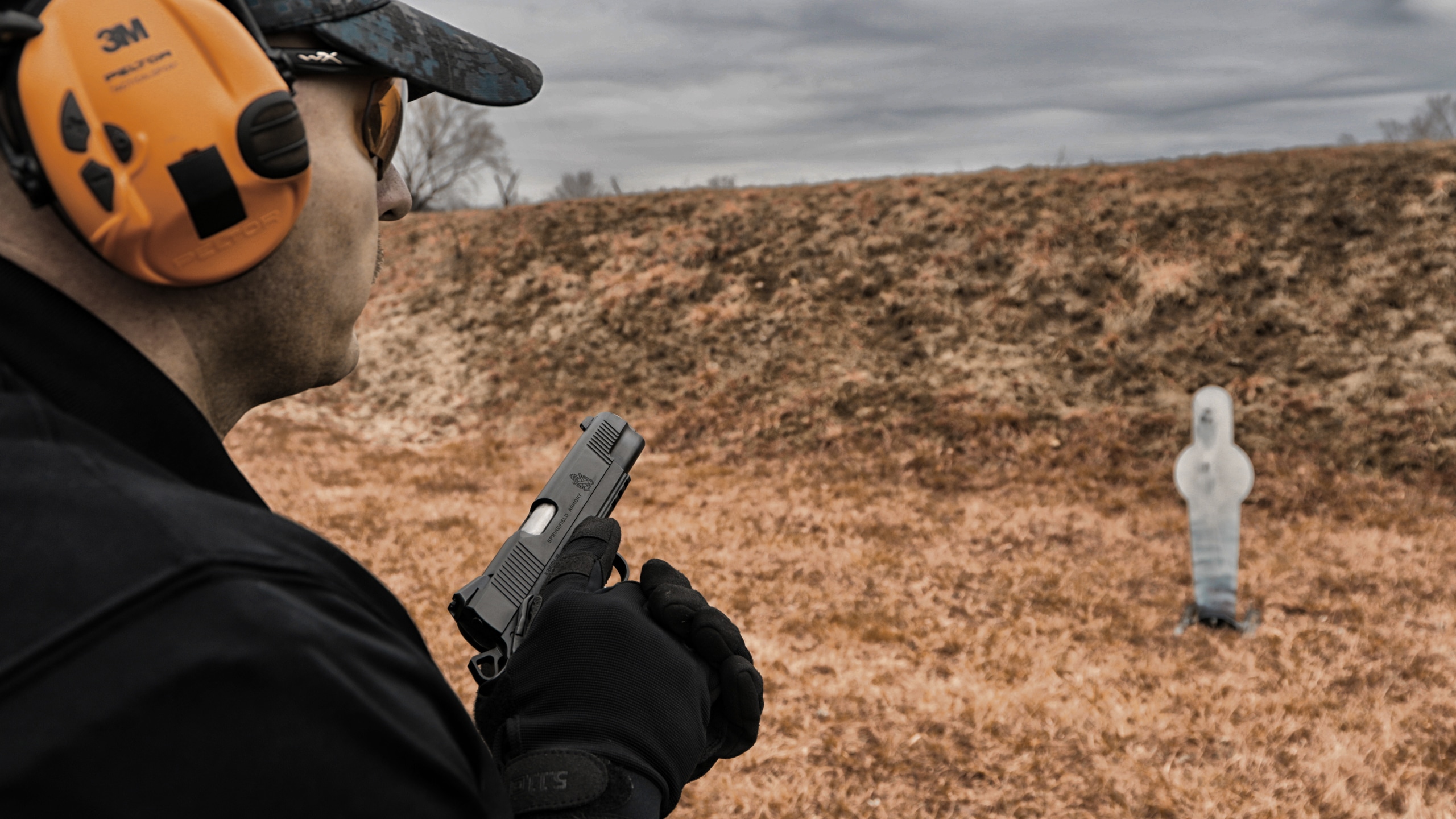
Why Do You Need a Training Plan?
“I go to the range every week, but I don’t seem to be improving.” — This is a common frustration among shooters. The problem often isn’t about not practicing enough, but rather the lack of a systematic training plan.
Posts
read more
Competition Belt Setup: Where Each Item Goes, Which Brands Fit Together, and the IDPA Rule That Voids Yours
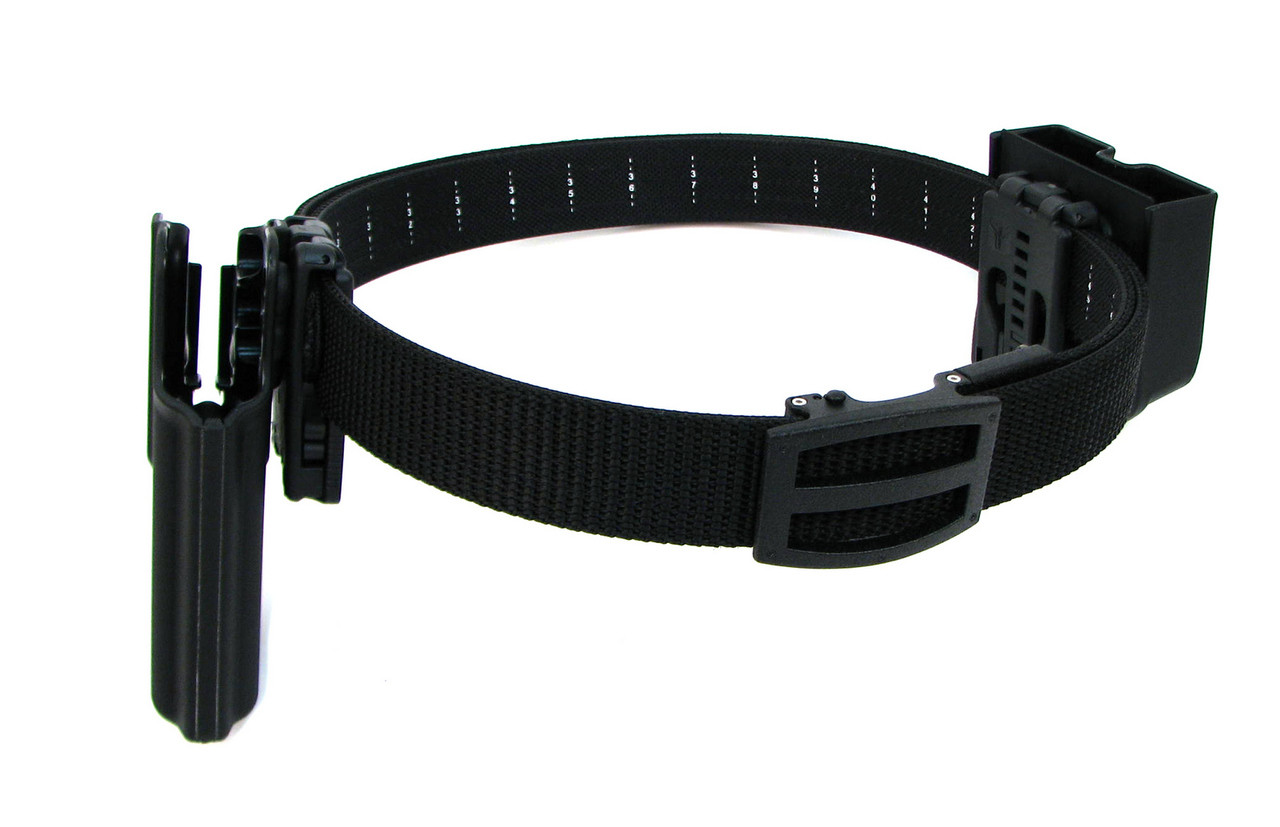
The 60-Second Answer: How to Set Up a Competition Belt
Most belt advice is a shopping list. The part that changes your times is the layout, so here is the whole thing in one pass.
Posts
read more
Mental Training for Shooting: 5 Techniques to Beat Match Pressure
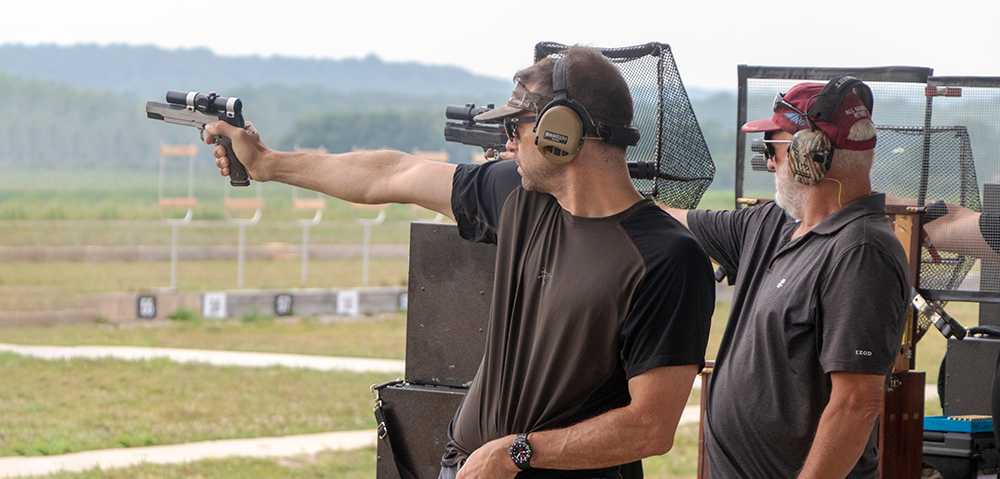
60-Second Answer: 5 Mental Techniques That Beat Match Pressure
Short answer: Mental training for shooting comes down to five core techniques — Visualization (mentally rehearse every stage), Breathing Control (use box breathing or 4-7-8 to drop your heart rate), Positive Self-Talk (cut the negative inner monologue with one trigger phrase), Focus Management (learn to pull attention back to the present), and Pre-Match Routine — the bridge that carries practice-range performance into the match.
Posts
read more
USPSA, IPSC & IDPA Holster Rules 2026: Legal Height, Position + Best Race Holsters
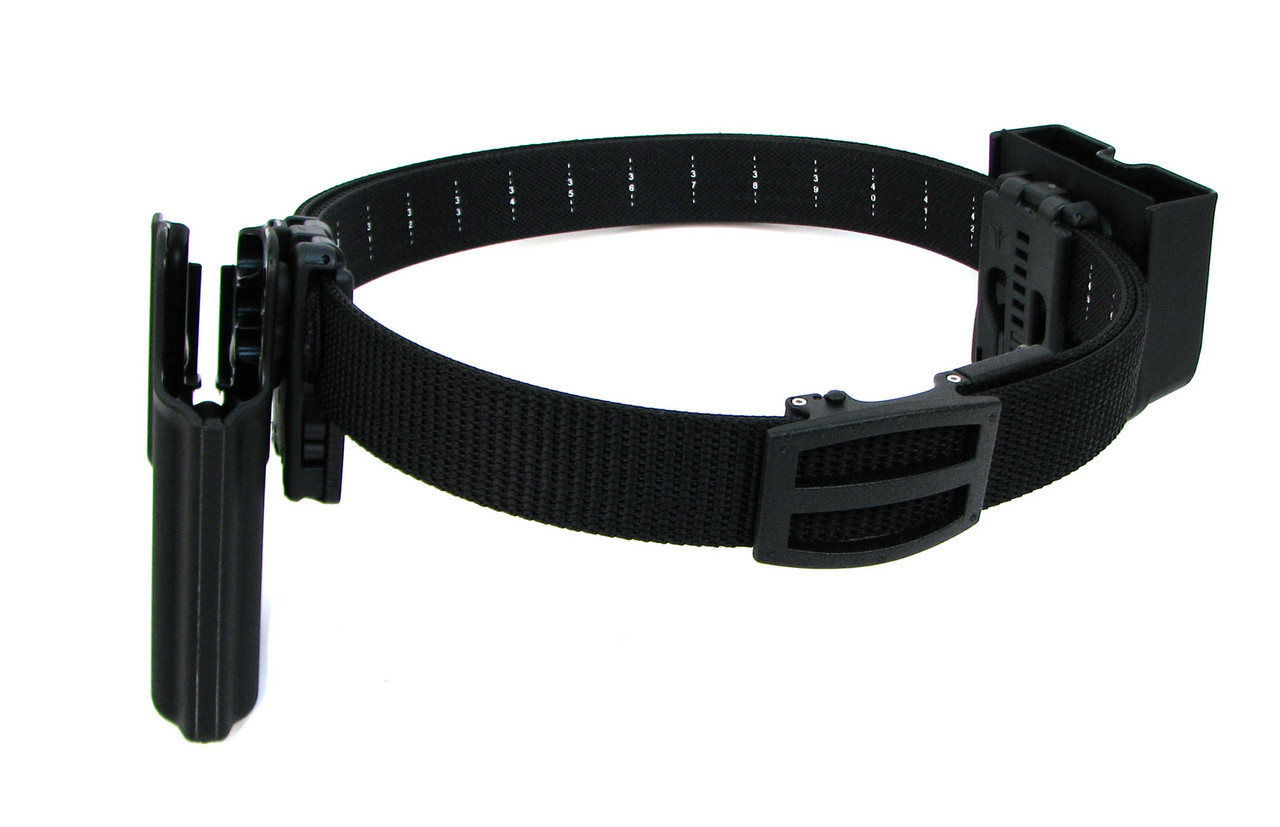
🎯 Holster Rules & Best Picks: The 60-Second Answer
The two USPSA rules that decide whether your rig is legal: the heel of the butt of the handgun must be at or above the top of your belt — in the current 2026-09 rulebook that is rule 5.2.11, not 5.2.7.2, and it applies to every division — and the gun can sit no further from the belt than 2-1/8 inches in Production, Single-Stack and Carry Optics, or 3-3/8 inches in Open, Limited, Limited-10, Revolver and Limited Optics (rule 5.2.5), measured from the outer surface of the belt to the closest point of the grip. Thigh straps are legal in USPSA — that prohibition was removed on 29 February 2024, though thigh holsters still fail the height rule. IDPA is stricter: the butt must sit clearly above the top of the belt (8.5.1.12), an OWB holster may not stick out more than 3 inches (7.62 cm) from your body measured at the top of the belt, cant is limited to vertical or muzzle-rear by no more than 15 degrees (8.5.1.6), and magnets may not be used as magazine carriers (8.6.1.3). Cross-draw, shoulder, small-of-the-back and pocket holsters are banned outright (8.5.2). IPSC is not simply “USPSA abroad”: the height rule matches word for word (5.2.7.2, Appendix E3b), but the distance limit is 50 mm in every division — tighter than any USPSA division — tie-down rigs are still prohibited (5.2.7.1), the muzzle may not point more than 1 metre from your feet (5.2.7.3), and the January 2026 edition added a seventh division, Optics. Three things most club advice still gets wrong in 2026: the USPSA height rule has been renumbered to 5.2.11, thigh straps are no longer banned, and IPSC has no “trigger guard behind the hip bone” rule — what it has is the Appendix E2 forward line, which binds Standard, Classic, Production, Production Optics and Optics but not Open or Revolver. Full numbers, division by division, are in the holster rules section below.
Posts
read more
Best Pistol Red Dot Sights 2026: Holosun vs Trijicon + How to Find the Dot Fast
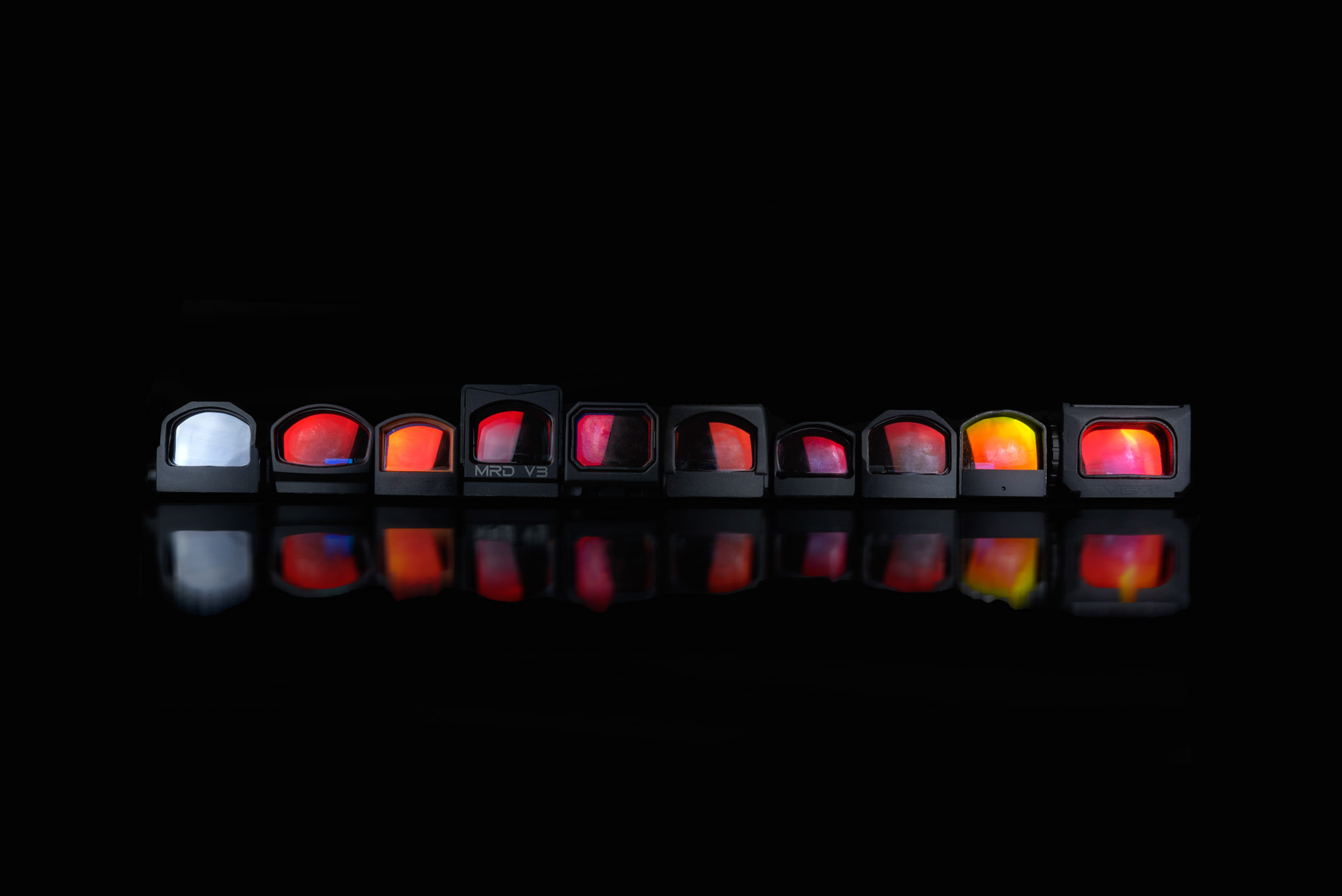
Why Red Dot Sights Are Changing Pistol Shooting
Over the past decade, pistol red dot sights (RDS) have evolved from exclusive competition gear to standard equipment for mainstream shooters. Whether for IPSC/IDPA competition, self-defense, or everyday practice, more shooters are choosing to mount red dots on their handguns.
Posts
read more
Tap Rack Bang: How Long Each Malfunction Clearance Should Take (Type 1, 2 & 3)
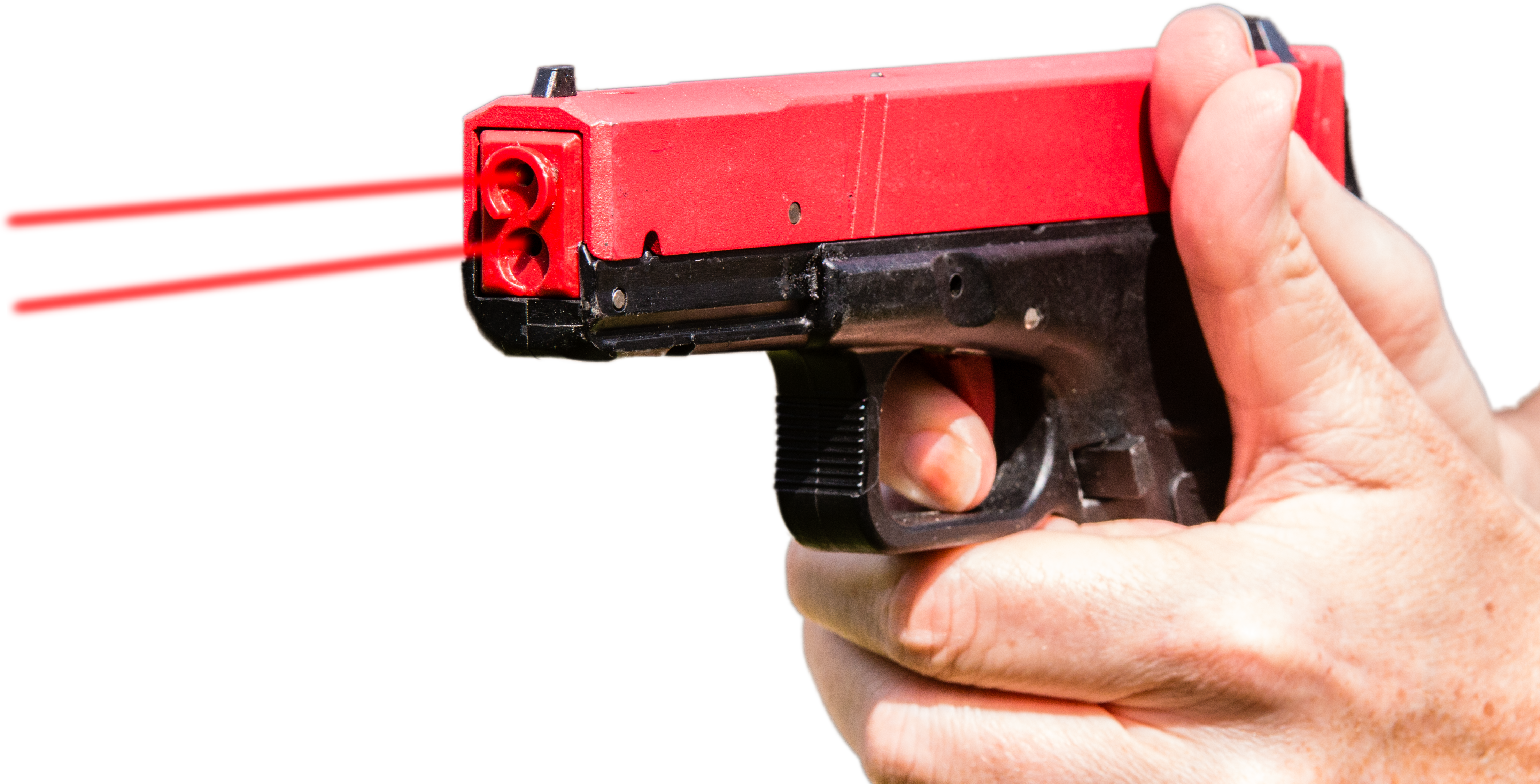
The 60-Second Answer: Tap, Rack, and When It Will Not Work
“Tap, rack, bang” is genuinely the right answer — for one of the three malfunctions you will actually meet. The reason people stand there racking a dead gun is that nobody told them what the other two feel like.
Posts
read more
Best Shot Timer App 2026: 13 Apps Tested (iPhone, Android, Airsoft)
Last year, a friend showed up to our weekly airsoft session with a $130 CED 7000 shot timer strapped to his belt. He timed his draw a few times, then spent the rest of the afternoon fighting wind-noise false triggers because the thing was designed for live-fire ranges, not GBB pistols popping at half the decibel level. Meanwhile, I pulled out my phone, opened AirsoftShotTimer, and ran twenty clean strings without a single misfire. That $130 timer went back in its box by the end of the day.
Posts
read more
Complete IPSC Beginner Pistol Guide: Production Division Handgun Recommendations & Equipment Setup
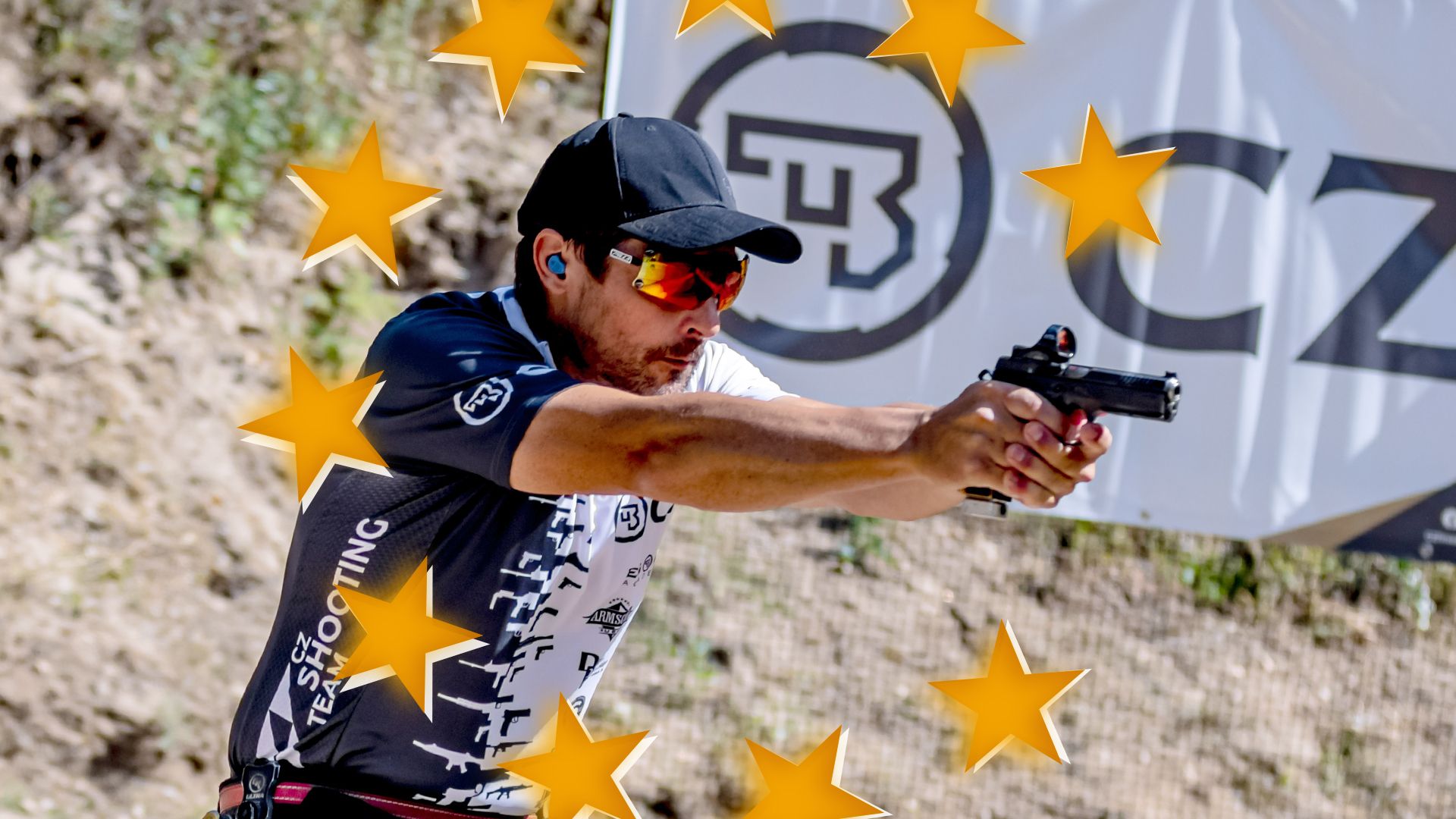
Why Production Division is the Best Starting Point for Beginners
Want to enter the world of IPSC competitive shooting but don’t know which gun to choose? Production Division is your best bet. This division is designed for “out-of-the-box” factory pistols, allowing newcomers to step onto the competitive stage with minimal budget and modifications.
Posts
read more
Average Pistol Draw Time 2026: What's Normal, What's Good, and How to Get Faster
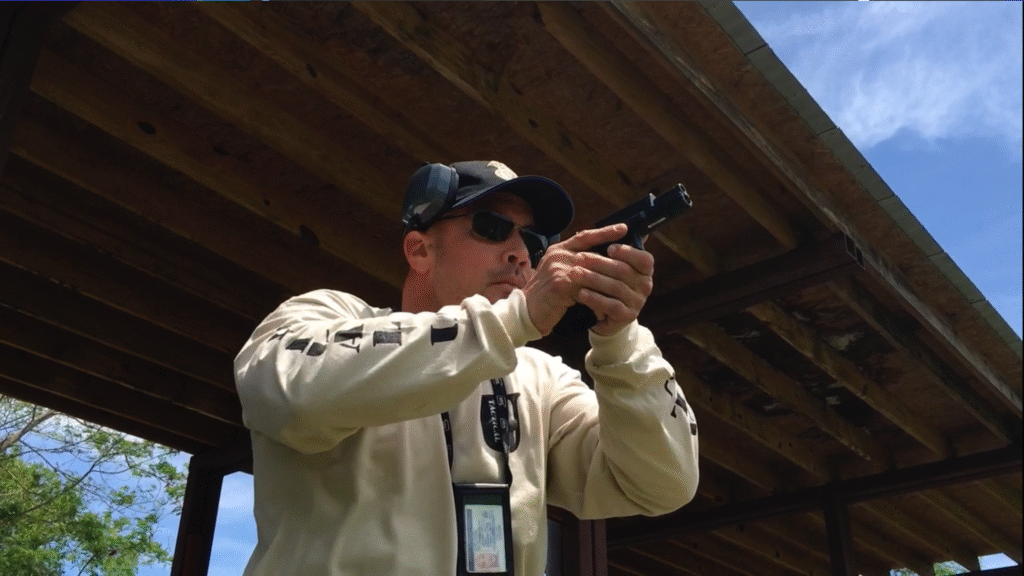
Why Is Draw Technique So Important?
In competitive shooting and defensive situations, the draw stroke is where everything begins. Whether you’re competing for first-shot advantage in IPSC or simulating defensive scenarios in IDPA, a smooth and fast draw is a fundamental skill every shooter must master.
Posts
read more
Complete Canik Pistol Guide: The Rise of Turkish Competition Handguns & Training Guide
Introduction to Canik Pistols
Canik is a Turkish handgun brand that has rapidly risen to prominence in the competitive shooting world. Operating under the Samsun Yurt Savunma (SYS) Group, Canik is renowned for its TP9 series pistols, which feature excellent factory configurations, outstanding trigger quality, and highly competitive pricing. In just a decade, Canik has grown from obscurity to become the world’s 7th largest small arms manufacturer and the top imported pistol brand in the United States.
Posts
read more
How to Grip a Pistol: Grip Pressure Numbers, Thumbs Forward & 4 Grip Styles Compared
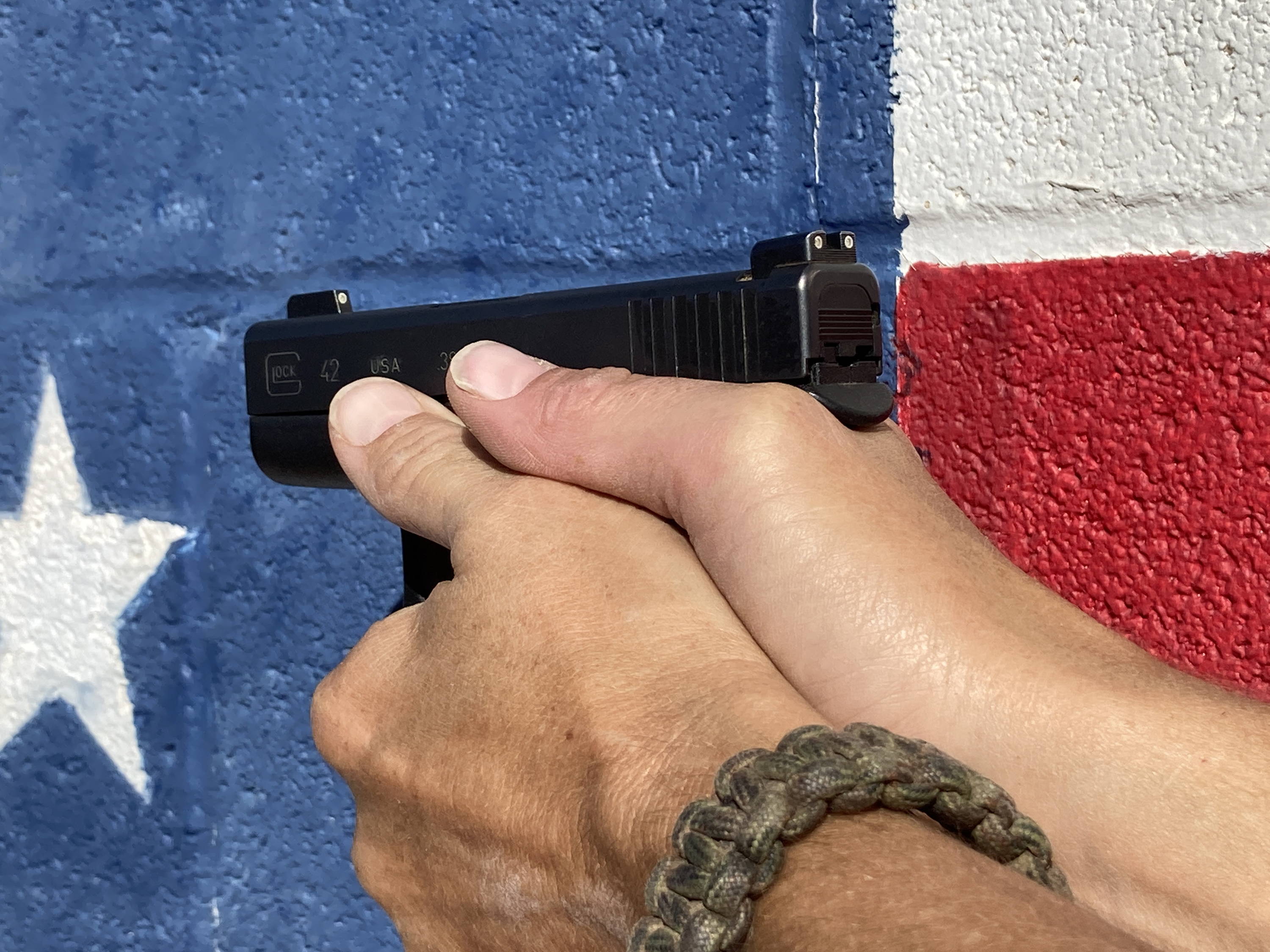
The 60-Second Answer: How to Grip a Pistol
If you only read one section, read this one. A correct two-handed pistol grip is four decisions, and all four have specific answers.
Posts
read more
FN 509 Complete Guide: Military-Grade Pistol & Training Guide
FN 509 Introduction
The FN 509 is a polymer-frame striker-fired pistol manufactured by FN America, the U.S. subsidiary of legendary Belgian firearms manufacturer FN Herstal. Released in 2017, this pistol originated from FN’s submission to the U.S. Army’s XM17 Modular Handgun System (MHS) competition. Although it lost to the SIG P320, the FN 509 underwent rigorous testing with over one million rounds of ammunition, proving itself as a reliable, accurate, and feature-rich tactical pistol.
Posts
read more
Complete Guide to Shooting on the Move: Dynamic Pistol Techniques
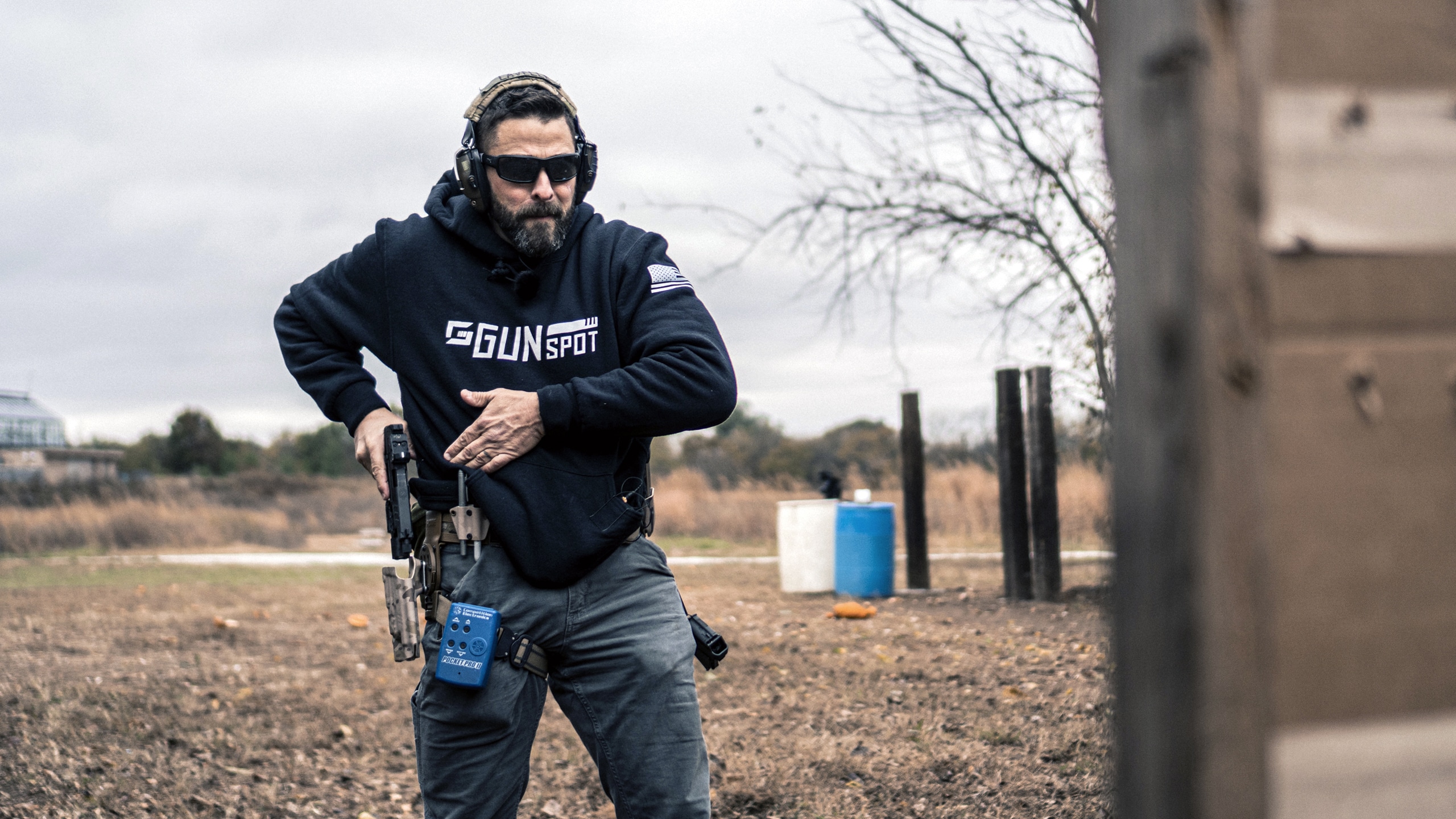
Why is Shooting on the Move an Essential Skill for Advanced Shooters?
Shooting on the move is the key ability that elevates your shooting skills from static to dynamic. In IPSC competitions, shooters who can engage targets while moving often save precious seconds; in tactical situations, a stationary shooter is the easiest target to hit.
Posts
read more
Complete Guide to Shooting Breath Control: Natural Respiratory Pause and Tactical Breathing Techniques
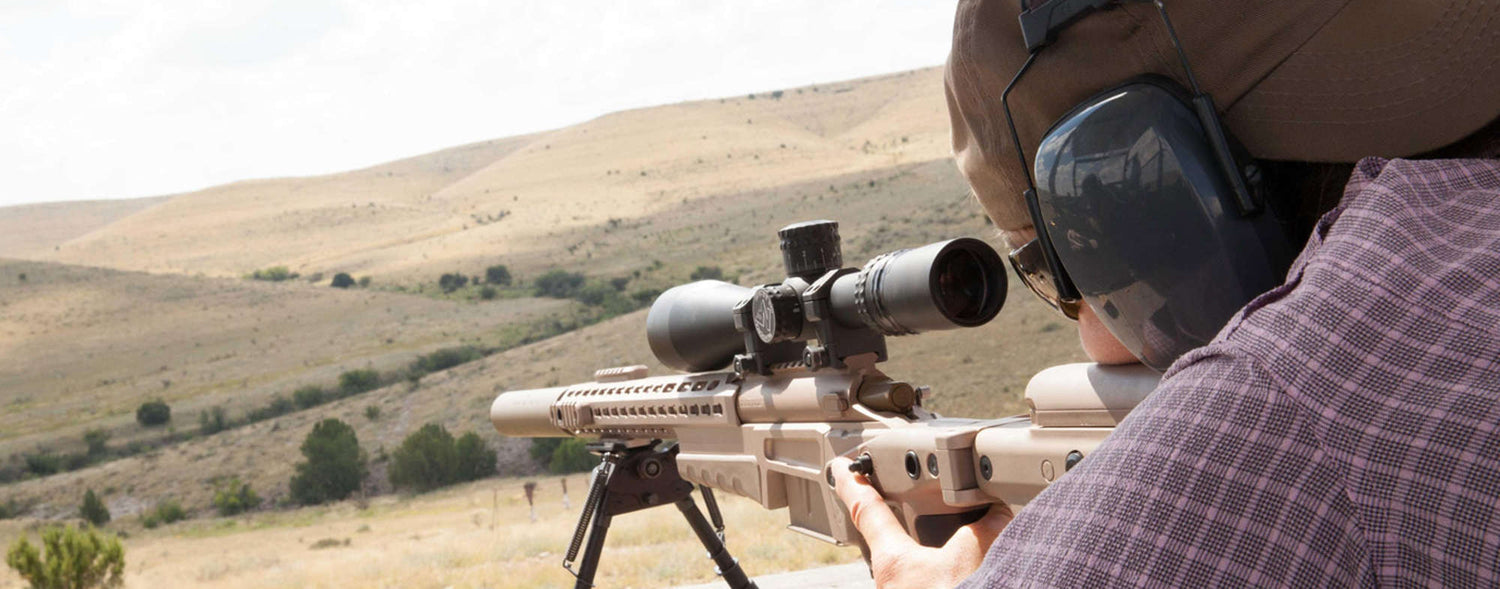
Why Is Breath Control a Critical Element in Shooting?
Breath control is a crucial shooting technique that’s often overlooked. Many shooters focus on stance, grip, and trigger control while forgetting a fundamental fact: every breath causes your body to move, which affects where your muzzle points.
Posts
read more
Trigger Discipline & Trigger Control: The Complete Pistol Guide
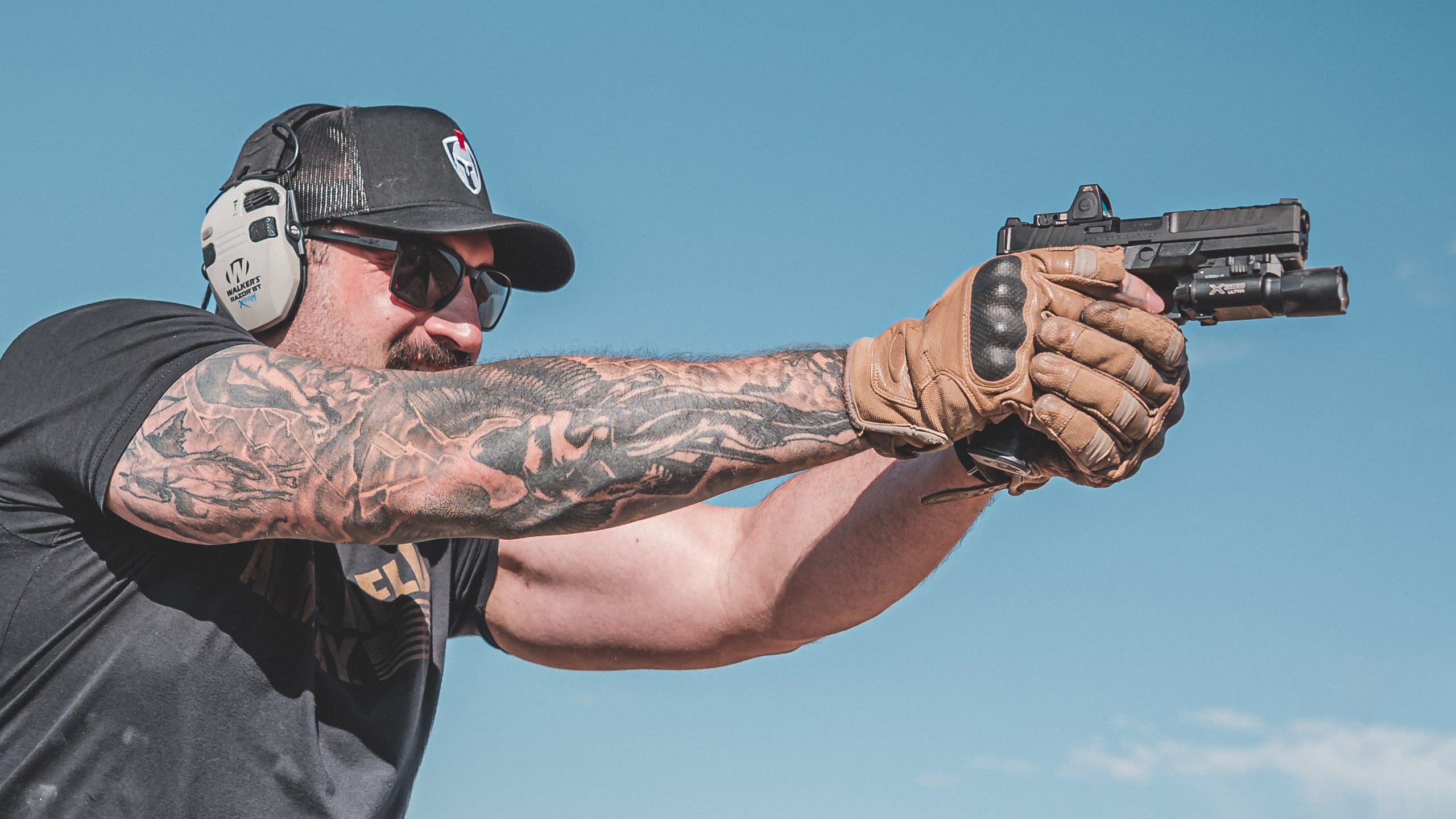
Why Is Trigger Control the Final Mile in Shooting?
Trigger control is the final mile in achieving accurate hits. Even if your stance is perfect, your grip is stable, and your aim is precise, if the muzzle moves during the trigger press, the bullet will miss its target—all your effort wasted.
Posts
read more
How to Aim a Pistol: The 4 Sight Pictures, Where to Focus Your Eye, and Red Dot vs Irons
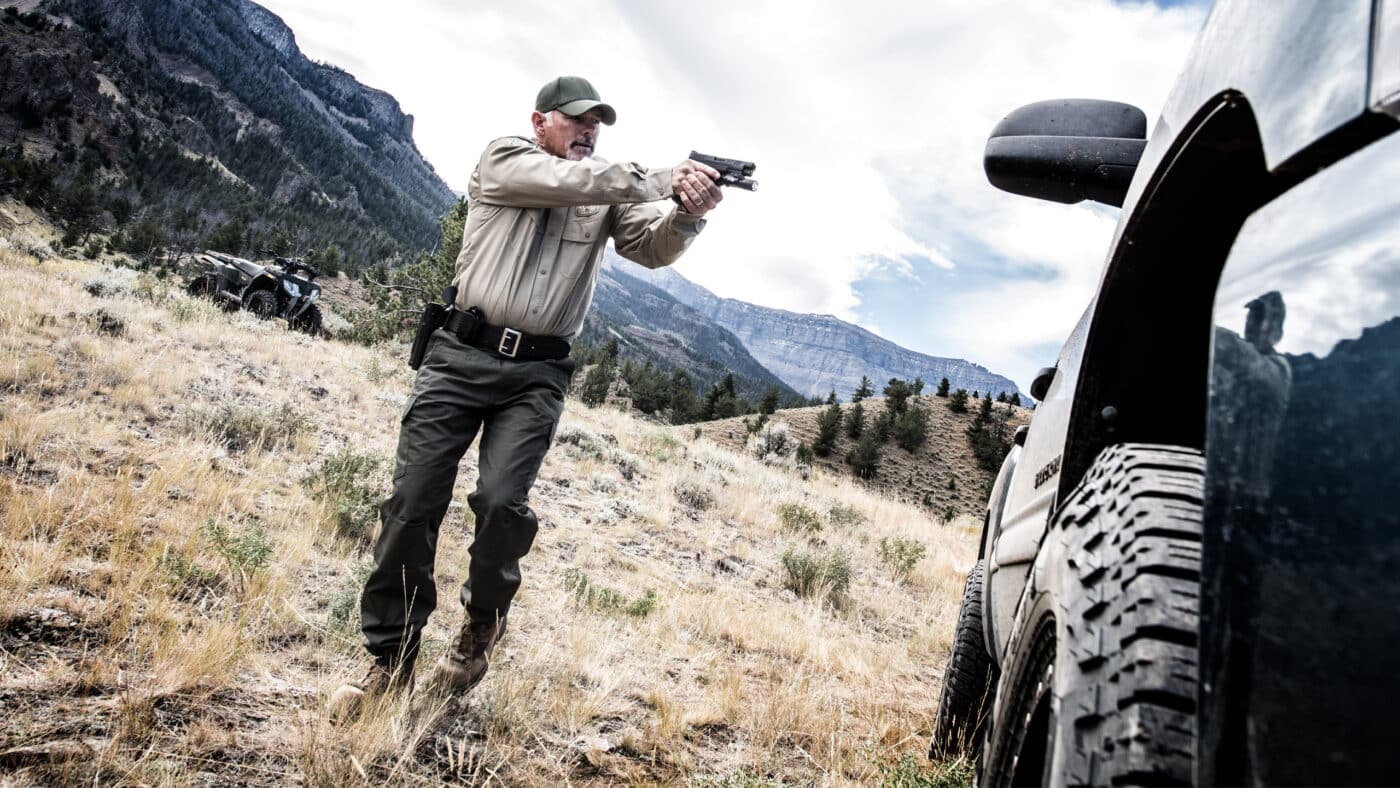
The 60-Second Answer: How to Aim a Pistol
Aiming is two separate problems that get taught as one, and separating them fixes most people’s groups.
Problem one is sight alignment — the relationship between the front sight and the rear notch, independent of the target. Front sight centred left-to-right in the notch, top edge level with the top of the notch. This is the part that must be perfect, because an error here multiplies with distance: a front sight sitting one notch-width off throws the shot several inches at 10 yards and roughly a foot at 25.
Posts
read more
Weaver vs Isosceles Stance: Which Pistol Shooting Stance Wins in 2026 (and Why)
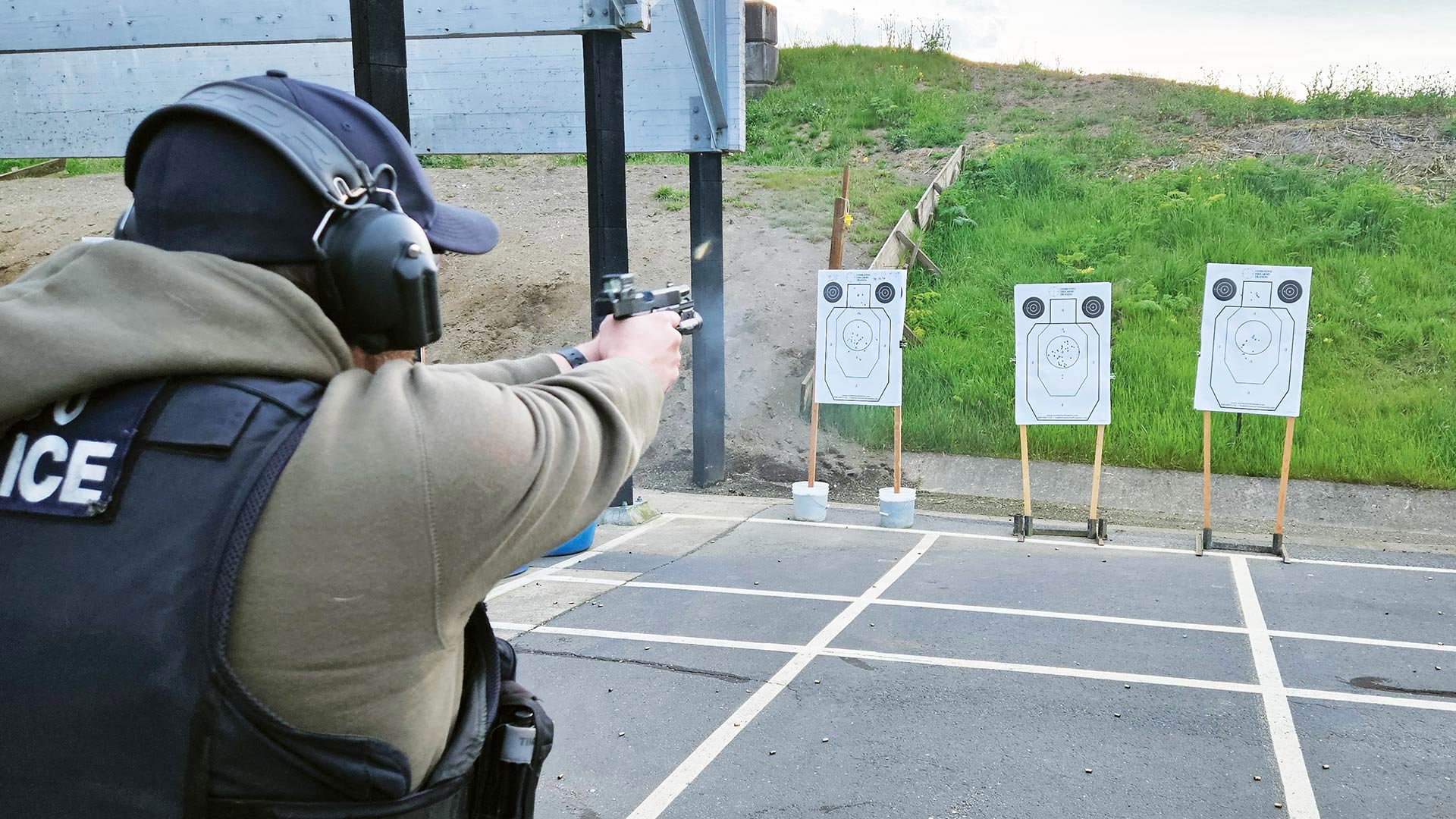
Weaver vs Isosceles in 60 Seconds
If you only read one paragraph, read this one. The Weaver stance is bladed, with the gun-side foot back, both elbows bent and a push-pull tension between the hands. The Isosceles stance is squared to the target with both arms pushed out so they form a triangle with your chest. The Chapman (or modified Weaver) keeps the bladed feet but locks the gun arm straight like a rifle stock. The Modern Isosceles keeps the squared chest, staggers the feet slightly, drops the shoulders in front of the hips and softens the elbows. That last one is what you will see on nearly every IPSC, USPSA and Steel Challenge winner today, and it is what we recommend you build first.
Posts
read more
Springfield XD Review 2026: Is the Croatian Wonder Pistol Still Worth Buying? Complete Buyer Guide to All Models (XD, XDM, XD-S, Echelon, XD Mod.4)
60-Second BLUF: Is the Springfield XD Still Worth Buying in 2026?
Short answer: yes — but only if you pick the right variant. The classic XD/XDM Elite still earns its keep as a dual-safety striker pistol with a 1911-style grip angle and one of the cleanest factory triggers in the price bracket (META trigger on Elite models). For 2026 buyers, however, the smart money is shifting toward the Echelon family — especially the brand-new Echelon 4.0FC (full-size frame + compact slide, announced as a 2026 carry pistol) and the Echelon 4.0C Comp. At EnforceTac 2026 Springfield also confirmed the XD Mod.4, a refresh of the original duty-size XD that finally brings optics-cut slides and the META trigger down to the entry-level XD tier.
Posts
read more
HK VP9 Complete Guide: German Premium Striker-Fired Pistol & Training Guide
HK VP9 Introduction
The HK VP9 (known as SFP9 in Europe and Canada) is a polymer-framed striker-fired handgun released by legendary German manufacturer Heckler & Koch (HK) in 2014. VP stands for “Volkspistole” (People’s Pistol), and 9 represents the 9mm caliber. This pistol is widely recognized as “one of the best out-of-the-box striker-fired pistols,” renowned for its exceptional trigger quality, outstanding ergonomics, and German craftsmanship.
Posts
read more
IPSC Range Commands 2026: All 8 Official Commands, the 1-4 Second Standby Rule & Your First Match
🎯 The 60-Second Answer
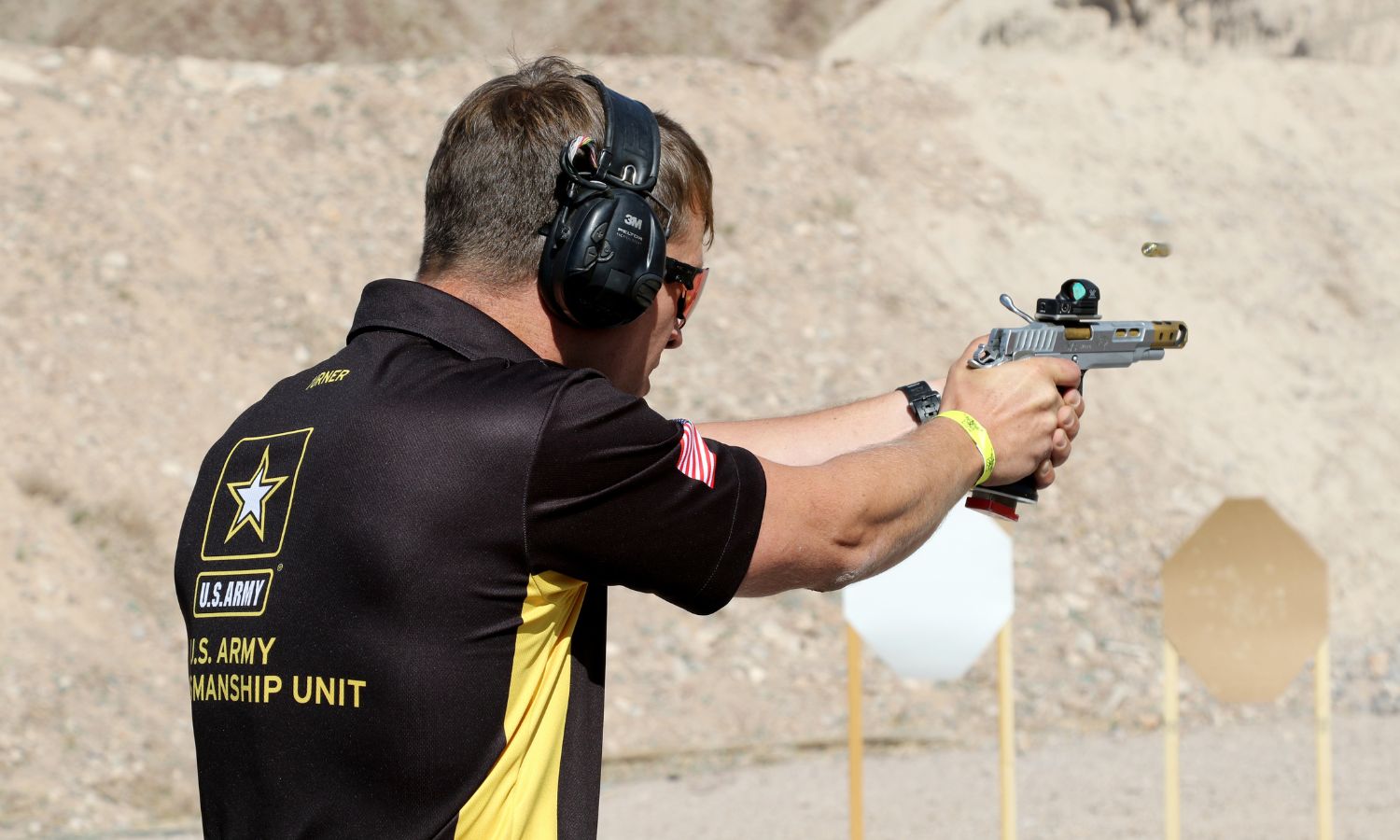
The eight official IPSC range commands, in order (Section 8.3, IPSC Handgun Competition Rules, January 2026 Edition):
- “Load And Make Ready” — or just “Make Ready” if the stage starts unloaded (8.3.1)
- “Are You Ready?” — silence means yes; say “Not Ready” if it is not (8.3.2)
- “Standby” — one word, and the beep follows within 1 to 4 seconds (8.3.3)
- “Start Signal” — the beep itself is an official command (8.3.4)
- “Stop” — any RO on the stage, at any time (8.3.5)
- “If You Are Finished, Unload And Show Clear” (8.3.6)
- “If Clear, Hammer Down, Holster” (8.3.7)
- “Range Is Clear” — nobody moves downrange before this (8.3.8)
Three things that will cost you: creeping after “Standby” is 1 procedural penalty under Rule 10.2.6. Reacting to the beep and then stopping without an official time recorded gives you zero time and zero score for the stage (8.3.4.2). And only the RO’s timing device counts as your official time (9.10.1) — your own timer never does.
Posts
read more
Walther PDP Review 2026: Best Striker-Fired Pistol? Complete Guide to All Models (Pro, F-Series, Match)
Walther PDP Overview
The Walther PDP (Performance Duty Pistol) is a revolutionary striker-fired handgun released by the legendary German firearms manufacturer Walther in 2021. As the evolution of the iconic PPQ series, the PDP combines a world-class trigger system, exceptional ergonomics, and high modularity, earning its reputation as “the best striker-fired pistol out of the box.” Five years in, the lineup has expanded to six core variants (Compact, Full Size, Pro, Match, F-Series, Steel Frame) — and choosing the right one for 2026 is where most buyers stumble.
Posts
read more
Pistol Reload Times 2026: Average, Fast & Sub-1.5s (Speed vs Tactical)
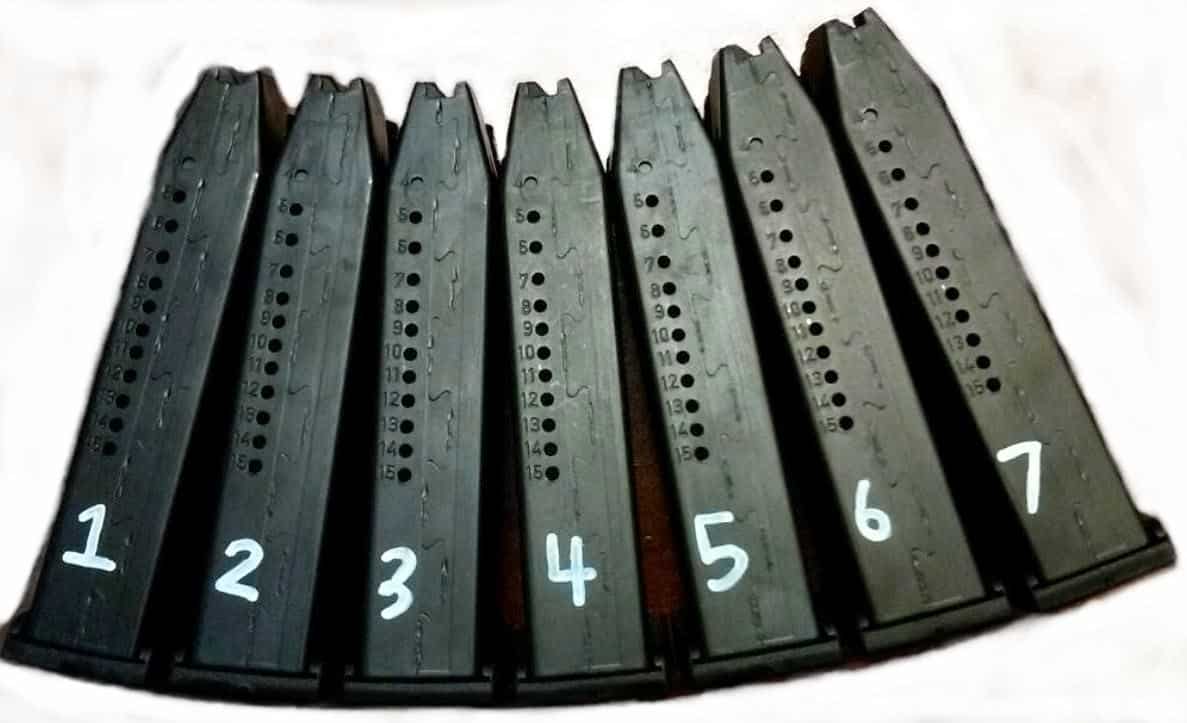
How Fast Is a Pistol Reload? Average vs Good
The honest answer almost nobody gives you: a typical shooter with a belt-mounted magazine pouch runs about 2.5 to 3 seconds from the shot that empties the gun to the shot that follows the reload. That number is not a target, it is a description — it is roughly what you get when someone who shoots a few times a year drops a magazine, finds a fresh one, and gets back on the sights. The widely repeated “under 3 seconds is a pretty good benchmark” you will find on carry forums is describing the same population, and in the competition-shooting corners of the internet people practising deliberately report averaging around 2.5 seconds from belt to shot.
Posts
read more
IPSC Production Optics Guide: Complete Red Dot Competition Shooting Tutorial
What is IPSC Production Optics?
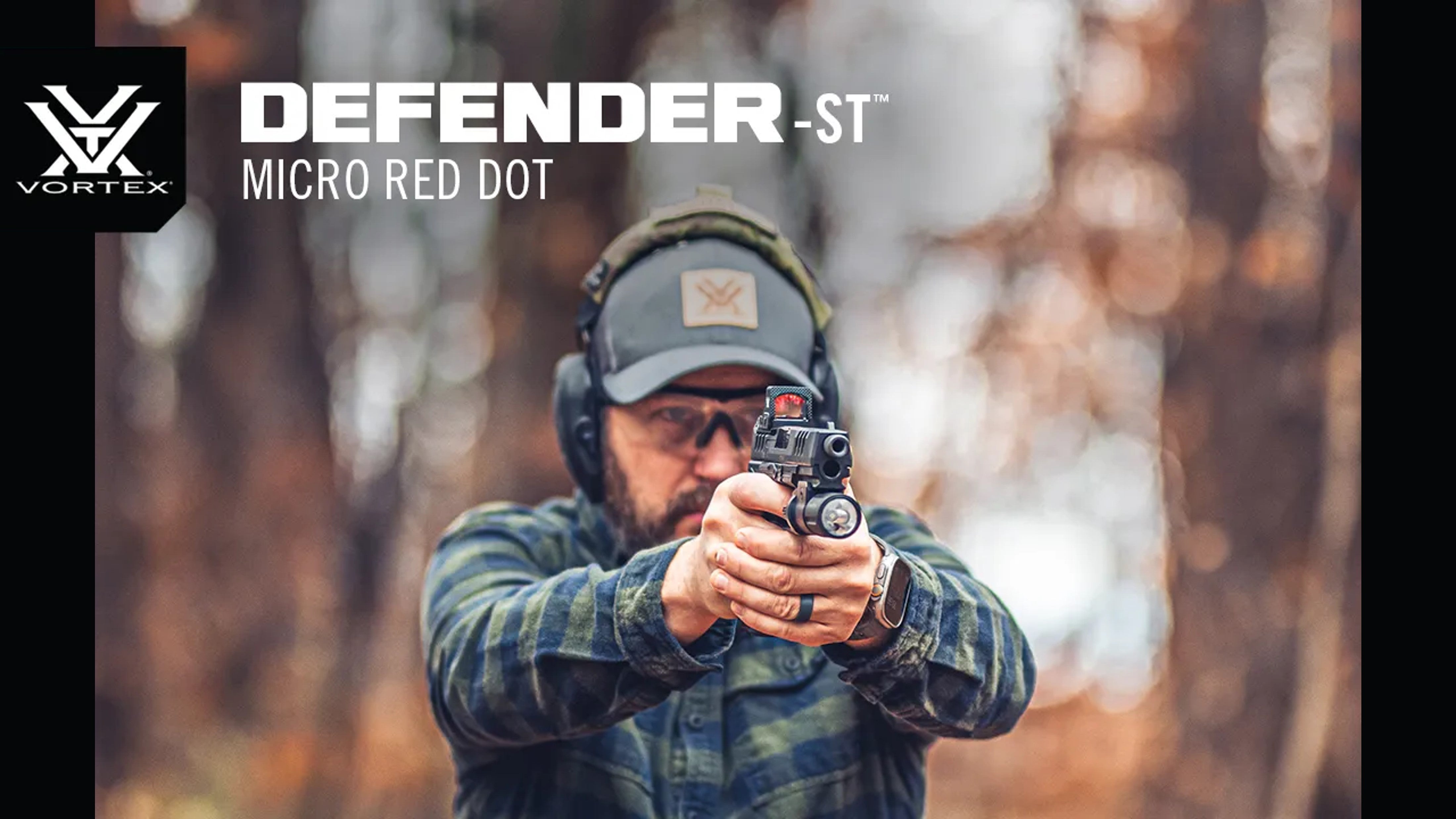
IPSC Production Optics (PO) is one of the most popular divisions in IPSC practical shooting. This division combines the handgun specifications of the Production division with the mandatory use of red dot sights, allowing shooters to enjoy the fast aiming advantages of modern optical sights while maintaining the reliability of factory pistols.
Posts
read more
Glock 19 vs Glock 17 Complete Comparison: Size, Performance & Best Uses
Glock 19 vs Glock 17: The Ultimate Showdown of Two Classic Pistols
Within the Glock pistol family, the Glock 17 and Glock 19 are undoubtedly the two most popular models. Whether you’re law enforcement, military personnel, competitive shooter, or civilian enthusiast, these two pistols are among the top choices. But which one should you choose? This article provides an in-depth comparison from every angle to help you make the best decision.
Posts
read more
CZ Shadow 2 Review 2026: Best IPSC Production Pistol & Setup
60-Second BLUF: Is the CZ Shadow 2 Worth Buying in 2026?
Short answer: yes, the CZ Shadow 2 is still the benchmark pistol for IPSC/USPSA Production division in 2026 — and it has quietly become the most versatile platform in the class. The same family now runs Production, Standard, Production Optics, Carry Optics, and Precision Bullseye depending on which variant you pick (Standard, OR, Orange, Target 6, Carry, Compact). The legendary SA/DA trigger, 1,280 g all-steel frame, and CZ 75 slide-inside-frame architecture deliver the lowest bore axis and most stable platform in its price tier ($1,200–$2,000), and unlike striker-fired rivals it lets you train Production and Carry Optics from the same gun with minor configuration changes.
Posts
read more
SIG P320 Review 2026: 7 Models + M17 vs M18 & Recall Update
SIG P320 Complete Guide 2026: All 7 Models, M17 vs M18 & Safety Update
The SIG Sauer P320 in 2026 is two stories in one — a genuinely brilliant modular pistol that still serves the U.S. Army, and the subject of over 100 active lawsuits alleging it can fire without anyone touching the trigger. This guide covers the entire P320 family (Full Size, Compact, Carry, X-Five Legion, M17, M18, AXG, XTEN), the head-to-head M17 vs M18 differences that confuse most first-time buyers, the 2025–2026 recall/lawsuit landscape including the IDPA ban and ICE departure, and finally — for shooters who want to train without burning live ammo — the SIG-licensed VFC ProForce M17/M18 airsoft replicas and how to use them for draw, reload, and Bill Drill practice with the AirsoftShotTimer app.
Posts
read more
IPSC Training Guide 2026: Best Starter Pistols, Classification Path & Hit Factor Explained
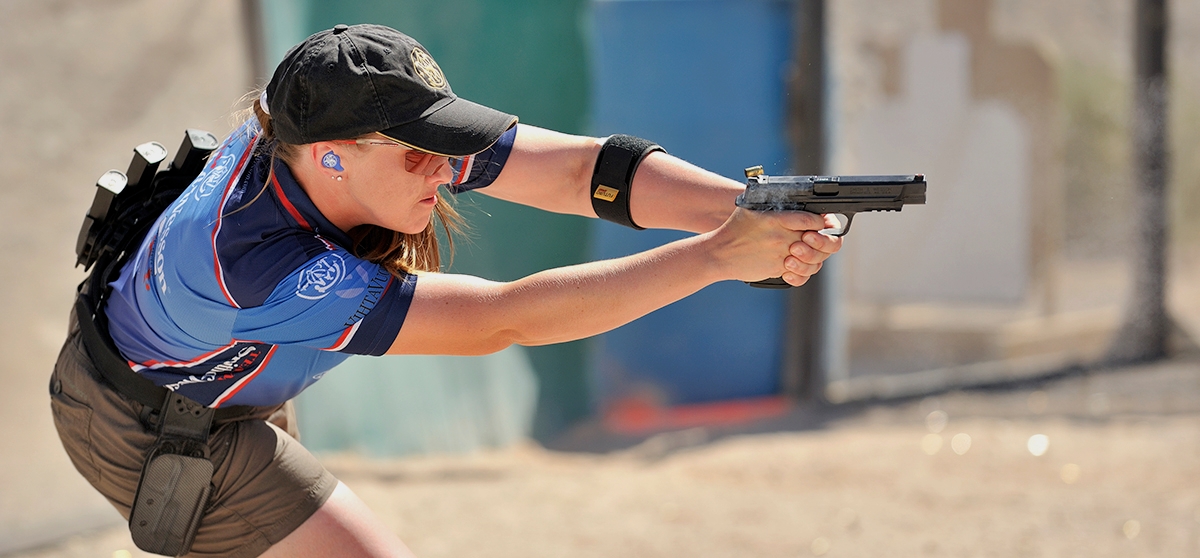
What is IPSC?
⚡ Quick Answer (if you’re in a hurry)
- What it is: A dynamic shooting sport blending speed, accuracy, and power, scored by Hit Factor (points ÷ time). The motto is DVC.
- Which division to start in: Begin in Production — the tight equipment rules force you to build real fundamentals instead of buying skill.
- Best starter pistol: Glock 17/34 for reliability and parts, then CZ Shadow 2 (ergonomics) or SIG P320 (modularity). Airsoft players on a budget can start with a Tokyo Marui Hi-CAPA or Glock GBB.
- How to practice at home: 10 minutes of daily dry-fire plus airsoft stage walk-throughs, logged with the free Airsoft Shot Timer app PAR mode to track draw and split times.
Jump to Starter Pistol Selection for gun picks, or Training with AirsoftShotTimer to start drilling.