AMG Shot Timer Review & Instructions 2026: Commander vs Sidekick Setup Guide
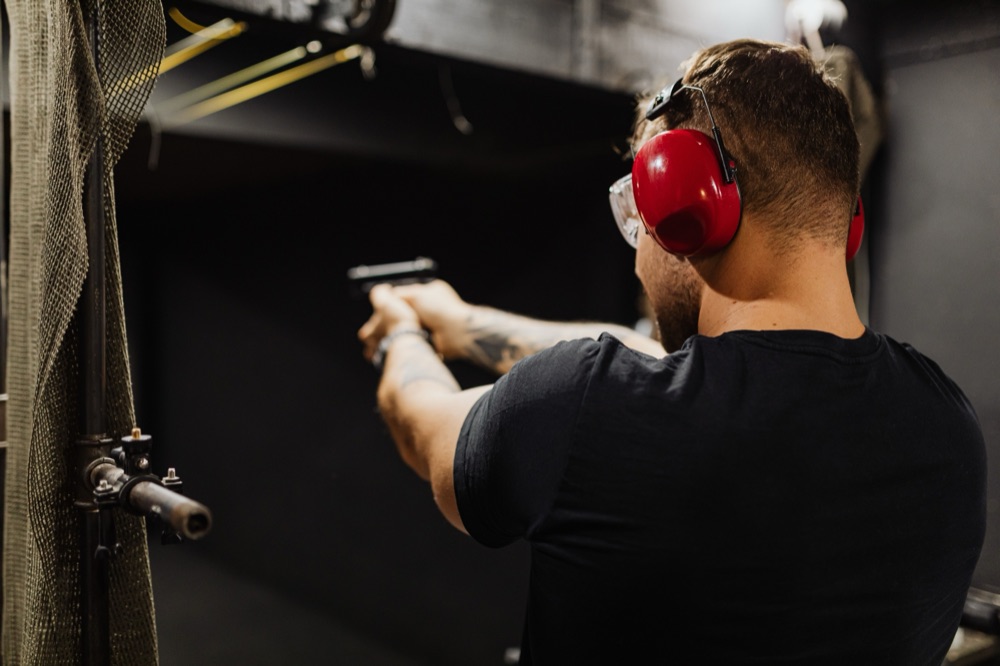
The first time you notice an AMG timer at a USPSA match, it usually isn’t because it looks good. It’s the sound. You’re wearing plugs under muffs, your eyes are locked on the first target, your brain has gone completely blank — and that 105dB beep still punches through both layers of hearing protection and lands squarely in your skull. That’s the moment you start to understand why people are willing to wait three months for a shot timer.
Then you get home, search “AMG shot timer,” and things get complicated. The official store lists it at $189 and marks it BACKORDER. Forums are split between people calling it essential and people writing long posts about clunky menus and endless shipping delays. You go looking for its app and Google hands you something called PractiScore, which doesn’t look like an AMG product at all — because it isn’t.
Then the timer finally arrives and you open the box to find no manual in it at all.
This guide sorts all of that out: how the Commander and Sidekick actually differ, the full setup instructions AMG doesn’t put in the box — button logic, presets, random start delay, echo delay and how to read the display — what the much-searched “AMG shot timer app” really is, how to pair the Bluetooth so you don’t waste an afternoon like most first-time owners do, and the practical question underneath it all: whether this thing is still worth buying in 2026.
Who Is AMG Lab, and Why Did USPSA Pick Them?
The shot timer market is tiny, and for years it ran on a handful of old names: CED, PACT, Competition Electronics. Those timers are reliable, but underneath they’re products from over a decade ago — buttons, an LCD, one beep, done. You’d shoot a full practice session and every number you generated lived on that little screen until you switched it off.
AMG Lab came in with a smart angle: put Bluetooth in, and don’t charge flagship money for it. The Commander then picked up the official timer of USPSA designation, which did more for its sales than any advertising could — because USPSA scores matches on PractiScore, and the Commander pushes every shot time straight into it. For a Range Officer, that means one less number to transcribe and one less chance to transcribe it wrong.
That official blessing, combined with a $160-189 price that isn’t outrageous, took AMG from a brand nobody had heard of to one of the most common timers on USPSA and Steel Challenge squads in just a few years.
Commander vs Sidekick: The Two Timers Everyone Confuses
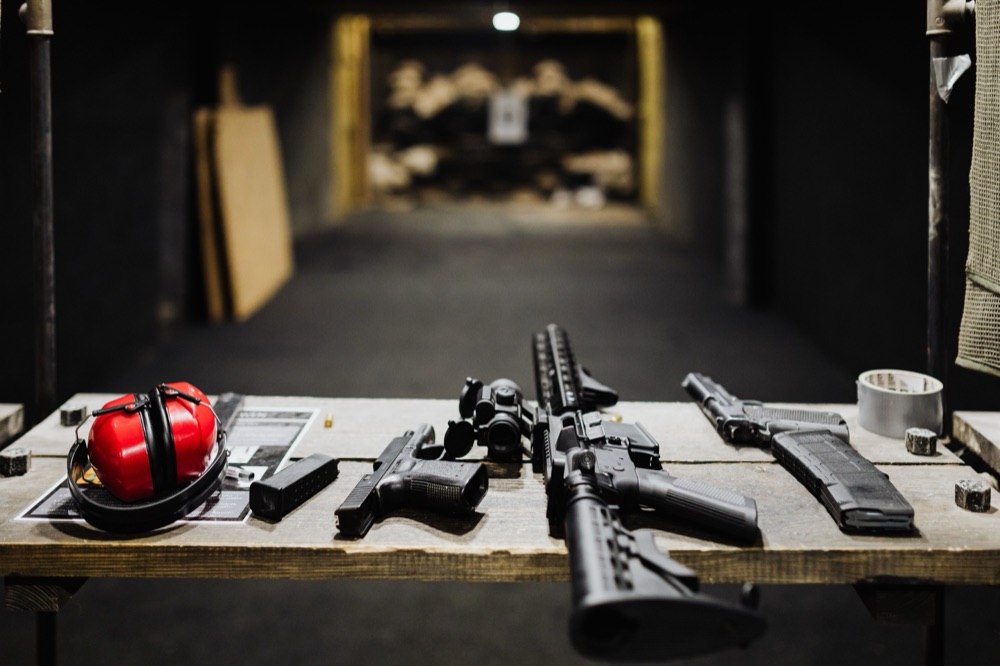
AMG sells two main timers, and the rate at which people mix them up is genuinely surprising. I’ve seen someone buy a Sidekick, bring it to a live-fire range, discover they couldn’t hear the beep at all, and try to return it as defective. Nothing was broken. They bought the wrong one.
These two are built for opposite jobs:
| AMG Lab Commander | AMG Lab Sidekick BLE | |
|---|---|---|
| Built for | Full live-fire / match use | Pocket dry-fire practice |
| Price | Around $189 (often backordered) | Around $65 |
| Buzzer | 105dB, cuts through doubled ear-pro | Quiet, indoor use only |
| Battery | Standard AAA, ~17 days continuous match use | Coin cell, very long life |
| Bluetooth | Yes, to PractiScore | Yes on BLE model, none on the original |
| Best at | Match scoring, every caliber | Detecting the faint striker “click” |
Here’s the one-sentence version: the Sidekick exists to hear the sound of you not firing. In dry fire the trigger break is a very faint click that live-fire timers simply don’t register, and the Sidekick’s detection is tuned specifically to that band. The trade-off is a tiny speaker — you will never use it outdoors.
The Commander is the generalist. AMG claims detection for 9mm, .22 rimfire, AR, shotgun, PCC, CO2, suppressed shots, hammer fall and striker fall. It handles dry fire too; you just pay an extra hundred-plus dollars for the privilege.
If you’re stuck between them, answer one question first: over the next six months, will you regularly shoot live fire? If not, the Sidekick is your machine — and possibly not even that, which I’ll come back to.
The Truth About the “AMG Shot Timer App”: There Isn’t One
This is the section worth three minutes of your time, because it’s a heavily searched question that almost nobody answers directly.
The answer: AMG Lab has never released its own app. Every screenshot you’ve seen of an AMG timer talking to a phone is running PractiScore — a free, third-party scoring platform the whole practical shooting world shares. All AMG did was put a Bluetooth module in the timer so PractiScore can read it.
PractiScore is actually three separate apps, which is the other half of the confusion. On match day the RO runs PractiScore itself, which builds the match and handles scoring. Competitors check results in PractiScore Competitor. And if you’re training alone and want to keep your split times for long-term comparison, the one you want is PractiScore Log — it records the time for every shot, puts multiple runs side by side, charts them, lets you tag and filter sessions, and exports to Excel or CSV.
Worth knowing on the Sidekick side: there are two generations. The current one is the Sidekick BLE, with Bluetooth. The original had no wireless at all. If you’re looking at two near-identical used Sidekicks with a meaningful price gap, that’s the difference.
Pairing the Bluetooth: Almost Everyone Fails the First Time
This deserves its own section, because there’s a genuinely counterintuitive trap here that strands people for half an hour before they give up.
Do not look for the timer in your phone or tablet’s system Bluetooth settings. It won’t be there, or if it is, it won’t pair properly. The AMG connection happens entirely inside the PractiScore app; the operating system’s Bluetooth screen plays no part in it. One long-time competitor spent an entire afternoon on this before emailing AMG, who wrote back within a couple of hours to tell him exactly that — his own summary of the reply was essentially “no no no, don’t do that, you do it through the application.”
The sequence that actually works:
- Confirm your phone or tablet runs Bluetooth 4.2 or later — older budget tablets simply won’t work
- In PractiScore, create or download a match first, with at least one squad and one shooter. Without those, the connection interface never appears
- Go into the scoring screen and look for the small stopwatch icon. Seeing it means your device’s Bluetooth version passed
- Switch the timer on, tap the stopwatch icon, and pick your timer from the list
The list shows a serial number. If several AMG timers are running nearby and you’re not sure which is yours, hold the left arrow key while powering the timer on and it will display its own serial.
AMG Shot Timer Instructions: The Setup Nobody Hands You in the Box
Here’s the thing that catches almost every new owner off guard: open the package and there is no printed manual inside. One of the most-read Commander reviews online says it flatly — no instructions are included. You get a timer, a set of AAA batteries, and the assumption that you’ll figure it out. That’s why “AMG shot timer instructions” is such a persistently searched phrase, and why the top results are a PDF on AMG’s support page and a scanned manual on a third-party host. Neither of those is much use standing on a bay in the sun with a squad waiting on you.
So here’s the walkthrough in plain language, in roughly the order you’ll need it.
Start with the buttons, because there are only four and the layout is genuinely simple once someone points at it. On the top edge sit the power button and the GO button — power on with a single tap, and GO is what sounds the beep. On the face you have M for menu and a pair of left and right arrows. The grammar of the whole interface comes down to one rule: M moves you between settings, the arrows change the value of whichever setting you’re looking at. Right increases or scrolls down, left decreases or scrolls back up. A long press on M is what drops you into the full menu system rather than just cycling the surface screens. Learn that one sentence and the “clunky menus” complaint mostly evaporates.
The first screen worth understanding is presets. The Commander stores five of them, and each one holds a complete combination — sensitivity, beep volume, whether the start is instant or delayed. The intended use is obvious once you see it: save “9mm outdoors,” “.22 indoors,” and “apartment dry fire” separately and switch between them in two presses instead of rebuilding settings from scratch. There’s a real-world catch that only shows up at clubs, though. When one timer passes through a dozen different Range Officers over a weekend of matches, the preset you think is loaded may not be the one someone else left behind. Any RO taking over a timer mid-match should check the actual settings rather than trusting the preset number.
Next comes start type, and this is where most of the training value hides. Instant means the beep fires the moment you press GO, which is what many match rules require. Delay is the one you want for solo practice, and it works as the sum of two numbers: a fixed wait, plus a random window on top of it. Set fixed to 2.00 and random to 2.00 and the beep lands somewhere between two and four seconds after you press GO. Push it to a fixed 5.00 with a 4.00 random window and you get a five-to-nine second spread. That randomness is the whole point — a predictable beep lets you anticipate, and anticipating is exactly the habit that falls apart the first time a real RO runs you.
Two settings further in cause a disproportionate amount of confusion. Echo delay tells the timer how long to ignore sound after registering a shot, and indoors, where every wall throws the report back at the microphone, it needs to go considerably higher — the manual suggests values as high as 13 in bad rooms. If your indoor strings keep showing phantom shots, this is the setting to reach for, not sensitivity. Beep volume is the other one, and it’s more useful than it sounds: crank it for an outdoor match where half the squad is wearing plugs under muffs, then drop it to the bottom for dry fire in an apartment at ten at night.
Reading the display trips people up on day one too. Three numbers sit on the main screen and they aren’t the same thing. On the left is your first-shot time, measured from the beep — the draw or the reaction, depending on the drill. The middle number is simply the shot count. The number on the right is the split between the last shot and the one before it, which is why it keeps changing as you shoot rather than settling on a total. To go back through a string shot by shot, press the left arrow and the display walks backwards through them one at a time. The Commander holds three strings in memory and can show them together for comparison, which is more useful in practice than at a match, where you rarely look past the total.
A few small operational habits round it out. You don’t need to clear anything between shooters — leave the timer as it is, press GO, and the string starts fresh. Holding the power button for about two seconds shuts it down, and it powers itself off after fifteen minutes of inactivity anyway. If that auto-shutdown is too aggressive for the pace of your match, it lives in a hidden advanced menu you reach by holding M while you press the power button; battery voltage and the factory beep target sit in there as well. And if several AMG timers are running near each other, holding the left arrow during power-on makes the unit display its own serial number, which is the only sane way to identify yours in the PractiScore pairing list.
None of that is complicated. It’s just undocumented in the box, which is a strange decision for a $189 product and the entire reason this section exists. If you want to rehearse the logic before your timer even arrives — par times, random delay, splits, reviewing a string afterwards — the free Airsoft Shot Timer app runs the same concepts on the phone already in your pocket, and the muscle memory transfers directly.
Sensitivity: The Most Underrated Setting, and the Easiest to Get Wrong
The Commander’s most useful feature isn’t Bluetooth — it’s digitally adjustable sensitivity plus five storable presets. You can save “9mm outdoors,” “.22 indoors” and “apartment dry fire” as separate presets and switch between them without digging through menus. That matters more than it sounds when a squad shares one timer; plenty of clubs used to carry two timers purely because changing caliber meant reconfiguring everything.
But sensitivity has no universal setting. It’s the three bowls of porridge: too hot, too cold, just right. In one shooter’s testing, a 9mm pistol read cleanly around 5, while a .22 carbine needed to go up to 8 — and moving indoors changes the ideal number again because of wall echo.
One detail most owners never learn: AMG has stated outright that sensitivity 10 is too high for live fire. That setting is meant for dry fire. Run it at 10 on a live range and the bay next to you will end up in your string.
Then there’s a habit that costs real points. To avoid picking up stray noise, ROs often tuck the timer behind their back or cover the microphone with a thumb. The problem is that the Commander’s microphone is the cluster of four small holes on the body — the single large hole at the bottom is the speaker, don’t mix them up — and once a finger is over it, the shooter’s actual shots may not register, which can force a reshoot. Rather than covering it by hand, set the sensitivity correctly in the first place.
AMG Commander vs CED 7000, PACT and SG Timer GO
Most people searching for an AMG shot timer review are really asking one narrower question: should I buy this, or one of the other three timers everyone keeps recommending? Here’s where the Commander actually lands against each of them.
Against the CED 7000 (around $130), the trade is $30-60 for Bluetooth, and not much else. The CED is lighter, rechargeable, and the closest thing this category has to a default — walk a bay at an IPSC match and you’ll see more CED 7000s than everything else combined. It also has no app whatsoever, which a fair number of shooters treat as a feature rather than a gap. If your scores never leave the timer’s own screen, the CED is the cleaner buy, and paying AMG money for a radio you never switch on is just spending.
Against the PACT Club Timer III (around $130), the comparison is almost entirely about the buzzer. The PACT is famously the loudest thing in this price bracket, and if you shoot with doubled-up hearing protection — plugs under muffs — that matters more than any feature list, because a start signal you half-hear is a start signal you react late to. The Commander is loud enough. The PACT is loud in a way that ends the argument. What the PACT can’t do is put a string on your phone.
Against the SG Timer GO (around $165), the Commander is the one that loses on refinement. The GO costs roughly the same money, feels better built in the hand, has an auto-backlit screen, and brings the Shooters Global Drills ecosystem with video overlay and months of stored history. The Commander’s counter-argument is narrow but decisive for the right shooter: PractiScore. If your club scores its matches in PractiScore and you’d rather push strings straight across than retype them between stages, the GO’s nicer app is beside the point, because it isn’t the app your match actually runs on.
That’s the honest summary. The Commander wins on exactly one axis — and it’s a big one if you happen to live on that axis. It’s the cheapest direct route into PractiScore, and USPSA’s official designation means nobody at a match table will raise an eyebrow at it. If PractiScore isn’t part of your shooting life, almost every alternative here is a slightly better timer for the money.
Being Honest About the Downsides
Opinion on AMG online is polarized to a slightly absurd degree, so it’s worth balancing out.
The most legitimate and most common complaint is that you can’t buy one. The Commander sits on backorder at AMG’s own store for long stretches; the $189 price is visible but frequently not purchasable. That’s exactly why “AMG shot timer for sale” is a search people keep typing — they’re not comparing prices, they’re hunting stock. The practical fix is to skip the factory queue and buy from stocking dealers like Checkmate Defense or Ben Stoeger Pro Shop, who sometimes come in slightly under list. If you need it before a specific match, don’t order direct at all.
Second is build and interface. The housing is plastic and feels noticeably less premium than a PACT or SG unit, and the menu logic takes adjusting to — expect to press the wrong button for the first week. There’s a widely-read Reddit post tearing into the user interface, and skimming that thread before you buy is healthier than reading only the positive reviews.
Third, prices drifted. Reviews from 2019 list the Commander at $158. It’s $189 now. If your reference numbers came from an older review, adjust upward.
Do these make it a bad buy? No. But it isn’t a no-brainer purchase either — it’s one where you should know exactly what you’re trading. You get official certification, direct PractiScore sync and genuinely universal detection. You pay in waiting time and a bit of refinement.
So Should You Actually Buy One?
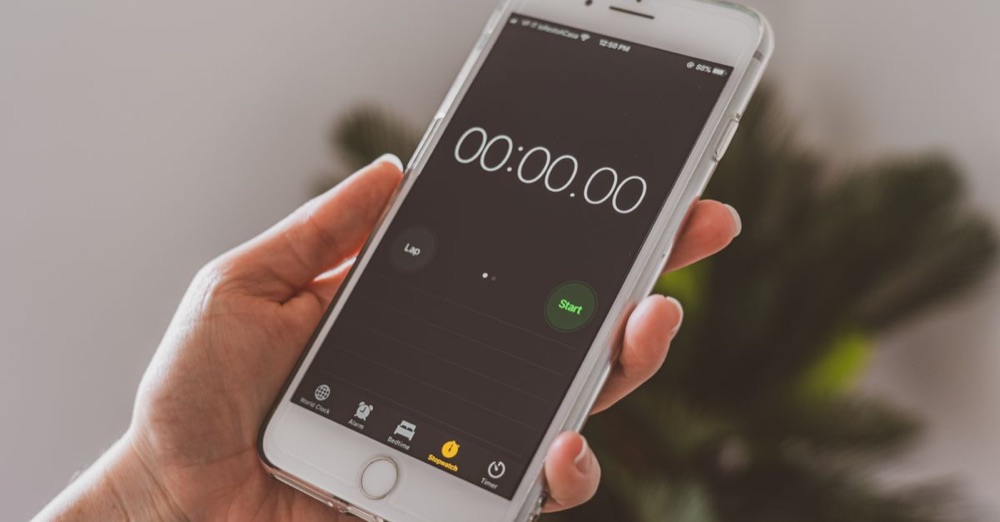
My recommendation probably differs from most reviews: confirm you’ll really use it before spending the money.
Buy the Commander outright if you already shoot USPSA, IPSC or Steel Challenge regularly, and especially if you sometimes run a timer as an RO. For you, PractiScore sync isn’t saving time so much as eliminating transcription errors across an entire match. The $189 buys something concrete.
If you only train dry fire at home, the Sidekick’s $65 is genuinely good value — but before you spend it, consider this: the hard part of dry fire has never been equipment. It’s deciding to practice tonight. Rather than waiting a month for hardware before you start, start this evening with the phone in your pocket. The Airsoft Shot Timer app is free and uses FFT frequency analysis rather than a simple volume threshold, so it picks up trigger clicks, GBB gas pops and AEG mechanical noise alike, with start beeps, par times and split tracking all included. After a month of consistent practice you’ll know precisely what you’re missing — maybe a buzzer loud enough to beat your ear-pro, in which case buy the Commander. Or maybe you’ll find the phone was always enough.
For airsoft players the answer is simpler still. Hardware timers are built around the acoustic signature of a powder charge, and airsoft sounds nothing like that — you can spend the money and still not have it register your own shots reliably. That’s precisely why we rewrote our app’s detection logic around GBB, AEG and CO2. For what to actually practice, follow up with our dry fire training guide, or start with something as simple as the Bill Drill, which needs one target and nothing else.
Still comparing brands? Our 2026 shot timer buying guide puts the CED 7000, PACT, SG Timer line and AMG side by side, which is the better read if you haven’t settled on a brand yet.
Frequently Asked Questions
How much does an AMG shot timer cost, and where can you actually buy one?
The AMG Lab Commander lists at $189 direct, in LCD and OLED variants; the dry-fire Sidekick BLE runs around $65. The real obstacle is stock, not price — the Commander sits on backorder at the factory store for long periods, so go to stocking dealers such as Checkmate Defense or Ben Stoeger Pro Shop, who occasionally price below list. If you’re buying for a specific match, don’t join the factory queue.
What is the AMG shot timer app called?
AMG Lab doesn’t make one. Both the Commander and the Sidekick BLE connect over Bluetooth to third-party PractiScore apps: PractiScore itself for match scoring, PractiScore Competitor for checking results, and PractiScore Log for personal practice — recording runs, comparing them side by side and exporting to CSV. All three are free.
Where do I find the AMG Commander manual or instructions?
There’s no printed manual in the box — a genuine surprise on a $189 timer, and the reason so many owners go looking online. AMG hosts a Commander User Manual and a Sidekick User Manual as PDFs on the support page of its own store, and third-party manual sites mirror the same document. If you’d rather have it explained than downloaded, the setup walkthrough above covers the button logic, presets, start delay, echo delay, display readout and string review in the order you’ll actually need them.
How do I set a random start delay on the AMG Commander?
In the start-type menu, switch from instant to delay, then set two values: a fixed wait and a random window added on top. Fixed 2.00 with random 2.00 makes the beep land between two and four seconds after you press GO; fixed 5.00 with random 4.00 gives a five-to-nine second spread. Use the M button to move between the settings and the left and right arrows to change each value. Solo practice should essentially always run some randomness, otherwise you start anticipating the beep — the exact habit that collapses the first time a real RO runs you.
How do I review shot times and splits after a string?
Press the left arrow and the display steps backwards through the string one shot at a time, from the last shot to the first. It helps to know what the three numbers on the main screen mean while you do it: first-shot time from the beep on the left, total shot count in the middle, and the split between the last two shots on the right. The Commander keeps three strings in memory and can display them together for comparison. You don’t need to clear anything before the next shooter — just press GO and the string restarts.
Why can’t my phone find the AMG timer over Bluetooth?
Because pairing doesn’t happen in your system Bluetooth settings. You have to connect from inside the PractiScore app, and you must first create a match with at least one squad and one shooter before the stopwatch icon appears on the scoring screen. Your device also needs Bluetooth 4.2 or later — older tablets will install the app but never connect.
Commander or Sidekick — which should I get?
It depends where you train. The Sidekick BLE (around $65) is dry-fire specific, tuned for the faint striker click, but its buzzer is far too quiet for an outdoor live-fire range. The Commander (around $189) is a full live-fire timer whose 105dB beep cuts through doubled ear-pro, and it handles dry fire as well. Home-only practice: Sidekick, or just use the free app. Competing and want PractiScore scoring: Commander.
What sensitivity should I set it to?
There’s no universal number — it depends on caliber and venue. As a reference point, a 9mm pistol outdoors read well around 5 while a .22 carbine needed 8, and indoor echo shifts things again. Note that AMG has said sensitivity 10 is intended for dry fire; running it at 10 on a live range will pull in shots from the bay beside you. Save your common combinations as presets — the Commander stores five.
Can I use an AMG timer for airsoft?
In principle the Commander’s detection range covers CO2, but hardware timers are fundamentally tuned to the acoustic signature of powder-driven shots, and GBB and AEG sound quite different. Results are inconsistent. For airsoft, a free timer app built specifically for it is far more reliable — and you’re not gambling money on whether it hears your gun.
Final Thoughts
The AMG Commander is a timer with a clear identity. It isn’t the best built and it certainly isn’t the easiest to get hold of, but it gives you USPSA’s official designation and direct PractiScore sync at a price that would have bought you half of that a few years ago. If you’re already on the line at matches, it’s worth the wait.
If you’re still at the “I want to start training seriously” stage, though, hardware was never the first problem to solve. What actually determines whether you improve is having a timing tool you can press right now, that records what you did, and that lets you compare against it next week. That part can start tonight — no three-month wait required.
Put a Shot Timer in Your Pocket
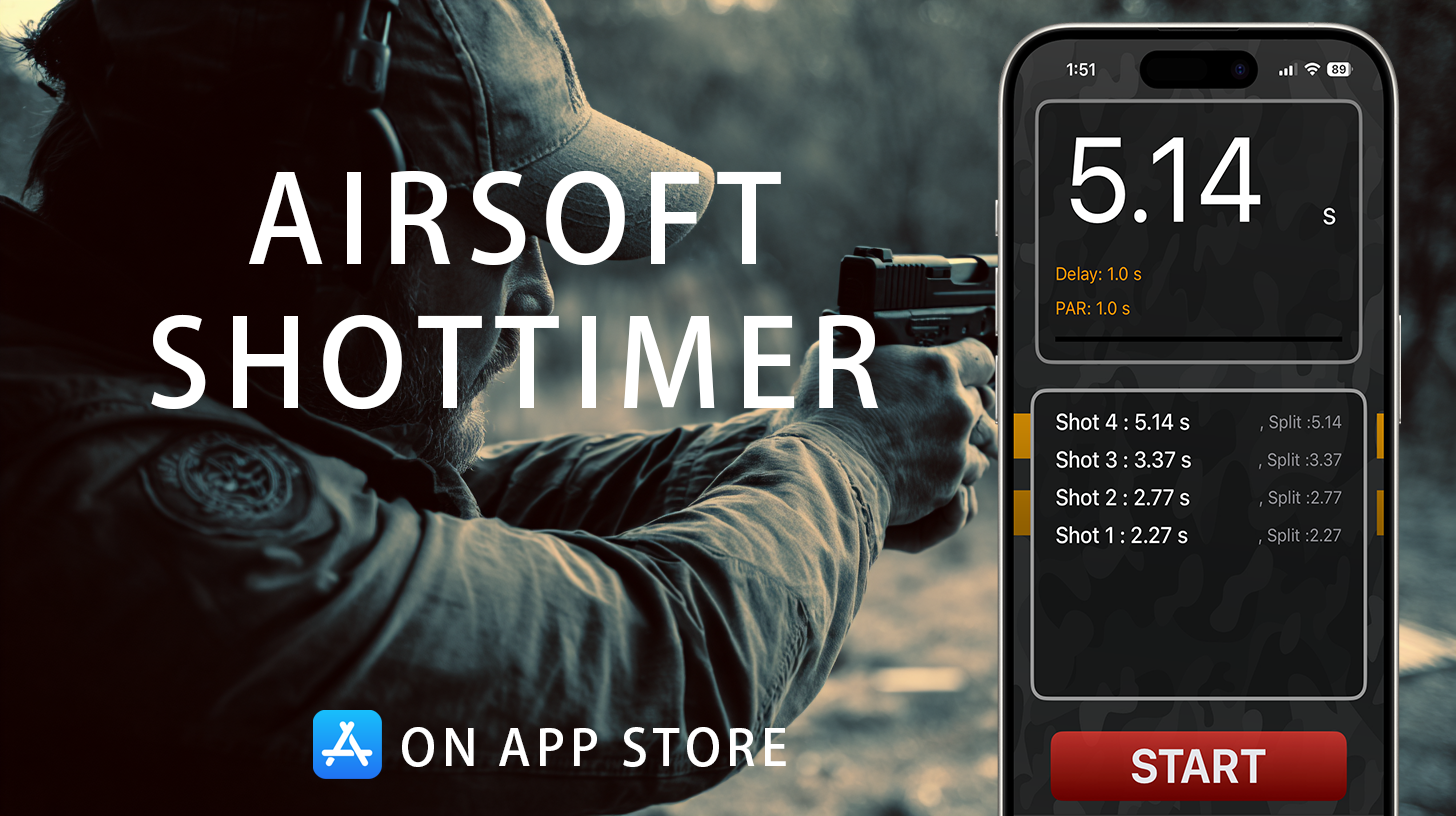
Airsoft Shot Timer is a free shot timer app tuned for airsoft and Action Air — it picks up BB gun shots, tracks your split times, and saves you the cost of a $150+ hardware timer for IPSC/IDPA practice.

- AMG Shot Timer
- AMG Shot Timer Review
- AMG Shot Timer Instructions
- AMG Shot Timer Manual
- AMG Commander Manual
- AMG Commander User Manual
- AMG Commander Instructions
- AMG Shot Timer Setup
- How to Use AMG Shot Timer
- AMG Shot Timer App
- AMG Shot Timer Price
- AMG Shot Timer for Sale
- AMG Commander
- AMG Lab Commander
- AMG Commander Timer
- AMG Commander Shot Timer
- AMG Lab Sidekick
- AMG Sidekick BLE
- AMG Sidekick Manual
- AMG Lab
- PractiScore
- PractiScore Log
- Bluetooth Shot Timer
- Official Timer of USPSA
- Shot Timer
- Shot Timer Review
- Shot Timer for Dry Fire
- Dry Fire Training
- Shot Timer for Airsoft
- IPSC
- IDPA
- USPSA
- Steel Challenge
- Shooting Training
- Training Guide