Airsoft Field Guide 2026: Indoor vs Outdoor, Rules, Costs & How to Find One Near You
How to Find the Best Airsoft Field Near You
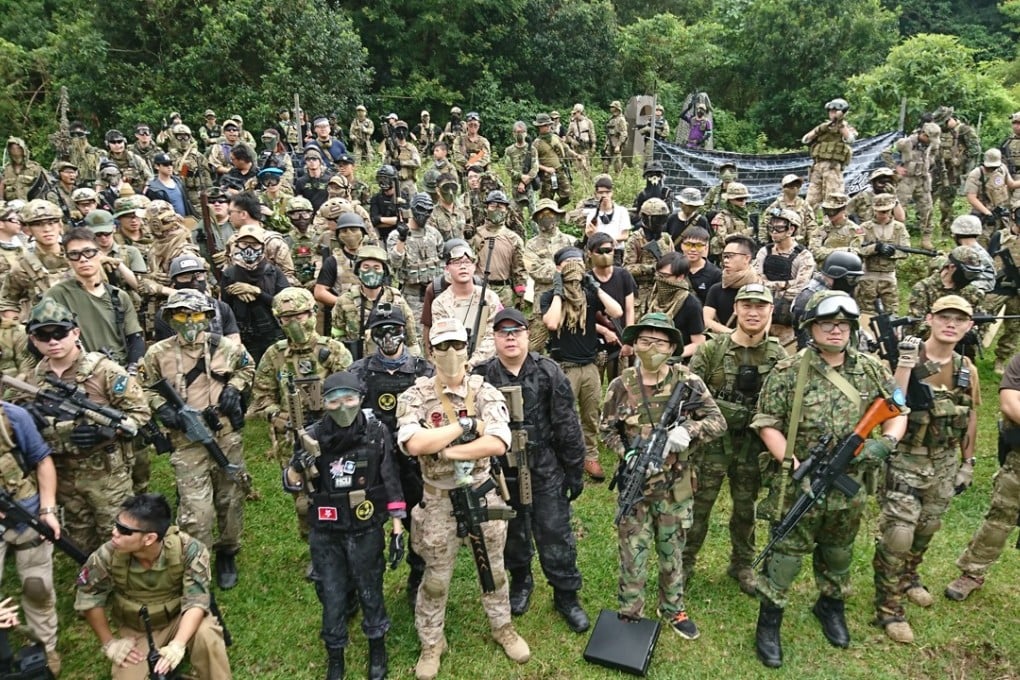
If you’ve been searching for “airsoft field near me,” you’re not alone — it’s one of the most common questions from new and returning players. The good news is that airsoft has grown tremendously over the past few years, and there are more fields than ever across North America, Europe, and Asia. The challenge isn’t whether fields exist, but finding the one that matches your play style, budget, and experience level.
This guide covers everything you need to know about airsoft fields: the five major field types (indoor CQB, outdoor, hybrid, MilSim, and Speedsoft), a detailed breakdown of airsoft field rules and safety requirements, and eight proven ways to find the perfect field near you. Whether you’re a complete beginner wondering what to expect on your first game day or a returning player looking for a new home field, you’ll find practical advice that took most players years of trial and error to figure out.
What to Think About Before You Visit
Before you pick a field, it helps to ask yourself a few honest questions. Do you want fast-paced close-range action, or do you prefer slower, more tactical gameplay? Your answer determines whether you should head to an indoor CQB arena or a sprawling outdoor woodland. Equipment matters too — a compact SMG or pistol feels right at home in tight corridors, while a full-length rifle shines in open terrain. And if this is your first time, there’s no shame in starting small. Most indoor fields rent everything you need, so you can show up empty-handed and still have a great day.
Complete Field Type Guide
1. Indoor CQB Fields
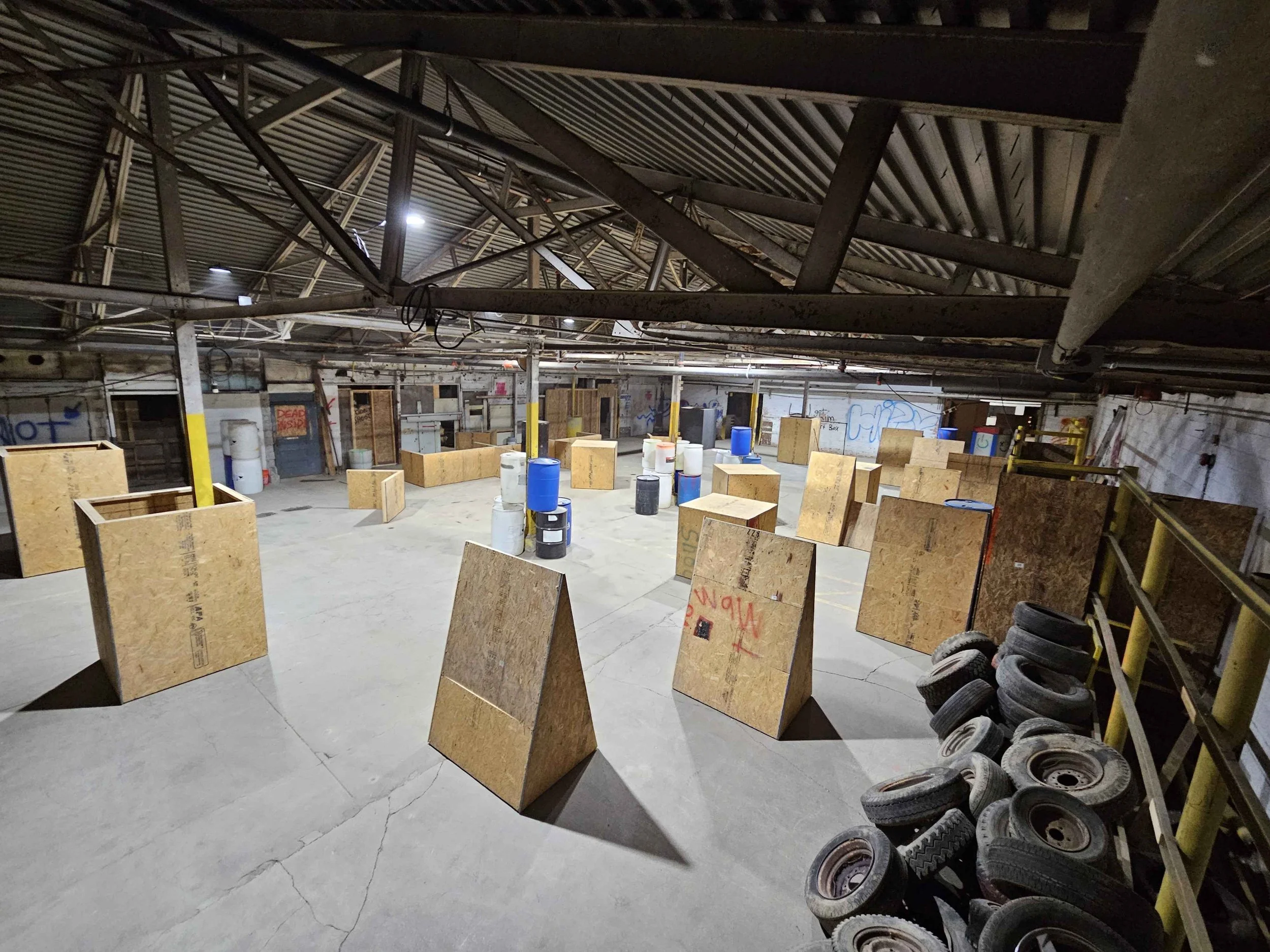
CQB (Close Quarters Battle) takes place in enclosed spaces with fast-paced action, typically set in warehouses, factories, or purpose-built indoor facilities.
Field Characteristics
- Compact spaces: Corridors, rooms, stairs, and complex structures
- Short sightlines: Typically engaging within 10-30 meters
- Fast pace: Each game lasting 5-15 minutes
- All-weather: Not affected by weather conditions
Advantages
- ✅ Beginner-friendly: Small space, simple rules, easy to learn
- ✅ Low equipment requirements: Short guns and pistols work best
- ✅ Great reaction training: Improves quick reflexes and close-range shooting
- ✅ Highly social: Dense player interaction
Disadvantages
- ❌ Risk of overshooting: Close range hits can be more painful
- ❌ Limited tactics: Space constraints limit complex maneuvers
- ❌ Ventilation issues: Some venues have poor air circulation
Best Suited For
- Airsoft beginners
- Players who enjoy fast-paced action
- Pistol and short gun users
- Shooters wanting to practice draw strokes and quick aiming
FPS Limits
Indoor CQB fields typically have stricter FPS (muzzle velocity) limits:
- Standard limit: 300-350 FPS (measured with 0.20g BBs)
- Some fields: Below 280 FPS
- Pistols usually: Below 350 FPS
💡 Training Tip: CQB environments are excellent for practicing quick draw strokes and close-range target transitions. Use AirsoftShotTimer to record your draw-to-first-shot time and track your progress.
2. Outdoor Fields
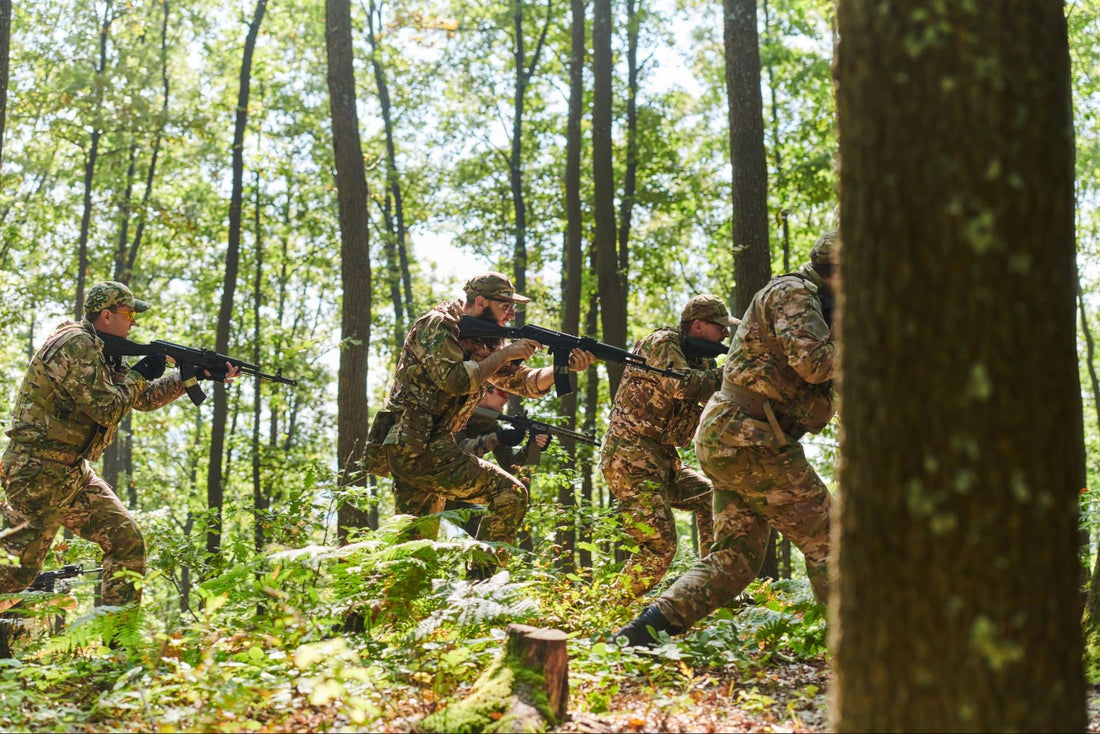
Outdoor fields utilize natural terrain or artificial structures, providing broader gameplay spaces and diverse tactical options.
Field Types
Woodland / Mountain Fields
- Natural forests, bushes, and terrain variations
- Lines of sight blocked by vegetation, suitable for stealth
- Requires good fitness and outdoor adaptability
Simulated Town Fields
- Artificially constructed buildings and streets
- Combines indoor and outdoor elements
- Offers diverse tactical options
Open Grassland Fields
- Wide open views, suitable for long-range engagements
- Relies on artificial cover (barrels, boards, sandbags)
- Ideal for snipers and long gun users
Advantages
- ✅ Large tactical space: Enables flanking, ambushes, long-range sniping
- ✅ High realism: Closer to actual military environments
- ✅ Diverse equipment options: All gun types can shine
- ✅ Effective camouflage: Concealment tactics work
Disadvantages
- ❌ Weather dependent: Rain and extreme heat may cancel games
- ❌ High physical demands: Extended walking and running required
- ❌ Insect issues: Outdoor environments may have bugs
- ❌ Remote locations: Usually located in suburban areas
Best Suited For
- Experienced players
- Players who enjoy tactical planning
- Long gun and sniper rifle users
- Players with good physical fitness
FPS Limits
Outdoor fields typically have more relaxed FPS limits:
- Rifles: 380-400 FPS
- Sniper rifles: 450-500 FPS (with Minimum Engagement Distance requirements)
- Pistols: 350 FPS
3. Hybrid Fields
Hybrid fields combine indoor and outdoor elements, offering multiple gaming experiences within the same venue.
Field Characteristics
- Contains CQB buildings and outdoor areas
- Experience multiple environments in one game
- Usually covers larger areas (5-20 acres)
Advantages
- ✅ High variety: Experience multiple combat environments at once
- ✅ Suits all equipment: Both short and long guns work
- ✅ Rich tactical layers: Indoor-outdoor transitions add strategy
Best Suited For
- Players wanting comprehensive experiences
- Team activities and corporate events
- Beginners undecided between indoor and outdoor
4. MilSim Dedicated Fields
MilSim (Military Simulation) is the most hardcore form of airsoft, pursuing highly realistic military experiences.
Field Characteristics
- Large venues: Usually 50+ acres
- Complex terrain: Combines villages, forests, and building complexes
- Extended events: 8-48 hours or longer
- Role-playing: Clear factions, missions, and command structures
Game Features
- Mission-oriented: Not just eliminating enemies, but reconnaissance, escort, and occupation missions
- Ammunition limits: Usually restricted to realistic capacity magazines (30 rounds)
- Role specialization: Squad leaders, medics, snipers, radio operators, etc.
- Continuous gameplay: May require overnight camping
Advantages
- ✅ Extreme immersion: Closest to real military experience
- ✅ Deep team coordination: Requires genuine tactical cooperation
- ✅ High achievement: Great satisfaction from completing difficult missions
Disadvantages
- ❌ High barrier: Requires complete equipment and experience
- ❌ Major time investment: Requires full day or entire weekend
- ❌ Extreme physical demands: Extended marching and combat
- ❌ Higher costs: Registration fees, equipment, and transportation
Best Suited For
- Veteran players
- Military enthusiasts
- Players seeking authentic experiences
- Players with complete tactical gear
5. Speedsoft / SpeedQB Fields
Speedsoft is a recent fast-paced competitive style emphasizing speed and reflexes over tactics and realism.
Field Characteristics
- Small enclosed venues: Similar to paintball arenas
- Artificial cover: Inflatable barriers, wooden obstacles
- Timed matches: 4-5 minute rounds
- Competition-oriented: Formal tournaments and leagues exist
Game Features
- High-speed movement: Running, sliding, quick repositioning
- Lightweight gear: No tactical vests, prioritizing agility
- Modified guns: High rate of fire, quick-reload AEGs
- Esports-like: Emphasizes individual skill and team coordination
Advantages
- ✅ Adrenaline rush: Extremely exciting fast pace
- ✅ Skill-focused: Pure competition of shooting and movement ability
- ✅ Active community: Complete competitive system
Disadvantages
- ❌ Higher barrier: Requires specialized equipment and skills
- ❌ Injury risk: Fast movement increases sprain risk
- ❌ Limited venues: Dedicated Speedsoft fields are scarce
Best Suited For
- Competition-focused players
- Young players with excellent fitness
- Players who enjoy fast-paced esports-style play
- Players with paintball experience
Field Type Comparison Table
| Comparison | Indoor CQB | Outdoor Fields | MilSim | Speedsoft |
|---|---|---|---|---|
| Beginner Suitability | ⭐⭐⭐⭐⭐ | ⭐⭐⭐ | ⭐⭐ | ⭐⭐⭐ |
| Physical Demands | Low | Medium-High | Extreme | High |
| Equipment Requirements | Low | Medium | High | Medium-High |
| Game Duration | 5-15 min/round | 15-30 min/round | 8-48 hours | 4-5 min/round |
| Tactical Depth | Low | Medium-High | Extreme | Low |
| Cost | Low-Medium | Medium | High | Medium |
| Weather Impact | None | High | High | Low |
| Best Gun Type | Pistol/SMG | Rifle/Sniper | All types | Lightweight AEG |
Indoor vs Outdoor Airsoft Fields: Which One Should You Pick?
This is probably the single biggest decision you’ll make as a new player, and it comes down to what kind of experience you’re after. Having played both extensively, I can tell you they feel like completely different sports — and that’s part of what makes airsoft so addictive.
Indoor CQB fields are where most people fall in love with airsoft. The action is immediate and relentless. You walk through a door, and within seconds someone is shooting at you from behind a barricade ten meters away. Your heart is pounding, your hands are a little shaky, and you’re grinning the whole time. The learning curve is gentle because the space is small — you don’t need to know complex tactics or have expensive optics. A basic pistol or compact AEG is all you need. Indoor fields also solve the biggest logistical headache: weather. Rain, snow, or scorching heat, it doesn’t matter. The game goes on.
Outdoor fields reward patience and planning in ways that indoor play simply can’t. There’s a moment in outdoor airsoft — usually when you’ve crawled through brush for five minutes to flank an enemy position, and your first shot catches them completely off guard — that delivers a satisfaction no CQB field can match. You have room to breathe, time to think, and space to use equipment like sniper rifles and long-range optics that would be pointless indoors. The tradeoff is that outdoor fields demand more from you physically, and you’ll want proper gear: good boots, appropriate camo, and a reliable face mask that won’t fog up in humidity.
If you genuinely can’t decide, look for a hybrid field that combines both elements. Many larger venues have CQB buildings connected to outdoor areas, giving you the best of both worlds in a single game day. These hybrid setups are becoming increasingly common, and they’re a great way to figure out what you enjoy most before committing to one style.
Common Airsoft Game Modes You’ll Encounter
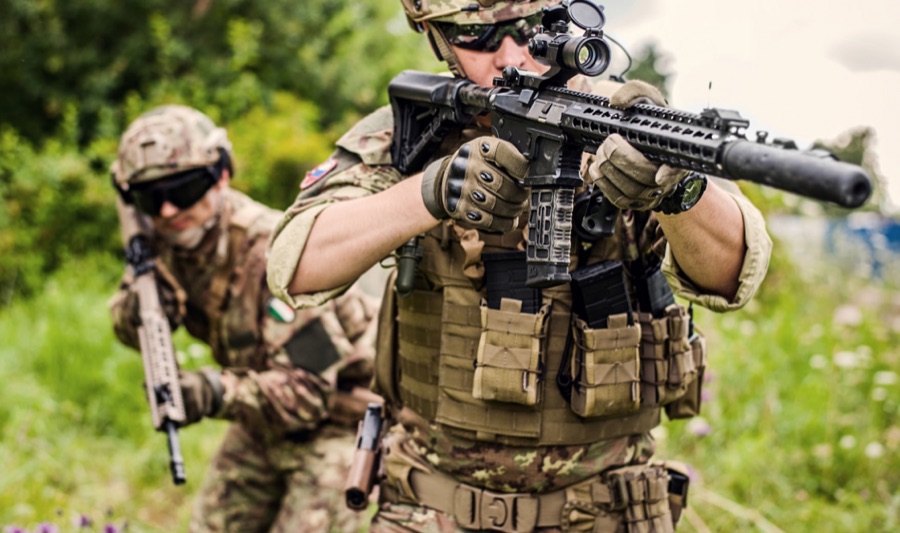
Most fields rotate through a handful of game modes throughout the day, and understanding them beforehand saves you from standing around confused when the ref blows the whistle. The most common mode is Team Deathmatch — two teams, fixed time limit, and the side with more eliminations wins. It’s straightforward and a great way to warm up.
Domination adds a territorial twist. Each team fights to control specific flags or zones on the map, and you score points for every minute your team holds a position. This mode rewards coordinated pushes and teaches you to think about map control rather than just chasing kills. Capture the Flag works similarly but focuses on retrieving the opposing team’s flag and bringing it back to your base — expect chaotic sprints and desperate last-stands near your own flag.
Some fields run Last Man Standing rounds, where eliminated players stay out until one team is completely wiped. These rounds tend to be tense and slower-paced, especially in the final minutes when only a handful of players remain. VIP Escort is another popular scenario: one team protects a designated VIP player who must reach an extraction point, while the opposing team tries to tag them. It’s a fantastic introduction to asymmetric gameplay.
For players who enjoy structure, many fields also host objective-based scenarios with briefings, time limits, and multiple objectives. These sit somewhere between casual play and full MilSim events — enough story to make the game feel purposeful, without the 24-hour commitment.
What Your First Game Day Actually Looks Like
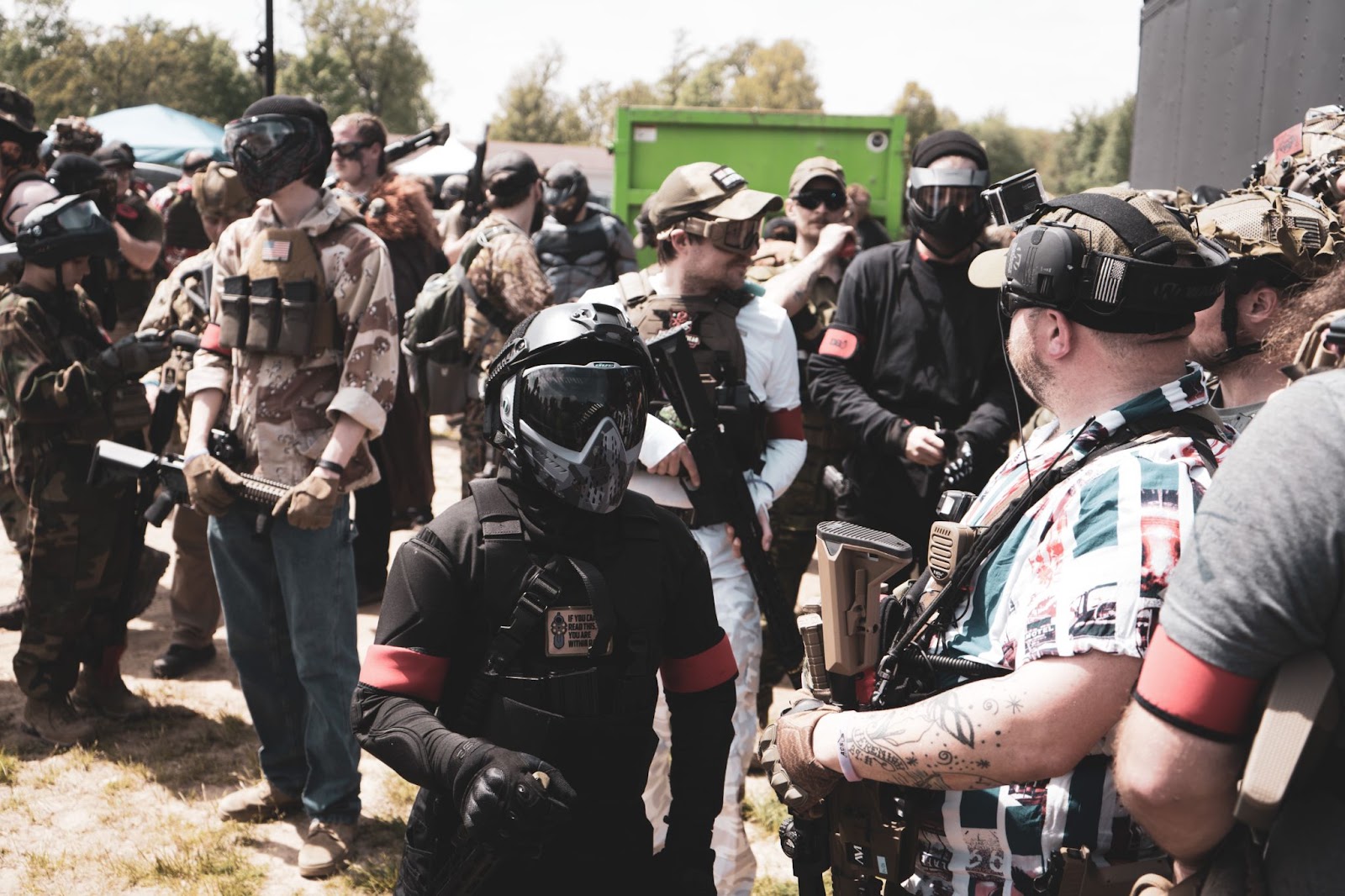
If you’ve never set foot on an airsoft field, the whole experience can feel a bit mysterious. Here’s how a typical day plays out so you know exactly what to expect.
You’ll arrive and check in at the front desk or staging area. If you’re renting gear, this is where you’ll get your gun, mask, and a bag of BBs. The staff will walk you through the basics — how to load, how the safety works, and what the field rules are. Don’t worry about looking clueless; every player there went through the same thing at some point.
Next comes the chronograph check. A ref will test your gun’s muzzle velocity to make sure it’s within the field’s FPS limit. If you’re using rental gear, it’s already set up correctly. After chrono, there’s usually a group safety briefing where the ref explains the day’s rules, boundaries, and the “dead rag” or hand-raise system for signaling you’ve been hit.
Then the games start. Most fields run 10–20 minute rounds with short breaks in between. You’ll cycle through different game modes — maybe two rounds of TDM, then a Domination match, then something more creative like Bomb Defusal. Between rounds, you’ll head back to the staging area to reload, hydrate, and swap stories with other players. Lunch is usually a 30–60 minute break around midday.
By the end of the day, you’ll have played 8–15 rounds depending on the field. Your legs will be tired, you’ll probably have a few welts, and you’ll already be planning your next visit — maybe with a helmet and proper vest next time. That’s the cycle every player goes through, and it never really stops.
First-Time Field Selection Tips for Beginners
Recommended Progression
-
First time: Indoor CQB field
- Rent equipment to experience
- Learn basic rules and procedures
- Build fundamental shooting sense
-
After gaining basics: Outdoor fields
- Try more tactics
- Test different gun types
- Experience longer game times
-
After significant experience: MilSim events
- Pursue immersive experiences
- Challenge extended missions
- Deep team coordination
Pre-Visit Checklist
Basic Information
- Field address and transportation
- Operating hours and break times
- Prices (admission, rental fees)
- Reservation requirements
- Age restrictions (usually 16-18+)
Equipment Related
- Equipment rental availability
- FPS limits
- Allowed BB types (some require biodegradable)
- Protective gear requirements (goggles, mask specifications)
Field Rules
- Game mode explanations
- Safe zone locations
- Hit calling rules
- Prohibited behaviors (blind firing, point-blank shooting, etc.)
Field Safety Rules Explained
Regardless of what field you choose, safety is always paramount. Here are universal core safety rules:
FPS Limits and Minimum Engagement Distance (MED)
FPS (Feet Per Second) measures muzzle velocity. Different fields and gun types have different limits:
| Gun Type | Typical FPS Limit | Minimum Engagement Distance |
|---|---|---|
| Indoor Pistol/SMG | 280-350 FPS | 0-3 meters |
| Outdoor Rifle | 380-400 FPS | 0-10 meters |
| High-power Sniper | 450-500 FPS | 20-30 meters |
⚠️ Important: For targets within MED, use verbal “Bang Bang” calls or switch to a backup pistol to avoid unnecessary pain from point-blank shots.
Chronograph Process
Official fields conduct velocity checks before entry:
- Use field-designated BBs (usually 0.20g) for testing
- All guns must be tested, including backups
- Passing guns receive tags indicating inspection
- Random spot checks may occur to ensure no adjustments
Mandatory Protective Gear
Eye and face protection is the single most important piece of equipment you’ll bring to any airsoft field — more important than your gun, your camo, or anything else. Every reputable field requires ANSI Z87.1+ or EN166 rated goggles at minimum, and many now mandate full lower face protection as well. Getting hit in the mouth without a mesh mask is an experience you only need once to understand why these rules exist. If you’re unsure what to get, our complete airsoft mask and eye protection guide covers everything from anti-fog coatings to prescription-compatible options.
Beyond eye and face protection, wearing long sleeves, pants, and gloves makes a noticeable difference in comfort — especially at indoor CQB fields where engagement distances are short and hits sting more.
Safe Zone Rules
Before entering safe zone, you must:
- Remove magazine
- Clear the chamber
- Engage safety
- Attach barrel sock (if provided)
In safe zone, prohibited:
- Pointing at anyone
- Pulling the trigger
- Loading ammunition
8 Ways to Find Airsoft Fields Near You
Finding your first field can feel overwhelming, but there are plenty of resources that make the search straightforward. Here’s a breakdown of the most reliable methods, from quickest to most thorough.
Online Field Directories
Several dedicated websites maintain up-to-date databases of airsoft fields across the US and internationally. Airsoftc3.com is one of the largest directories with user reviews and field details. Airsoft Experia runs a field finder that covers the US market, and High Speed BBs maintains a similar searchable database. These sites let you filter by location, field type, and amenities, which saves a lot of guessing.
Google Maps and Local Search
The simplest approach is often the best. Searching “airsoft field near me” or “airsoft near [your city]” on Google Maps will surface local venues with reviews, photos, hours, and contact information. Pay attention to the review scores and read a few recent comments — they’ll tell you more about the actual experience than any marketing page.
Social Media Communities
Facebook groups are goldmines for finding local fields. Search for “[your state/city] airsoft” and you’ll likely find active communities where players share field recommendations, event schedules, and honest reviews. Instagram and TikTok also feature field content — search for location-specific hashtags like #airsoftcalifornia or #airsoftUK.
Reddit and Forums
The r/airsoft subreddit has a helpful community that regularly answers “where to play” questions. Post your location and experience level, and you’ll get personalized suggestions within hours. Dedicated forums like Airsoft Society and MilSim-focused communities also maintain regional field lists.
Local Airsoft and Paintball Shops
Walk into any airsoft or paintball shop in your area and ask. Staff members almost always know the local scene and can tell you which fields are worth visiting, which ones cater to beginners, and which ones to avoid. Some shops even host their own game days or partner with nearby fields for package deals.
Yelp and Review Sites
Yelp, Google Reviews, and similar platforms provide honest feedback from real visitors. Look for fields with consistent positive reviews mentioning staff quality, facility maintenance, and fair enforcement of rules. A field with hundreds of reviews averaging 4+ stars is usually a safe bet.
Word of Mouth and Meetups
If you know anyone who plays airsoft, ask them directly. Personal recommendations come with context that no online review can match — they can tell you what the regulars are like, which game days have the best turnout, and whether the field is worth the drive.
Event Calendars
Major airsoft organizations and event companies maintain calendars for MilSim ops, tournaments, and open play days. These events often take place at different fields, giving you a chance to try multiple venues without committing to a membership.
How to Evaluate an Airsoft Field
Once you’ve found a few options nearby, the next step is figuring out which one deserves your time and money. Not all fields are created equal, and a little research goes a long way.
A well-run field will have clear safety rules posted on their website and enforced on site. The staff should be professional, friendly, and willing to help new players get oriented. Look for fields that conduct chronograph checks before every game day — skipping this step is a red flag. Good indoor fields invest in ventilation systems, while good outdoor fields maintain their cover structures and clear walking paths.
On the other hand, steer clear of fields with vague or inconsistent rules, rude or inattentive staff, or facilities that look dangerously neglected. The absence of first aid equipment is another dealbreaker. If something feels off during your first visit, trust that instinct.
Field Selection Recommendations by Goal
If You Want to Practice Shooting Skills
Best choice: Indoor CQB field
Reasons:
- Fast pace gives more shooting opportunities
- Close-range engagements quickly verify aiming
- Can focus on practicing draw, reloads, and multi-target transitions
Complementary training: Use AirsoftShotTimer for dry fire practice at home, then verify at CQB fields:
Training drill: Draw to first shot
Target time: Under 1.5 seconds
Data tracking: Compare weekly progress
If You Want to Experience Tactical Coordination
Best choice: Medium-large outdoor fields or MilSim events
Reasons:
- Complex terrain requires team coordination
- Longer game times allow complete tactical execution
- Opportunity to play different roles
If You Want to Bring Friends to Try
Best choice: Indoor fields with rental services
Reasons:
- No need to bring your own equipment
- Simple, easy-to-understand rules
- Staff assistance available
- Weather won’t cancel plans
If You Want to Challenge Yourself
Best choice: Large MilSim events
Reasons:
- Physical and mental extreme challenge
- Requires complete preparation and planning
- Extremely high sense of achievement upon completion
Frequently Asked Questions
What airsoft field should beginners start with?
Indoor CQB fields are hands-down the best starting point. The space is small enough that you won’t feel lost, the rules are simple, and most indoor venues offer full rental packages so you can show up without owning anything. You’ll get more trigger time per hour than at any outdoor field, which accelerates the learning curve dramatically.
How much does it cost to play airsoft?
Expect to spend $15–$35 for a full day of walk-on play at most fields. Indoor CQB venues tend to be on the lower end ($15–$25), while larger outdoor fields charge $20–$35. If you need rental gear — gun, mask, and BBs — add another $15–$25 on top. MilSim events are a different tier entirely, with registration fees running $50–$150 depending on the organizer and event length. Compared to paintball, airsoft is generally cheaper because BBs cost a fraction of what paintballs do.
Can I go to an airsoft field alone?
Absolutely. A huge number of regular players show up solo every weekend. Fields automatically group walk-on players into balanced teams, so you’ll be playing with and against strangers regardless. It’s actually one of the best ways to meet people in the local airsoft community — shared adrenaline tends to break the ice fast.
My gun shoots 400 FPS — can I use it at indoor fields?
Probably not. Most indoor fields cap at 350 FPS (measured with 0.20g BBs), and many set the limit even lower at 330 or 300 FPS. You have a few options: swap in a lower-powered spring, bring a different gun for indoor play, or stick to outdoor fields where 400 FPS rifles are typically within limits. Always check the specific field’s rules before you go — showing up with a hot gun means sitting out.
Does airsoft hurt?
It stings, but it’s very manageable. At typical engagement distances (10–30 meters), a hit feels like a sharp flick — enough to notice, not enough to ruin your day. Close-range hits at indoor CQB fields sting more, which is why FPS limits are lower indoors. Wearing long sleeves, gloves, and a proper face mask makes a huge difference in comfort. Most players agree the adrenaline completely overrides the minor discomfort once the game starts.
Can you play airsoft in the rain?
Indoor fields operate rain or shine — weather is irrelevant. Outdoor fields usually cancel or postpone during heavy rain, though some hardy venues run games in light drizzle. MilSim events almost never cancel for weather; rain is considered part of the experience. If you’re playing outdoors in wet conditions, waterproof your gear and bring extra socks.
What’s the minimum age to play airsoft?
Most fields require players to be at least 12–14 years old, with some setting the bar at 16 or 18 for walk-on play without a parent. Many venues offer supervised sessions or birthday party packages for younger players with age-appropriate rules and lower FPS limits. Always check the specific field’s age policy before bringing kids.
When is the best time to go to an airsoft field?
Weekend afternoons are the busiest, which means bigger games and more variety in game modes. If you prefer smaller, more relaxed sessions, weekday evenings (at fields that offer them) or weekend mornings before the afternoon crowd arrives are ideal. For your first time, go when it’s busy — larger player counts make for better games and it’s easier to blend in as a newcomer.
Match Your Field to Your Loadout
One thing newer players often overlook is how much your gear setup affects which field you’ll enjoy most. If you’ve already invested in a full airsoft loadout with a plate carrier and multiple magazine pouches, an indoor CQB field might feel cramped and slow you down. That kind of gear really comes alive on large outdoor fields where you need sustained firepower and can move between cover over longer distances.
On the flip side, if you’re running a lightweight Speedsoft setup with a Hi-CAPA and minimal gear, you’ll feel out of place at a MilSim event where everyone’s geared up for a 24-hour operation. And if you’ve been curious about using smoke grenades or BB grenades tactically, outdoor woodland fields and MilSim events are really the only places where they shine — tossing a smoke grenade in a small indoor arena just creates chaos for everyone, including your own team.
The bottom line: pick a field that matches not just your play style, but also the gear you’ve already invested in. You’ll have a much better experience when everything clicks together.
Conclusion
Choosing the right field is the first step to enjoying airsoft. Each field type has its unique appeal — indoor CQB for heart-pounding close quarters, outdoor fields for tactical maneuvering, MilSim for deep immersion, and Speedsoft for pure competitive adrenaline. Whatever you choose, the principles stay the same: follow the rules, respect other players, and prioritize safety above all else.
Once you’ve found your favorite field type, the next natural step is learning the tactics that match your preferred environment. If you gravitate toward indoor play, our CQB tactics guide breaks down room clearing, pie-ing corners, and close-range engagement techniques. For outdoor players, the team tactics guide covers squad communication, flanking maneuvers, and fire-and-movement drills. Either way, even basic coordination and positioning can turn a casual game day into something you’ll remember for weeks.
Next Steps
- Search for fields near you: Use Google Maps, Facebook groups, or field directories like Airsoftc3.com
- Match your gear: Make sure your loadout fits the field type you’re visiting
- Prepare safety gear: At minimum, ANSI Z87.1+ rated eye protection — or confirm rentals are available
- Just go: Whether solo or with friends, don’t overthink it — your first game day is always an adventure
Related Articles
Airsoft Guides
- Airsoft Loadout Guide - Build the Perfect Gear Setup for Your Play Style
- Airsoft Mask & Eye Protection Guide - Choose the Right Face and Eye Protection
- Airsoft Plate Carrier & Vest Guide - Tactical Vest Selection for Every Play Style
- Airsoft Helmet Guide - Head Protection for CQB and Outdoor Play
- Airsoft CQB Tactics Guide - Master Close Quarters Battle Techniques
- Airsoft Team Tactics Guide - Outdoor Squad Strategy and Communication
- Airsoft Sniper Rifle Guide - Complete Sniper Loadout and Tactics
- Airsoft Grenade Guide - Smoke, Sound, and BB Grenade Tactics
- Speedsoft Beginner Guide - Fast-Paced Competitive Airsoft
Shooting & Training
- Best Shot Timer Guide - Compare the Top Shot Timers for Training
- Shot Timer App Complete Guide - Build a Professional Training System with Your Phone
- Complete Pistol Draw Guide - Essential CQB Skills
- Shooting Safety Rules Guide - Essential Safety Knowledge for All Fields
Competitive Shooting
- IPSC Action Air Guide - Competitive Airsoft Shooting Sport
- IDPA Rules Guide - Complete IDPA Rules and Scoring Explained
- Complete IPSC Practical Shooting Training Guide - From Airsoft to Competition
- Airsoft
- Airsoft Field
- Airsoft Field Near Me
- Airsoft Field Rules
- Field Guide
- CQB
- MilSim
- Speedsoft
- Beginner Guide
- Outdoor Field
- Indoor Field
- Airsoft Near Me
- Find Airsoft Field
- Airsoft Tactics
- Airsoft Loadout
- Airsoft Safety
- Airsoft Game Modes
- First Airsoft Game
- Airsoft Cost