Complete Guide to Classic Shooting Drills: From Bill Drill to El Presidente
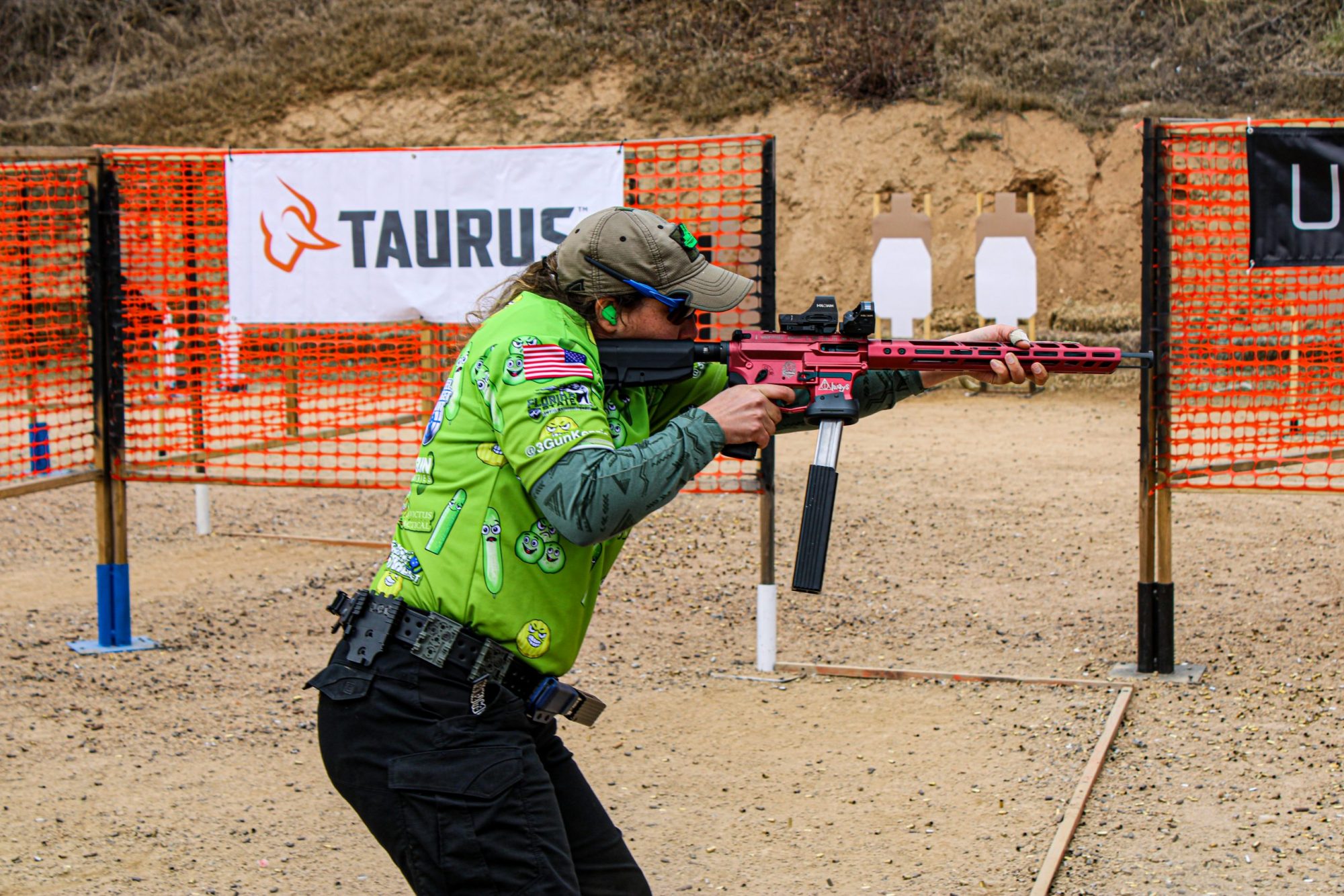
Why Do You Need Structured Training Drills?
Many shooters go to the range and just shoot aimlessly—aim, fire, aim again, fire again. While this approach burns through ammunition, it rarely leads to meaningful improvement.
Real progress comes from goal-oriented, measurable training drills. Classic drills are “classic” because they’ve been validated over decades to precisely target specific skills. Each drill has clear setup requirements, par times, and passing standards that tell you exactly where you stand and what to work on.
This guide covers 8 essential shooting drills, from basic accuracy exercises to advanced multi-target transitions, helping you build a comprehensive training system.
💡 Further Reading: To get the most from these drills, you need a reliable timing tool. Check out our Shot Timer App Complete Guide to learn how to train with your smartphone.
Drill Categories
Training drills can be categorized by their primary focus:
| Category | Representative Drill | Primary Training Goal |
|---|---|---|
| Accuracy | Dot Torture | Trigger control, sight alignment |
| Speed | Bill Drill | Rapid fire, recoil management |
| Transitions | Blake Drill | Target transitions, visual tracking |
| Comprehensive | El Presidente | Movement, draw, reload, multiple targets |
| Defensive | Mozambique Drill | Threat stopping, precision shooting |
| Assessment | F.A.S.T. Test | Overall skill evaluation |
Dot Torture: The Ultimate Accuracy Test
Dot Torture is one of the most popular accuracy drills, developed by legendary shooter John Shaw in the early 1990s. Its defining characteristic is zero tolerance for error—miss a single shot and you fail.
Target Setup
Dot Torture uses a specialized target with 10 two-inch diameter circles. Each dot has different shooting requirements.
Course of Fire (50 rounds total)
| Dot | Action | Rounds |
|---|---|---|
| #1 | Draw and fire 5 rounds (tightest group possible) | 5 |
| #2 | Draw, fire 1 round, holster. Repeat 5 times | 5 |
| #3 & #4 | Draw, fire 1 on #3, 1 on #4, holster. Repeat 4 times | 8 |
| #5 | Draw and fire 5 rounds (strong hand only) | 5 |
| #6 & #7 | Draw, fire 2 on #6, 2 on #7, holster. Repeat 4 times | 16 |
| #8 | From ready, fire 5 rounds (support hand only) | 5 |
| #9 & #10 | Draw, fire 1 on #9, reload, fire 1 on #10, holster. Repeat 3 times | 6 |
Distance and Standards
- Starting Distance: 3 yards
- Passing Standard: 50/50 hits inside the dots (100% accuracy)
- Progression: Once passed, increase distance (5, 7, 10 yards)
Training Focus
Dot Torture has no time limit—it emphasizes absolute precision. This drill develops:
- Stable trigger control
- Proper sight alignment habits
- Strong hand and support hand shooting
- Reload mechanics
💡 Tip: Dot Torture is ideal as your first drill of the session. Use it to “warm up” and ensure your fundamentals are solid.
Bill Drill: Balancing Speed and Control
The Bill Drill was developed by Bill Wilson, founder of Wilson Combat. It’s a classic test of rapid-fire capability that, despite its simplicity, reveals issues with recoil control and trigger manipulation.
Setup and Execution
- Distance: 7 yards
- Target: IPSC/USPSA standard target
- Start Position: Pistol holstered, hands relaxed at sides or surrender position
- Action: On buzzer, draw and fire 6 rounds into the A-zone
Time Standards
| Level | Time |
|---|---|
| Beginner | 4.5+ seconds |
| Intermediate | 3.5 seconds |
| Advanced | 2.5 seconds |
| Expert | 2.0 seconds |
| Master | 1.7 seconds or less |
Technical Keys
The key to the Bill Drill is staying relaxed. Many shooters tense up when they hear “rapid fire,” which actually slows them down.
- Visual Tracking: Let your eyes follow the front sight, don’t just stare at the target
- Trigger Reset: Complete the reset during recoil recovery
- Consistent Grip: Maintain the same grip pressure; don’t change it chasing speed
- Rhythm: Seek a steady cadence rather than explosive bursts
Common Mistakes
- Over-gripping: Causes arm tension and poor recoil absorption
- Full trigger release: Fully releasing the trigger between shots wastes time
- Ignoring sights: Sacrificing accuracy for speed results in scattered hits
💡 Training Tip: Set a PAR time (like 4 seconds) and focus on getting all 6 shots in the A-zone. Once consistent, gradually reduce the PAR time.
Blake Drill: Target Transition Specialist
The Blake Drill, designed by shooter Blake Miguez, specifically trains multi-target transitions. What makes it unique: the goal time is the same as the Bill Drill, but you must transition between three targets.
Setup and Execution
- Distance: 7 yards
- Targets: 3 IPSC targets, spaced about 1 yard apart
- Start Position: Pistol holstered
- Action: Draw and fire 2 rounds on each target (6 rounds total)
Time Standards
- Goal Time: 2.0 seconds (same as Bill Drill)
- Advanced Goal: Under 1.8 seconds
Core Technique
The essence of the Blake Drill: make your transitions equal your splits.
What does this mean? If your split time (interval between shots) is 0.20 seconds, your transition time between targets should also be around 0.20 seconds.
Training Method
- Eyes Lead: Your eyes should be on the next target before the gun arrives
- Aggressive Gun Movement: Let vision guide the muzzle, don’t search with the gun
- Preset Rhythm: Establish a fixed firing rhythm in your mind
- Minimal Movement: Move only what’s necessary; don’t over-rotate your body
Comparison with Bill Drill
| Element | Bill Drill | Blake Drill |
|---|---|---|
| Targets | 1 | 3 |
| Rounds | 6 | 6 |
| Goal Time | 2.0 sec | 2.0 sec |
| Primary Focus | Rapid fire speed | Target transitions |
El Presidente: The Benchmark of Comprehensive Skills
El Presidente is the shooting world’s most famous comprehensive drill, developed by “Father of Modern Combat Shooting” Jeff Cooper while training South American presidential security details. It remains an official USPSA/IPSC classifier to this day.
Setup and Execution
- Distance: 10 yards
- Targets: 3 IPSC targets, spaced about 1 yard apart
- Start Position: Facing uprange (away from targets), hands in surrender position, pistol holstered, spare magazine ready
- Action:
- On buzzer, turn to face targets
- Draw and fire 2 rounds on each target (6 rounds)
- Reload
- Fire 2 more rounds on each target (6 rounds)
Time Standards
| Level | Time |
|---|---|
| Passing | 10 seconds |
| Good | 7 seconds |
| Professional | 5 seconds |
| Elite | Under 4 seconds |
Training Value
El Presidente became a classic because it tests nearly every core skill in just 10 seconds:
- Body Coordination: The turn movement
- Draw Technique: Drawing from surrender position
- Multi-target Engagement: Transitioning between three targets
- Reloading: Magazine change under pressure
- Accuracy: All 12 rounds must hit scoring zones
Cooper’s Standard
Jeff Cooper believed a properly executed El Presidente should have a steady firing rhythm: six evenly-spaced shots, a pause for the reload, then six more evenly-spaced shots. This rhythm indicates the shooter achieved proper sight picture for each shot.
Variations
Vice Presidente (Beginner Version):
- Start facing the targets (no turn required)
- Reduce distance to 7 yards
- Suitable for those not yet proficient in turn-and-draw
Mozambique Drill: Threat Stopping Training
The Mozambique Drill, also known as the Failure Drill or Failure to Stop, is designed for rapid threat neutralization in defensive shooting scenarios.
Historical Background
This drill originated from real combat experience. In the 1970s, Rhodesian mercenary Mike Rousseau encountered a FRELIMO fighter armed with an AK-47 at close range during the Mozambican War of Independence. He quickly fired two rounds to the chest, but the enemy didn’t go down. In the heat of the moment, he followed up with a headshot, ending the threat.
Rousseau shared this experience with Jeff Cooper, who subsequently developed it into a standardized training drill.
Why This Drill Matters
In real defensive situations, two chest shots may not immediately stop a threat due to:
- Body armor
- Drug-induced pain tolerance
- Failure to hit vital organs
- Adrenaline-induced temporary numbness
Therefore, the third headshot ensures immediate incapacitation through central nervous system disruption.
Setup and Execution
- Distance: 7 yards
- Target: Humanoid silhouette with marked head zone
- Start Position: Pistol holstered
- Action: Draw, fire 2 rounds to chest, then 1 round to head
Time Standards
| Level | Time |
|---|---|
| Passing | 5.0 seconds |
| Good | 3.5 seconds |
| Excellent | 2.5 seconds |
| Expert | Under 1.5 seconds |
Technical Points
- Assessment Habit: After chest shots, quickly assess if a headshot is needed
- Visual Transition: Shift focus from chest aiming point to head aiming point
- Accuracy First: The headshot must hit; better slightly slower than to miss
- Target Area: Aim for the region between eyebrows and upper lip (brainstem location)
Modern Applications
In counter-terrorism operations, due to suicide vest threats, the Mozambique concept has evolved toward prioritizing headshots directly. However, for general defensive training, this drill remains foundational.
F.A.S.T. Test: Comprehensive Skill Assessment
F.A.S.T. (Fundamentals, Accuracy, & Speed Test) was developed by the late shooting instructor Todd Louis Green. This cleverly designed skill assessment uniquely combines precision shooting, speed shooting, and a reload component.
Setup and Execution
- Distance: 7 yards
- Target: Specialized target with a 3x5 inch card on top (head) and 8-inch circle below (body)
- Start Position: Pistol concealed and holstered, 2 rounds in magazine, spare magazine with at least 4 rounds
- Action:
- Draw and fire 2 rounds at the head card
- Slidelock reload
- Fire 4 rounds at the body circle
Scoring
- Base Time: Total time recorded by shot timer
- Penalties:
- Head zone miss: +2 seconds
- Body zone miss: +1 second
Ratings
| Level | Adjusted Time |
|---|---|
| Novice | Over 10 seconds |
| Intermediate | 7-10 seconds |
| Advanced | 5-7 seconds |
| Expert | Under 5 seconds |
F.A.S.T. Challenge Coin
Todd Green awarded numbered commemorative challenge coins to shooters who achieved sub-5-second runs with zero misses, twice. The current world record is Dave Sevigny’s 3.56 seconds.
Training Value
The F.A.S.T. test evaluates:
- Drawing from concealment
- Precision shooting on small targets
- Slidelock reload speed
- Adapting from a precision target to a larger target
💡 Tip: F.A.S.T. is ideal as a “cold start” test—run it first thing at the range to assess your true ability without warm-up.
2-Reload-2 Drill: Reload Technique Training
2-Reload-2 is a fundamental drill specifically designed to train reload technique. Simple to set up, but highly effective.
Setup and Execution
- Distance: 7 yards
- Target: Any standard target
- Magazine Prep: First magazine with 2 rounds, spare magazine with at least 2 rounds
- Start Position: Pistol holstered
- Action: Draw, fire 2 rounds, slidelock reload, fire 2 more rounds
Time Standards
- Goal Time: 3.5 seconds (including draw)
- Expert Level: Under 2.5 seconds
Variations
Tactical Reload Version:
- First magazine with 4 rounds, fire 2, then perform tactical reload
- Trains proactive reloading before empty
Stress Test Version:
- Randomly load varying round counts (1-4 rounds)
- Shooter doesn’t know when slidelock will occur
- Trains immediate response to empty gun
Cold Start Drill: Testing Real-World Capability
The Cold Start concept: test your ability with no warm-up whatsoever. Because real defensive situations won’t give you time to warm up.
Why Cold Start Matters
Many shooters perform best later in their practice session, but this doesn’t represent their true capability. Studies show performance can differ 20-30% between cold and warmed-up states.
Your Cold Start score is what you can actually rely on in an emergency.
Cold Start Training Methods
Method 1: Fixed Drill Cold Start
- Every range session, start with a timed standard drill (like Bill Drill)
- Record scores and track long-term trends
Method 2: Random Drill Cold Start
- Prepare 5-6 cards with different drills
- Randomly draw one at the range and execute it
- Eliminates mental preparation advantage
Recommended Cold Start Drills
- Bill Drill: Tests basic rapid-fire capability
- Mozambique Drill: Tests precision transitions
- F.A.S.T. Test: Comprehensive skill assessment
Building Your Training Plan
Weekly Training Suggestions
| Day | Focus | Recommended Drills |
|---|---|---|
| Day 1 | Accuracy | Dot Torture, slow-fire precision |
| Day 2 | Speed | Bill Drill, Blake Drill |
| Day 3 | Comprehensive | El Presidente, F.A.S.T. |
Ammunition Allocation (per 100-round session)
- Warm-up: 10 rounds (slow precision shooting)
- Main Drills: 60 rounds (2-3 drills)
- Cold Start Recording: 6-12 rounds
- Free Practice: 18-24 rounds
Progress Tracking
Maintain a training journal recording:
- Date and weather conditions
- Drills performed and scores
- Cold Start results
- Issues identified and improvement plans
The Importance of Using a Shot Timer
All these drills require a shot timer to be maximally effective. Without timing, you can’t know if you’re improving, nor can you set concrete goals.
Shot Timer functions:
- Precise Timing: Records total time and split times between shots
- PAR Time Setting: Set goal times to force completion under pressure
- Random Delay: Simulates real-world unpredictability
💡 Recommended Tool: Airsoft Shot Timer App provides professional-grade timing with FFT frequency domain analysis and wind noise filtering, accurately detecting both dry fire and live fire.
Frequently Asked Questions
Q1: Which drill should beginners start with?
A: Start with Dot Torture. This drill has no time pressure, letting you focus on building correct fundamentals. Once you can hit 100% at 5 yards, move to speed training.
Q2: How often should I test Cold Start?
A: Test Cold Start every practice session. This not only tracks your true ability but helps build a “ready anytime” mindset.
Q3: What if I don’t have specialized targets?
A: Most drills have alternatives:
- Dot Torture: Use tape to create 2-inch circles
- Bill Drill: Any target with an A-zone marking
- El Presidente: Three standard targets side by side
Q4: Can these drills be used for dry fire training?
A: Most can be dry-fired, except those requiring reloads. However, dry fire cannot train recoil management, so live fire remains essential.
Q5: How do I know when to advance to the next difficulty?
A: When you can consecutively achieve the current level’s standard time with zero misses three times, you’re ready for the next challenge.
Q6: Should I practice Bill Drill or Blake Drill first?
A: Start with Bill Drill. Once you can consistently complete it in under 2.5 seconds, move to Blake Drill. Target transitions build on stable rapid-fire fundamentals.
Q7: What are the key points for the El Presidente turn?
A: When turning, “let your eyes lead your body”—eyes find the target first, body follows, while simultaneously beginning the draw. Avoid completing the turn before starting the draw, which wastes time.
Q8: Are these drills suitable for airsoft players?
A: Absolutely. While these drills originated in live-fire shooting, the principles fully apply to airsoft. You can practice identical drills with AEGs or gas blowback pistols to improve reaction speed and accuracy.
Summary
Structured training drills are the most effective method for improving shooting skills. From Dot Torture’s accuracy training to El Presidente’s comprehensive test, each drill offers unique training value.
Remember these key points:
- Start with fundamentals: Master Dot Torture and Bill Drill first
- Use a timer: No timing means no progress
- Track records: Maintain a training journal, recording every score
- Cold Start testing: Know your true capability
- Progress gradually: Reach standards before increasing difficulty
Now pick a drill, grab your Shot Timer, and hit the range!
Related Articles
- Shot Timer App Complete Guide
- Complete Guide to Pistol Draw Techniques
- Complete Guide to Fast Magazine Reloads
- IPSC Practical Shooting Complete Training Guide
- IDPA Defensive Pistol Complete Training Guide
- Complete Guide to Dry Fire Training
- Shooting Training
- Shooting Drills
- Bill Drill
- El Presidente
- Dot Torture
- IPSC
- IDPA
- Shot Timer
- Dry Fire Training
- Live Fire Training