Below you will find pages that utilize the taxonomy term “Shooting Training”
Posts
read more
AMG Shot Timer Review & Instructions 2026: Commander vs Sidekick Setup Guide
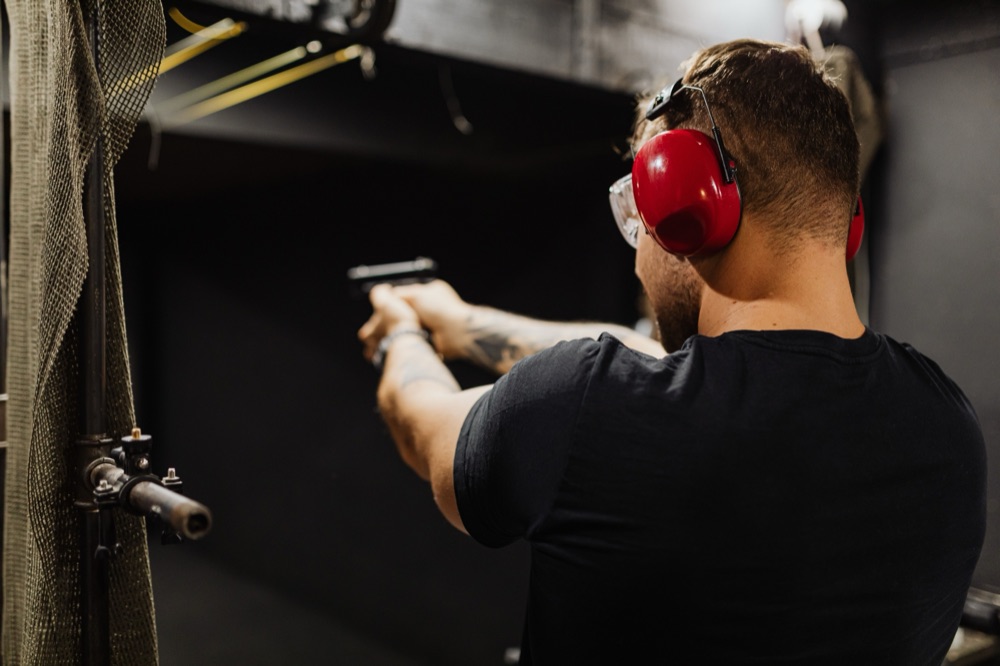
The first time you notice an AMG timer at a USPSA match, it usually isn’t because it looks good. It’s the sound. You’re wearing plugs under muffs, your eyes are locked on the first target, your brain has gone completely blank — and that 105dB beep still punches through both layers of hearing protection and lands squarely in your skull. That’s the moment you start to understand why people are willing to wait three months for a shot timer.
Posts
read more
How to Clean a Pistol in 6 Steps + Recoil Spring & Airsoft GBB Maintenance (2026)
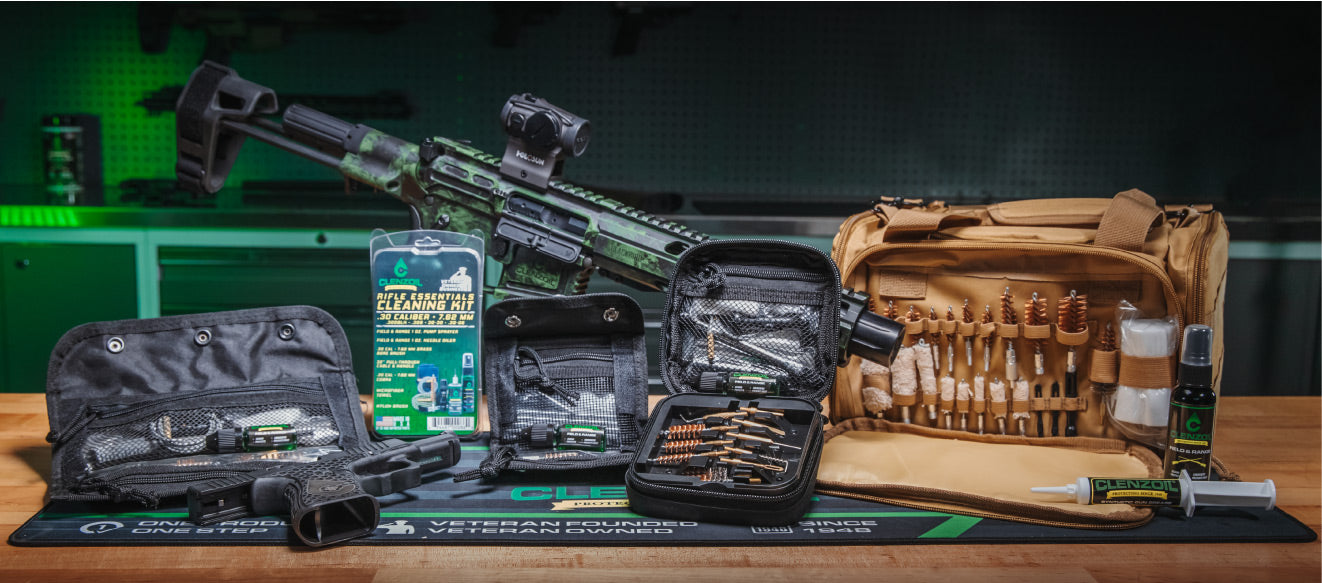
Why Gun Cleaning Is a Skill Every Shooter Needs
The first time I took my pistol apart for cleaning, I stared at the recoil spring sitting on the mat and wondered if I’d ever get it all back together. That’s a feeling every new gun owner knows. But here’s the thing — cleaning a pistol is far simpler than it looks, and once you’ve done it two or three times, the whole process becomes second nature.
Posts
read more
Best Gun Cleaning Kit 2026: 5 Kits Tested & Ranked ($25–$150)
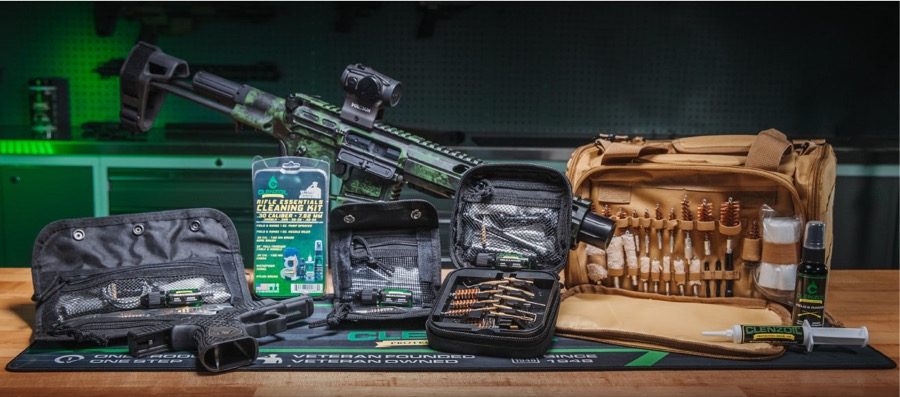
Why You Need a Proper Cleaning Kit
A lot of first-time gun owners pour their entire budget into ammunition and accessories, then pick up the cheapest cleaning kit they can find as an afterthought. It’s completely understandable — who doesn’t want to spend money on cooler gear? But reality has a way of catching up. Carbon buildup in the barrel degrades accuracy, a slide that’s starved of lubricant starts slugging, and the worst-case scenario hits when your pistol jams during a critical IPSC stage. That kind of experience sticks with you.
Posts
read more
Best Laser Training Pistol 2026: TitanX vs SIRT vs Mantis vs Strikeman

Why You Need a Laser Training System
If you’ve ever been serious about improving your shooting, you’ve run into the same problem everyone does: you want to practice, but you can’t hit the range every day. Between range fees, ammunition costs, and travel time, putting in a daily 30-minute practice session becomes a luxury.
Posts
read more
Complete Guide to Handgun Ammunition & Caliber Selection: From Basics to Competition Shooting
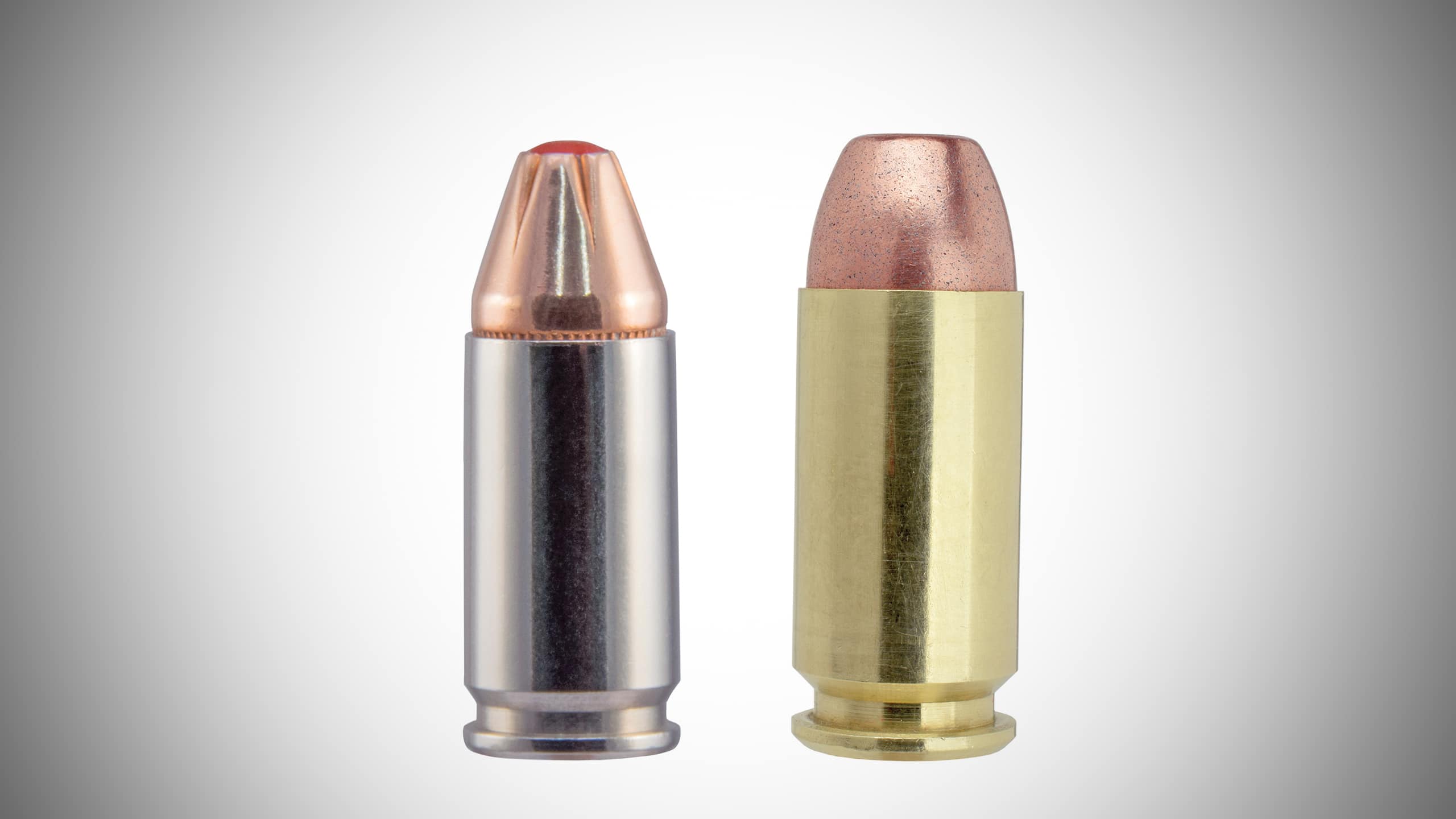
Why Does Ammunition Selection Matter So Much?
In the shooting sports world, most people focus on the firearm itself — the brand, model, and how it feels in hand — while often overlooking an equally important factor: ammunition. In reality, your ammunition choice directly affects shooting accuracy, felt recoil, training costs, and even determines whether you can legally compete in a match.
Posts
read more
Gun Safety Rules 2026: 4 Cardinal Rules for Range, IPSC & Airsoft
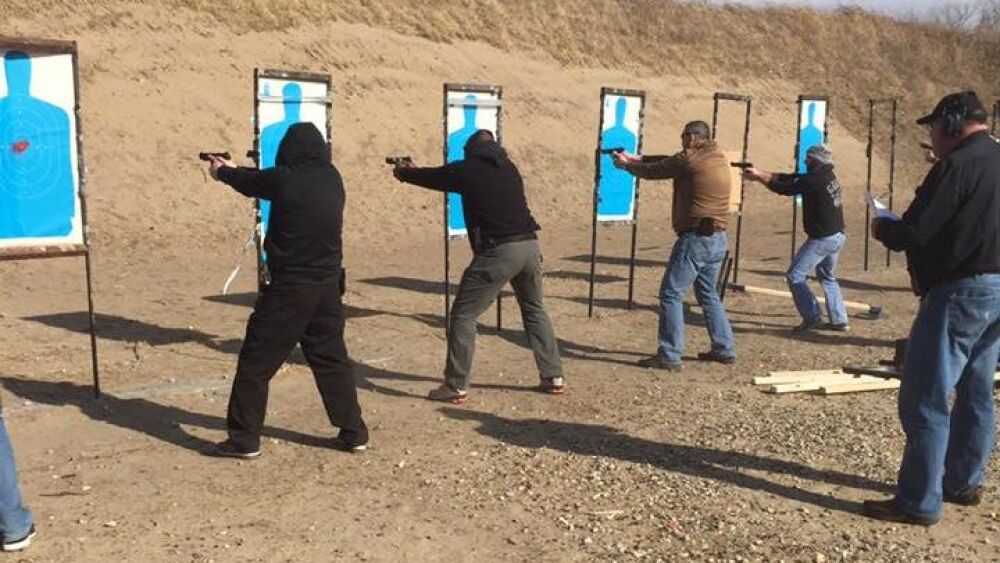
The 4 Cardinal Rules of Gun Safety (Quick Answer)
The 4 cardinal rules of gun safety are:
- Treat every firearm as if it is loaded — always check the chamber, never assume a gun is empty.
- Never point the muzzle at anything you are not willing to destroy — safe direction, every second, no exceptions.
- Keep your finger off the trigger until your sights are on target and you have decided to shoot — indexed above the trigger guard otherwise.
- Know your target and what is beyond it — bullets over-penetrate, miss, and ricochet; identify the backstop before you fire.
These four rules were codified by Colonel Jeff Cooper and are now taught by the NRA, NSSF, and every major law-enforcement and military program worldwide. They work as a layered defence: follow all four and an accident becomes almost impossible.
Posts
read more
Shooting Training Plan 2026: 5 Steps to Build One (+ Free Dry Fire Schedule You Can Copy Tonight)
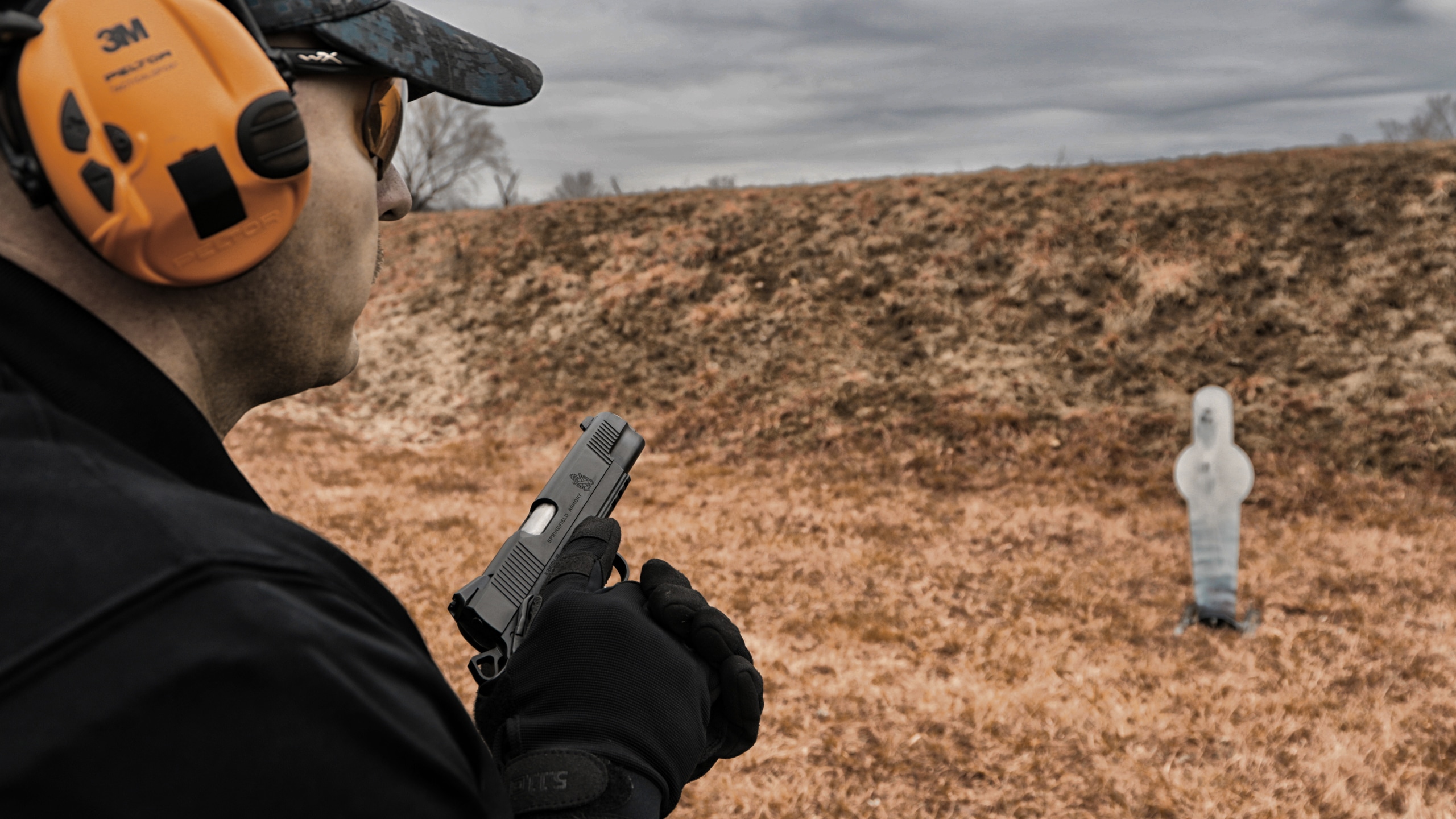
Why Do You Need a Training Plan?
“I go to the range every week, but I don’t seem to be improving.” — This is a common frustration among shooters. The problem often isn’t about not practicing enough, but rather the lack of a systematic training plan.
Posts
read more
Tap Rack Bang: How Long Each Malfunction Clearance Should Take (Type 1, 2 & 3)
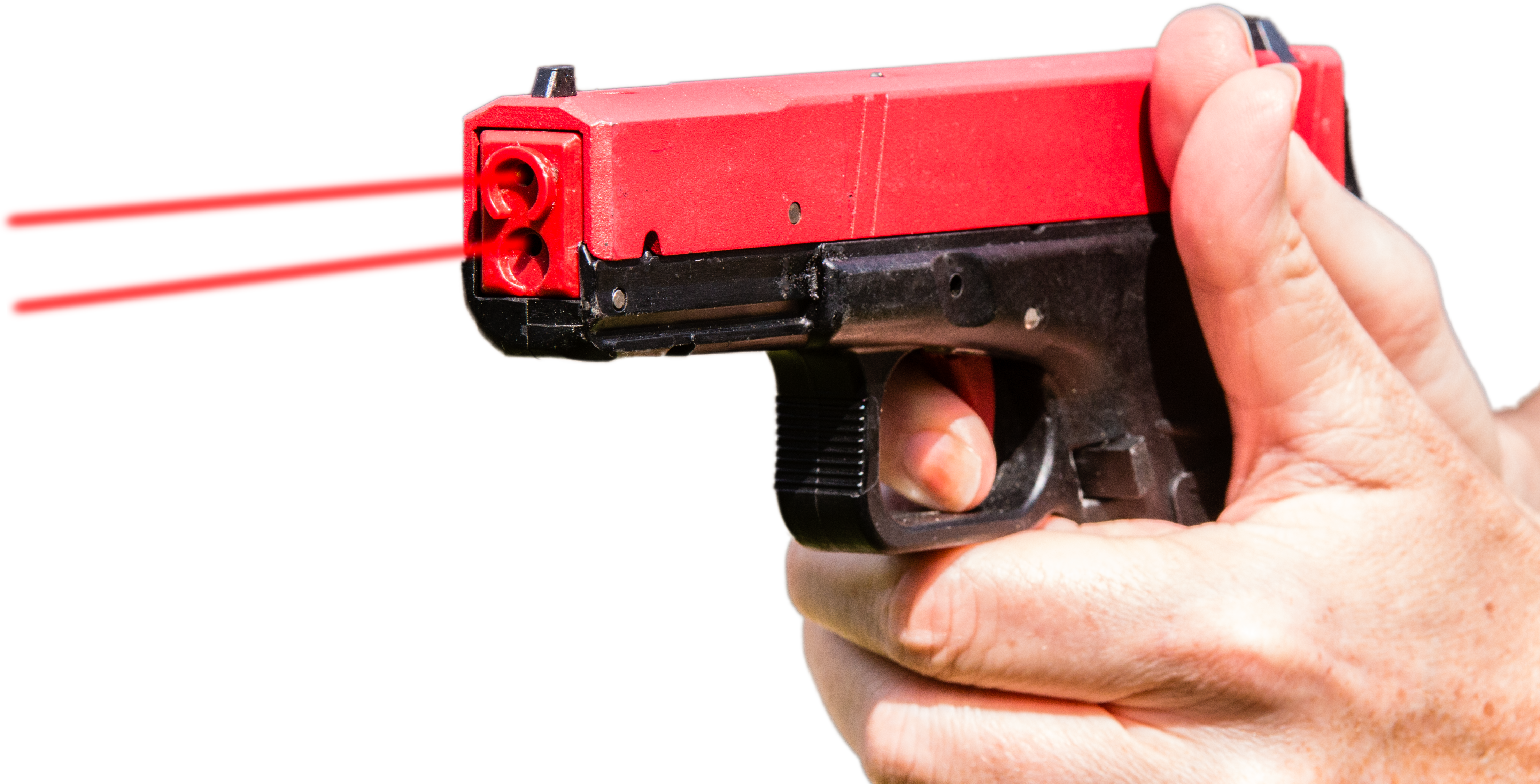
The 60-Second Answer: Tap, Rack, and When It Will Not Work
“Tap, rack, bang” is genuinely the right answer — for one of the three malfunctions you will actually meet. The reason people stand there racking a dead gun is that nobody told them what the other two feel like.
Posts
read more
Best Shot Timer App 2026: 13 Apps Tested (iPhone, Android, Airsoft)
Last year, a friend showed up to our weekly airsoft session with a $130 CED 7000 shot timer strapped to his belt. He timed his draw a few times, then spent the rest of the afternoon fighting wind-noise false triggers because the thing was designed for live-fire ranges, not GBB pistols popping at half the decibel level. Meanwhile, I pulled out my phone, opened AirsoftShotTimer, and ran twenty clean strings without a single misfire. That $130 timer went back in its box by the end of the day.
Posts
read more
Average Pistol Draw Time 2026: What's Normal, What's Good, and How to Get Faster
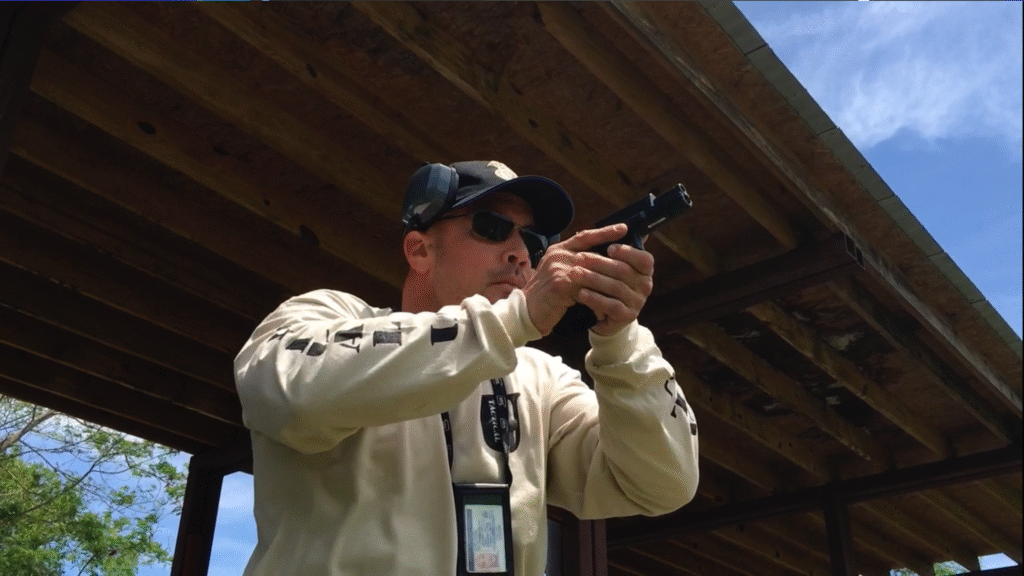
Why Is Draw Technique So Important?
In competitive shooting and defensive situations, the draw stroke is where everything begins. Whether you’re competing for first-shot advantage in IPSC or simulating defensive scenarios in IDPA, a smooth and fast draw is a fundamental skill every shooter must master.
Posts
read more
How to Grip a Pistol: Grip Pressure Numbers, Thumbs Forward & 4 Grip Styles Compared
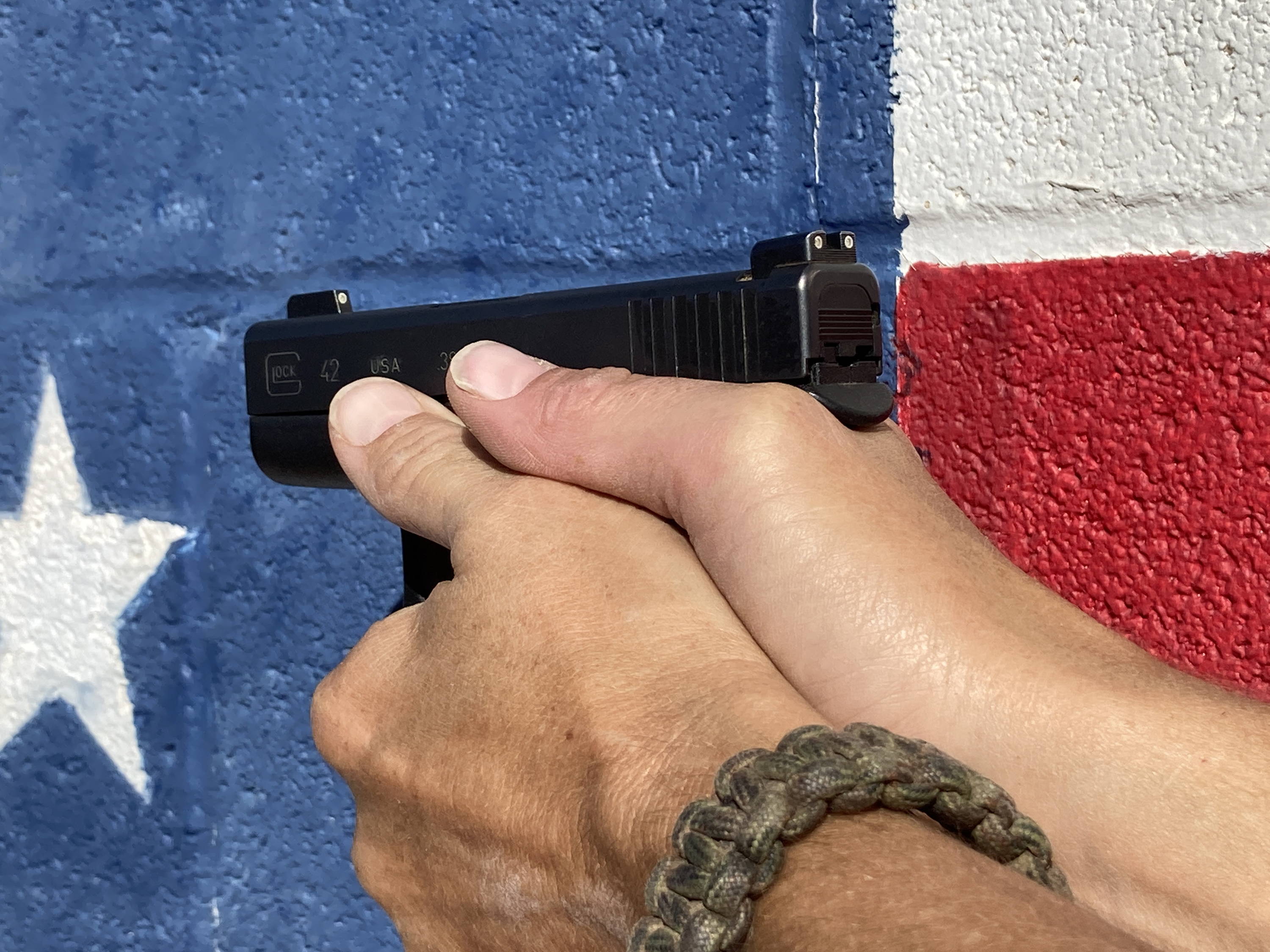
The 60-Second Answer: How to Grip a Pistol
If you only read one section, read this one. A correct two-handed pistol grip is four decisions, and all four have specific answers.
Posts
read more
Complete Guide to Shooting Breath Control: Natural Respiratory Pause and Tactical Breathing Techniques
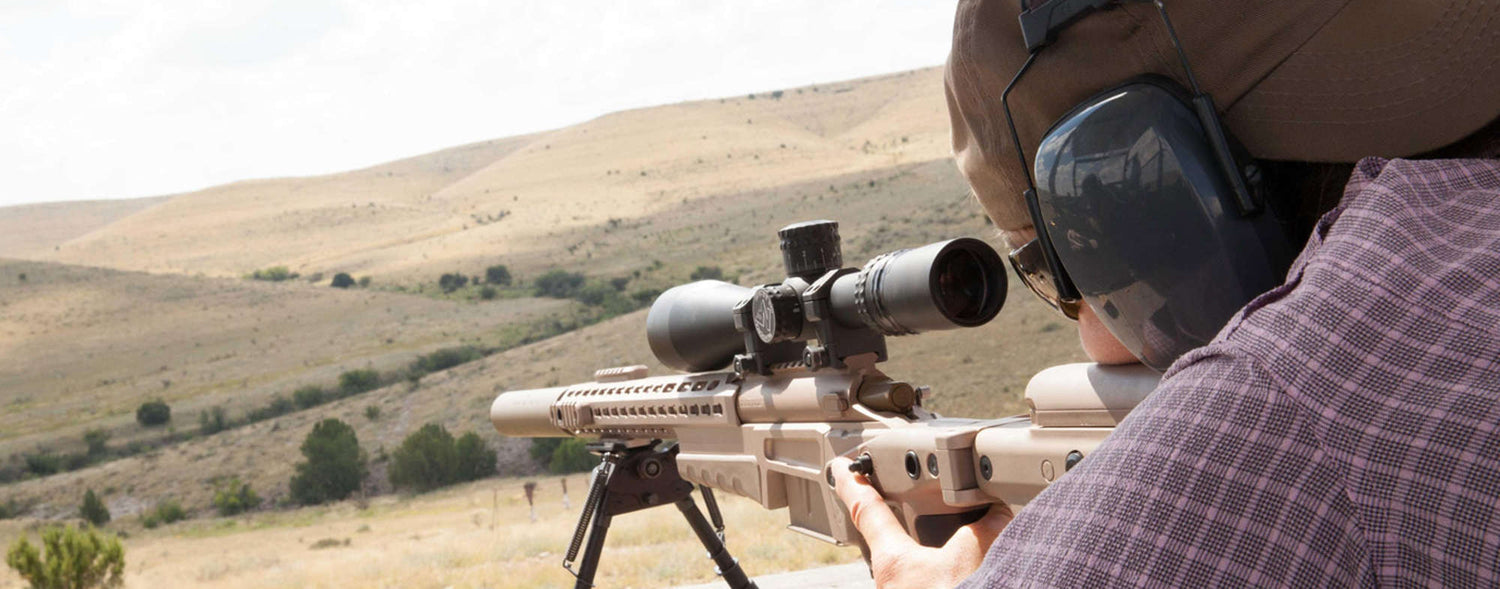
Why Is Breath Control a Critical Element in Shooting?
Breath control is a crucial shooting technique that’s often overlooked. Many shooters focus on stance, grip, and trigger control while forgetting a fundamental fact: every breath causes your body to move, which affects where your muzzle points.
Posts
read more
Trigger Discipline & Trigger Control: The Complete Pistol Guide
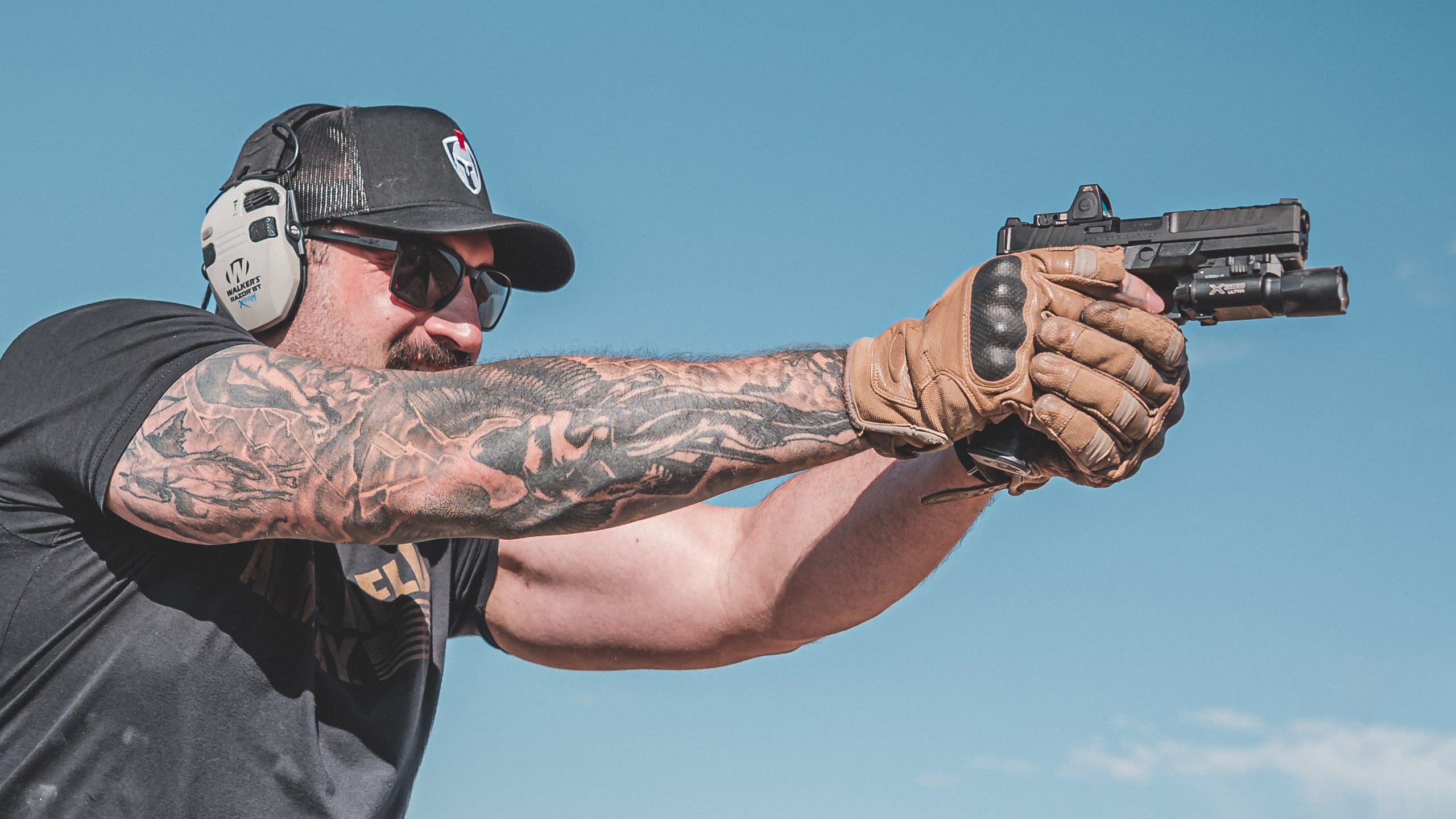
Why Is Trigger Control the Final Mile in Shooting?
Trigger control is the final mile in achieving accurate hits. Even if your stance is perfect, your grip is stable, and your aim is precise, if the muzzle moves during the trigger press, the bullet will miss its target—all your effort wasted.
Posts
read more
How to Aim a Pistol: The 4 Sight Pictures, Where to Focus Your Eye, and Red Dot vs Irons
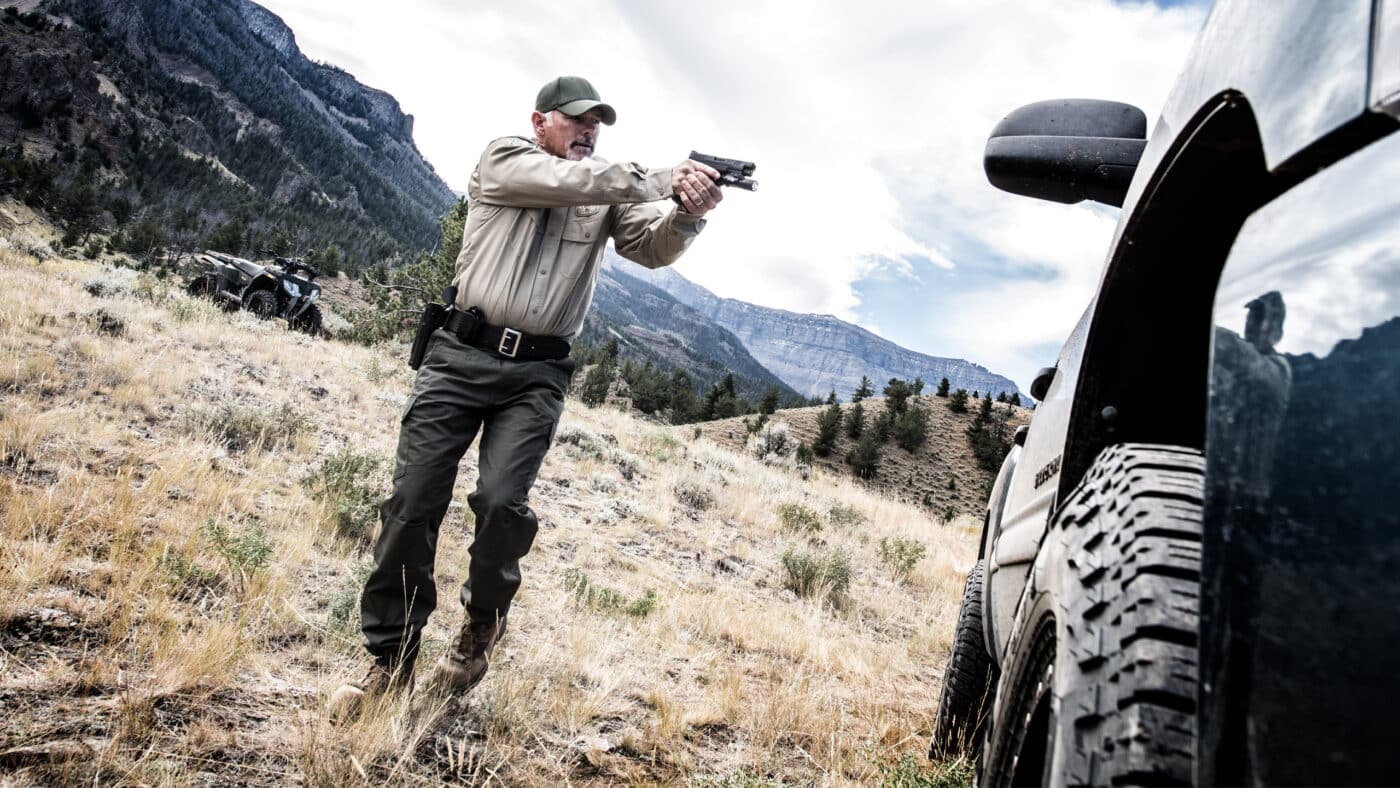
The 60-Second Answer: How to Aim a Pistol
Aiming is two separate problems that get taught as one, and separating them fixes most people’s groups.
Problem one is sight alignment — the relationship between the front sight and the rear notch, independent of the target. Front sight centred left-to-right in the notch, top edge level with the top of the notch. This is the part that must be perfect, because an error here multiplies with distance: a front sight sitting one notch-width off throws the shot several inches at 10 yards and roughly a foot at 25.
Posts
read more
Weaver vs Isosceles Stance: Which Pistol Shooting Stance Wins in 2026 (and Why)
Weaver vs Isosceles in 60 Seconds
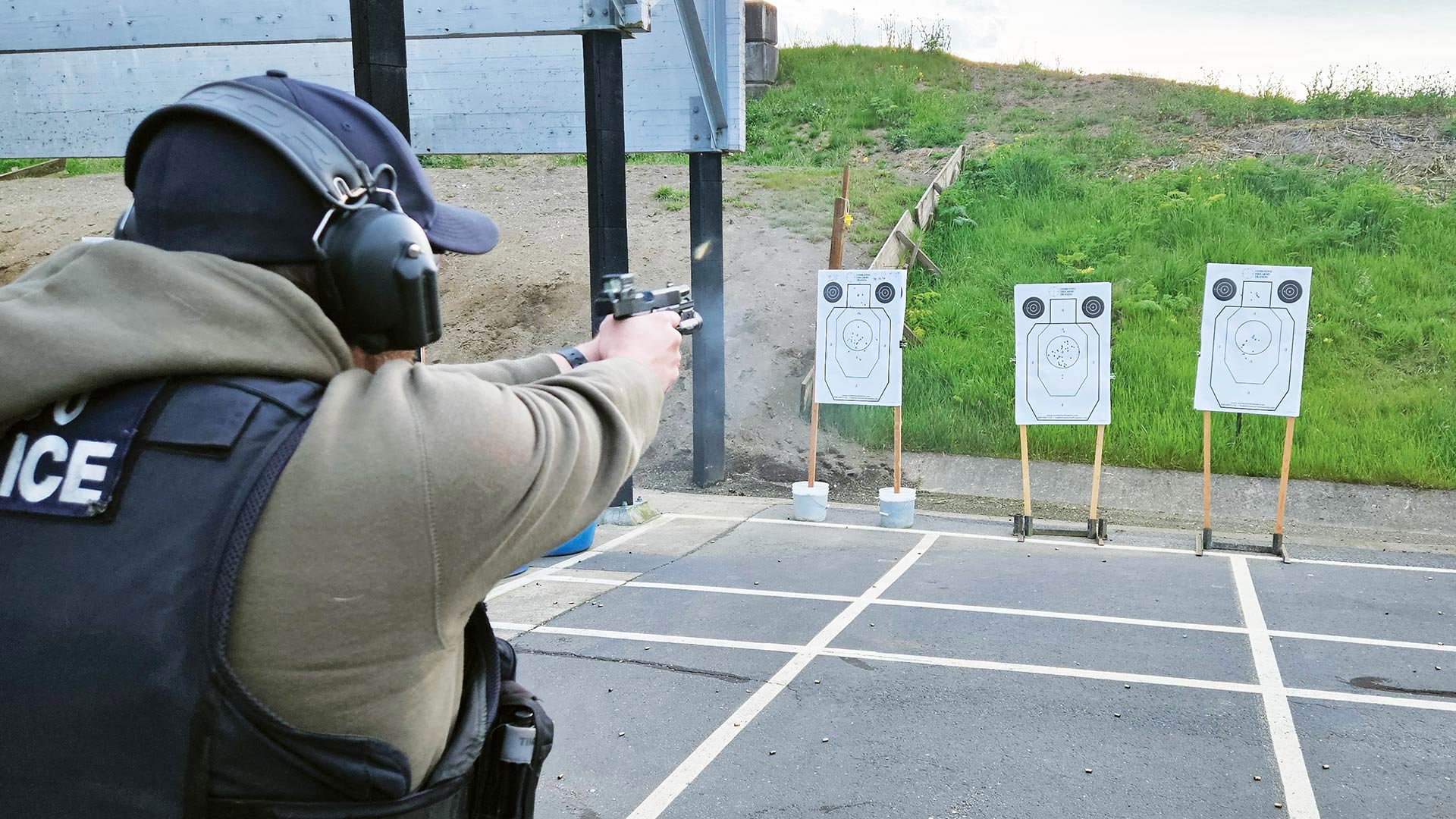
If you only read one paragraph, read this one. The Weaver stance is bladed, with the gun-side foot back, both elbows bent and a push-pull tension between the hands. The Isosceles stance is squared to the target with both arms pushed out so they form a triangle with your chest. The Chapman (or modified Weaver) keeps the bladed feet but locks the gun arm straight like a rifle stock. The Modern Isosceles keeps the squared chest, staggers the feet slightly, drops the shoulders in front of the hips and softens the elbows. That last one is what you will see on nearly every IPSC, USPSA and Steel Challenge winner today, and it is what we recommend you build first.
Posts
read more
Dry Fire Training at Home: Do You Need a System? 6 Drills + Best Free App
Quick Start: Dry Fire Training at Home Tonight
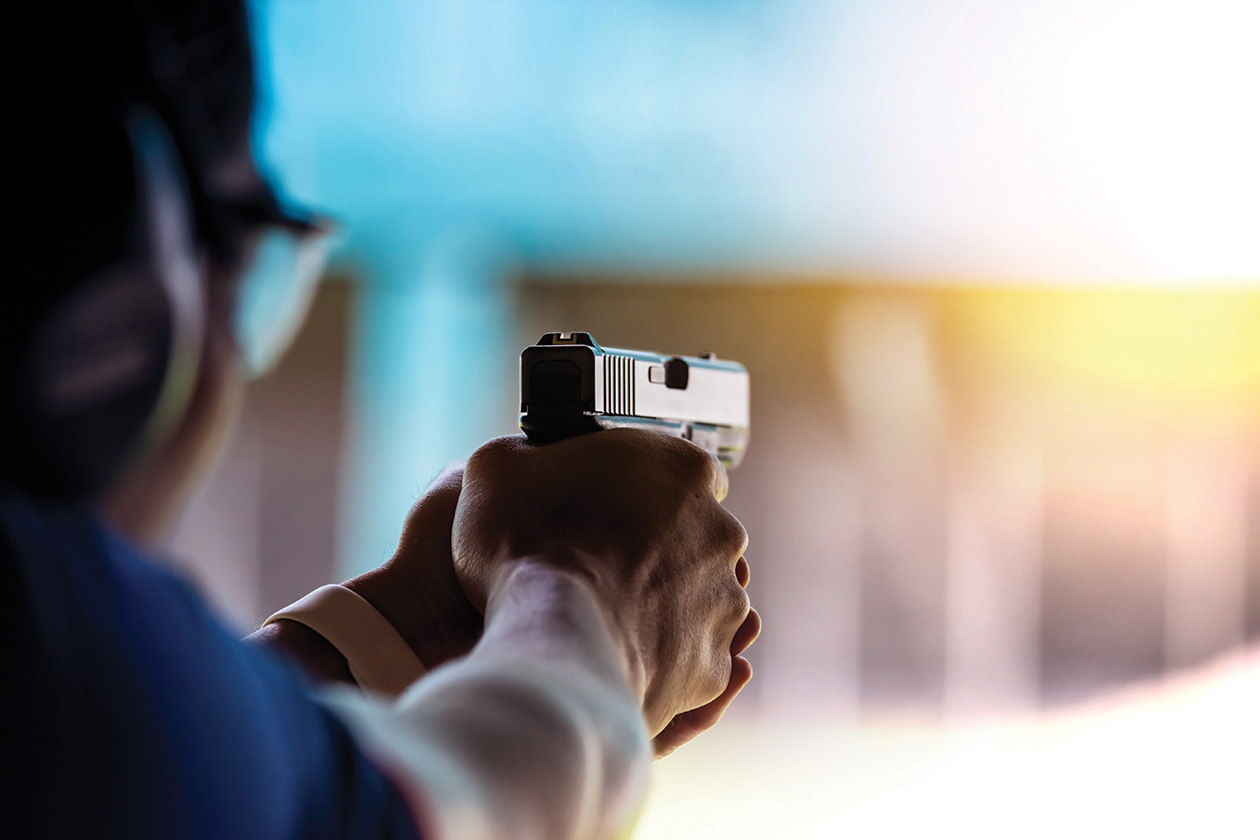
Short on time? Here’s everything you need to start dry fire training at home today, then the full guide below.
Posts
read more
How to Use a Shot Timer 2026: The 3 Levels Most Shooters Skip
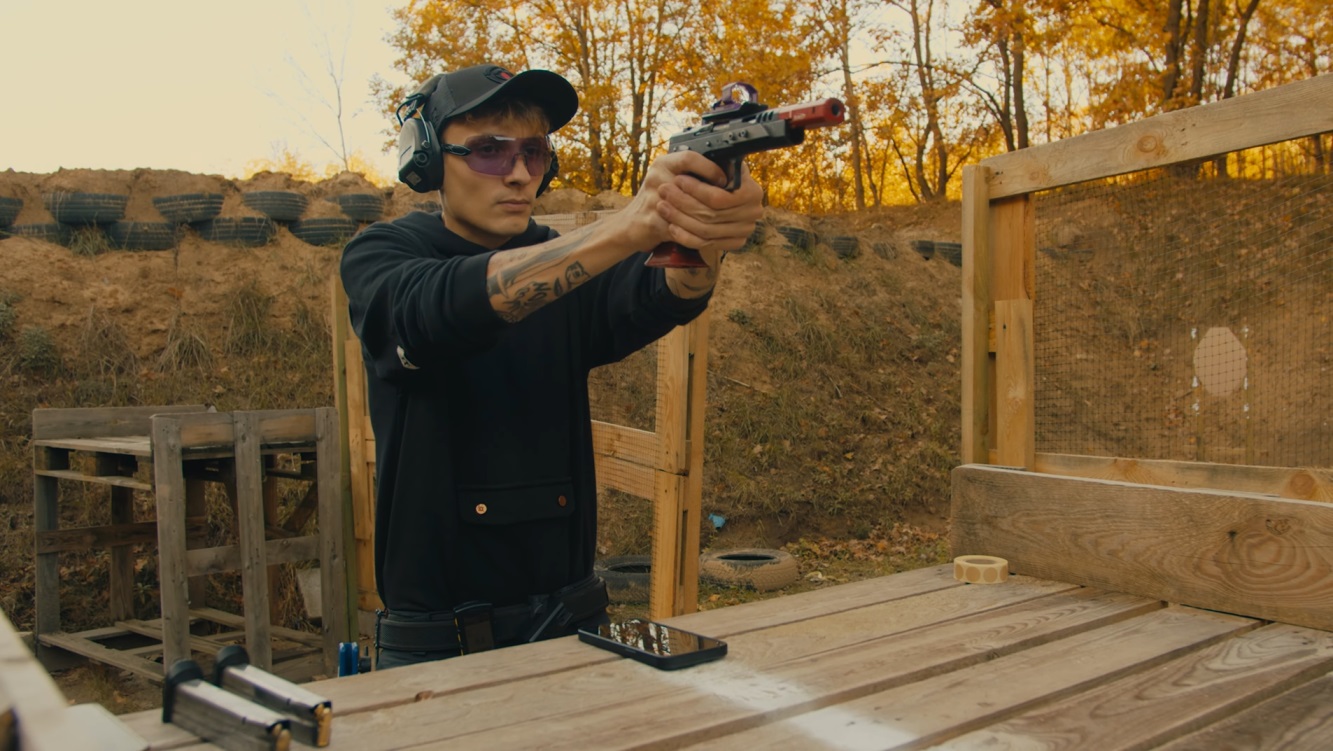
The 60-second version: Operating a shot timer is trivial — press the button, wait for the beep, shoot, look at the screen. Learning to read what it gives back is the part nobody teaches. Almost everyone stops at level one: the single overall time for the drill. The timer is actually handing you a per-shot breakdown that tells you exactly where your seconds went, and a second beep that shows you what a faster time physically feels like. This guide covers how the microphone decides something was a shot, what each number on the display means, the three levels of reading a string, the four settings worth changing on your first session, and the specific moments when the number on the screen is not telling you the truth.