Below you will find pages that utilize the taxonomy term “USPSA”
Posts
read more
USPSA Divisions Explained 2026: All 8 Divisions, Capacity Rules & Which One Your Gun Already Fits
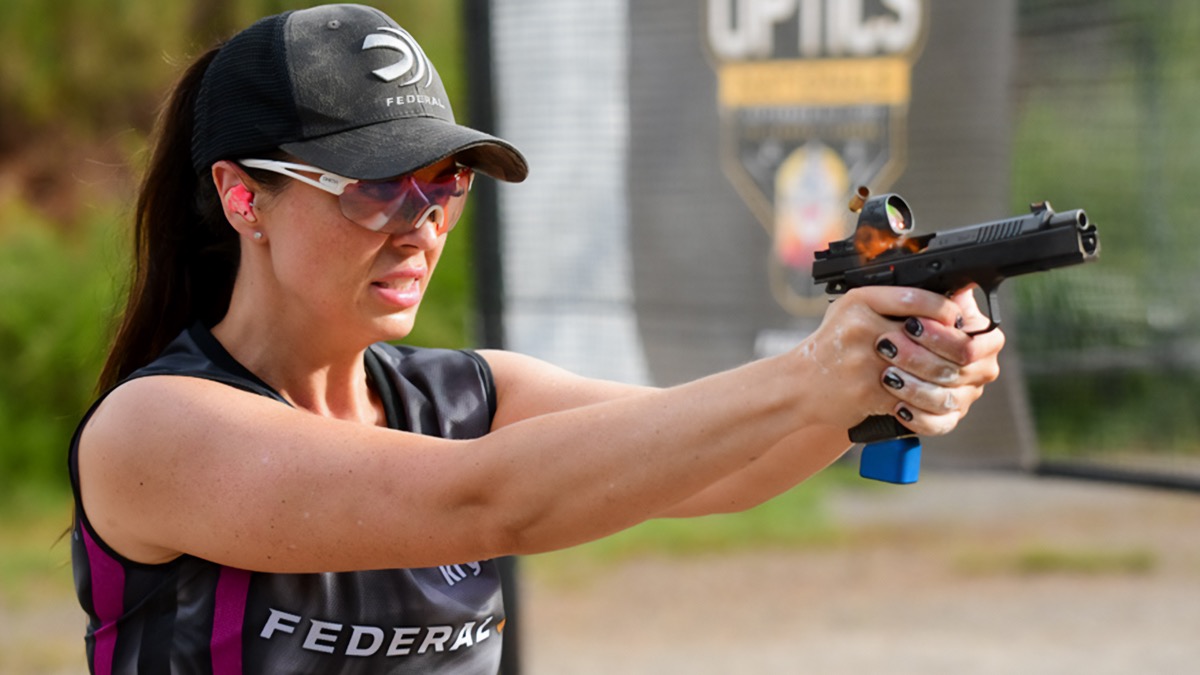
USPSA Divisions in 60 Seconds (BLUF)
Short answer: USPSA runs eight divisions — Carry Optics, Limited Optics, Open, Limited, Production, Single Stack, Revolver and PCC — and the gun already in your safe decides most of it for you. Stock striker-fired 9mm with a slide-mounted red dot → Carry Optics. A 2011, or any pistol wearing a flared magwell, with a red dot → Limited Optics. Anything with a compensator or a frame-mounted optic → Open, whether you wanted that or not. Iron sights on a duty pistol → Production (15 rounds loaded) or Limited. A .45 1911 → Single Stack. A wheelgun → Revolver. A 9mm carbine → PCC.
Posts
read more
AMG Shot Timer Review & Instructions 2026: Commander vs Sidekick Setup Guide
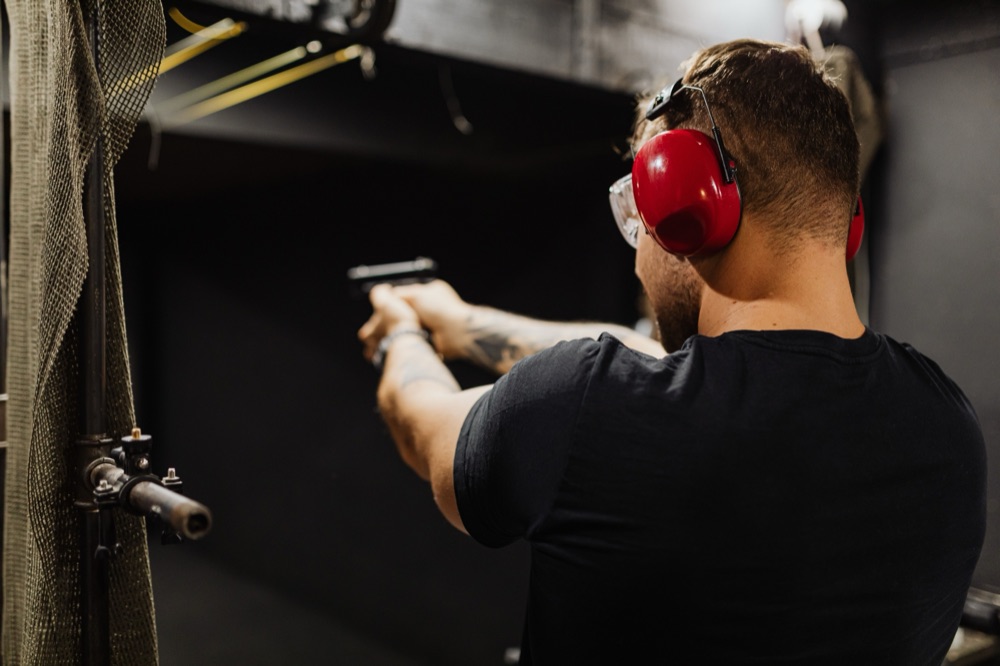
The first time you notice an AMG timer at a USPSA match, it usually isn’t because it looks good. It’s the sound. You’re wearing plugs under muffs, your eyes are locked on the first target, your brain has gone completely blank — and that 105dB beep still punches through both layers of hearing protection and lands squarely in your skull. That’s the moment you start to understand why people are willing to wait three months for a shot timer.
Posts
read more
El Presidente Shooting Drill: How to Run It, What's a Good Time & USPSA 99-11 Scoring (2026)
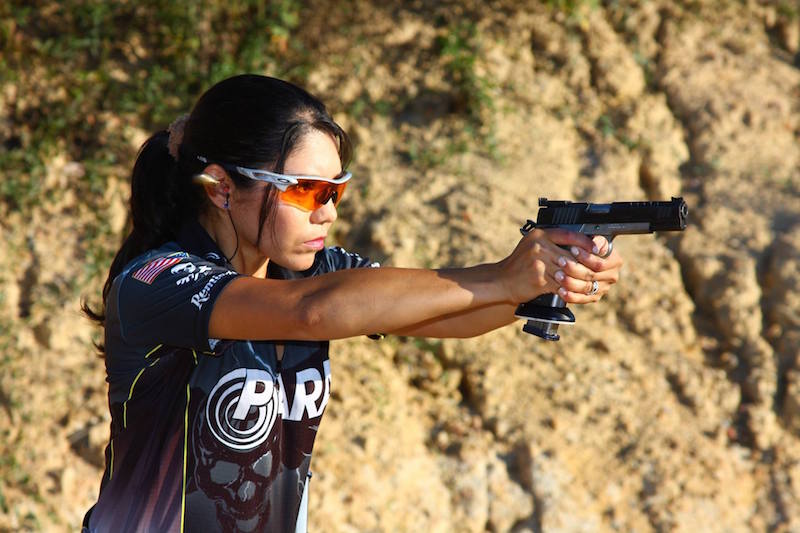
The El Presidente in 60 seconds (BLUF)
- What it is: Face uprange at 10 yards, turn on the beep, draw, fire two rounds on each of three targets, reload, and fire two more on each — 12 rounds total against the clock.
- Who made it: Jeff Cooper, who built it in the 1970s to gauge pistol proficiency for a presidential security detail in Latin America and published it in American Handgunner in 1979 — hence “El Presidente,” or “El Prez” for short. Full history below.
- It’s still a live classifier: El Prez is USPSA classifier CM 99-11 — a 12-round, 60-point, Virginia Count course. Shoot it at a match and it moves your classification.
- What’s a good time? The classic benchmark is a clean run in 10 seconds (all 12 in the A-zone). But USPSA scores it on hit factor, and for a clean run the conversion is dead simple: 60 ÷ your hit factor = your time. A 10 hit factor is 6.0 seconds with all twelve in the A-zone — roughly Grandmaster pace in the optics divisions.
- Why it’s the decathlon of drills: One run tests your turn, draw, target transitions, splits, a full reload, and recoil control — no single skill can hide. The common mistakes each leave a signature on the timer or the target, so you can diagnose your own run.
- Train it anywhere: The turn, draw, transitions and reload are all pattern skills. Run par-time reps with an airsoft pistol or dry fire on a free Airsoft Shot Timer app between range trips.
Ask a room full of shooters to name one pistol drill and more of them will say “El Presidente” than anything else. It’s been on range programs for fifty years, it shows up in USPSA classifiers, and it’s the first thing a lot of instructors reach for when they want to see whether a new student can actually run a gun rather than just shoot groups off a bench. If the Bill Drill is the honest test of your grip, the El Prez is the honest test of everything else.
Posts
read more
Bill Drill Time Standards 2026: Par Times for Pistol, Concealment & Rifle
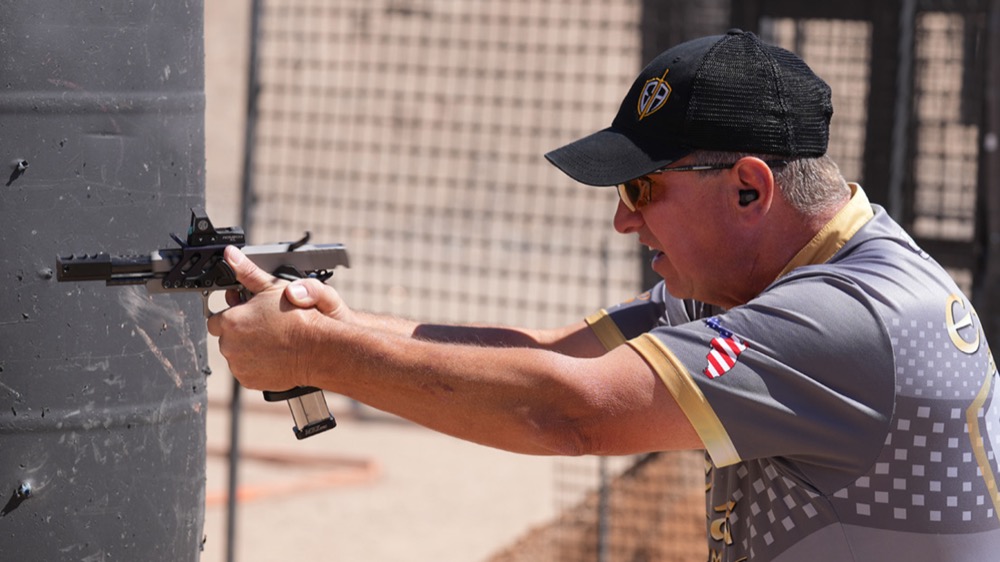
The Bill Drill in 60 seconds (BLUF)
- What it is: Draw and fire six rounds into the A-zone of one target at seven yards, as fast as you can keep them all in. That’s the whole drill.
- Why it’s brutal: Six shots leaves nowhere to hide. A bad grip, a slow draw, or flinching all show up instantly in your hits and your times.
- What’s a good time? From an open holster: roughly 4.5s for a new shooter, sub-3s for a solid club shooter, sub-2s for someone who can genuinely shoot. From concealment, add roughly half a second to every one of those — a clean sub-2 from concealment is genuinely rare, not a weekend goal.
- How fast is the record? Around 1.1 seconds for six A-zone hits, with a draw near 0.40s. It’s a legitimate number and a terrible training target — see below for why.
- What do real people shoot? In a documented advanced handgun class, students ran it in 2.85–4.03 seconds raw. Sub-2 is an internet standard, not an average one.
- With a rifle? Same six rounds, same seven yards, but from low ready instead of the holster — which puts the whole score on your recoil control. Around 1.5 seconds is the working par; under a second is the real ceiling.
- Does the gun matter? Not to the course of fire — six rounds and no reload means a revolver, a 1911 or a 21-round double-stack all run it unmodified. It matters enormously to the number: a compact carry pistol typically costs you a few tenths against a full-size competition gun, so log the gun next to the time.
- The two levers: Your draw (first shot) and your splits (time between shots). A shot timer breaks both out for you so you know which one to fix.
- Train it anywhere: You don’t need live fire to build the pattern. An airsoft pistol or a dry-fire rep with a par time on a free Airsoft Shot Timer app trains the exact same draw-and-run mechanics.
If you’ve ever watched someone at the range draw and rip six shots into a single target in about two seconds, you’ve probably seen a Bill Drill without knowing its name. To a bystander it looks like a John Wick impression. To anyone who trains seriously, it’s one of the most revealing tests in shooting — because there is absolutely nothing to it, and that’s exactly why it’s so hard to fake.
Posts
read more
USPSA Classifier Guide 2026: The New 26 Series, Hit Factor & Classes
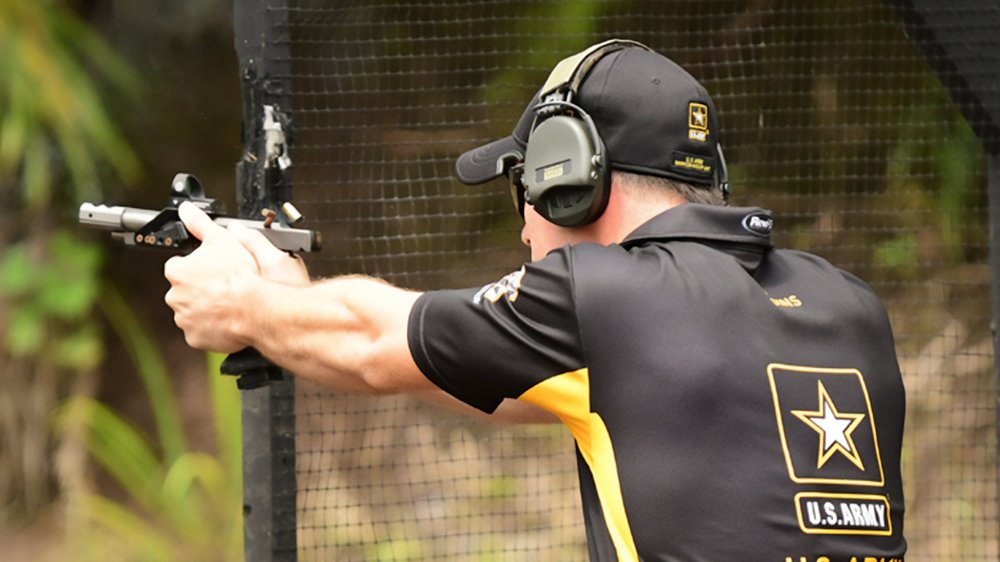
USPSA classifiers in 60 seconds (BLUF)
- What it is: A classifier is a short, standardized course of fire you shoot at a local match. Your raw score becomes a hit factor (points ÷ time), and that hit factor is compared against USPSA’s benchmark for that stage to produce a percentage.
- How you get classified: You need four valid scores from four different classifiers in a division. After that, your class is set by the best 6 of your most recent 8 unique classifier percentages.
- The classes: Grand Master (95%+), Master, A, B, C, D — each division is scored separately, so you can be A-class in Production and C-class in Open.
- What changed in 2025: USPSA removed the old B/C/D flags, started averaging same-day attempts, and released the new 25-Series classifier stages. More on that below.
- What’s new in 2026: the 26 Series — five provisional stages (King Crab, Darwinism, Mike Who?, Uprange? Seriously, Downrange? Obviously) that clubs began running in June. They don’t count toward your class yet, but they will retroactively if the stages get adopted. Jump to the 26 Series breakdown.
- Two things no other guide tabulates: a hit factor → class chart for any HHF, and the full anatomy of the classic CM 06-03 “Can You Count”.
- The fastest way to move up: practice the exact mechanics a classifier measures — draw, splits, reloads — with a free Airsoft Shot Timer app between matches.
If you’ve shot a couple of USPSA matches, you’ve already run into classifiers — those short, oddly specific stages where everyone suddenly gets quiet and serious. And if you’ve ever logged into uspsa.org and stared at a wall of percentages, division codes and three-digit stage numbers, you’ve probably also wondered what any of it actually means for you. This guide unpacks the whole system in plain language: what a classifier is, how a stopwatch number becomes a letter grade, what the 2025 overhaul changed, and how to nudge your percentage upward without gaming it.
Posts
read more
2011 vs 1911: What's the Difference? Double-Stack vs Single-Stack (2026)
One Number Apart — How Different Can a 2011 and a 1911 Really Be?
The first time I saw a friend’s 2011 at the range, I stared at it for a good while. The side profile, the slide, the hammer, that familiar grip safety — it all looked like the century-old 1911 classic. Then I picked it up, and it was a completely different animal: the grip was noticeably chunkier, the magazine seated with a solid click and held 20 rounds, while my old 1911’s single-stack mag tops out at 8.
Posts
read more
Practical Shooting Complete Beginner Guide: IPSC, USPSA, IDPA, Steel Challenge & 3-Gun Explained
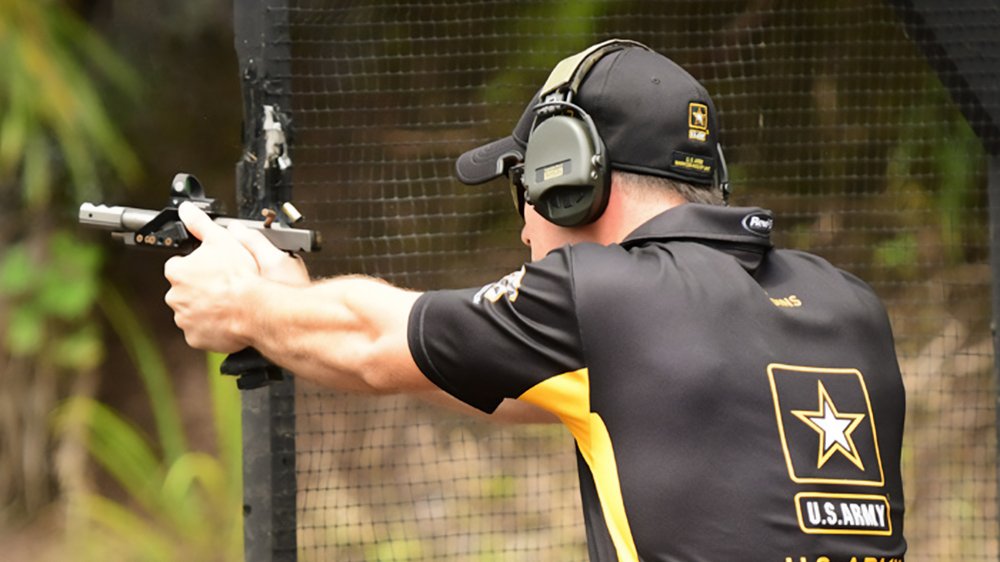
What Is Practical Shooting?
Have you ever felt that standing at a fixed position putting holes in paper targets doesn’t quite capture the full potential of shooting? Practical shooting is the concept that transforms shooting from a static skill exercise into a dynamic, fast-paced sport. In the world of practical shooting, you’re running, turning, crouching, leaning out from behind barriers, and reloading under time pressure — every second testing your speed, accuracy, and decision-making.
Posts
read more
Shooting Protection Gear Guide: Choosing the Right Eye and Ear Protection
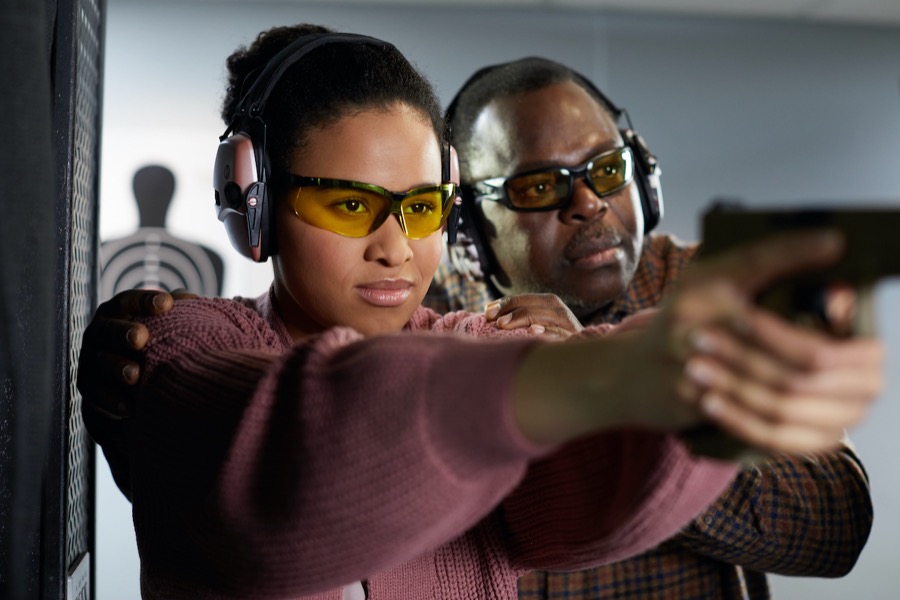
Why Protection Gear Is Your Most Important Investment
Many shooters spend weeks researching their first firearm, comparing models and prices, yet barely give a thought to their protection gear. They’ll buy a $2,000 pistol but show up to the range with free disposable foam earplugs and a pair of regular sunglasses. This approach might seem like smart budgeting, but it’s actually gambling with your most irreplaceable senses.
Posts
read more
IDPA vs USPSA 2026: Scoring, Reloads & Stage Design - Which One Should You Shoot First?
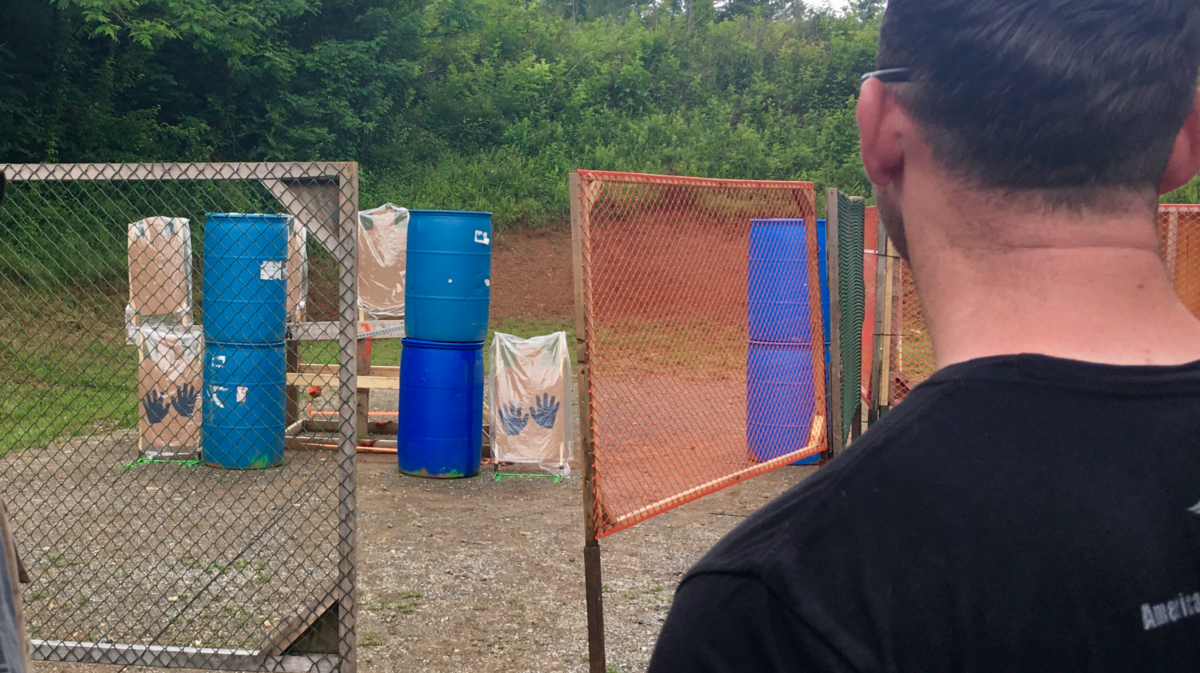
🎯 IDPA vs USPSA in 60 seconds: They differ on four things that actually matter. Scoring — IDPA adds penalty seconds to your raw time, so a hit outside the down-zero zone costs a full second; USPSA divides points by time (hit factor), so a slightly worse hit can still be the right trade. Stage freedom — IDPA tells you the engagement order (tactical priority, cover, fault lines); USPSA lets you plan the stage yourself. Reloads — IDPA won’t let you drop a magazine with rounds still in it, USPSA will, and that one rule makes them different skills. Cost — IDPA caps stages at 18 rounds, USPSA doesn’t, which is roughly $10-20 per match in ammunition. Which first? If you carry daily and want the concealment draw, start with IDPA. If you want raw speed and problem-solving, start with USPSA. Either way, the thing that improves fastest between matches is measured draw and reload time — a free shot timer app turns “I felt fast” into a number you can beat. Full breakdown below.
Posts
read more
Complete Beginner Guide to 3-Gun Competition: Equipment, Divisions, Stage Design & New Shooter Preparation
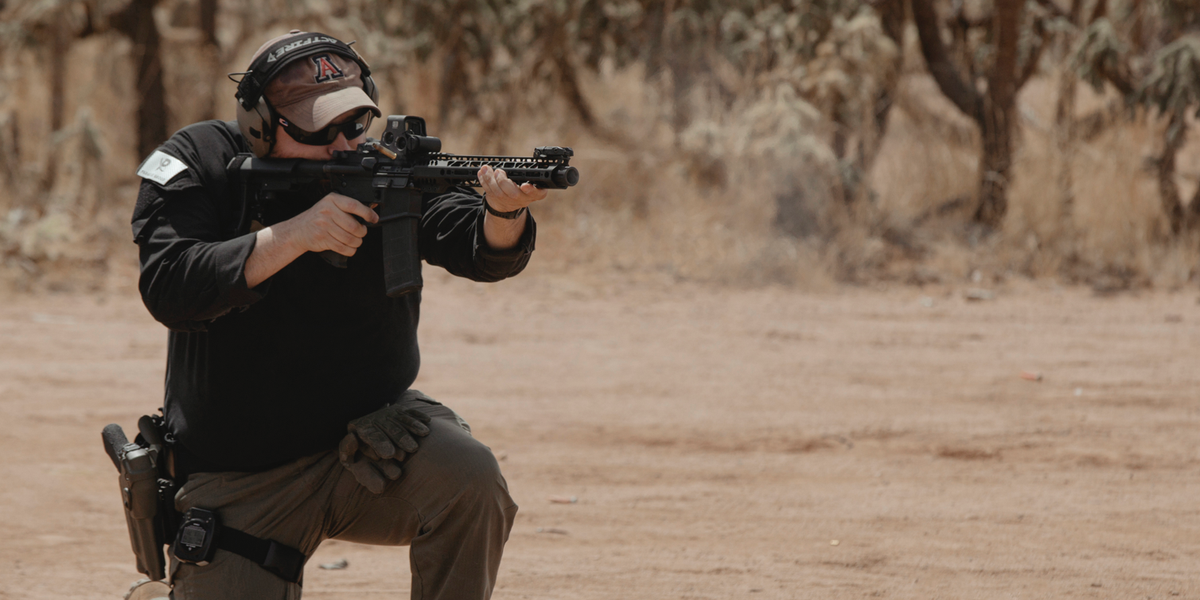
What is 3-Gun Competition?
If USPSA and IPSC are the premier arenas for handgun competition, then 3-Gun is the ultimate test in the shooting sports world. As the name suggests, 3-Gun requires competitors to use three different firearms — a pistol, a rifle, and a shotgun — to engage various targets across complex, dynamic courses of fire.
Posts
read more
Steel Challenge Times by Class: How Peak Time Scoring Works (All 8 Stages & 13 Divisions)
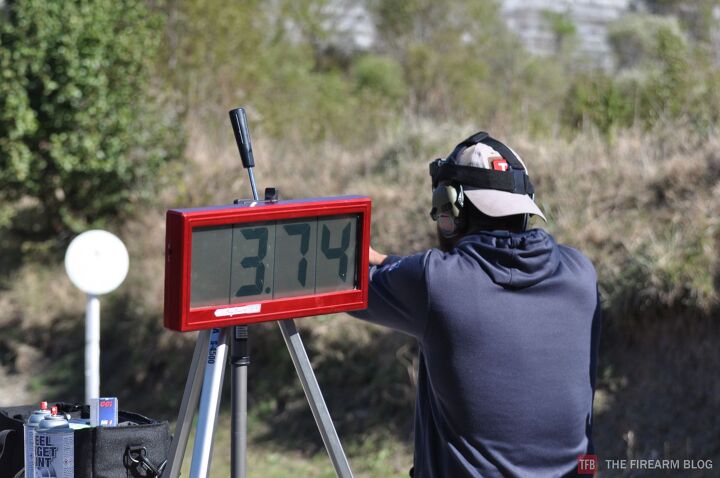
What Is Steel Challenge?
Steel Challenge is the one shooting sport where your entire result is a stopwatch reading. No scoring zones, no hit factor, no stage plan — five steel plates, hit them all, fastest time wins. That is the whole rulebook in a sentence, and it is why the sport is both the easiest to explain to a newcomer and the hardest to hide in.
Posts
read more
USPSA Beginner Guide 2026: Hit Factor Scoring, Classification & Your First Match Checklist
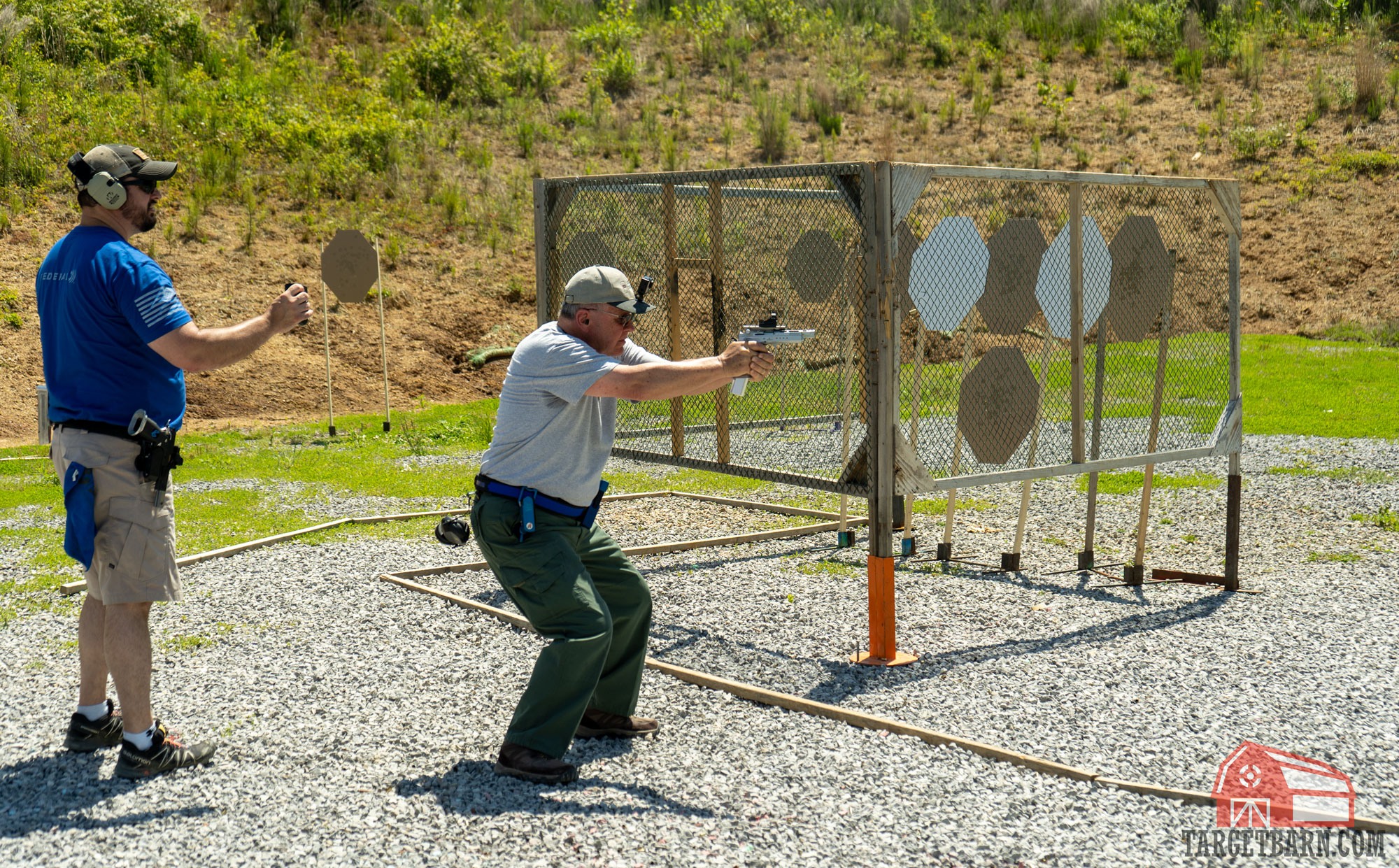
What Is USPSA?
If you’re in North America and interested in competitive shooting, USPSA (United States Practical Shooting Association) is almost impossible to avoid. As the U.S. affiliate of IPSC (International Practical Shooting Confederation), USPSA is the largest and most active practical shooting platform in North America, with hundreds of local matches held across the country every week.
Posts
read more
Glock Gen 6 Complete Guide: New Features, Gen 5 Comparison & Competition Impact
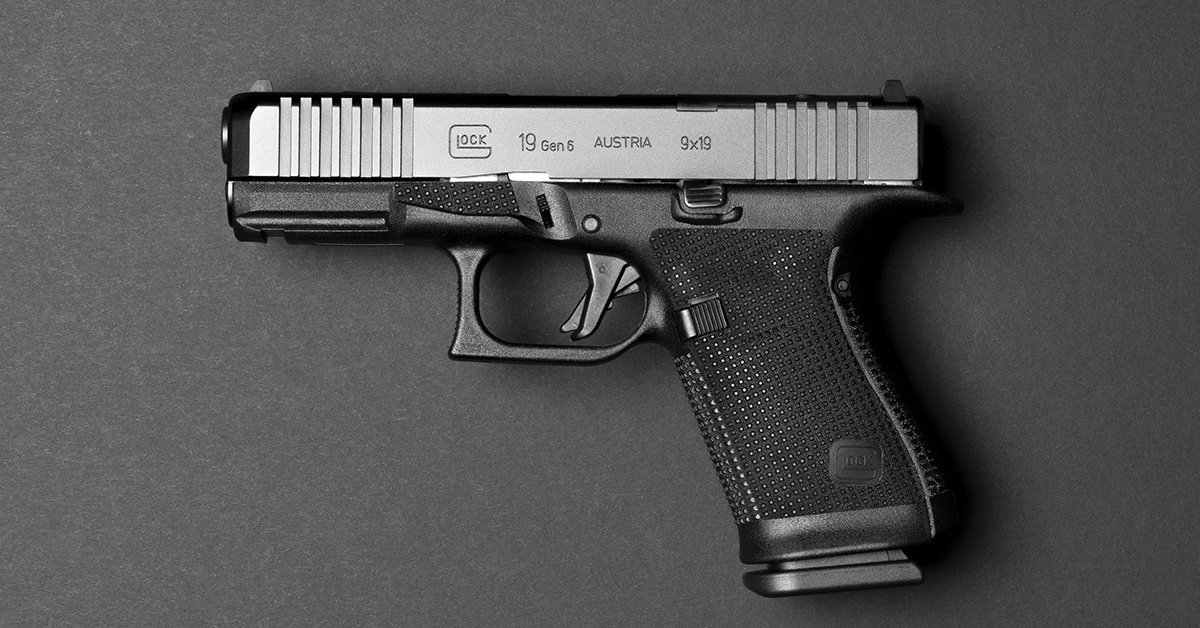
Glock Gen 6: The Most Significant Upgrade in Glock History
In December 2025, Glock officially unveiled the highly anticipated sixth-generation pistol — Glock Gen 6 — with retail availability starting January 20, 2026. This represents the most significant update since the Gen 5 launch in 2017, and many consider it the most substantial generational improvement Glock has ever made.
Posts
read more
Complete Guide to Handgun Ammunition & Caliber Selection: From Basics to Competition Shooting
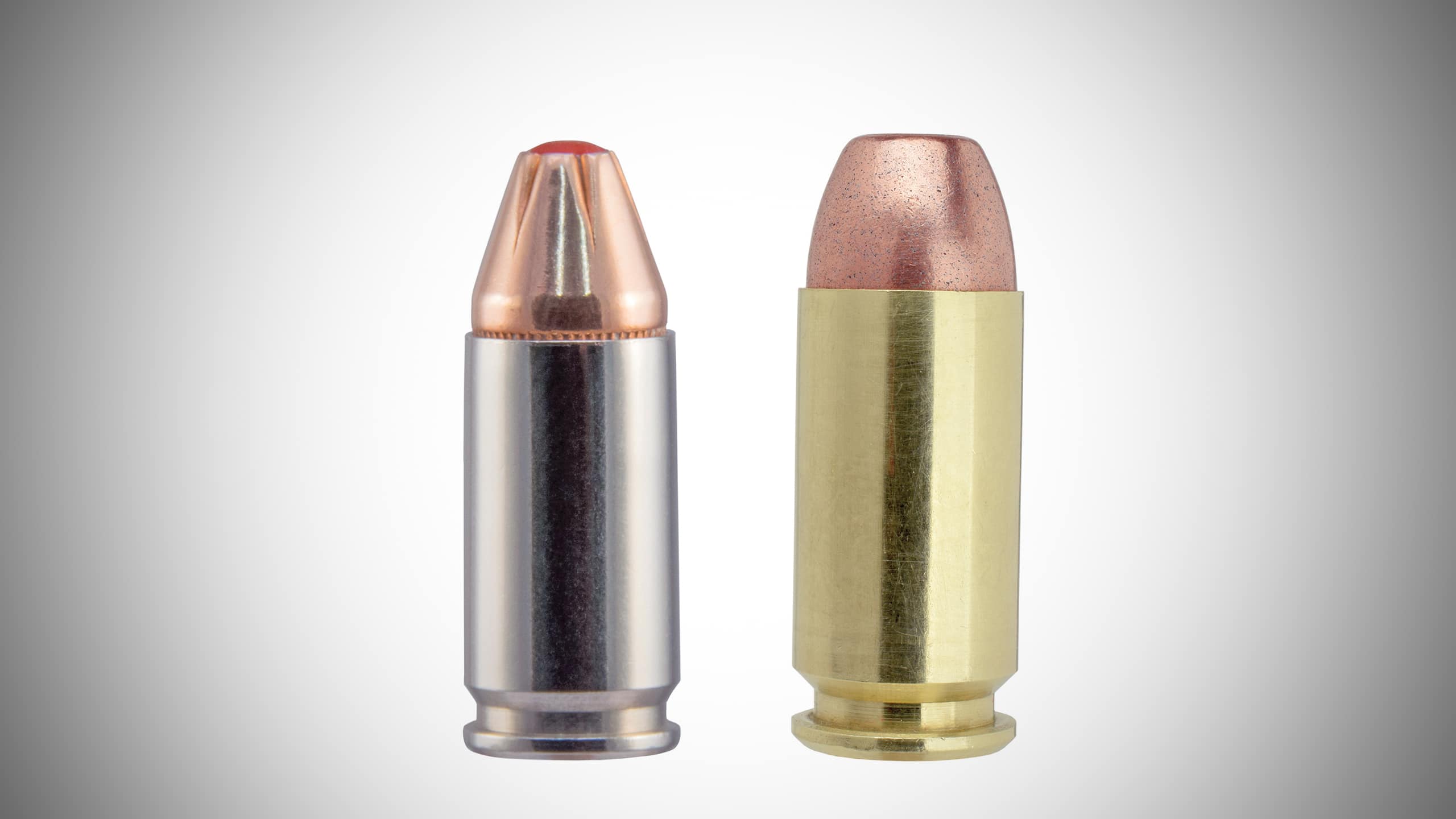
Why Does Ammunition Selection Matter So Much?
In the shooting sports world, most people focus on the firearm itself — the brand, model, and how it feels in hand — while often overlooking an equally important factor: ammunition. In reality, your ammunition choice directly affects shooting accuracy, felt recoil, training costs, and even determines whether you can legally compete in a match.
Posts
read more
Competition Belt Setup: Where Each Item Goes, Which Brands Fit Together, and the IDPA Rule That Voids Yours
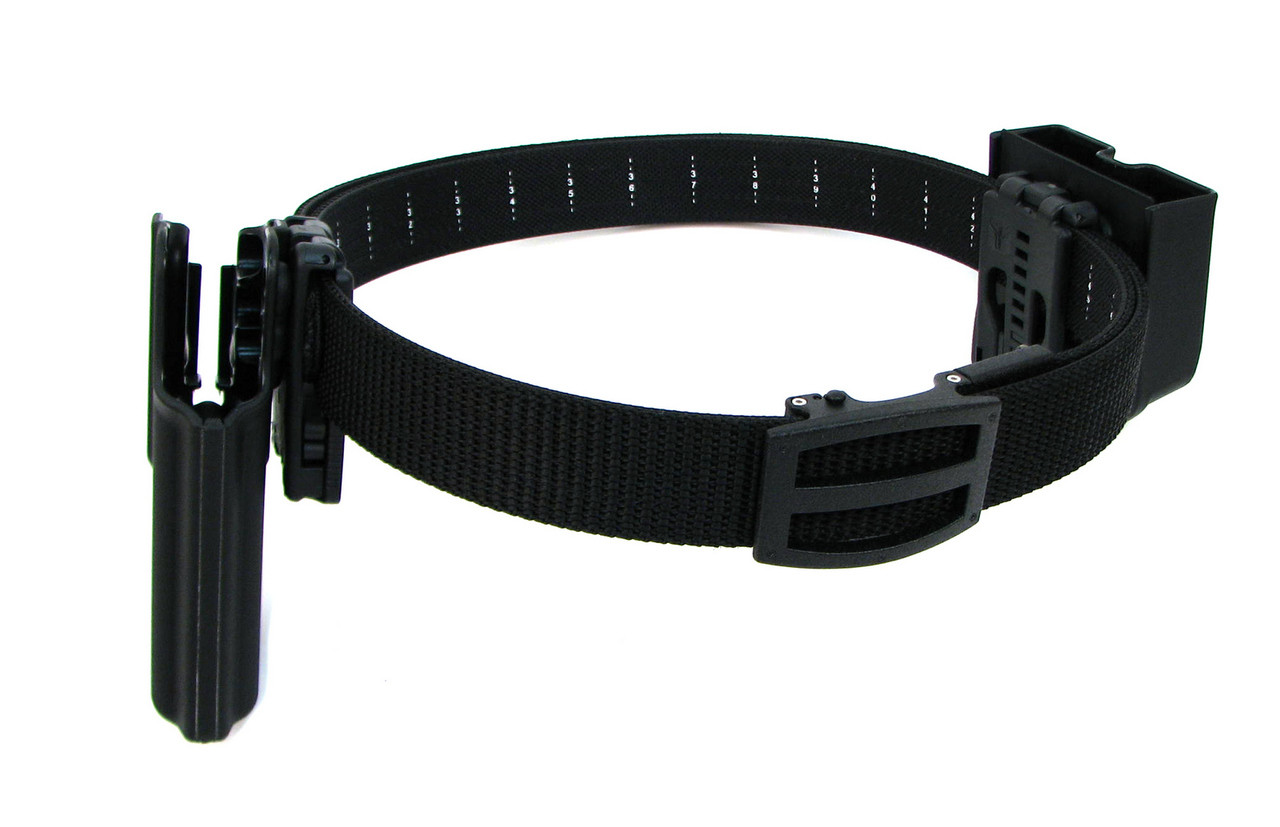
The 60-Second Answer: How to Set Up a Competition Belt
Most belt advice is a shopping list. The part that changes your times is the layout, so here is the whole thing in one pass.
Posts
read more
USPSA, IPSC & IDPA Holster Rules 2026: Legal Height, Position + Best Race Holsters
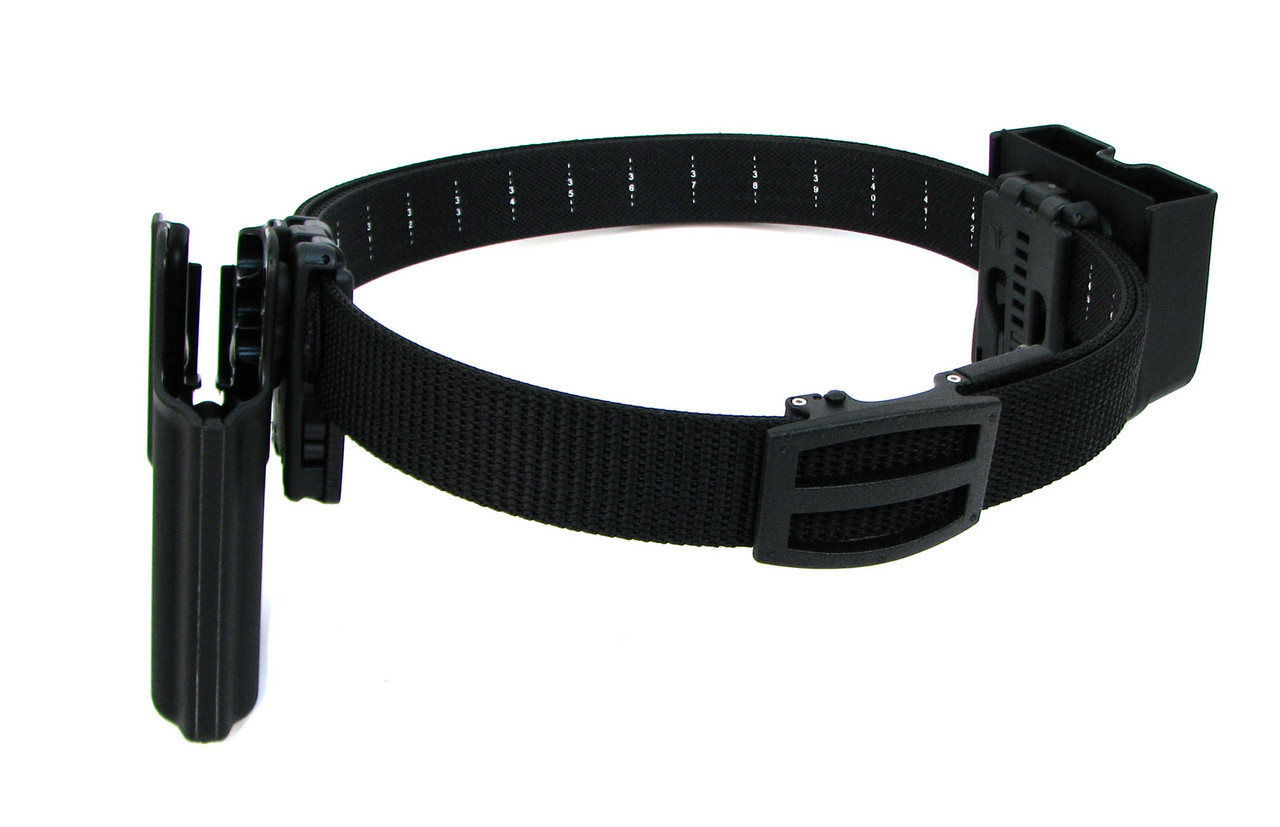
🎯 Holster Rules & Best Picks: The 60-Second Answer
The two USPSA rules that decide whether your rig is legal: the heel of the butt of the handgun must be at or above the top of your belt — in the current 2026-09 rulebook that is rule 5.2.11, not 5.2.7.2, and it applies to every division — and the gun can sit no further from the belt than 2-1/8 inches in Production, Single-Stack and Carry Optics, or 3-3/8 inches in Open, Limited, Limited-10, Revolver and Limited Optics (rule 5.2.5), measured from the outer surface of the belt to the closest point of the grip. Thigh straps are legal in USPSA — that prohibition was removed on 29 February 2024, though thigh holsters still fail the height rule. IDPA is stricter: the butt must sit clearly above the top of the belt (8.5.1.12), an OWB holster may not stick out more than 3 inches (7.62 cm) from your body measured at the top of the belt, cant is limited to vertical or muzzle-rear by no more than 15 degrees (8.5.1.6), and magnets may not be used as magazine carriers (8.6.1.3). Cross-draw, shoulder, small-of-the-back and pocket holsters are banned outright (8.5.2). IPSC is not simply “USPSA abroad”: the height rule matches word for word (5.2.7.2, Appendix E3b), but the distance limit is 50 mm in every division — tighter than any USPSA division — tie-down rigs are still prohibited (5.2.7.1), the muzzle may not point more than 1 metre from your feet (5.2.7.3), and the January 2026 edition added a seventh division, Optics. Three things most club advice still gets wrong in 2026: the USPSA height rule has been renumbered to 5.2.11, thigh straps are no longer banned, and IPSC has no “trigger guard behind the hip bone” rule — what it has is the Appendix E2 forward line, which binds Standard, Classic, Production, Production Optics and Optics but not Open or Revolver. Full numbers, division by division, are in the holster rules section below.
Posts
read more
Tap Rack Bang: How Long Each Malfunction Clearance Should Take (Type 1, 2 & 3)
The 60-Second Answer: Tap, Rack, and When It Will Not Work
“Tap, rack, bang” is genuinely the right answer — for one of the three malfunctions you will actually meet. The reason people stand there racking a dead gun is that nobody told them what the other two feel like.
Posts
read more
Complete IPSC Beginner Pistol Guide: Production Division Handgun Recommendations & Equipment Setup
Why Production Division is the Best Starting Point for Beginners
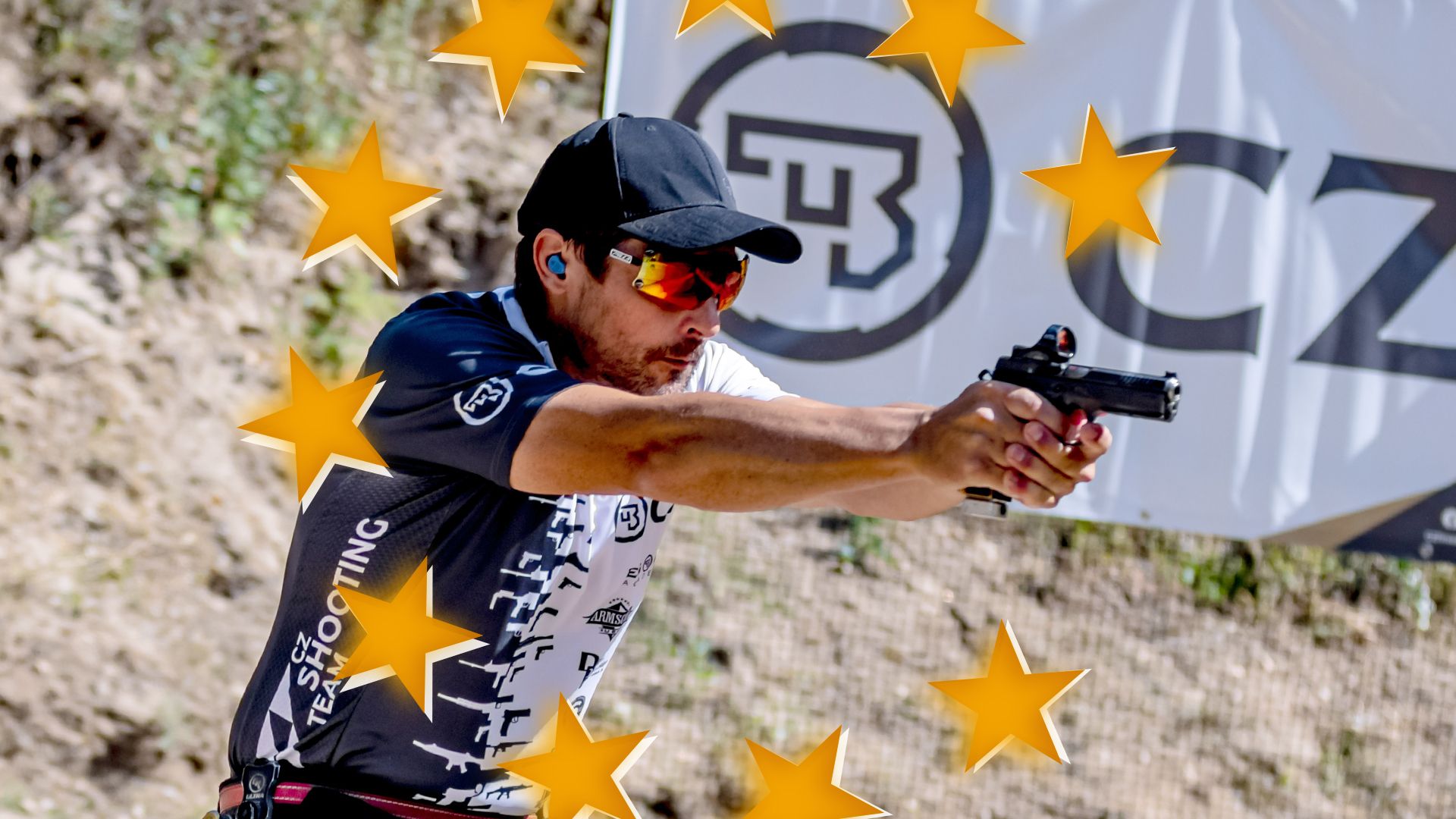
Want to enter the world of IPSC competitive shooting but don’t know which gun to choose? Production Division is your best bet. This division is designed for “out-of-the-box” factory pistols, allowing newcomers to step onto the competitive stage with minimal budget and modifications.
Posts
read more
Weaver vs Isosceles Stance: Which Pistol Shooting Stance Wins in 2026 (and Why)
Weaver vs Isosceles in 60 Seconds
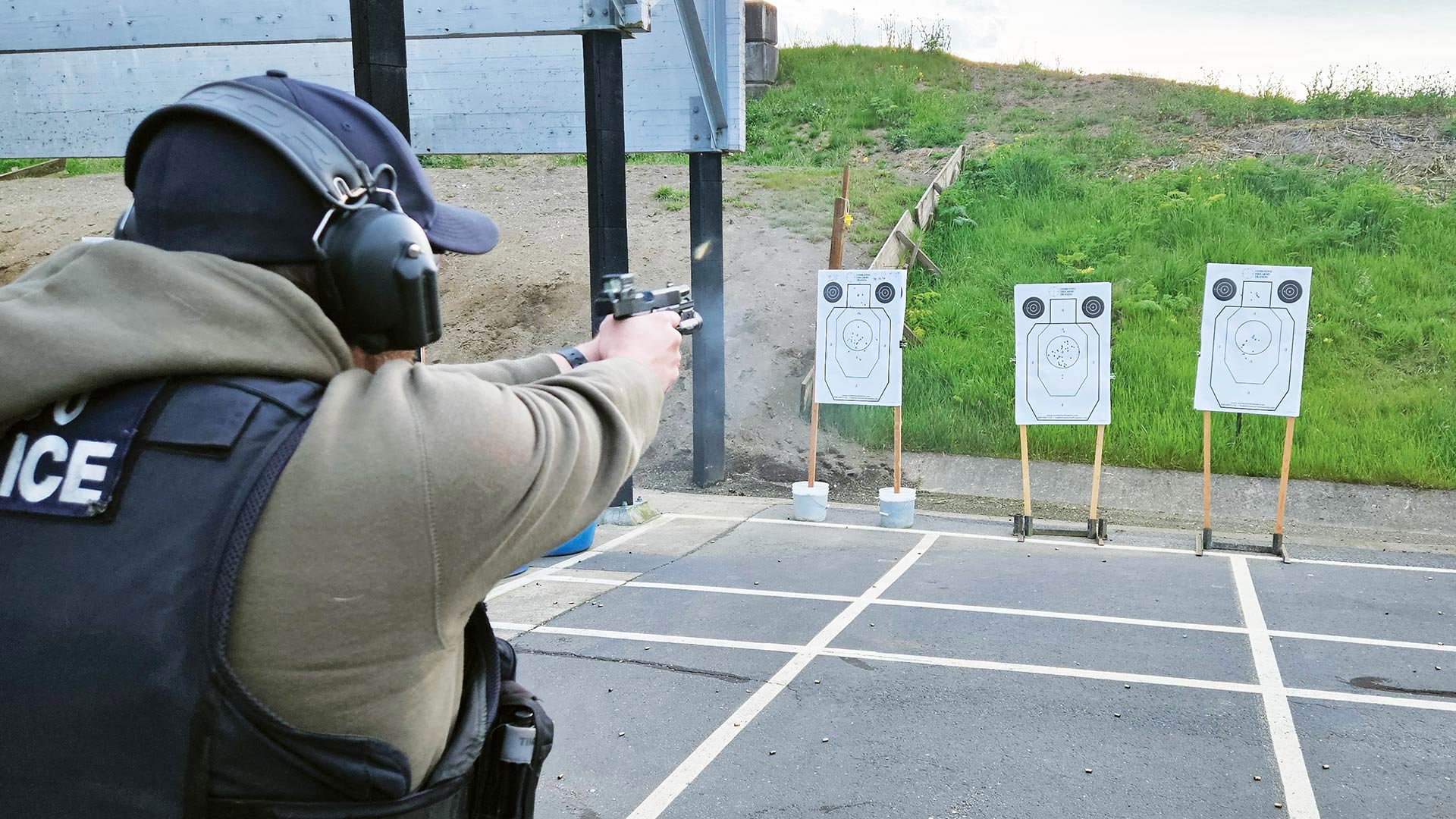
If you only read one paragraph, read this one. The Weaver stance is bladed, with the gun-side foot back, both elbows bent and a push-pull tension between the hands. The Isosceles stance is squared to the target with both arms pushed out so they form a triangle with your chest. The Chapman (or modified Weaver) keeps the bladed feet but locks the gun arm straight like a rifle stock. The Modern Isosceles keeps the squared chest, staggers the feet slightly, drops the shoulders in front of the hips and softens the elbows. That last one is what you will see on nearly every IPSC, USPSA and Steel Challenge winner today, and it is what we recommend you build first.
Posts
read more
CZ Shadow 2 Review 2026: Best IPSC Production Pistol & Setup
60-Second BLUF: Is the CZ Shadow 2 Worth Buying in 2026?
Short answer: yes, the CZ Shadow 2 is still the benchmark pistol for IPSC/USPSA Production division in 2026 — and it has quietly become the most versatile platform in the class. The same family now runs Production, Standard, Production Optics, Carry Optics, and Precision Bullseye depending on which variant you pick (Standard, OR, Orange, Target 6, Carry, Compact). The legendary SA/DA trigger, 1,280 g all-steel frame, and CZ 75 slide-inside-frame architecture deliver the lowest bore axis and most stable platform in its price tier ($1,200–$2,000), and unlike striker-fired rivals it lets you train Production and Carry Optics from the same gun with minor configuration changes.
Posts
read more
SIG P320 Review 2026: 7 Models + M17 vs M18 & Recall Update
SIG P320 Complete Guide 2026: All 7 Models, M17 vs M18 & Safety Update
The SIG Sauer P320 in 2026 is two stories in one — a genuinely brilliant modular pistol that still serves the U.S. Army, and the subject of over 100 active lawsuits alleging it can fire without anyone touching the trigger. This guide covers the entire P320 family (Full Size, Compact, Carry, X-Five Legion, M17, M18, AXG, XTEN), the head-to-head M17 vs M18 differences that confuse most first-time buyers, the 2025–2026 recall/lawsuit landscape including the IDPA ban and ICE departure, and finally — for shooters who want to train without burning live ammo — the SIG-licensed VFC ProForce M17/M18 airsoft replicas and how to use them for draw, reload, and Bill Drill practice with the AirsoftShotTimer app.