Airsoft Gear for Beginners: What to Buy First, in Order
· UpdatedContents

The airsoft gear a beginner actually needs fits on a kitchen table: full-seal eye protection rated ANSI Z87.1+, something covering your lower face, a gun with a charged battery and a couple of magazines, and a bag of decent 0.25g BBs. That is the whole starter kit. Everything else in the shop window — plate carriers, helmets, radios, drop-leg holsters — is optional until you have played three to five games and know how you like to play.
The order matters more than the shopping list. Buy your own eye and face protection first, rent the gun for your first game, then buy an AEG with its battery and spare magazines, then clothing and gloves, and only after that the carrying gear. This guide walks through that order step by step, explains why each step comes where it does, lists what new players most often regret buying, and finishes with three budgets.
If you are still deciding whether to play at all, our airsoft beginner guide covers what a game day looks like, and airsoft vs paintball compares the cost and the sting.
The Buy Order in One Minute
Here is the sequence, with the reason each item sits where it does:
- Eye protection — the only item no field will let you skip, and the one you should never rent if you can avoid it, because fit and fog decide whether you can see.
- Lower face protection — teeth are the second most expensive thing a BB can hit.
- Rent a gun for game one — you learn more about what you want from four hours with a rental than from four weeks of reviews.
- Your first gun, plus battery, charger and two to three magazines — bought as one package, because a gun without a battery is a paperweight.
- Clothing, boots and gloves — mostly things you already own.
- Carrying gear — chest rig, belt or plate carrier, chosen after you know whether you play CQB or outdoor.
- Sidearm, holster and comms — upgrades, not necessities.
The logic is that each step only gets bought once the previous one has told you something. Your goggles tell you whether you can see under the field’s conditions. The rental tells you whether you want a rifle or a pistol. A few games with a rifle tell you how many magazines you burn and where your hands want to find them. Players who buy steps 4 through 7 on day one usually end up rebuying half of it.
Step 1: Eye and Face Protection (Buy These, Do Not Rent)
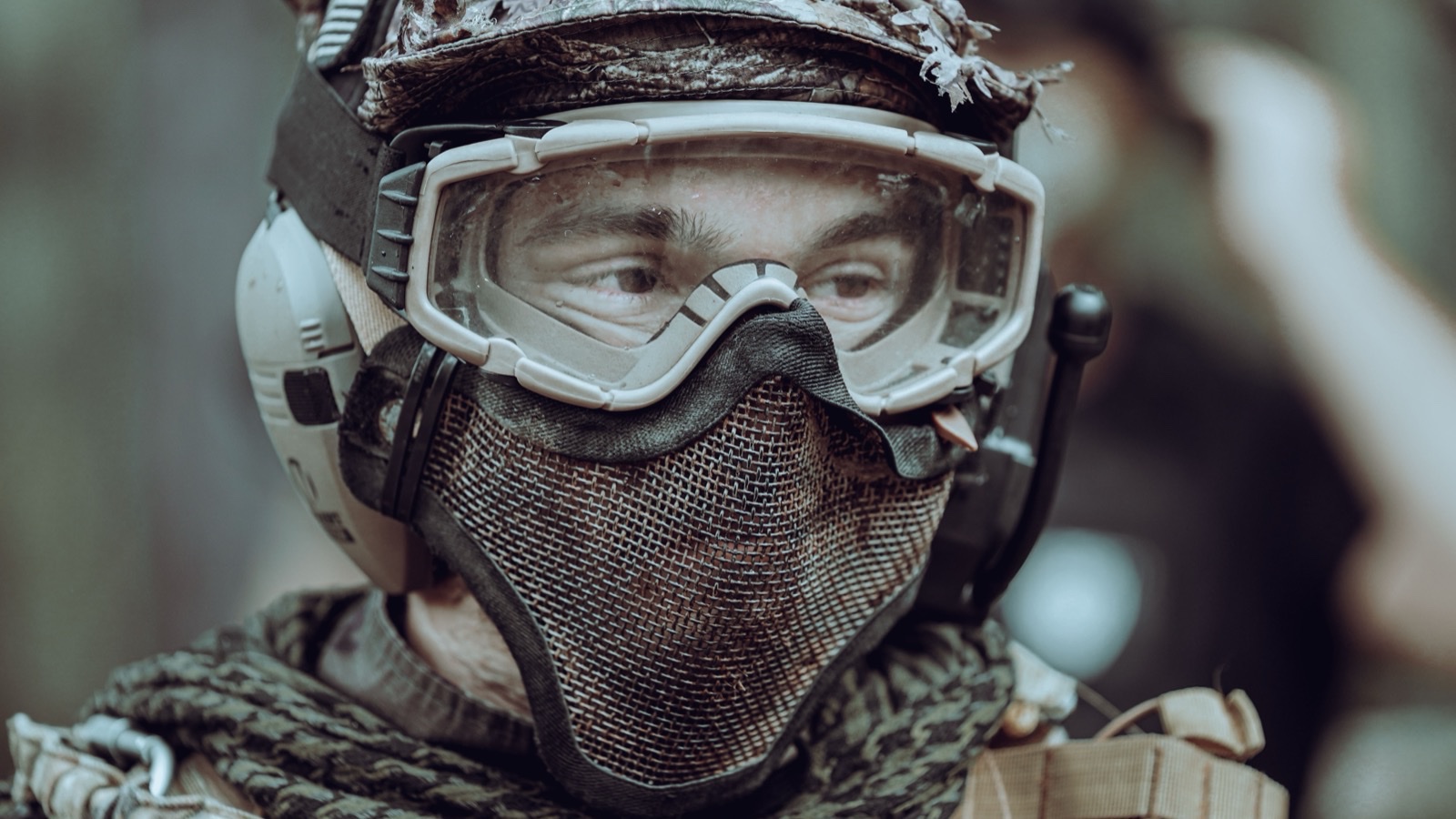
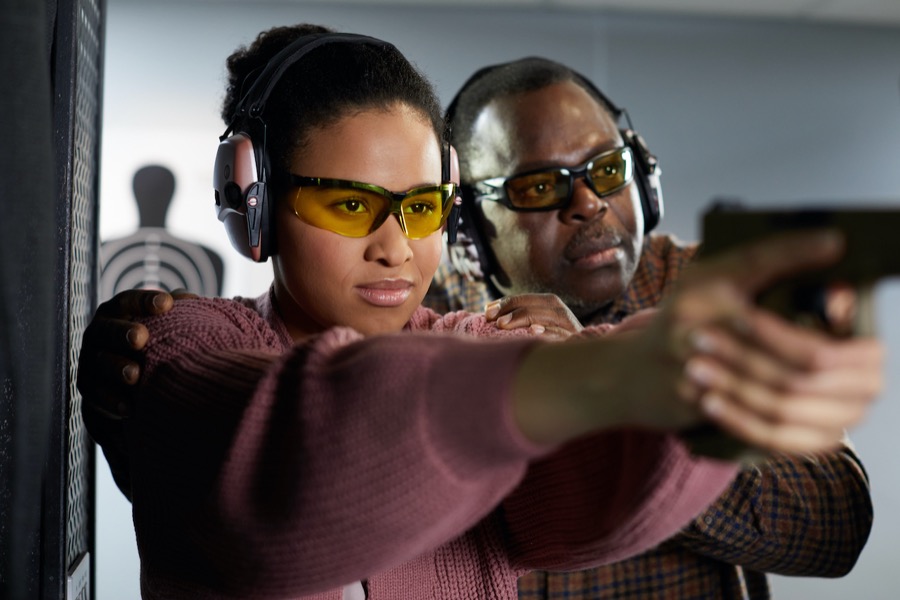
Buy full-seal goggles or a full-face mask with an ANSI Z87.1+ or EN 166 “B” impact marking before you buy anything else. A BB leaves a typical field-legal gun at 90 to 120 meters per second, and an unprotected eye does not get a second chance. Regular sunglasses and shooting glasses with gaps at the side are not enough, and mesh goggles are banned at most fields because BB fragments pass straight through the holes.
The reason to own rather than rent is not hygiene, although that matters too. It is that rental masks fog. The first time your lenses turn white in the middle of a firefight, you will understand why experienced players spend more on eyewear than on almost anything else. Fogging, strap fit and how the goggles sit with your face shape are personal, and you can only sort them out with your own pair.
For your lower face, a simple mesh lower mask or a full-face mask that combines both jobs is enough. A full-face design is the simplest starting point because there is nothing to mismatch. If you want the certification details, the anti-fog options and the five protection styles compared side by side, they are all in our airsoft mask and goggles guide.
Step 2: Rent the First Gun, Then Buy an AEG
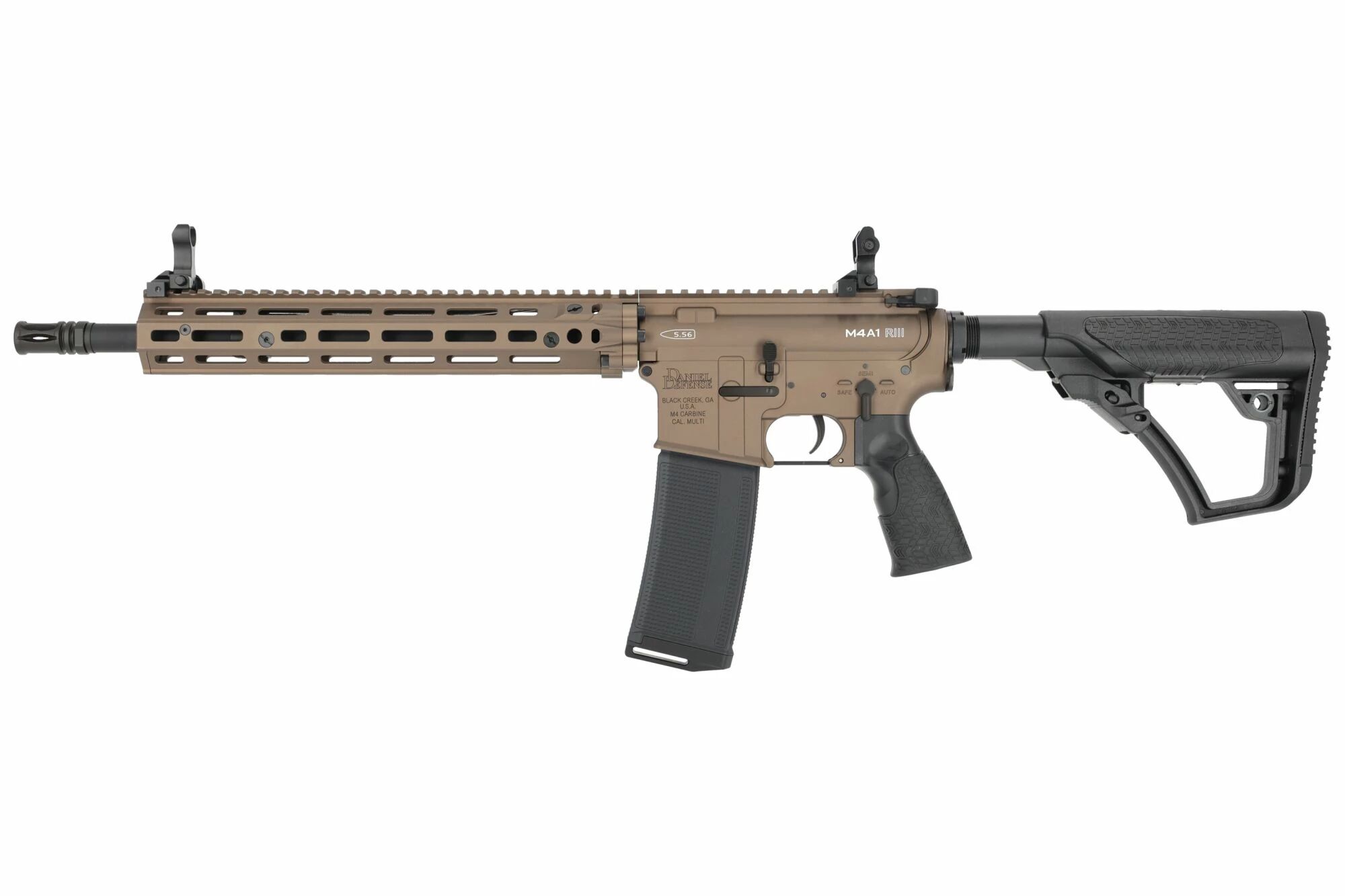
For your first game, rent. For your first purchase, most beginners should buy an AEG (automatic electric gun) rifle. An AEG runs on a rechargeable battery, does not care about the weather, holds 120 to 150 rounds in a mid-cap magazine and needs very little maintenance — which means your first months are spent learning to play rather than learning to fix a gun.
The rental day is where you find out what you actually want. Pay attention to whether the rifle felt heavy by the third game, whether you kept wishing you had something shorter for the indoor rooms, and whether you were jealous of the person running a gas pistol. That short list is worth more than any review.
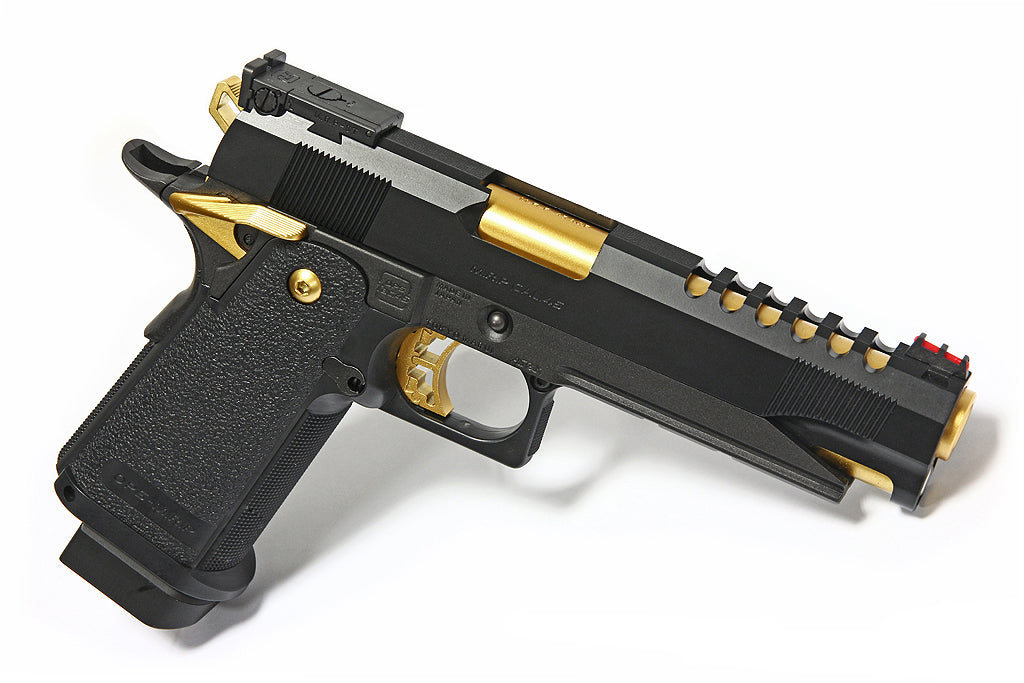
Gas blowback (GBB) guns are the right first purchase for one kind of player: someone who wants a pistol, enjoys realistic recoil, or is getting into airsoft to practice draws and reloads for action shooting. They are less forgiving — green gas loses pressure below about 20°C, magazines hold 20 to 30 rounds and seals need care. If cold weather is part of your season, the CO2 vs green gas pressure chart shows exactly where each gas stops cycling.
On specific models, an entry M4 like the G&G CM16 Raider is the kind of rifle we would point a beginner to: reasonable price, common magazines, and enough aftermarket support to grow into. When you’re ready to compare rifles side by side, our best AEG airsoft rifle picks by budget and field covers nine of them from about $100 to $400. For a pistol, the Tokyo Marui Hi-Capa is the most supported platform in airsoft.
Step 3: Battery, Magazines and BBs — the Part People Forget
Buy the gun, its battery, a smart charger, two or three extra mid-cap magazines and a bag of quality 0.25g BBs at the same time. Many beginner AEGs ship without a battery, and the cheapest chargers are the ones that ruin LiPo packs. A 7.4V LiPo in the size your stock tube or handguard fits is the normal starting point; the airsoft battery guide explains what voltage, mAh and C rating do once you want to go further.
Magazines are where beginners under-buy. A single mid-cap empties quickly, and refilling one in the middle of a game is slow and noisy. Two to three spares lets you play a whole round without stopping. High-cap “rattle” magazines hold more but rattle loudly and feed less reliably, which is why many players move away from them once they have tried both.
For BBs, 0.25g is the sensible default for most stock AEGs and gas pistols. The thing that matters more than the weight is quality: cheap BBs with seams or uneven size jam hop-ups and scratch barrels, and a ruined hop-up bucking costs more than the savings. Some outdoor fields require biodegradable BBs, so check before you buy a big bag. If you want to know what your gun actually shoots with different weights, a chronograph tells you, and our chronograph, FPS and joules guide shows how to read the numbers against field limits.
Step 4: What to Wear to Your First Game
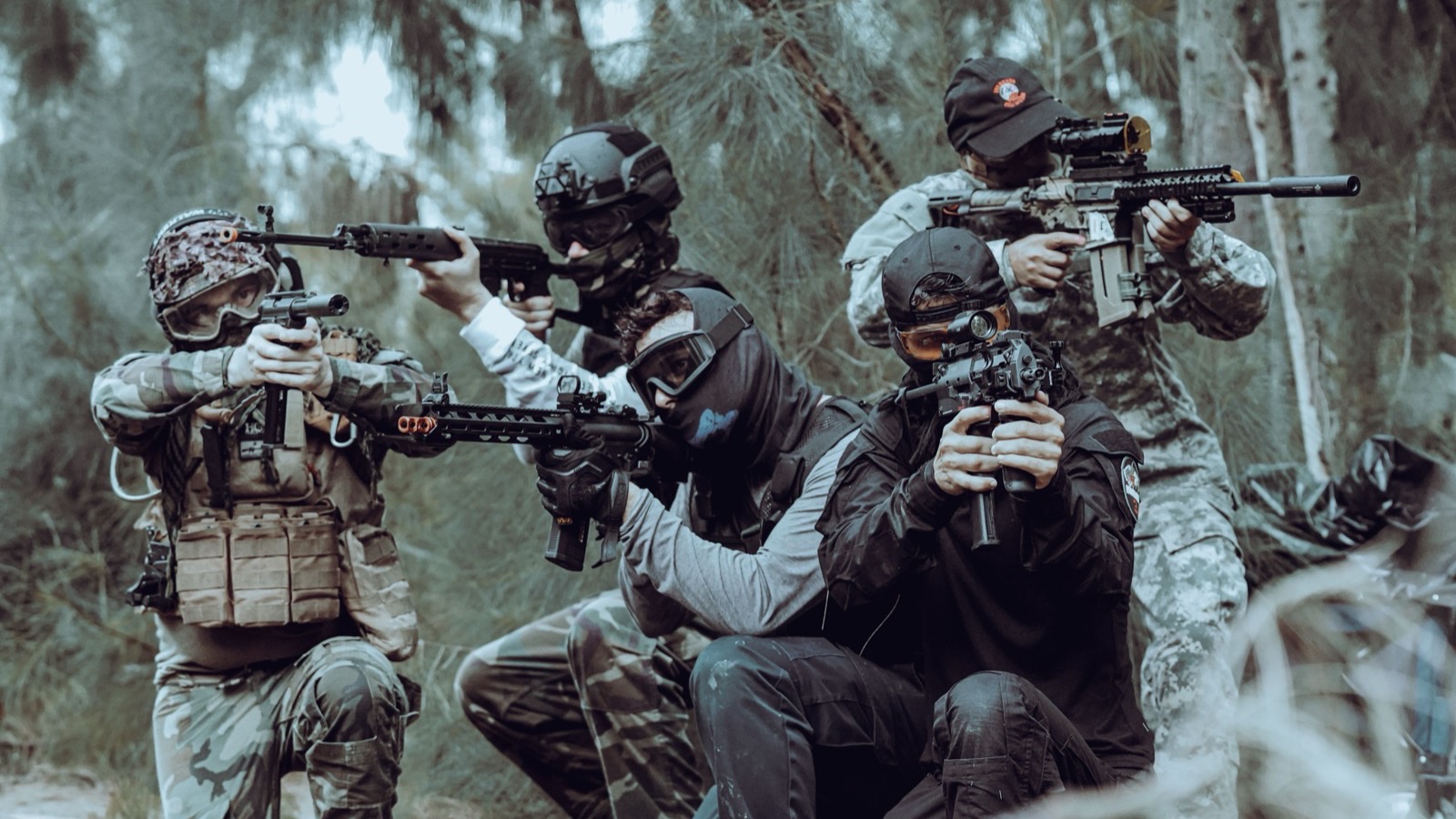
Wear long sleeves, long trousers, sturdy boots with ankle support and thin gloves. You almost certainly own most of that already, and none of it needs to be camouflage for a first game. Long sleeves turn BB hits from welts into taps, and boots matter more than people expect at outdoor fields, where the ground is uneven and often wet.
Gloves are the first piece of clothing worth buying. Hands are exposed every time you hold a gun, and knuckle hits are the ones beginners remember. Mechanix-style work gloves are enough to start. Knee pads are worth adding before your second outdoor game if you find yourself kneeling behind cover; CQB players often skip them.
Bring a change of clothes, water and something to eat. A full day of airsoft is more physical than most people expect, and dehydrated players make bad decisions.
Step 5: Carrying Gear — Wait Until You Know How You Play

Your first carrying gear should be a chest rig, bought after two or three games. A chest rig holds three or four rifle magazines in front of you, weighs little, costs little and works at both CQB and outdoor fields. Until you buy one, a cargo pocket or a dump pouch on your belt will do.
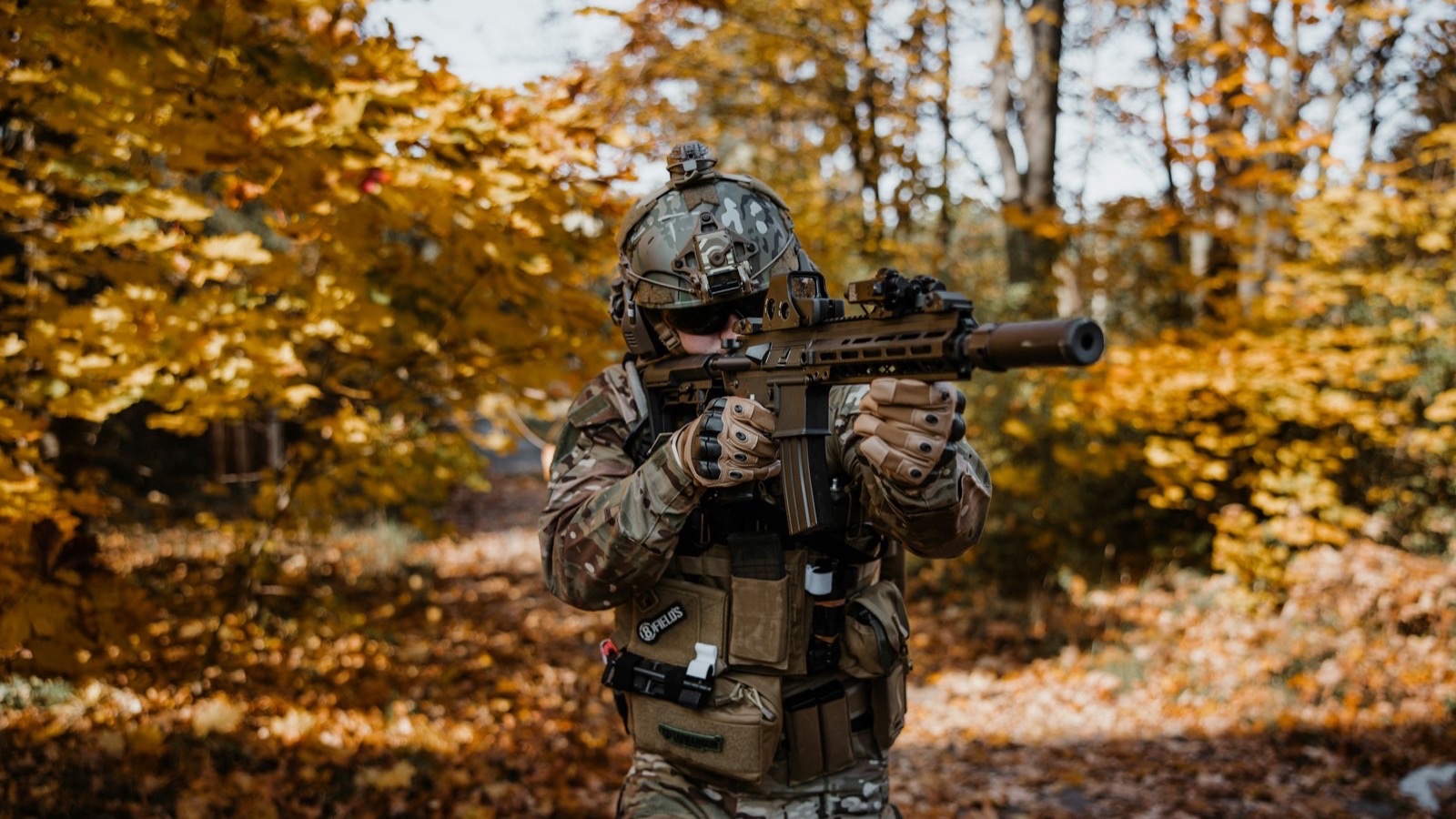
The reason to wait is that carrying gear is where play style matters. CQB players want light and low-profile. Outdoor and milsim players often grow into a plate carrier, which adds weight and lets you mount pouches, a radio and hydration. Pistol-focused and speedsoft players may be happiest with just a belt. Buying a plate carrier before you know which of those you are is the most common expensive mistake in airsoft.
When you are ready, the chest rig guide compares micro and full-size rigs, the plate carrier setup guide covers pouch layout and fit, and the airsoft loadout ideas page shows fourteen finished setups if you want to see where the pieces end up.
What Beginners Buy Too Early
The pattern among new players is consistent: money goes to things that look like airsoft rather than things that make airsoft better. These are the purchases most often regretted in the first season.
A plate carrier with dummy plates before game five is the big one. It is hot, heavy and often swapped for a chest rig once the player realizes they spend most of the day running. The second is internal upgrades — high-torque motors, tight-bore barrels, 11.1V batteries — before the gun has even been broken in. A stock AEG is accurate enough for a beginner, and a gun that has been opened by an inexperienced hand often stops working at the worst time.
Helmets, drop-leg holsters and cheap red dots round out the list. A helmet is useful at some milsim events and almost nowhere else for a beginner. Drop-leg holsters look good and move around when you run. Cheap optics lose zero, and a beginner’s misses are almost never the sight’s fault. Save that money for a second battery and more magazines, which you will actually use.
Three Budgets, From Rental-First to Full Kit
The numbers below are typical US price ranges for new gear; used prices are lower, and field rental prices vary.
| Item | Rental-first (~$100) | Starter kit (~$350–450) | Full kit (~$800–1,000) |
|---|---|---|---|
| Goggles / full-face mask | $50–80 (own) | $50–80 | $80–150 |
| Lower face protection | included or $15 | $15–30 | $15–30 |
| Gun | rented with field fee | Entry AEG $150–250 | Mid-range AEG $300–450 |
| Battery + smart charger | rented | $40–60 | $60–90 |
| Extra magazines | rented | 2–3 mid-caps $30–45 | 4 mid-caps $45–60 |
| BBs | field-bought | $15–20 | $15–20 |
| Gloves | own | $15–30 | $15–30 |
| Chest rig | — | — | $50–100 |
| GBB pistol + holster | — | — | $150–250 |
The rental-first column is the one we recommend for anyone who has never played. You own the one thing that has to fit you — your eye protection — and you find out whether you like the sport before spending real money. Most players who move to the starter kit do so after two or three rental days, and the full kit is something you assemble over a season rather than buy in one order.
Once the Kit Is Sorted: Make It Count
Gear stops being the bottleneck surprisingly quickly. After a handful of games, what separates players is how fast they get the gun up, how cleanly they reload and how quickly they get from one target to the next — and all of that improves faster with a stopwatch than with a new pouch.
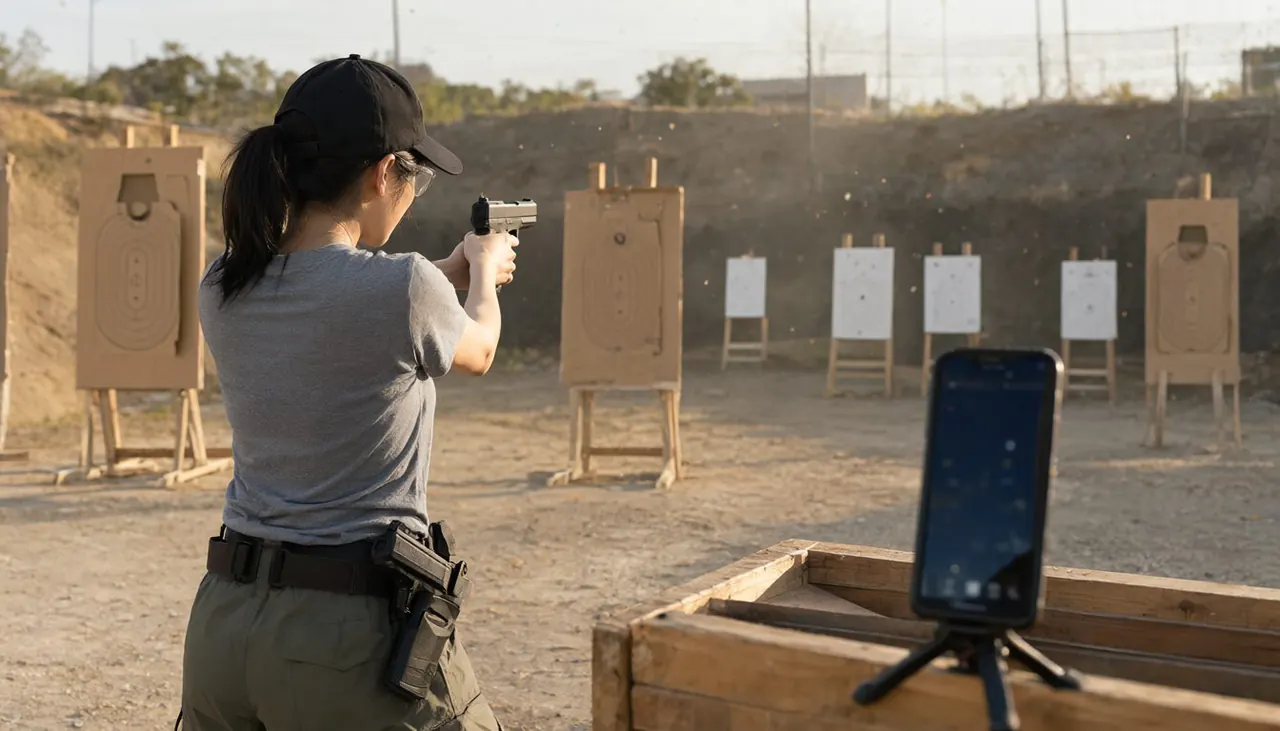
If you end up with a gas pistol, timed draw and reload practice at home is the cheapest upgrade in the sport. Our Airsoft Shot Timer app listens for each shot, gives you your first-shot and split times, and lets you set a par time to chase — the same way competitive shooters train. Once your kit is complete, the pistol draw guide and magazine reload guide give you drills worth timing.
Frequently Asked Questions
What gear does a beginner need for airsoft?
Four things: ANSI Z87.1+ full-seal eye protection, lower face protection, a gun with a battery and magazines, and quality BBs. Fields require the eye protection without exception. The gun, battery, magazines and BBs can all be rented for your first game, so the true minimum to own is just your goggles or mask.
What should I wear for my first airsoft game?
Long sleeves, long trousers, boots with ankle support and thin gloves. Camouflage is not required at most fields. Dress for the weather and the terrain, bring a change of clothes and plenty of water, and leave anything you would not want to get muddy at home.
Is it better to rent or buy airsoft gear?
Rent the gun for your first one to three games and buy your own eye protection from the start. Renting lets you learn whether you prefer a rifle or pistol and CQB or outdoor play before you spend money, while owning your goggles avoids the fogging and fit problems that make rental masks miserable.
How much does it cost to start airsoft?
Around $100 if you buy your own mask and rent everything else, $350 to $450 for a starter kit with your own entry AEG, battery and magazines, and $800 to $1,000 for a fuller kit with a chest rig and a gas pistol. Field fees and BBs are ongoing costs on top of the gear.
Should a beginner start with an AEG or a gas pistol?
Most beginners should start with an AEG rifle because it is reliable in any weather, holds more BBs and needs little maintenance. A gas blowback pistol is the better first buy for someone who mainly wants a sidearm, enjoys realistic recoil, or wants to practice draws and reloads for competition.
What BB weight should a beginner use?
0.25g is the sensible default for most stock AEGs and gas pistols. Quality matters more than weight — seamless, consistent BBs protect your hop-up and barrel. Some outdoor fields require biodegradable BBs, so check the field’s rules before buying in bulk.
Is it safe to buy used airsoft gear?
Used carrying gear, holsters and AEGs that you can see test-fired are usually fine. Be cautious with used gas guns, whose seals are hard to judge, and avoid used goggles, since you cannot know whether the lenses have already taken a hard hit.
Image Credits
- Eye and face protection close-up and outdoor field team photo: troopper84 on Pexels (Pexels License)
Related Articles
- Airsoft beginner guide — what a game day looks like and the safety rules
- Airsoft rules: hit calling and the bang rule — what you agree to when you step on the field
- Airsoft mask and goggles guide — certifications, anti-fog and five protection styles
- Airsoft loadout ideas — fourteen finished setups for when you are ready to build
- Airsoft field guide — CQB, outdoor and milsim fields compared
- Shot timer app guide — time your draws and reloads at home
 Airsoft Shot Timer
Put a Shot Timer in Your Pocket
Automatic airsoft shot detection, split times, multiple PAR times and training records — no sign-up.


Related articles