Airsoft Vest & Plate Carrier Guide: How to Choose Between Plate Carriers, Chest Rigs & Tactical Vests
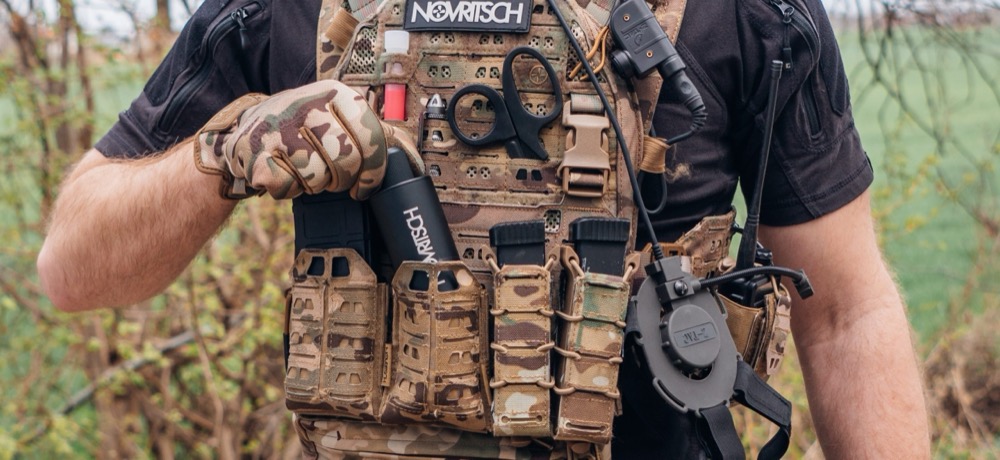
Why Your Carrying System Matters More Than You Think
If you’ve played a few games of airsoft, you probably already know the pain of stuffing magazines into cargo pockets. They bounce around when you run, they’re impossible to grab in a hurry, and empty mags end up on the ground because you have nowhere to put them. You know you need something to organize your gear, but then you open a browser tab and get buried in terminology: Plate Carrier, Chest Rig, Tactical Vest, MOLLE, JPC, Micro Fight — it’s a lot to take in before you’ve even added anything to your cart.
This guide cuts through the noise and helps you figure out which carrying system actually makes sense for the way you play. I’m not going to tell you to “invest in the best” right away — the truth is, a lot of experienced players end up wearing less gear over time, not more, because they’ve learned that carrying fewer things means performing better on the field. The goal isn’t to spend the most money; it’s to pick the right system for your needs.
The Three Main Carrying Systems: Plate Carrier, Chest Rig, and Tactical Vest
In the airsoft world, you’ll encounter three main types of gear-carrying platforms. Each one exists for a good reason, and understanding how they differ is the first step toward making the right choice.
Plate Carrier
The plate carrier is what you see in every military movie and tactical Instagram post. Originally designed to hold ballistic armor plates, it features MOLLE webbing across the front and back panels for mounting pouches and accessories. In airsoft, we skip the real armor but keep the modular platform. Many players insert foam plates or dummy plates to maintain the vest’s shape and stability.
The first time you put on a plate carrier, it’s memorable. There’s a distinct weight across your shoulders, the cummerbund wraps around your torso, and you feel genuinely “kitted up.” For MilSim players, that feeling is part of the experience. But after three hours in the summer heat at an outdoor field, you’ll feel every gram of that weight. Even without armor plates, a plate carrier loaded with four magazine pouches, a radio pouch, and a hydration bladder easily exceeds two kilograms.
Where plate carriers truly shine is expandability. Front, back, and side panels all offer mounting space, so you can carry virtually everything you need on your body. For extended MilSim operations or any scenario that demands serious carrying capacity, a plate carrier is the only practical choice.
Chest Rig
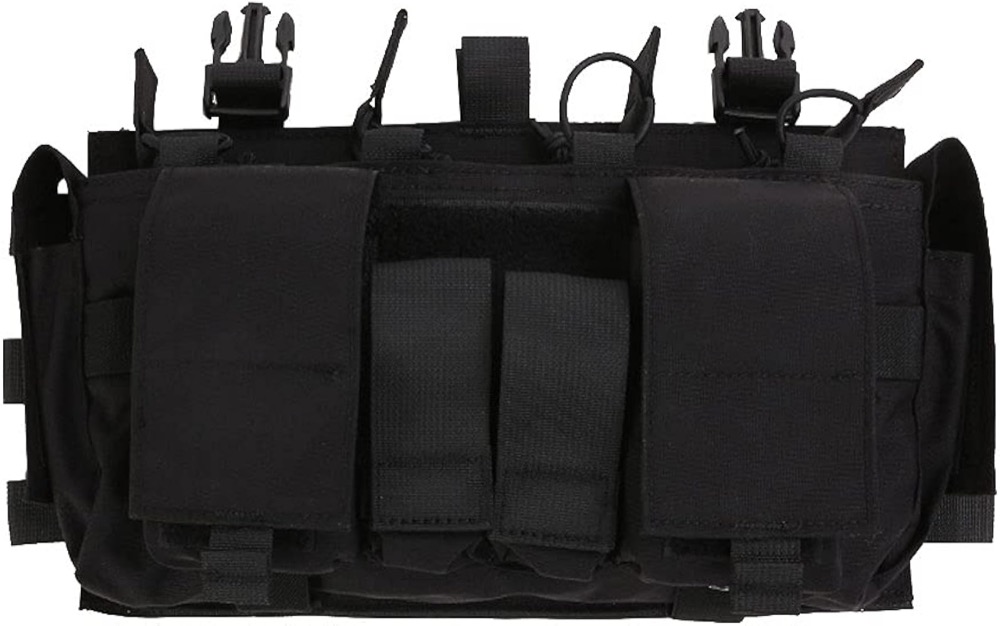
Chest rigs have been surging in popularity over the past few years, especially in warmer climates and among players who prioritize mobility. The concept is straightforward: a gear panel that hangs across your chest with your back completely open. This means dramatically better ventilation than a plate carrier and significantly less weight — often half or even a third of what a comparable plate carrier setup weighs.
The difference on the field is immediately noticeable. You run faster, transitions from standing to kneeling feel smoother, and fatigue sets in much later during long game days. For snipers, chest rigs offer a unique advantage: they can be worn over ghillie suits without distorting the camouflage profile the way a plate carrier would.
The trade-off is limited real estate. Most chest rigs hold three to four rifle magazines plus one or two small utility pouches, and that’s about it. Many players solve this by pairing a chest rig with a battle belt — rifle mags on the chest, pistol holster and utility pouches on the belt. This combination delivers an excellent balance of weight distribution and carrying capacity that works for a wide range of play styles.
Traditional Tactical Vest
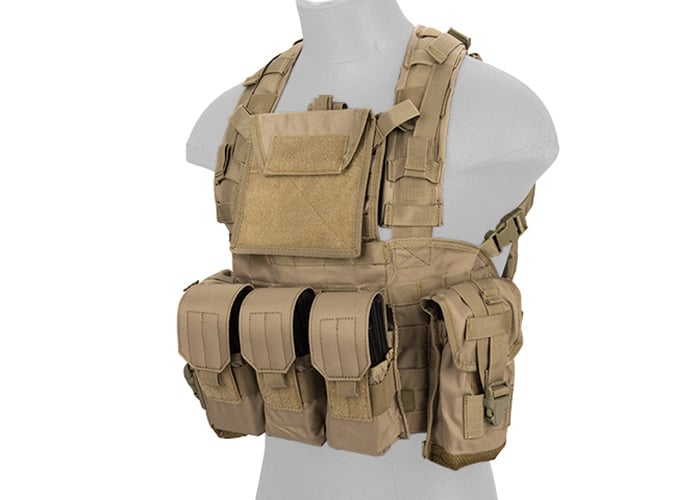
Traditional tactical vests are the oldest carrying system design, featuring sewn-in magazine pouches and fixed pockets. Their biggest advantage is simplicity: buy it, put it on, and you’re ready to play. No need to purchase separate pouches or spend time threading MOLLE straps. For beginners who don’t want to think about gear configuration and just want to get on the field, a traditional vest is the fastest path.
The downside is obvious: since the pouches are permanently stitched in place, you can’t reconfigure them for different situations. If a pocket sits at an awkward angle for your reload, you’re stuck with it. Ventilation also tends to be poor — more fabric coverage than a chest rig but without the structural rigidity of a plate carrier. A traditional vest works as a budget starting point when you’re still figuring out your play style, but most players eventually upgrade to a plate carrier or chest rig once they know what they want.
Choosing Your System by Play Style
Now that you understand the three types, the real question is: which one fits you? The answer depends almost entirely on where and how you play.
CQB / Indoor: Mobility First
In indoor CQB fields, corridors are narrow, corners come fast, and engagement distances are measured in meters rather than dozens of meters. You need to be agile and quick. A lightweight chest rig or even just a battle belt is more than enough. CQB rounds are short and intense, so you don’t need to carry a ton of magazines — two or three rifle mags and a pistol mag will typically last an entire round.
Wearing a full plate carrier through tight hallways feels immediately clumsy. Your shoulders catch on doorframes when you pie corners, and going prone is awkward because of the bulk on your chest. If CQB is your primary play style, start with a chest rig and only consider a plate carrier if you genuinely need more carrying capacity.
MilSim / Outdoor: Carrying Capacity Wins
MilSim events run eight hours minimum, sometimes overnight. You need to carry far more than just magazines: water, food, spare batteries, a radio, maps, a first aid kit — the list grows quickly. Only a plate carrier offers enough mounting space for all of that. Choose one with good shoulder padding and a supportive cummerbund that distributes weight evenly across your torso. That’s the key to surviving long operations without your body breaking down.
Many MilSim players also mount a hydration bladder on the back of their plate carrier, running the drinking tube over the shoulder to the front. Being able to hydrate without returning to the safe zone is a genuine tactical advantage during extended gameplay.
Speedsoft: Ultra-Light or Nothing
Speedsoft is all about maximum speed, and every unnecessary gram slows you down. Most Speedsoft players run a slim battle belt with a pistol holster and one or two magazine pouches — some don’t even wear that, relying on pants pockets alone. A handful use ultra-minimalist micro chest rigs for an extra magazine or two, but you’ll never see a serious Speedsoft player in a plate carrier.
If you spot someone running a fully loaded plate carrier at a Speedsoft field, they probably came straight from a MilSim event and haven’t changed — or they’re the person who gets eliminated first every round.
Casual Weekend Games: Flexible Choices
If you don’t specialize in any particular play style and just hit the field with friends on weekends, either a mid-range plate carrier or a well-equipped chest rig will serve you well. The key is finding something that fits comfortably and matches your primary weapon’s magazine type. Don’t feel pressured to fill every inch of MOLLE space right away — many experienced players swear by the “less is more” approach. Start with minimal gear, play a few games, and add things only when you discover a genuine need.
Five Popular Airsoft Carrying Systems Worth Considering
The market is overwhelming, so here are five options across different price points and types that consistently earn good reviews in the airsoft community.
Condor MOPC (Modular Operator Plate Carrier)
Condor is the “everyday brand” of the airsoft gear world, and the MOPC is probably the most purchased first plate carrier among new players. Priced around $40-60, you get a functional plate carrier with adequate MOLLE space and acceptable build quality. It’s not the lightest, not the most comfortable, and the shoulder strap padding is a bit thin for extended wear. But it works, it’s affordable, and virtually every airsoft retailer stocks it. If your budget is tight and you want to try the plate carrier experience without a major financial commitment, the Condor MOPC is a solid starting point.
Emerson JPC (Jumpable Plate Carrier) Replica
Emerson’s JPC replica brings the Crye Precision JPC design to the budget market. The original JPC costs over $200; the Emerson version delivers nearly identical aesthetics and core functionality for $50-80. The JPC design philosophy emphasizes being lighter and more streamlined than traditional plate carriers — smaller plate bags, elastic cummerbund instead of thick MOLLE panels, and a closer fit to the body. Emerson’s quality control isn’t always consistent, and you might find occasional stitching imperfections, but for airsoft use it holds up perfectly fine. This is a great pick for players who want the plate carrier look without the weight penalty.
TMC Micro Fight Chest Rig Replica
This is a replica of the Spiritus Systems Micro Fight, one of the most popular chest rig designs on the market. The original Spiritus costs over $100; the TMC version runs about $30-50. The design is clever: a compact main panel holds three 5.56 rifle magazines with a zippered pouch on top for a phone or small items. The total weight is so light you almost forget you’re wearing it. It’s also designed to mount on the front of a plate carrier or function as a standalone chest rig with shoulder straps — that modularity lets you switch configurations depending on the occasion. For a lightweight, flexible, and budget-friendly chest rig, the TMC Micro Fight replica is currently the best value option available.
LBX Armatus II Plate Carrier
LBX is the sub-brand of LBT (London Bridge Trading), positioned as “better than replicas, cheaper than originals.” The Armatus II costs around $100-140 and the difference in materials and construction quality compared to Condor or Emerson is immediately apparent. The 500D Cordura fabric is durable without being excessively heavy, and the cummerbund offers a wide adjustment range to fit different body types. The standout feature is the shoulder strap design — contoured cuts with generous padding that makes extended wear noticeably more comfortable than competing products at similar price points. If your budget sits around $100 and you want a plate carrier that will last for years, the LBX Armatus II deserves serious consideration.
Spiritus Systems Micro Fight
If budget isn’t a constraint and you want the best quality available, the Spiritus Systems Micro Fight is the benchmark in the chest rig category. The base unit runs about $100-130, and a complete setup with shoulder straps and accessories totals $150-200. What justifies the price? First, materials — 500D Cordura fabric with Hypalon pull tabs delivers a fit, feel, and durability that replicas simply can’t match. Second, modularity — you can swap magazine inserts for different calibers (5.56, 7.62, SMG), pair it with different harness systems, or mount it directly on a plate carrier as a front panel. Many players start with a budget replica and eventually upgrade to the original because once you’ve handled both, the difference is unmistakable.
MOLLE System and Accessory Configuration
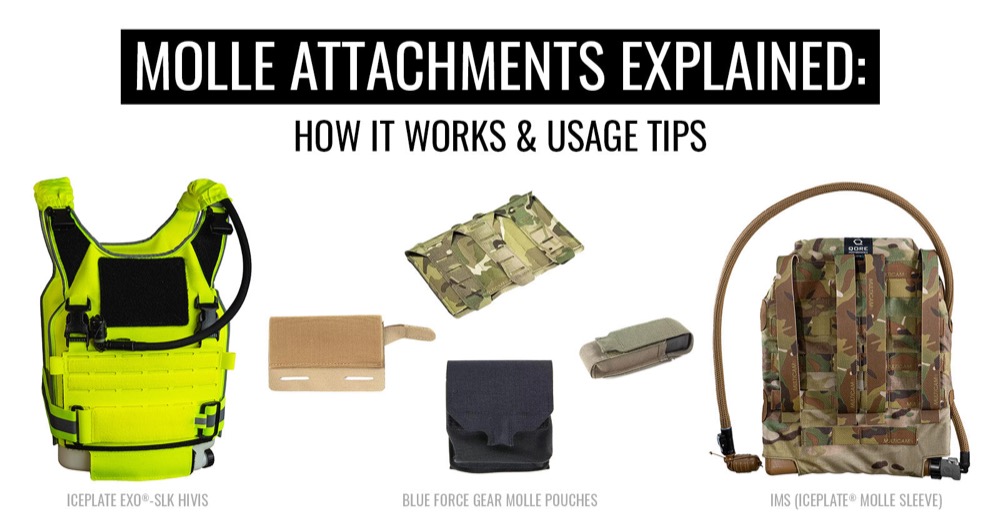
Regardless of which carrying system you choose, MOLLE (Modular Lightweight Load-carrying Equipment) is the foundation for mounting accessories. In simple terms, MOLLE consists of horizontal webbing strips sewn onto your vest’s surface, and you attach pouches by weaving straps through these rows.
The first rule of accessory configuration is “identify what you need to carry, then buy the matching pouches.” A common beginner mistake is hanging something on every available MOLLE row, ending up with a vest full of rarely-used accessories that add weight and restrict movement.
For most airsoft players, the essentials are simpler than you’d think. Magazine pouches are non-negotiable — pick the right type for your primary weapon’s caliber, and three to four is usually enough. If you carry a sidearm, add one or two pistol magazine pouches. A dump pouch for discarded empty magazines is genuinely useful — many players overlook this accessory and end up fumbling empty mags back into pockets or dropping them on the ground during reloads.
For longer events, a hydration bladder or water bottle pouch is essential. Playing for an hour or two outdoors without water is genuinely dangerous, especially in hot weather. Mount the bladder on the back of your vest with the drinking tube routed over your shoulder to the front, so you can hydrate without leaving the game.
A radio pouch is only necessary if your team uses radio communication. If you’re a solo player visiting a field for pickup games, skip it for now.
Beginner Buying Tips and Common Mistakes
If you’re purchasing carrying gear for the first time, here are some hard-won lessons that can save you time and money.
The most common mistake is buying a plate carrier that’s too large. Many beginners assume “bigger is better,” and end up with a front plate bag that hangs below their navel and a back panel that covers their backside. When they run, the entire vest bounces up and down. Proper sizing means the front plate bag should cover roughly from your collarbone to the bottom of your ribcage — too high interferes with shouldering your rifle, too low restricts crouching and prone positions. Always measure your torso and check the product’s size chart before ordering.
Another common mistake is skipping the fitting process. Don’t take your new gear straight to the field. At home, mount all your accessories, put the vest on, and run through basic movements: shoulder your rifle and aim, perform magazine changes, crouch, go prone, and jog a few steps. If any movement feels awkward, adjust pouch positions until everything flows smoothly. Using a shot timer to time your magazine changes is a smart way to benchmark — if your new vest makes reloads slower than before, the mag pouch placement needs work.
One final piece of advice: don’t chase the “perfect setup” before you’ve actually played. Buy the basics, take it to the field, and learn from real experience what you actually need. Many players spend hours researching “optimal configurations” online, buy a pile of accessories they never use, and end up simplifying their setup anyway. Real-world experience beats internet reviews every single time.
Conclusion
There’s no universal answer to which carrying system is best. CQB players might need nothing more than a slim chest rig, MilSim veterans require a fully loaded plate carrier, and Speedsoft competitors might wear nothing at all. What matters is choosing based on your actual needs rather than following what looks coolest in photos.
If you’re unsure, start with a mid-range chest rig or entry-level plate carrier paired with basic magazine pouches. After a few game days, you’ll naturally discover what to add and what to leave behind. Building your ideal gear configuration is an ongoing process — and honestly, the process of dialing it in is half the fun of this hobby.
Next Steps
- Identify your play style: Figure out which type of field you play at most often
- Choose your platform: Pick a plate carrier, chest rig, or battle belt based on your play style
- Start with basics: Magazine pouches + dump pouch is enough to begin
- Test in practice: Wear your setup and run through draw drills and magazine changes to confirm everything works
Related Articles
Airsoft Gear
- Airsoft Loadout Guide - Build the Perfect Complete Gear System
- Airsoft Gear Buying Guide - Equipment Guide for New Players
- Airsoft Mask & Eye Protection Guide - Choose the Right Face and Eye Protection
- Airsoft Sniper Rifle Guide - Complete Sniper Equipment and Tactics
Fields & Tactics
- Airsoft Field Guide - Find the Right Field for You
- Airsoft CQB Tactics Guide - Indoor Combat Techniques
- Airsoft Team Tactics Guide - Outdoor Squad Strategy and Communication
- Speedsoft Beginner Guide - Fast-Paced Competitive Play
Shooting & Training
- Shot Timer App Guide - Track Your Training Progress with Your Phone
- Complete Pistol Draw Guide - Improve Draw Speed and Magazine Changes
- Magazine Reload Guide - Master Fast Reload Techniques
- Airsoft
- Airsoft Vest
- Airsoft Plate Carrier
- Chest Rig
- Chest Rig Airsoft
- Tactical Vest
- MOLLE
- Plate Carrier
- Airsoft Loadout
- Airsoft Gear
- MilSim
- CQB
- Speedsoft
- Tactical Gear