Below you will find pages that utilize the taxonomy term “Dry Fire”
Posts
read more
The F.A.S.T. Drill: Par Times, Scoring & the Coin Only 26 Shooters Have Won (2026)
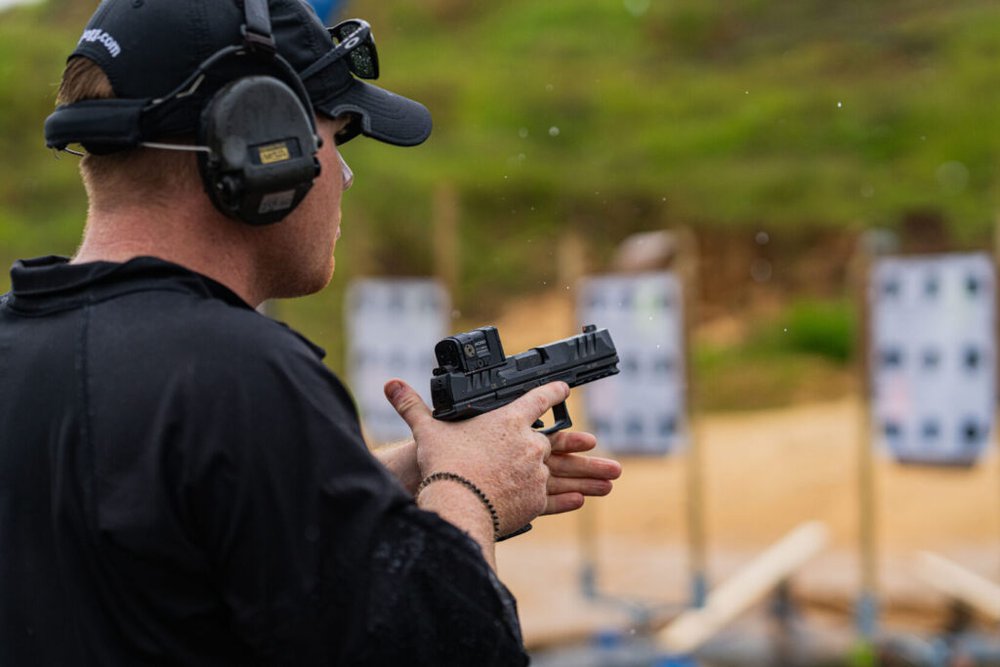
The F.A.S.T. Drill in 60 seconds (BLUF)
- What it is: Six rounds at 7 yards on one target — a 3×5 inch card in the head and an 8-inch circle in the body. Draw with exactly two rounds in the gun, fire two at the card, reload from slide lock, fire four at the circle.
- Why it hurts: The hardest shots come first and cold, then the gun runs dry on purpose. A slide-lock reload tears your grip apart, and you have to rebuild it while the clock runs.
- Ratings: 10+ seconds Novice · under 10 Intermediate · under 7 Advanced · under 5 Expert.
- Penalties are the whole game: every miss on the 3×5 card adds 2.00 seconds; every miss on the 8-inch circle adds 1.00 second. A 4.84-second run with two dropped body shots scores 7.34 — a Novice-to-Advanced fall from one bad grip.
- The coin: A clean sub-5.00 run, done in front of an authorized instructor, twice. Since 2007 exactly 26 people have earned one. There is also a “half pin” for a clean sub-7.00.
- Train it anywhere: Load two BBs in a GBB airsoft pistol and the slide locks back for real. With a free shot timer app you get the same draw, the same reload, and the same honest number — without burning 600 rounds finding out.
Most shooting drills flatter you. You pick the distance, you pick the pace, and you stop when the group looks good. The F.A.S.T. does the opposite: it hands you a small target, an empty gun, and a stopwatch, and then it tells everyone in earshot exactly where you actually are. Ernest Langdon — the man Todd Green authorized to carry on as arbiter of the F.A.S.T. Coin — puts it bluntly in his own classes: “It is a test specifically. It’s not something you practice.”
Posts
read more
Dot Torture Drill: Free Target, Course of Fire & How to Shoot It Clean
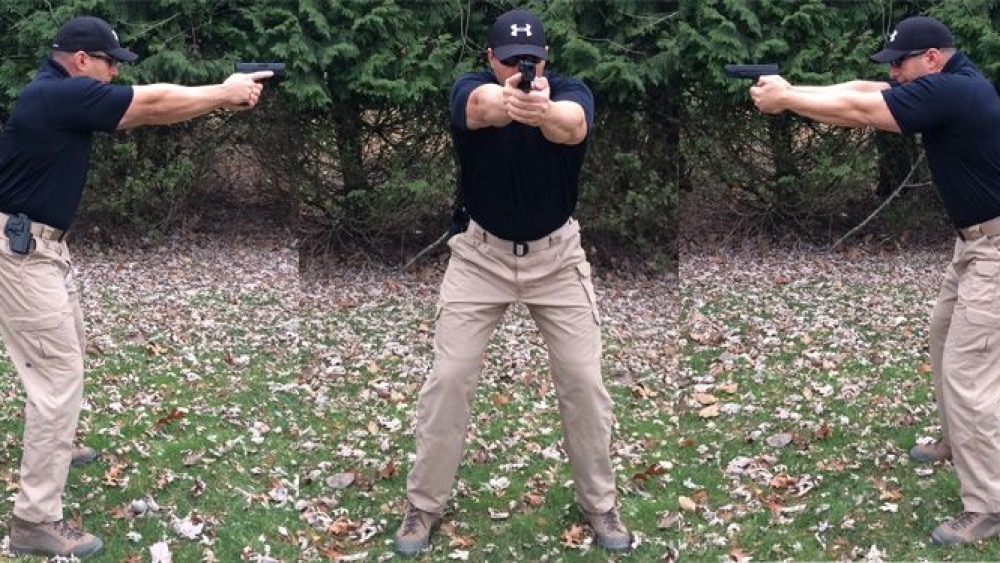
Dot Torture in 60 seconds (BLUF)
- What it is: A 50-round pistol drill shot at ten 2-inch circles printed on one sheet of paper, from 3 yards. Draws, transitions, strong hand, weak hand, and reloads are all built in.
- The catch: There is no time limit — and that’s exactly why it hurts. Nothing to blame. Every miss is pure trigger control.
- Passing score: 50 out of 50. One dropped shot means you run it again. Don’t move back to 4 yards until you can shoot it clean at 3 consistently.
- The target is free: Print the official 8.5×11" target from pistol-training.com on any home printer. No gear to buy.
- Train it anywhere: 3 yards is a hallway. Two-inch dots and an airsoft pistol or dry-fire reps at home build the exact same skill — and once you’re clean, a free shot timer app adds the pressure back in.
Three yards. Circles the size of a golf ball’s shadow. No timer, no pressure, all the time in the world. On paper, Dot Torture sounds like the easiest drill in shooting — right up until the first time you run it and watch round 37 land a quarter inch outside dot number eight, and the whole sheet is suddenly worthless. That’s the moment every shooter meets the real drill: it’s not a marksmanship test, it’s an honesty test.
Posts
read more
Mozambique Drill: Par Times, Scoring & the Exact Third-Shot Window
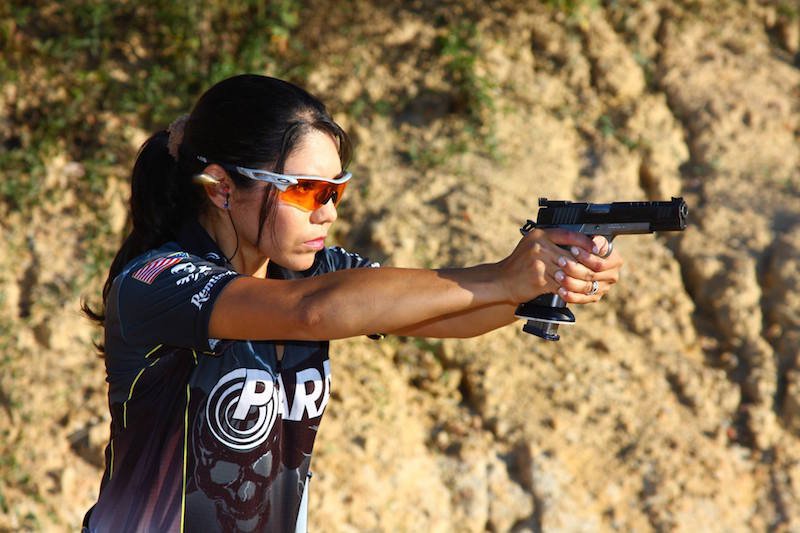
The Mozambique Drill in 60 seconds (BLUF)
- What it is: Draw and fire two rounds to the body, then one precise shot to the head, on a single target at seven yards. Also called the Failure Drill or Failure to Stop.
- Why it exists: It trains the moment your first response doesn’t work — two fast hits, no reaction, and now you need one slow, exact shot under pressure.
- What’s a good time? The classic par is 5 seconds from the holster at seven yards. Around 3 seconds you’re genuinely quick; world-class shooters have run it under one second up close.
- The hard part: The gear change. Your brain has to shift from “fast and loose” torso shots to a “small and exact” head shot mid-string — most people either rush the third shot and miss, or stall for half a second.
- Where exactly does shot three go? Not “the head” — the window between the eyebrows and the upper lip. Everywhere else on the skull is angled bone that can deflect a bullet.
- Three things almost nobody tells you: the 1974 shot that started it all landed in the neck, not the head; the LAPD renamed it the Failure Drill in 1980 over the name’s racial overtones; and most US police departments no longer teach the head shot at all.
- Train it anywhere: The 2+1 rhythm is a pattern skill. An airsoft pistol or a dry-fire rep against a par time on a free Airsoft Shot Timer app builds the same draw, cadence and transition without a single live round.
If you’ve seen John Wick clear a room — two quick shots to the chest, one to the head, next target — you’ve watched a Hollywood-polished Mozambique Drill. Keanu Reeves trained the pattern for the films, and Tom Cruise made an alley version of it famous in Collateral years earlier. But the drill wasn’t invented for the movies. It came out of a gunfight at an airport in 1974 — or at least out of a story about one, which turns out to be a distinction worth making — and it survives in competition warm-ups and training courses today because it tests something almost no other drill does: what you do when your first answer fails.
Posts
read more
El Presidente Shooting Drill: How to Run It, What's a Good Time & USPSA 99-11 Scoring (2026)
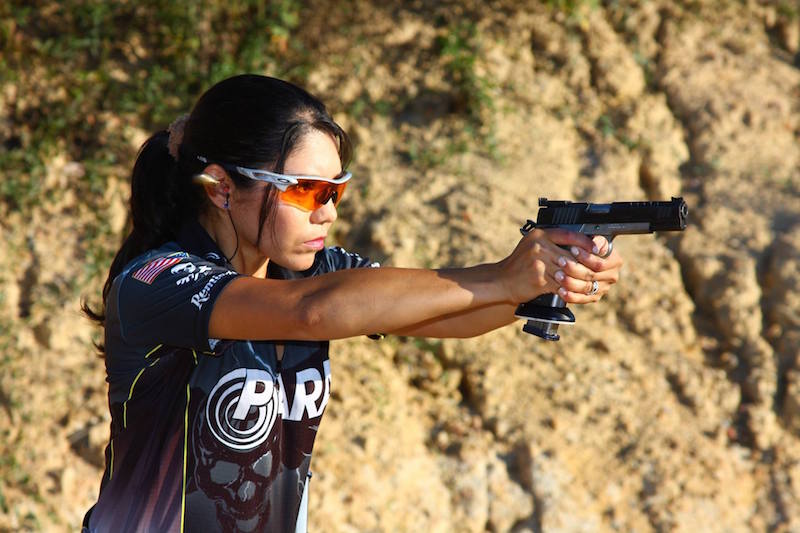
The El Presidente in 60 seconds (BLUF)
- What it is: Face uprange at 10 yards, turn on the beep, draw, fire two rounds on each of three targets, reload, and fire two more on each — 12 rounds total against the clock.
- Who made it: Jeff Cooper, who built it in the 1970s to gauge pistol proficiency for a presidential security detail in Latin America and published it in American Handgunner in 1979 — hence “El Presidente,” or “El Prez” for short. Full history below.
- It’s still a live classifier: El Prez is USPSA classifier CM 99-11 — a 12-round, 60-point, Virginia Count course. Shoot it at a match and it moves your classification.
- What’s a good time? The classic benchmark is a clean run in 10 seconds (all 12 in the A-zone). But USPSA scores it on hit factor, and for a clean run the conversion is dead simple: 60 ÷ your hit factor = your time. A 10 hit factor is 6.0 seconds with all twelve in the A-zone — roughly Grandmaster pace in the optics divisions.
- Why it’s the decathlon of drills: One run tests your turn, draw, target transitions, splits, a full reload, and recoil control — no single skill can hide. The common mistakes each leave a signature on the timer or the target, so you can diagnose your own run.
- Train it anywhere: The turn, draw, transitions and reload are all pattern skills. Run par-time reps with an airsoft pistol or dry fire on a free Airsoft Shot Timer app between range trips.
Ask a room full of shooters to name one pistol drill and more of them will say “El Presidente” than anything else. It’s been on range programs for fifty years, it shows up in USPSA classifiers, and it’s the first thing a lot of instructors reach for when they want to see whether a new student can actually run a gun rather than just shoot groups off a bench. If the Bill Drill is the honest test of your grip, the El Prez is the honest test of everything else.
Posts
read more
Bill Drill Time Standards 2026: Par Times for Pistol, Concealment & Rifle
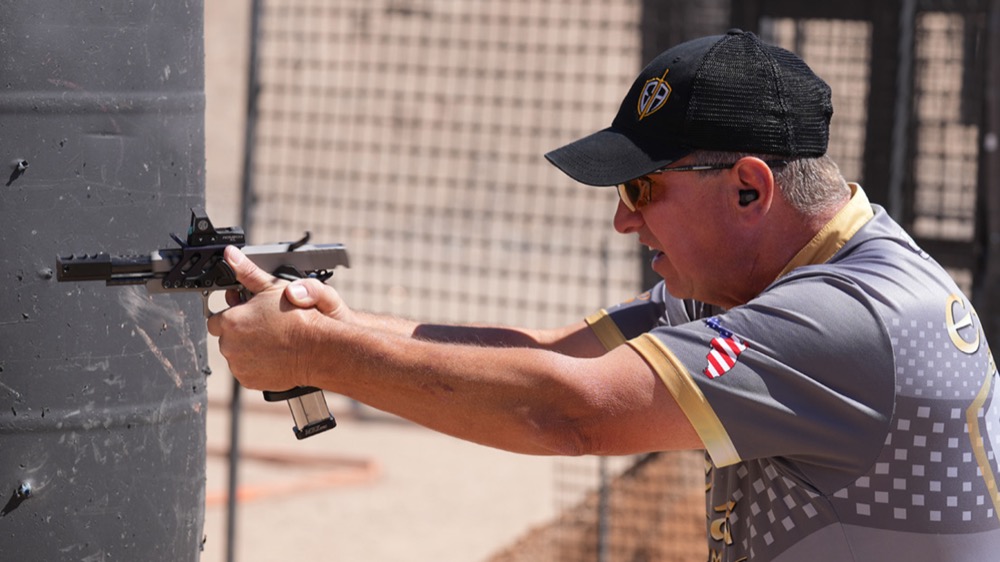
The Bill Drill in 60 seconds (BLUF)
- What it is: Draw and fire six rounds into the A-zone of one target at seven yards, as fast as you can keep them all in. That’s the whole drill.
- Why it’s brutal: Six shots leaves nowhere to hide. A bad grip, a slow draw, or flinching all show up instantly in your hits and your times.
- What’s a good time? From an open holster: roughly 4.5s for a new shooter, sub-3s for a solid club shooter, sub-2s for someone who can genuinely shoot. From concealment, add roughly half a second to every one of those — a clean sub-2 from concealment is genuinely rare, not a weekend goal.
- How fast is the record? Around 1.1 seconds for six A-zone hits, with a draw near 0.40s. It’s a legitimate number and a terrible training target — see below for why.
- What do real people shoot? In a documented advanced handgun class, students ran it in 2.85–4.03 seconds raw. Sub-2 is an internet standard, not an average one.
- With a rifle? Same six rounds, same seven yards, but from low ready instead of the holster — which puts the whole score on your recoil control. Around 1.5 seconds is the working par; under a second is the real ceiling.
- Does the gun matter? Not to the course of fire — six rounds and no reload means a revolver, a 1911 or a 21-round double-stack all run it unmodified. It matters enormously to the number: a compact carry pistol typically costs you a few tenths against a full-size competition gun, so log the gun next to the time.
- The two levers: Your draw (first shot) and your splits (time between shots). A shot timer breaks both out for you so you know which one to fix.
- Train it anywhere: You don’t need live fire to build the pattern. An airsoft pistol or a dry-fire rep with a par time on a free Airsoft Shot Timer app trains the exact same draw-and-run mechanics.
If you’ve ever watched someone at the range draw and rip six shots into a single target in about two seconds, you’ve probably seen a Bill Drill without knowing its name. To a bystander it looks like a John Wick impression. To anyone who trains seriously, it’s one of the most revealing tests in shooting — because there is absolutely nothing to it, and that’s exactly why it’s so hard to fake.
Posts
read more
IDPA 5x5 Classifier 2026: Full Times Chart by Division, Par Times & Every Way to Make Your Class
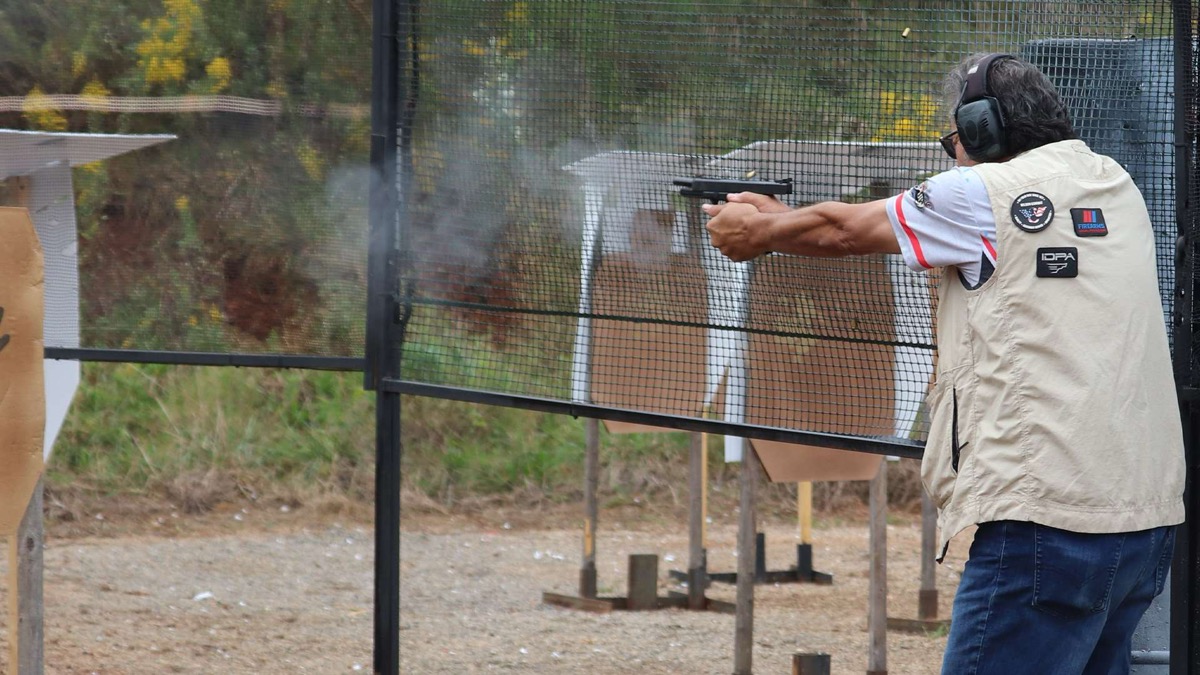
The IDPA classifier in 60 seconds (BLUF)
- What it is: A standardized skills test that sorts you into a class. Most clubs now use the 5x5 classifier — 25 rounds, four strings, one target at 10 yards, no concealment required.
- How it’s scored: Your final number is raw time + points down (1 second each) + penalties. Lower is better. Unlike USPSA’s hit factor, in IDPA your time is your score.
- The classes: Master (MA), Expert (EX), Sharpshooter (SS), Marksman (MM), Novice (NV) — set by hard time brackets that differ by division. Jump to the full times chart for all eight divisions ↓
- Three official methods: the abbreviated 5x5, the three-stage 72-round standard classifier, and a separate PCC classifier — plus a fourth route that isn’t a classifier at all, the match bump.
- You’re classified per division: you must shoot the classifier in a division to hold a class in it.
- The fastest way to move up: work out the four par times your target class actually requires, then drill the draw, the strong-hand string and the slide-lock reload against them with a free Airsoft Shot Timer app — every tenth you save is a tenth off your classifier.
There’s a particular kind of quiet that falls over a bay when the safety officer says “this is the classifier.” Everybody who was joking around two minutes ago suddenly gets serious, because this is the one stage of the day that follows you home. Your fun-stage hits stay at the club; your classifier time goes into the IDPA database and decides whether you’re a Sharpshooter or an Expert for the next year. This guide walks through exactly what that test is, how a stopwatch number turns into a class, what the current standards are, and — the part most people skip — how to actually train for it without burning a case of ammo.
Posts
read more
USPSA Classifier Guide 2026: The New 26 Series, Hit Factor & Classes
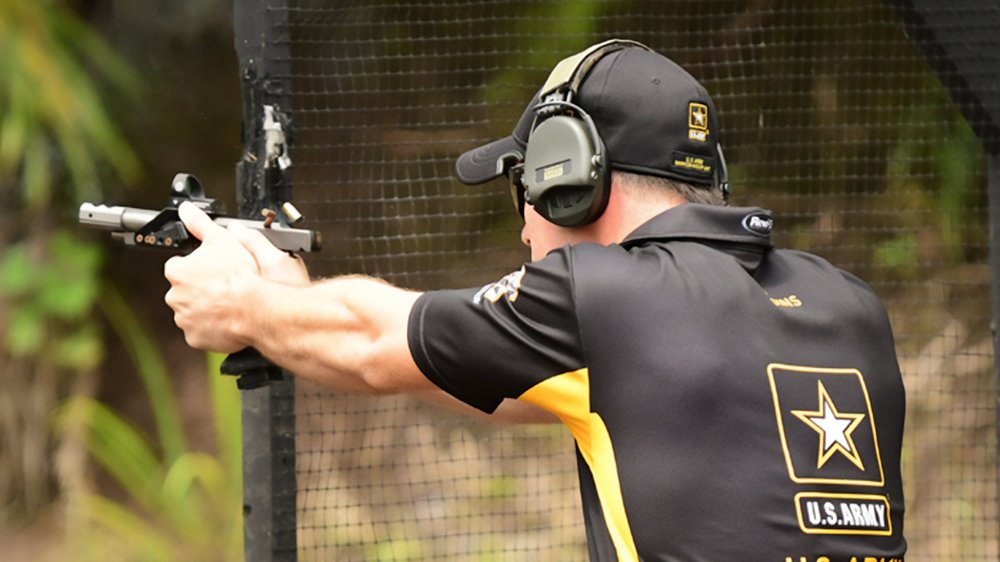
USPSA classifiers in 60 seconds (BLUF)
- What it is: A classifier is a short, standardized course of fire you shoot at a local match. Your raw score becomes a hit factor (points ÷ time), and that hit factor is compared against USPSA’s benchmark for that stage to produce a percentage.
- How you get classified: You need four valid scores from four different classifiers in a division. After that, your class is set by the best 6 of your most recent 8 unique classifier percentages.
- The classes: Grand Master (95%+), Master, A, B, C, D — each division is scored separately, so you can be A-class in Production and C-class in Open.
- What changed in 2025: USPSA removed the old B/C/D flags, started averaging same-day attempts, and released the new 25-Series classifier stages. More on that below.
- What’s new in 2026: the 26 Series — five provisional stages (King Crab, Darwinism, Mike Who?, Uprange? Seriously, Downrange? Obviously) that clubs began running in June. They don’t count toward your class yet, but they will retroactively if the stages get adopted. Jump to the 26 Series breakdown.
- Two things no other guide tabulates: a hit factor → class chart for any HHF, and the full anatomy of the classic CM 06-03 “Can You Count”.
- The fastest way to move up: practice the exact mechanics a classifier measures — draw, splits, reloads — with a free Airsoft Shot Timer app between matches.
If you’ve shot a couple of USPSA matches, you’ve already run into classifiers — those short, oddly specific stages where everyone suddenly gets quiet and serious. And if you’ve ever logged into uspsa.org and stared at a wall of percentages, division codes and three-digit stage numbers, you’ve probably also wondered what any of it actually means for you. This guide unpacks the whole system in plain language: what a classifier is, how a stopwatch number becomes a letter grade, what the 2025 overhaul changed, and how to nudge your percentage upward without gaming it.
Posts
read more
Does Airsoft Help With Real Gun Training? 7 Skills, 6 Bad Habits
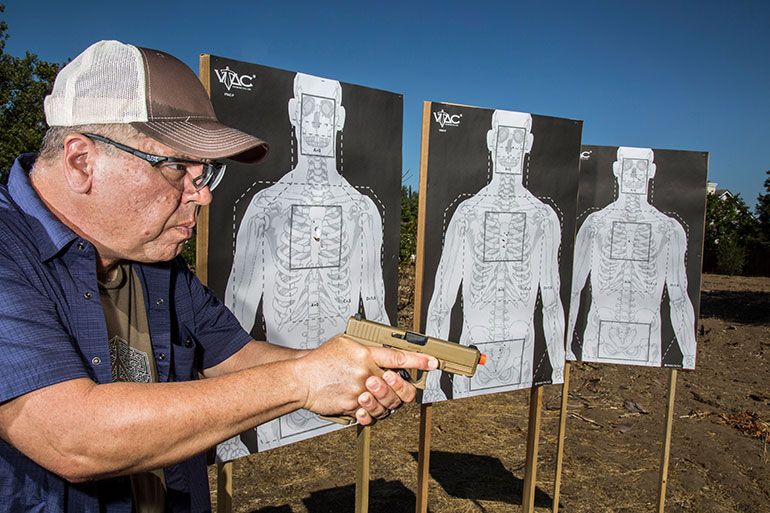
Short answer: Yes, airsoft helps with real gun training — for specific skills. Grip, draw stroke, magazine reloads, target transitions, and tactical movement transfer almost perfectly from a GBB pistol to a real firearm. Recoil management, trigger feel, and ballistics don’t transfer at all. U.S. military units and law enforcement agencies have used airsoft (and the closely related Simunition) for decades because force-on-force training is nearly impossible to replicate safely with live ammunition. The rest of this guide breaks down exactly which skills cross over, which don’t, and how to structure a training ladder that bridges the gap.
Posts
read more
Best Laser Training Pistol 2026: TitanX vs SIRT vs Mantis vs Strikeman

Why You Need a Laser Training System
If you’ve ever been serious about improving your shooting, you’ve run into the same problem everyone does: you want to practice, but you can’t hit the range every day. Between range fees, ammunition costs, and travel time, putting in a daily 30-minute practice session becomes a luxury.
Posts
read more
Your First USPSA Match 2026: What to Bring & How Not to Get DQ'd
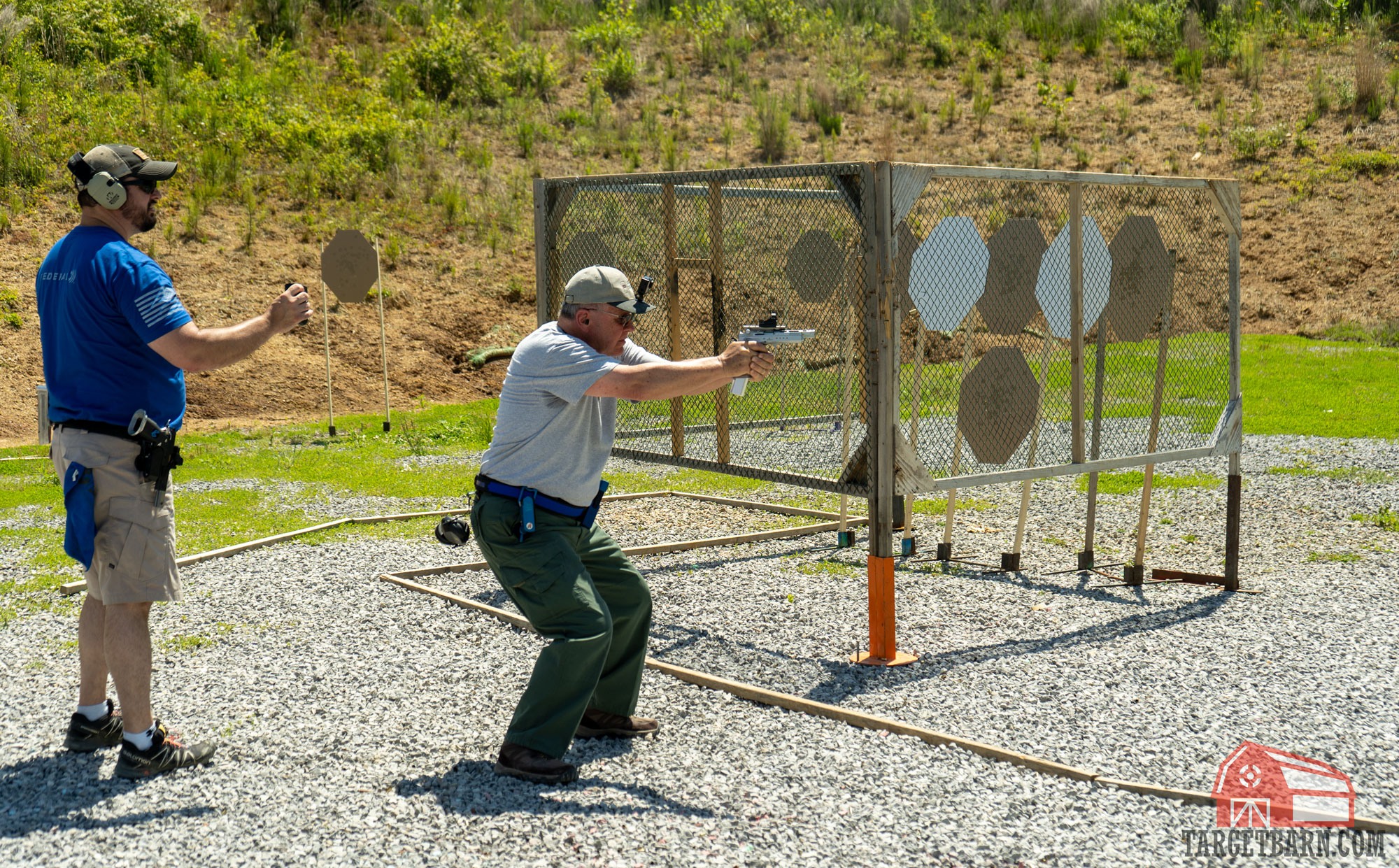
The 60-second version. You do not need a USPSA membership to shoot your first local (Level 1) match — turn up, pay the club’s entry fee (usually $20–40), and shoot. Bring 200–300 rounds, at least three magazines (five is comfortable), a belt holster that covers the trigger and points the muzzle down, plus eye and ear protection. Budget four to six hours at the range for a five-stage match. Say “this is my first match” at sign-in and ask for the new-shooter briefing and safety check — it’s the highest-value ten minutes of the day. And remember the asymmetry that defines this sport: shooting slowly or badly cannot get you thrown out, but gun handling can. The three that catch new shooters are breaking the 180 (muzzle more than 90° off the line to the backstop), a finger inside the trigger guard while moving, and dropping the gun. Membership ($65/year) only matters once you want a classification or a sanctioned match. Every rule number below is from the USPSA Handgun Competition Rulebook, edition 2026-09 (effective 1 September 2026).
Posts
read more
Shooting Training Plan 2026: 5 Steps to Build One (+ Free Dry Fire Schedule You Can Copy Tonight)
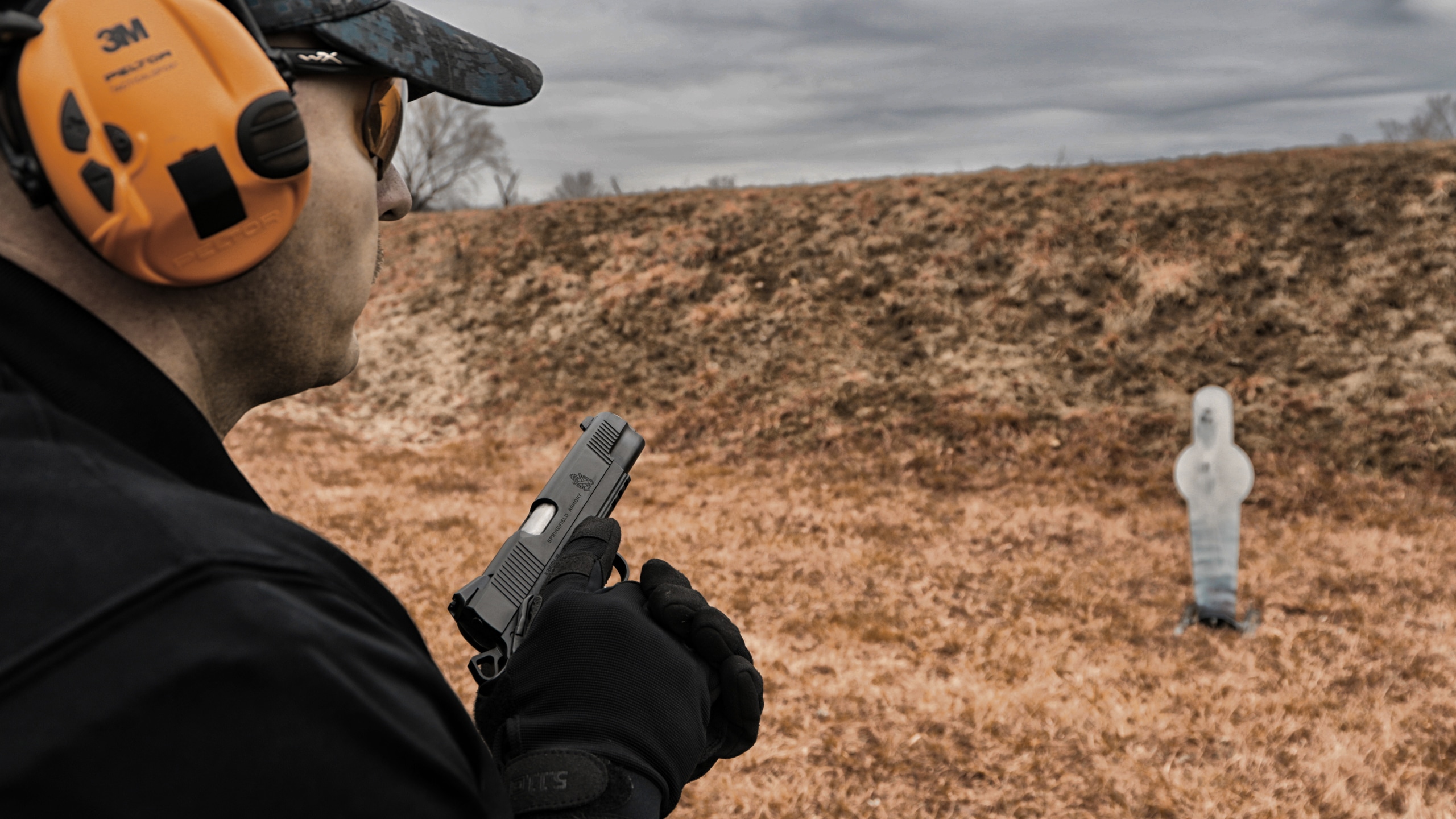
Why Do You Need a Training Plan?
“I go to the range every week, but I don’t seem to be improving.” — This is a common frustration among shooters. The problem often isn’t about not practicing enough, but rather the lack of a systematic training plan.
Posts
read more
Tap Rack Bang: How Long Each Malfunction Clearance Should Take (Type 1, 2 & 3)
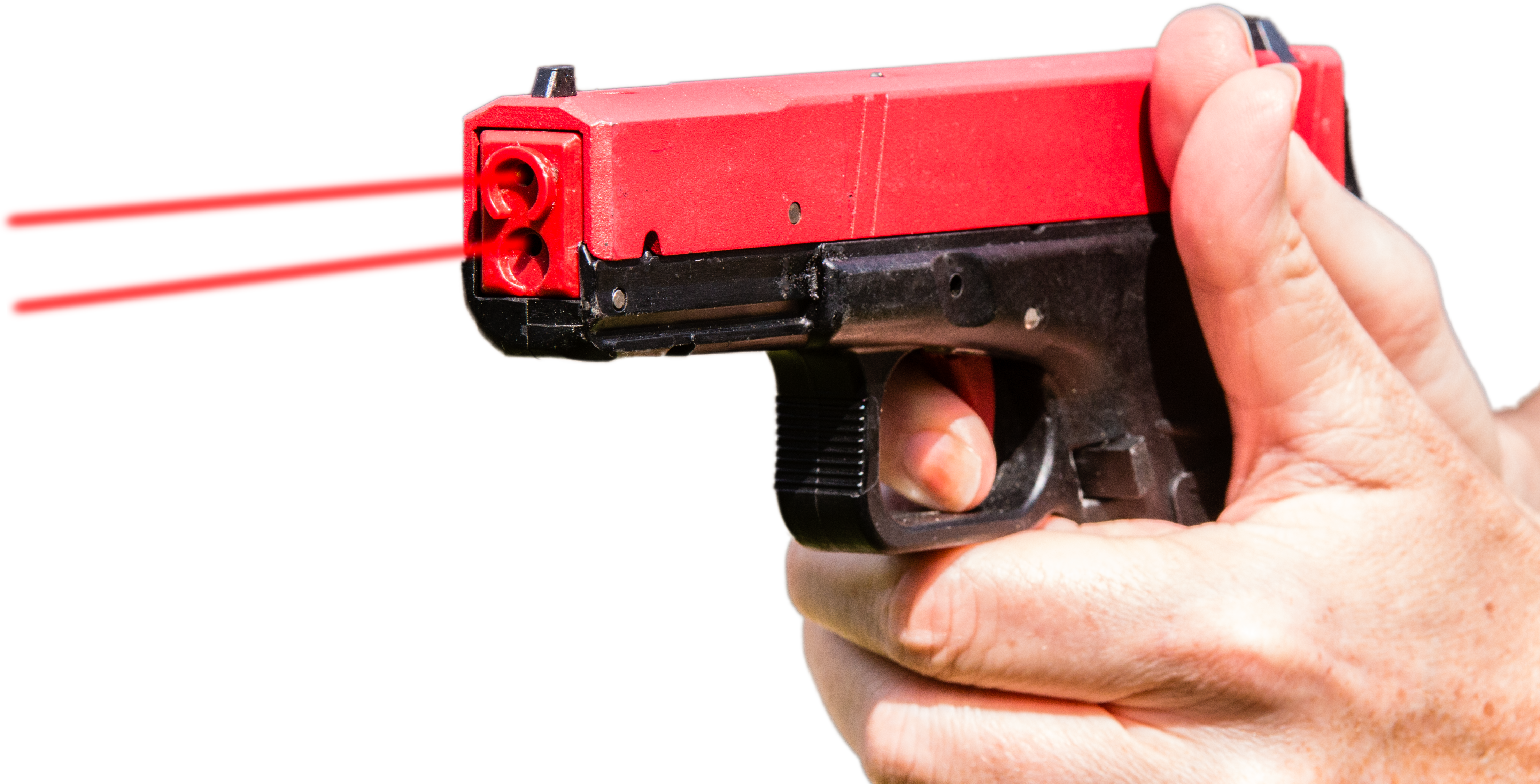
The 60-Second Answer: Tap, Rack, and When It Will Not Work
“Tap, rack, bang” is genuinely the right answer — for one of the three malfunctions you will actually meet. The reason people stand there racking a dead gun is that nobody told them what the other two feel like.
Posts
read more
Weaver vs Isosceles Stance: Which Pistol Shooting Stance Wins in 2026 (and Why)
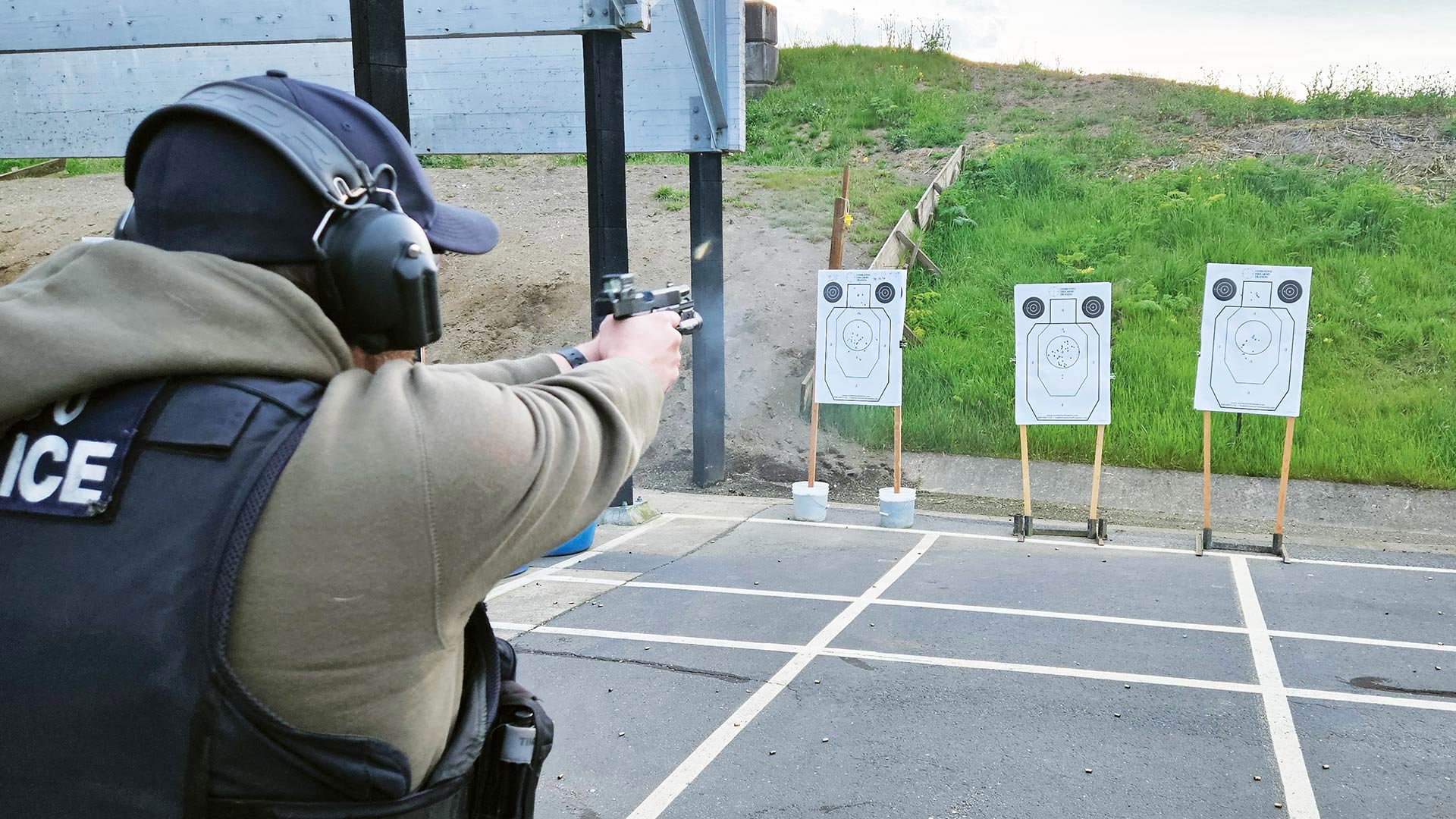
Weaver vs Isosceles in 60 Seconds
If you only read one paragraph, read this one. The Weaver stance is bladed, with the gun-side foot back, both elbows bent and a push-pull tension between the hands. The Isosceles stance is squared to the target with both arms pushed out so they form a triangle with your chest. The Chapman (or modified Weaver) keeps the bladed feet but locks the gun arm straight like a rifle stock. The Modern Isosceles keeps the squared chest, staggers the feet slightly, drops the shoulders in front of the hips and softens the elbows. That last one is what you will see on nearly every IPSC, USPSA and Steel Challenge winner today, and it is what we recommend you build first.
Posts
read more
Dry Fire Training at Home: Do You Need a System? 6 Drills + Best Free App
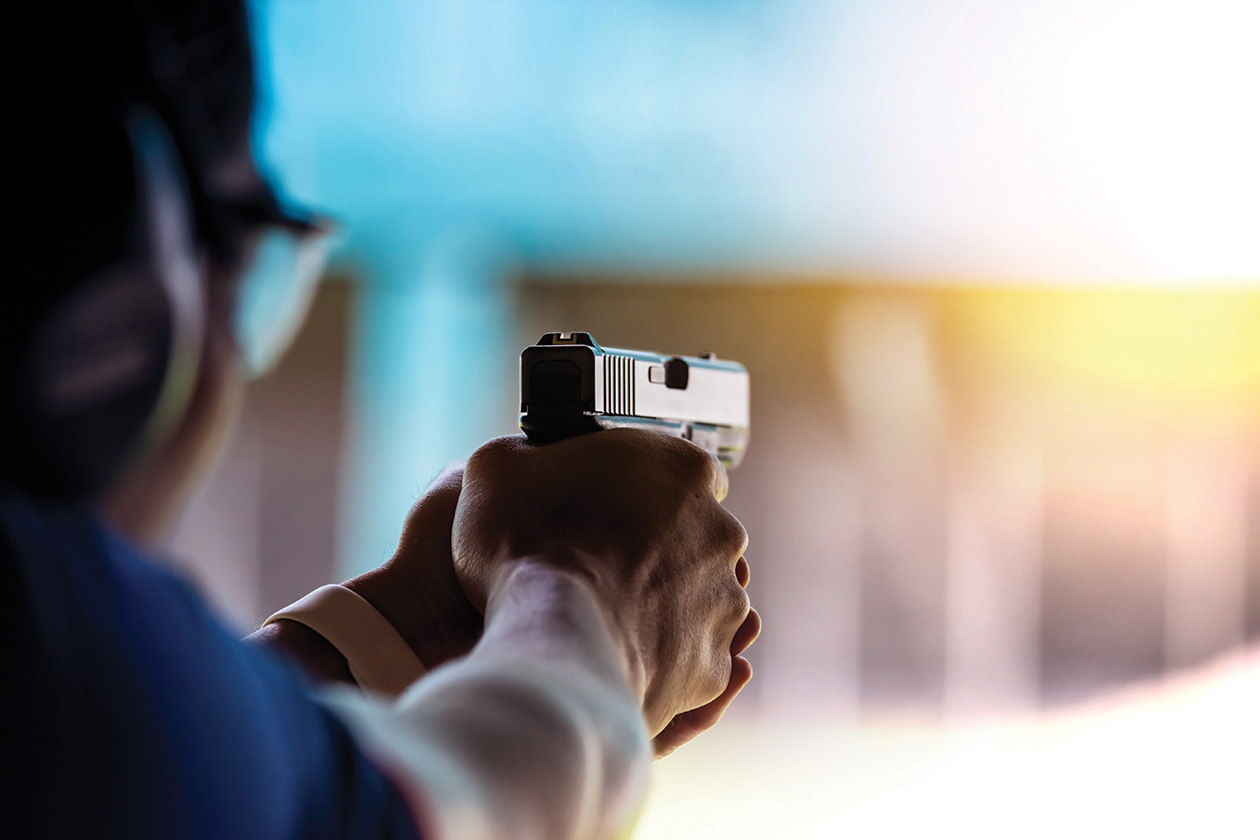
Quick Start: Dry Fire Training at Home Tonight
Short on time? Here’s everything you need to start dry fire training at home today, then the full guide below.