Below you will find pages that utilize the taxonomy term “Draw Speed”
Posts
read more
El Presidente Shooting Drill: How to Run It, What's a Good Time & USPSA 99-11 Scoring (2026)
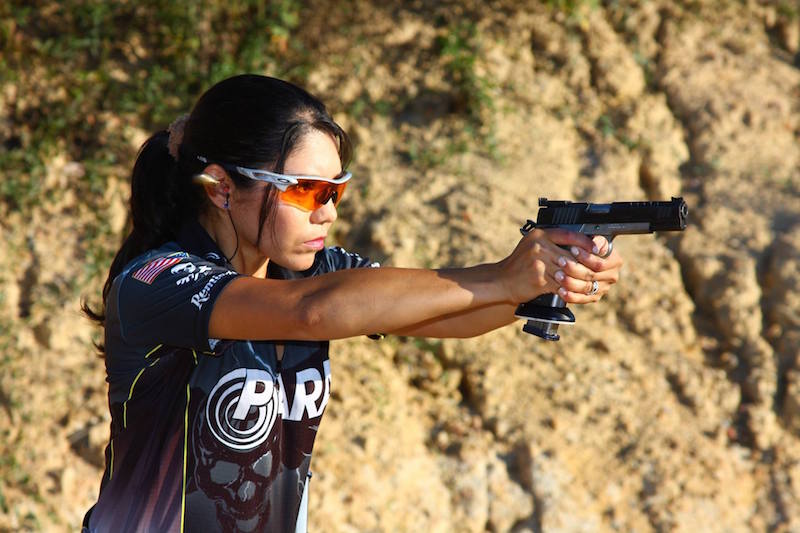
The El Presidente in 60 seconds (BLUF)
- What it is: Face uprange at 10 yards, turn on the beep, draw, fire two rounds on each of three targets, reload, and fire two more on each — 12 rounds total against the clock.
- Who made it: Jeff Cooper, who built it in the 1970s to gauge pistol proficiency for a presidential security detail in Latin America and published it in American Handgunner in 1979 — hence “El Presidente,” or “El Prez” for short. Full history below.
- It’s still a live classifier: El Prez is USPSA classifier CM 99-11 — a 12-round, 60-point, Virginia Count course. Shoot it at a match and it moves your classification.
- What’s a good time? The classic benchmark is a clean run in 10 seconds (all 12 in the A-zone). But USPSA scores it on hit factor, and for a clean run the conversion is dead simple: 60 ÷ your hit factor = your time. A 10 hit factor is 6.0 seconds with all twelve in the A-zone — roughly Grandmaster pace in the optics divisions.
- Why it’s the decathlon of drills: One run tests your turn, draw, target transitions, splits, a full reload, and recoil control — no single skill can hide. The common mistakes each leave a signature on the timer or the target, so you can diagnose your own run.
- Train it anywhere: The turn, draw, transitions and reload are all pattern skills. Run par-time reps with an airsoft pistol or dry fire on a free Airsoft Shot Timer app between range trips.
Ask a room full of shooters to name one pistol drill and more of them will say “El Presidente” than anything else. It’s been on range programs for fifty years, it shows up in USPSA classifiers, and it’s the first thing a lot of instructors reach for when they want to see whether a new student can actually run a gun rather than just shoot groups off a bench. If the Bill Drill is the honest test of your grip, the El Prez is the honest test of everything else.
Posts
read more
Bill Drill Time Standards 2026: Par Times for Pistol, Concealment & Rifle
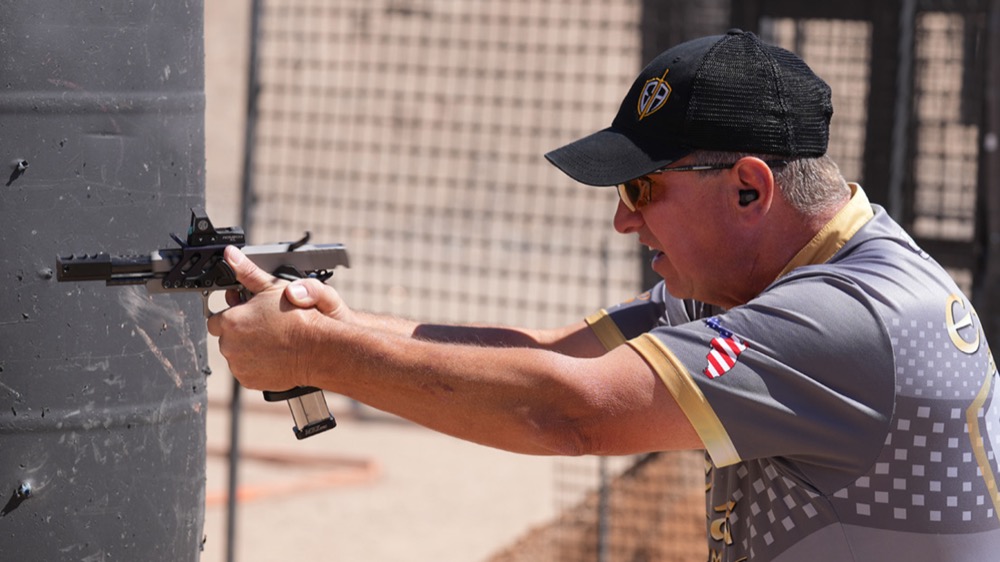
The Bill Drill in 60 seconds (BLUF)
- What it is: Draw and fire six rounds into the A-zone of one target at seven yards, as fast as you can keep them all in. That’s the whole drill.
- Why it’s brutal: Six shots leaves nowhere to hide. A bad grip, a slow draw, or flinching all show up instantly in your hits and your times.
- What’s a good time? From an open holster: roughly 4.5s for a new shooter, sub-3s for a solid club shooter, sub-2s for someone who can genuinely shoot. From concealment, add roughly half a second to every one of those — a clean sub-2 from concealment is genuinely rare, not a weekend goal.
- How fast is the record? Around 1.1 seconds for six A-zone hits, with a draw near 0.40s. It’s a legitimate number and a terrible training target — see below for why.
- What do real people shoot? In a documented advanced handgun class, students ran it in 2.85–4.03 seconds raw. Sub-2 is an internet standard, not an average one.
- With a rifle? Same six rounds, same seven yards, but from low ready instead of the holster — which puts the whole score on your recoil control. Around 1.5 seconds is the working par; under a second is the real ceiling.
- Does the gun matter? Not to the course of fire — six rounds and no reload means a revolver, a 1911 or a 21-round double-stack all run it unmodified. It matters enormously to the number: a compact carry pistol typically costs you a few tenths against a full-size competition gun, so log the gun next to the time.
- The two levers: Your draw (first shot) and your splits (time between shots). A shot timer breaks both out for you so you know which one to fix.
- Train it anywhere: You don’t need live fire to build the pattern. An airsoft pistol or a dry-fire rep with a par time on a free Airsoft Shot Timer app trains the exact same draw-and-run mechanics.
If you’ve ever watched someone at the range draw and rip six shots into a single target in about two seconds, you’ve probably seen a Bill Drill without knowing its name. To a bystander it looks like a John Wick impression. To anyone who trains seriously, it’s one of the most revealing tests in shooting — because there is absolutely nothing to it, and that’s exactly why it’s so hard to fake.
Posts
read more
What Is PCSL? Divisions, 2-Gun Rules, Membership Cost & PPS Scoring (2026)
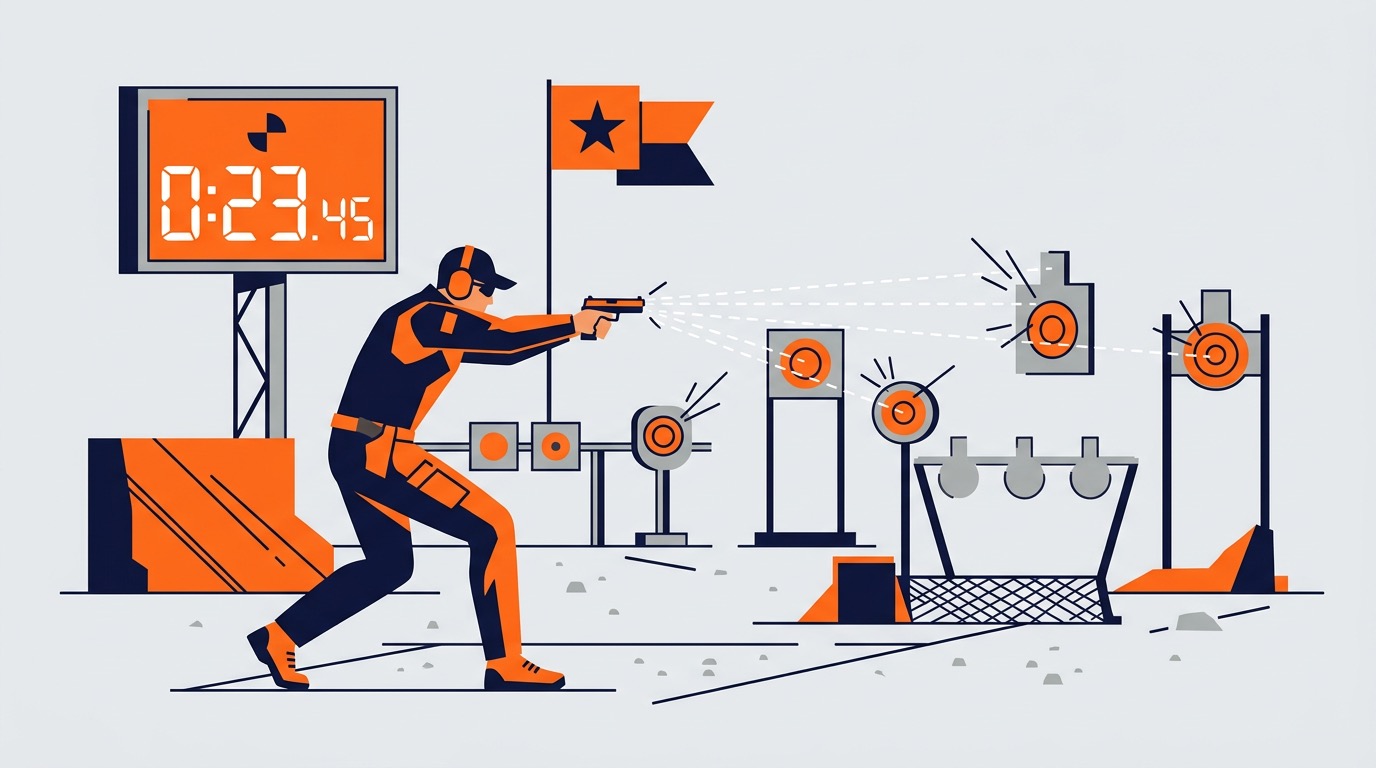
🎯 In a hurry? Here’s the one thing to know. PCSL scores you on PPS (Points Per Second) = total points ÷ time — which means half your score is literally the clock. A more expensive pistol won’t raise your PPS, but shaving fractions of a second off your draw, transitions, and reloads will — and the only way to measure that is a shot timer. The most useful one is free: the AirsoftShotTimer app records your splits and par times from your phone, so you can train at home with airsoft or dry fire before you ever spend $130+ on hardware.
Posts
read more
What Is Speedsoft? The 2026 Beginner Guide (Is It Right for You?)
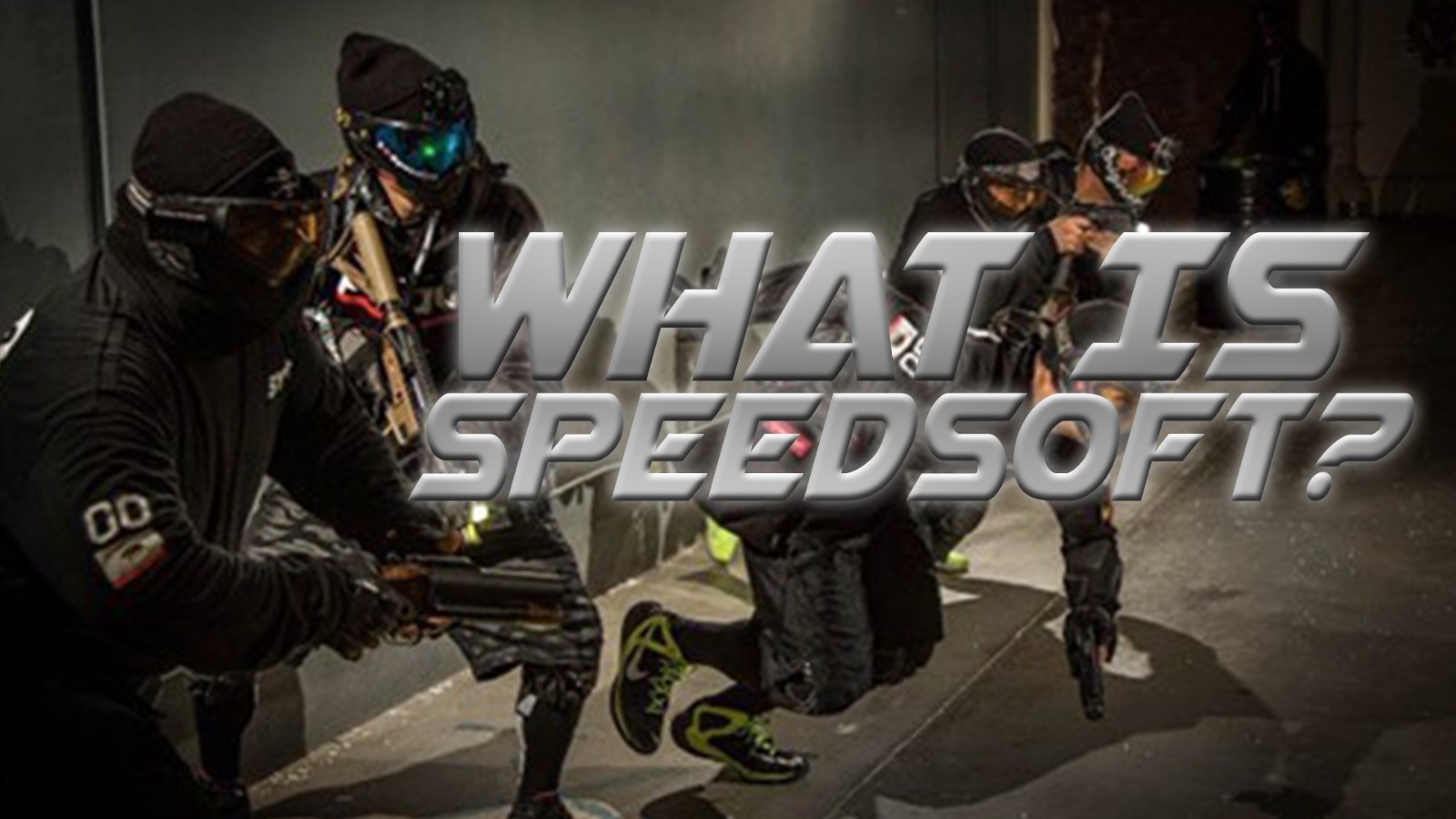
🎯 Speedsoft in 60 seconds: Speedsoft is airsoft stripped down to one thing — speed. Rounds last 4-5 minutes, guns run semi-auto only, and you win by moving and shooting faster than the other team. To start: grab a full-face paintball mask, knee pads, and any semi-capable AEG or gas pistol, then find a local SpeedQB or Speedsoft night. The part almost every beginner skips? Actually measuring their speed. “Feeling fast” and being fast are different things — and the only way to know the difference is to put a clock on it. Time your draw-to-first-shot and your reloads with a free shot timer app, and you’ll improve faster than the guy who just buys a more expensive gun. The format itself is unusually consistent wherever you play it: a 350 FPS chrono limit, semi-auto only with rapid trigger pulls (“feathering”) allowed, mid-cap magazines, rounds of two to four minutes with about a minute between them, and a field roughly 80 by 40 feet for 3v3 or 100 by 50 for 5v5. Full breakdown below.
Posts
read more
IPSC Action Air Guide 2026: World-Class Practical Shooting with Airsoft
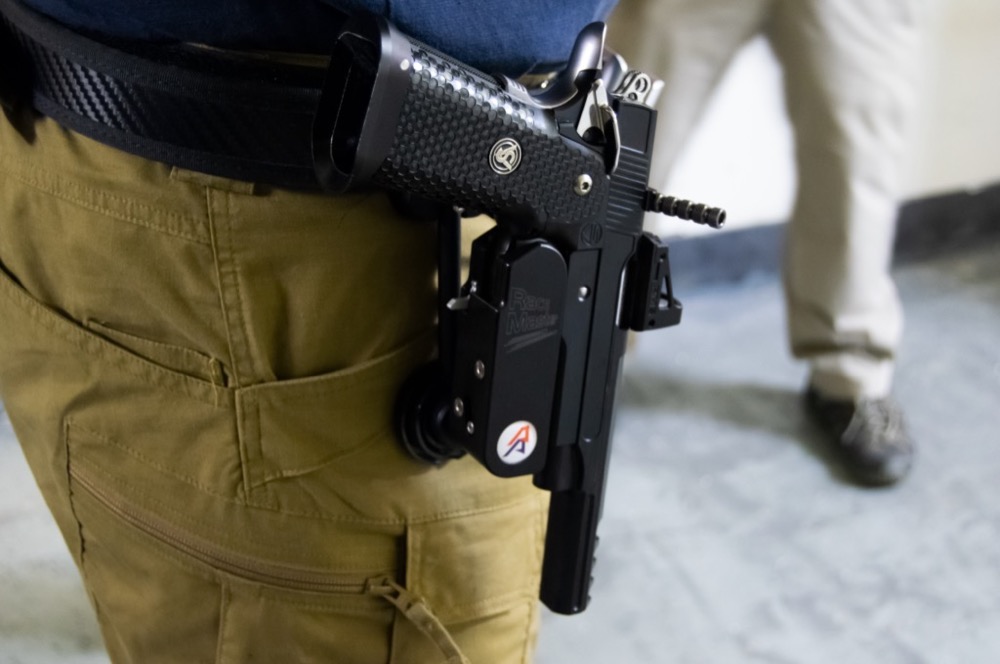
🎯 60-Second Action Air Primer
- What it is: IPSC’s official airsoft division — the same practical-shooting sport with the same Hit Factor scoring, played with GBB pistols. It has its own World Shoot, and Asia is the home field.
- Your score is half time: Hit Factor = points ÷ time. The clock literally decides half your result, which is why serious competitors train with a shot timer from day one.
- The timer is free: You don’t need a US$130–$300 hardware timer to start. The free Airsoft Shot Timer app is tuned to detect the quiet report of GBB and AEG guns and records your draw, splits, and reloads — the exact numbers that move your Hit Factor.
- Start where you are: If you already play airsoft and own a GBB handgun, you can begin training tonight at home and shoot your first match with the gear you already have.
World-Class Competition Without Real Firearms
You’ve probably heard of IPSC—the International Practical Shooting Confederation. What you might not know is that IPSC has an airsoft division called IPSC Action Air, complete with its own World Championship.
Posts
read more
USPSA, IPSC & IDPA Holster Rules 2026: Legal Height, Position + Best Race Holsters
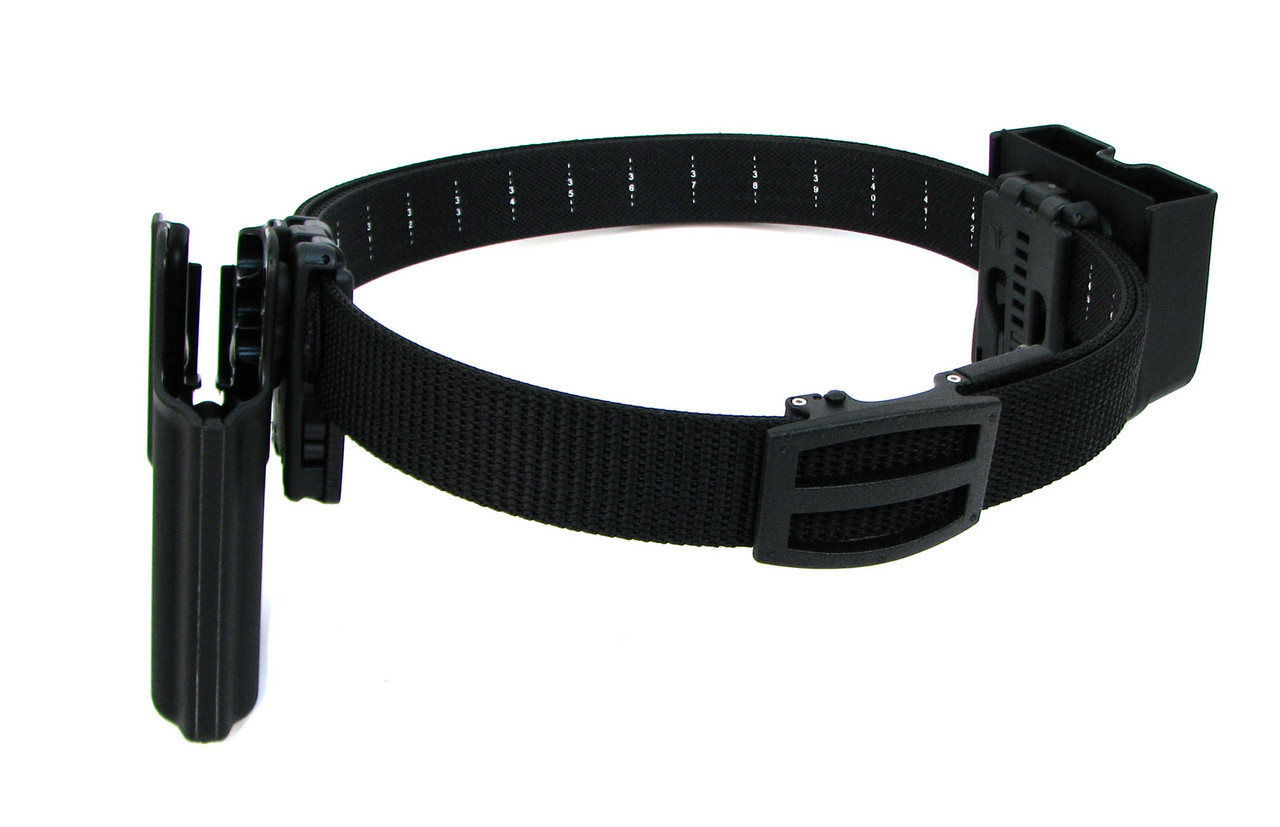
🎯 Holster Rules & Best Picks: The 60-Second Answer
The two USPSA rules that decide whether your rig is legal: the heel of the butt of the handgun must be at or above the top of your belt — in the current 2026-09 rulebook that is rule 5.2.11, not 5.2.7.2, and it applies to every division — and the gun can sit no further from the belt than 2-1/8 inches in Production, Single-Stack and Carry Optics, or 3-3/8 inches in Open, Limited, Limited-10, Revolver and Limited Optics (rule 5.2.5), measured from the outer surface of the belt to the closest point of the grip. Thigh straps are legal in USPSA — that prohibition was removed on 29 February 2024, though thigh holsters still fail the height rule. IDPA is stricter: the butt must sit clearly above the top of the belt (8.5.1.12), an OWB holster may not stick out more than 3 inches (7.62 cm) from your body measured at the top of the belt, cant is limited to vertical or muzzle-rear by no more than 15 degrees (8.5.1.6), and magnets may not be used as magazine carriers (8.6.1.3). Cross-draw, shoulder, small-of-the-back and pocket holsters are banned outright (8.5.2). IPSC is not simply “USPSA abroad”: the height rule matches word for word (5.2.7.2, Appendix E3b), but the distance limit is 50 mm in every division — tighter than any USPSA division — tie-down rigs are still prohibited (5.2.7.1), the muzzle may not point more than 1 metre from your feet (5.2.7.3), and the January 2026 edition added a seventh division, Optics. Three things most club advice still gets wrong in 2026: the USPSA height rule has been renumbered to 5.2.11, thigh straps are no longer banned, and IPSC has no “trigger guard behind the hip bone” rule — what it has is the Appendix E2 forward line, which binds Standard, Classic, Production, Production Optics and Optics but not Open or Revolver. Full numbers, division by division, are in the holster rules section below.
Posts
read more
Dry Fire Training at Home: Do You Need a System? 6 Drills + Best Free App
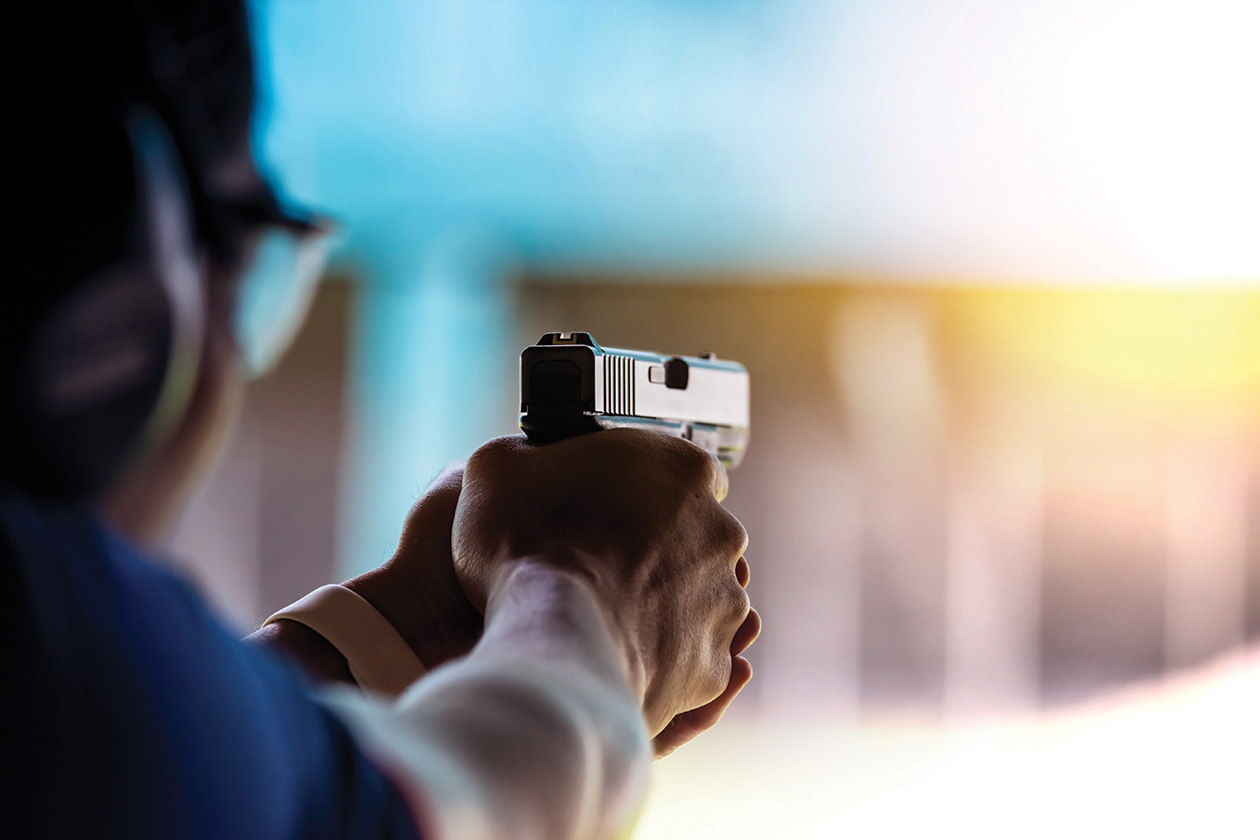
Quick Start: Dry Fire Training at Home Tonight
Short on time? Here’s everything you need to start dry fire training at home today, then the full guide below.