Below you will find pages that utilize the taxonomy term “Competition Shooting”
Posts
read more
IDPA 5x5 Classifier 2026: Full Times Chart by Division, Par Times & Every Way to Make Your Class
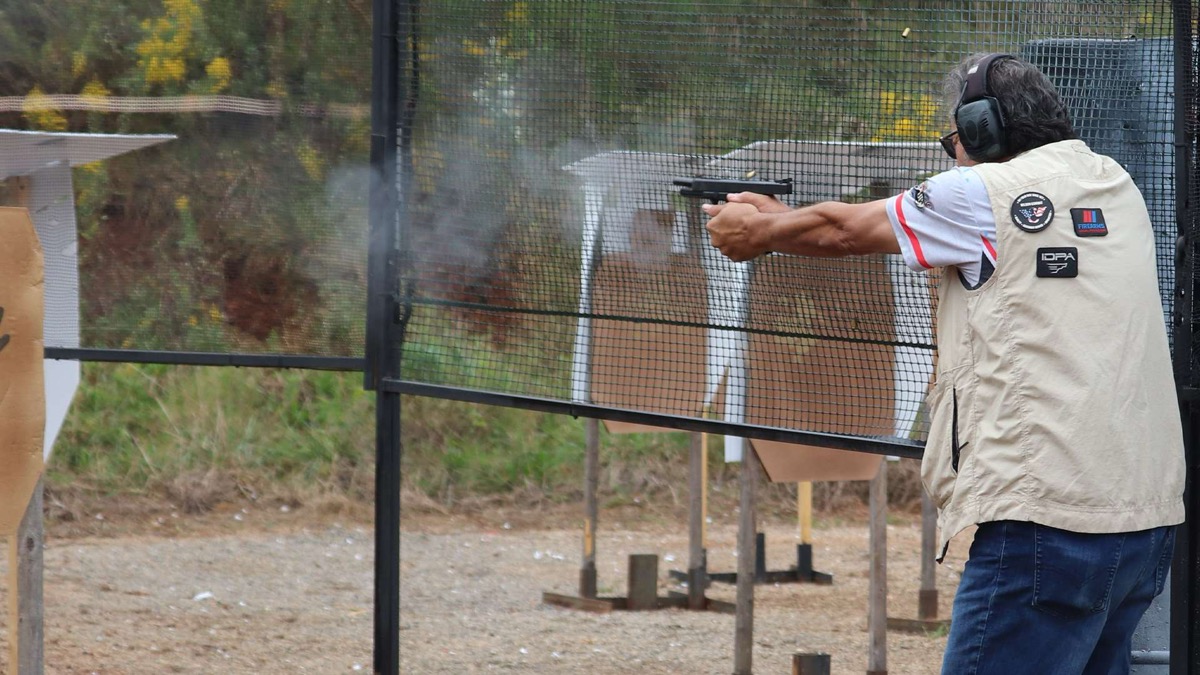
The IDPA classifier in 60 seconds (BLUF)
- What it is: A standardized skills test that sorts you into a class. Most clubs now use the 5x5 classifier — 25 rounds, four strings, one target at 10 yards, no concealment required.
- How it’s scored: Your final number is raw time + points down (1 second each) + penalties. Lower is better. Unlike USPSA’s hit factor, in IDPA your time is your score.
- The classes: Master (MA), Expert (EX), Sharpshooter (SS), Marksman (MM), Novice (NV) — set by hard time brackets that differ by division. Jump to the full times chart for all eight divisions ↓
- Three official methods: the abbreviated 5x5, the three-stage 72-round standard classifier, and a separate PCC classifier — plus a fourth route that isn’t a classifier at all, the match bump.
- You’re classified per division: you must shoot the classifier in a division to hold a class in it.
- The fastest way to move up: work out the four par times your target class actually requires, then drill the draw, the strong-hand string and the slide-lock reload against them with a free Airsoft Shot Timer app — every tenth you save is a tenth off your classifier.
There’s a particular kind of quiet that falls over a bay when the safety officer says “this is the classifier.” Everybody who was joking around two minutes ago suddenly gets serious, because this is the one stage of the day that follows you home. Your fun-stage hits stay at the club; your classifier time goes into the IDPA database and decides whether you’re a Sharpshooter or an Expert for the next year. This guide walks through exactly what that test is, how a stopwatch number turns into a class, what the current standards are, and — the part most people skip — how to actually train for it without burning a case of ammo.
Posts
read more
USPSA Classifier Guide 2026: The New 26 Series, Hit Factor & Classes
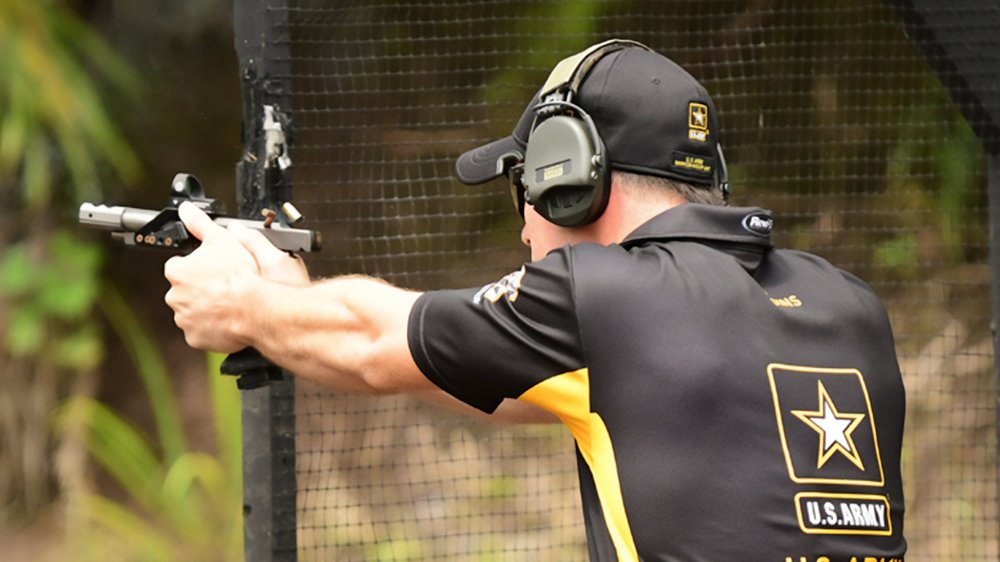
USPSA classifiers in 60 seconds (BLUF)
- What it is: A classifier is a short, standardized course of fire you shoot at a local match. Your raw score becomes a hit factor (points ÷ time), and that hit factor is compared against USPSA’s benchmark for that stage to produce a percentage.
- How you get classified: You need four valid scores from four different classifiers in a division. After that, your class is set by the best 6 of your most recent 8 unique classifier percentages.
- The classes: Grand Master (95%+), Master, A, B, C, D — each division is scored separately, so you can be A-class in Production and C-class in Open.
- What changed in 2025: USPSA removed the old B/C/D flags, started averaging same-day attempts, and released the new 25-Series classifier stages. More on that below.
- What’s new in 2026: the 26 Series — five provisional stages (King Crab, Darwinism, Mike Who?, Uprange? Seriously, Downrange? Obviously) that clubs began running in June. They don’t count toward your class yet, but they will retroactively if the stages get adopted. Jump to the 26 Series breakdown.
- Two things no other guide tabulates: a hit factor → class chart for any HHF, and the full anatomy of the classic CM 06-03 “Can You Count”.
- The fastest way to move up: practice the exact mechanics a classifier measures — draw, splits, reloads — with a free Airsoft Shot Timer app between matches.
If you’ve shot a couple of USPSA matches, you’ve already run into classifiers — those short, oddly specific stages where everyone suddenly gets quiet and serious. And if you’ve ever logged into uspsa.org and stared at a wall of percentages, division codes and three-digit stage numbers, you’ve probably also wondered what any of it actually means for you. This guide unpacks the whole system in plain language: what a classifier is, how a stopwatch number becomes a letter grade, what the 2025 overhaul changed, and how to nudge your percentage upward without gaming it.
Posts
read more
IPSC Classification 2026: 6 Classes, 28 Classifier Stages & How to Rank Up
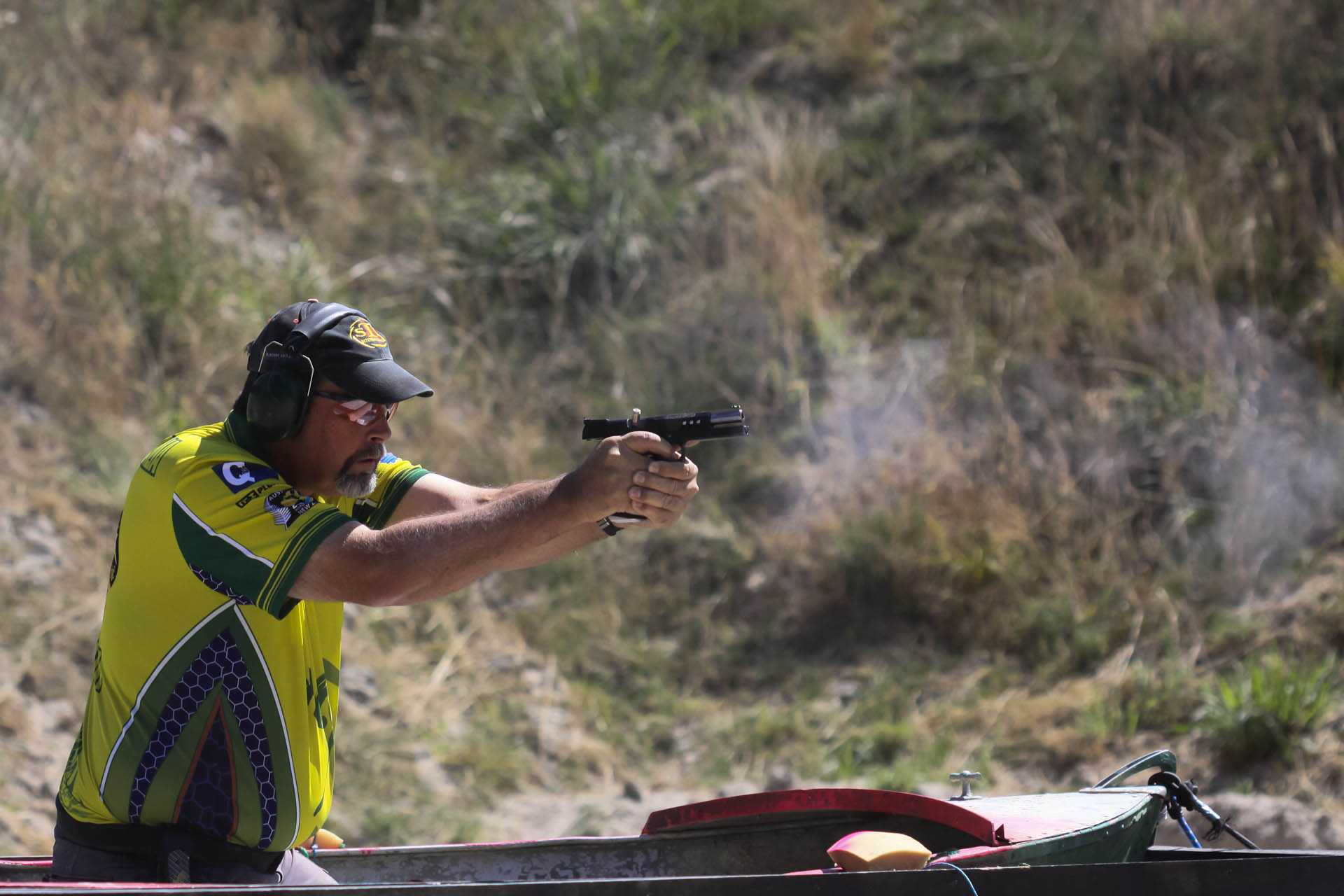
IPSC Classification Explained in 60 Seconds (BLUF)
Short answer: IPSC ranks shooters into six classes — Grand Master (95%+), Master (85–94.9%), A (75–84.9%), B (60–74.9%), C (40–59.9%), and D (under 40%). The percentage is calculated against the highest hit factor ever recorded on a standardized Classifier Stage (CLS). You need a minimum of four CLS scores to get an initial class, and after that your classification is recalculated from the best 4 of your most recent 8 results. To keep your class active, you must shoot at least one classifier match or two CLS stages each calendar year, and your class is division-specific — being an A-class in Production doesn’t make you A-class in Open.
Posts
read more
What Is PCSL? Divisions, 2-Gun Rules, Membership Cost & PPS Scoring (2026)
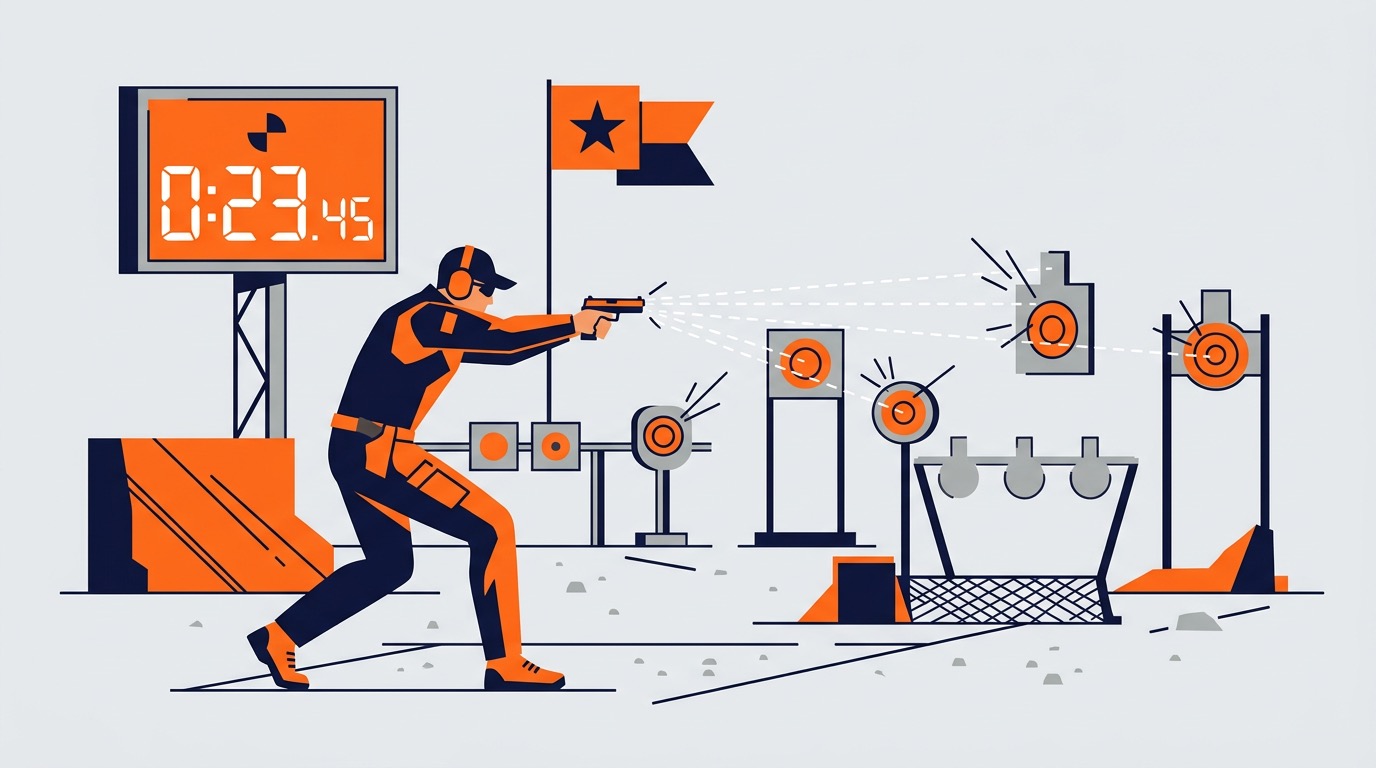
🎯 In a hurry? Here’s the one thing to know. PCSL scores you on PPS (Points Per Second) = total points ÷ time — which means half your score is literally the clock. A more expensive pistol won’t raise your PPS, but shaving fractions of a second off your draw, transitions, and reloads will — and the only way to measure that is a shot timer. The most useful one is free: the AirsoftShotTimer app records your splits and par times from your phone, so you can train at home with airsoft or dry fire before you ever spend $130+ on hardware.
Posts
read more
Your First USPSA Match 2026: What to Bring & How Not to Get DQ'd
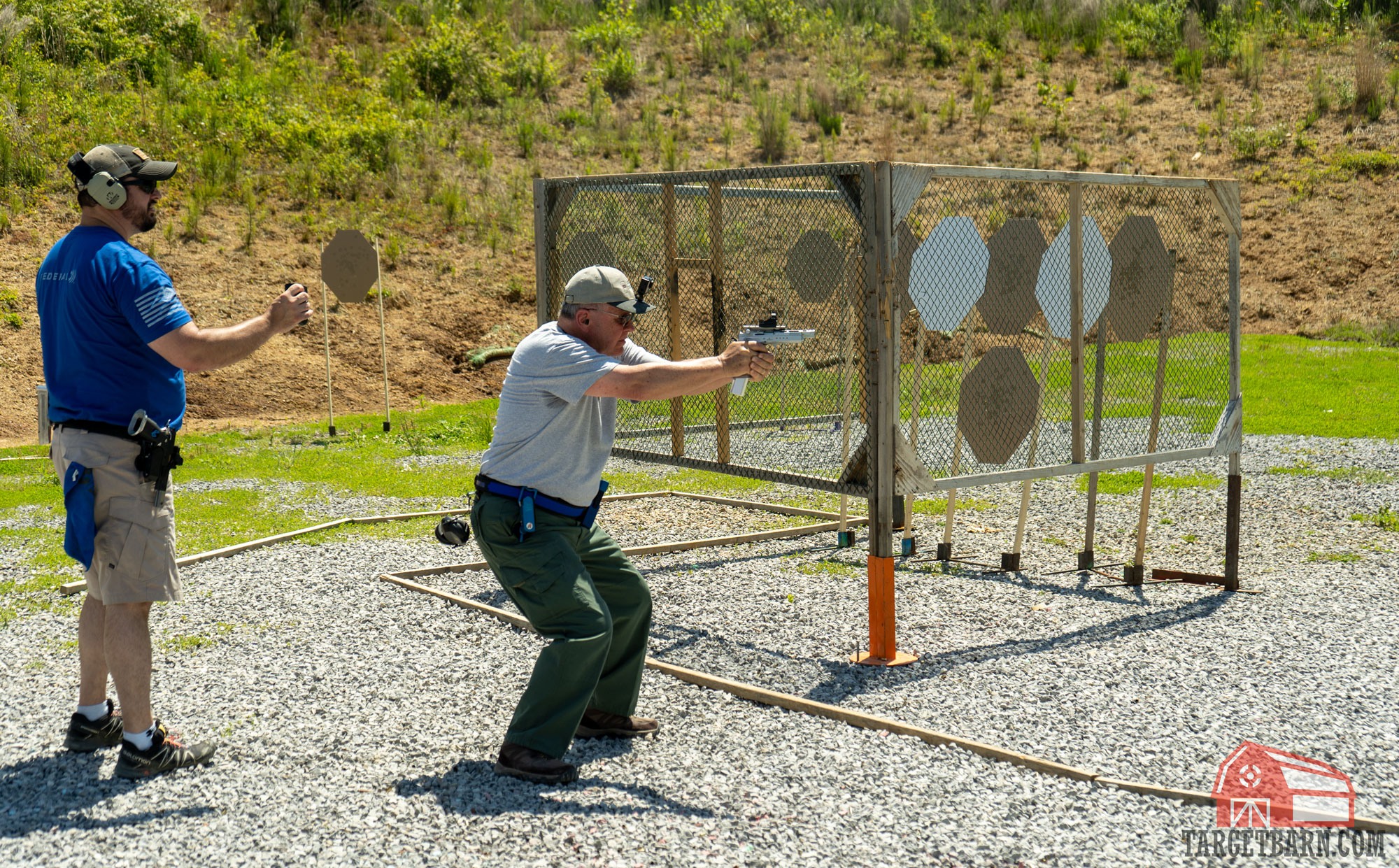
The 60-second version. You do not need a USPSA membership to shoot your first local (Level 1) match — turn up, pay the club’s entry fee (usually $20–40), and shoot. Bring 200–300 rounds, at least three magazines (five is comfortable), a belt holster that covers the trigger and points the muzzle down, plus eye and ear protection. Budget four to six hours at the range for a five-stage match. Say “this is my first match” at sign-in and ask for the new-shooter briefing and safety check — it’s the highest-value ten minutes of the day. And remember the asymmetry that defines this sport: shooting slowly or badly cannot get you thrown out, but gun handling can. The three that catch new shooters are breaking the 180 (muzzle more than 90° off the line to the backstop), a finger inside the trigger guard while moving, and dropping the gun. Membership ($65/year) only matters once you want a classification or a sanctioned match. Every rule number below is from the USPSA Handgun Competition Rulebook, edition 2026-09 (effective 1 September 2026).
Posts
read more
Glock Gen 6 Complete Guide: New Features, Gen 5 Comparison & Competition Impact
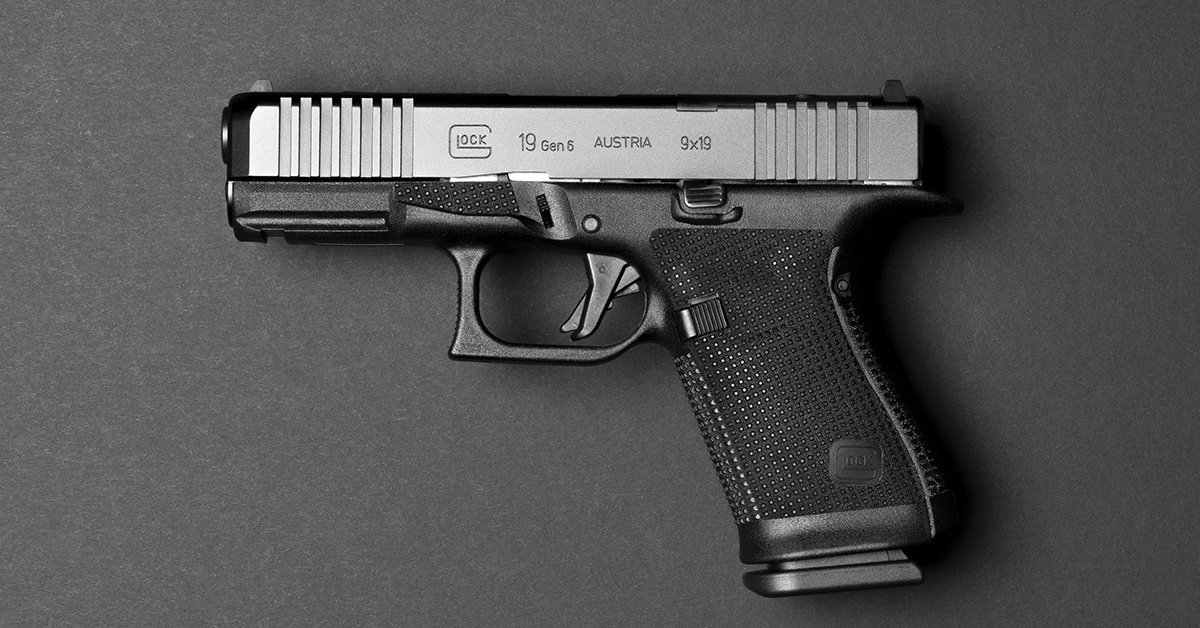
Glock Gen 6: The Most Significant Upgrade in Glock History
In December 2025, Glock officially unveiled the highly anticipated sixth-generation pistol — Glock Gen 6 — with retail availability starting January 20, 2026. This represents the most significant update since the Gen 5 launch in 2017, and many consider it the most substantial generational improvement Glock has ever made.
Posts
read more
Complete Guide to Handgun Ammunition & Caliber Selection: From Basics to Competition Shooting
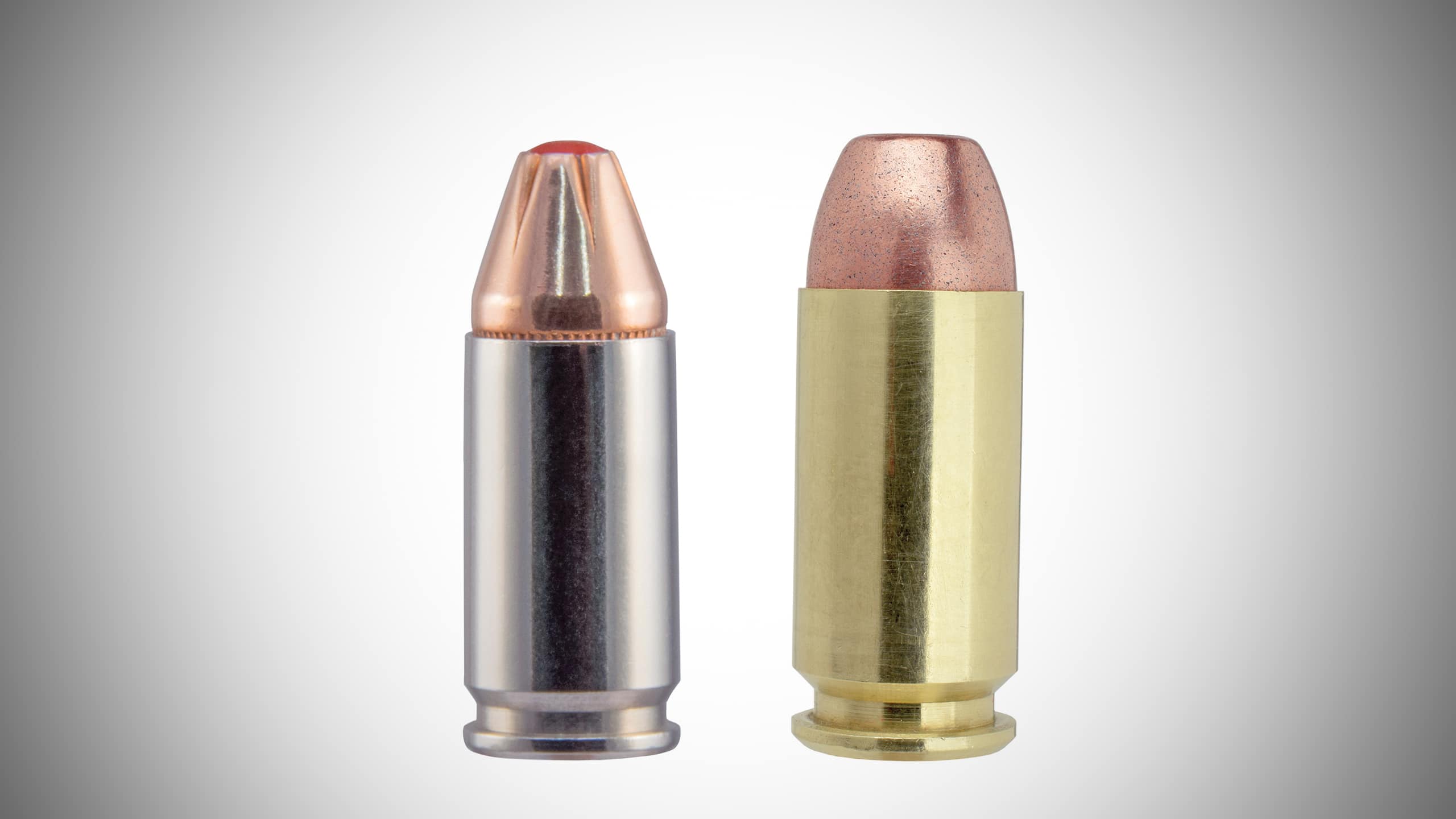
Why Does Ammunition Selection Matter So Much?
In the shooting sports world, most people focus on the firearm itself — the brand, model, and how it feels in hand — while often overlooking an equally important factor: ammunition. In reality, your ammunition choice directly affects shooting accuracy, felt recoil, training costs, and even determines whether you can legally compete in a match.
Posts
read more
Best Competition Mag Pouches 2026: IDPA & USPSA Rules + Capacity Limits (DAA, Ghost, CR Speed)
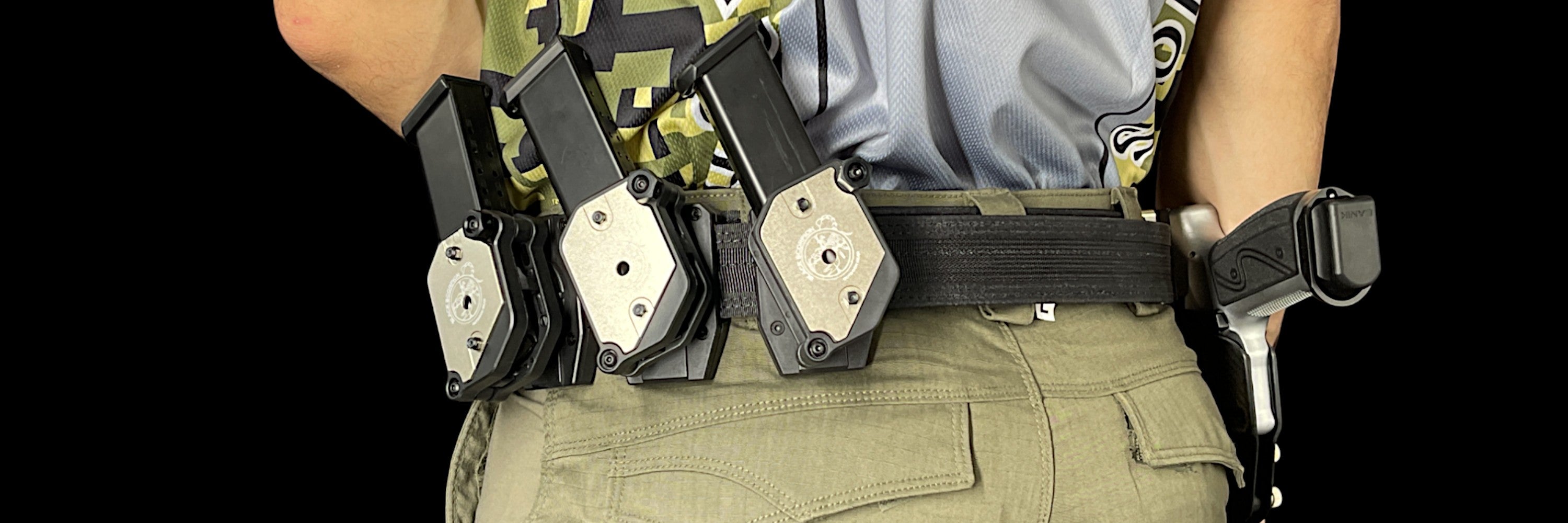
🎯 The 60-Second Answer (Rules, Capacity & What to Buy)
Most people land here asking one of three things, so here are the short answers before the deep dive.
Posts
read more
Best Pistol Red Dot Sights 2026: Holosun vs Trijicon + How to Find the Dot Fast
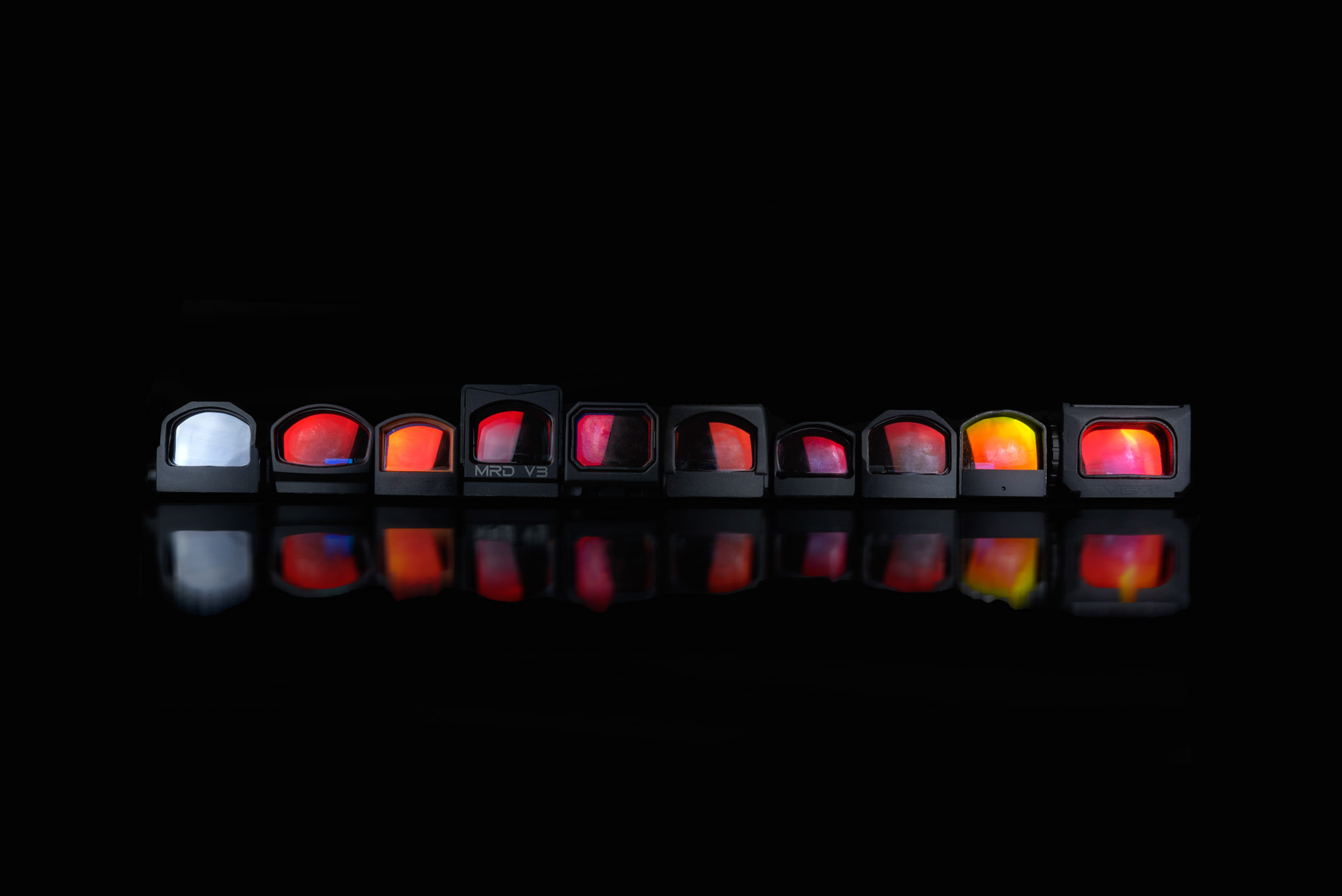
Why Red Dot Sights Are Changing Pistol Shooting
Over the past decade, pistol red dot sights (RDS) have evolved from exclusive competition gear to standard equipment for mainstream shooters. Whether for IPSC/IDPA competition, self-defense, or everyday practice, more shooters are choosing to mount red dots on their handguns.
Posts
read more
Average Pistol Draw Time 2026: What's Normal, What's Good, and How to Get Faster
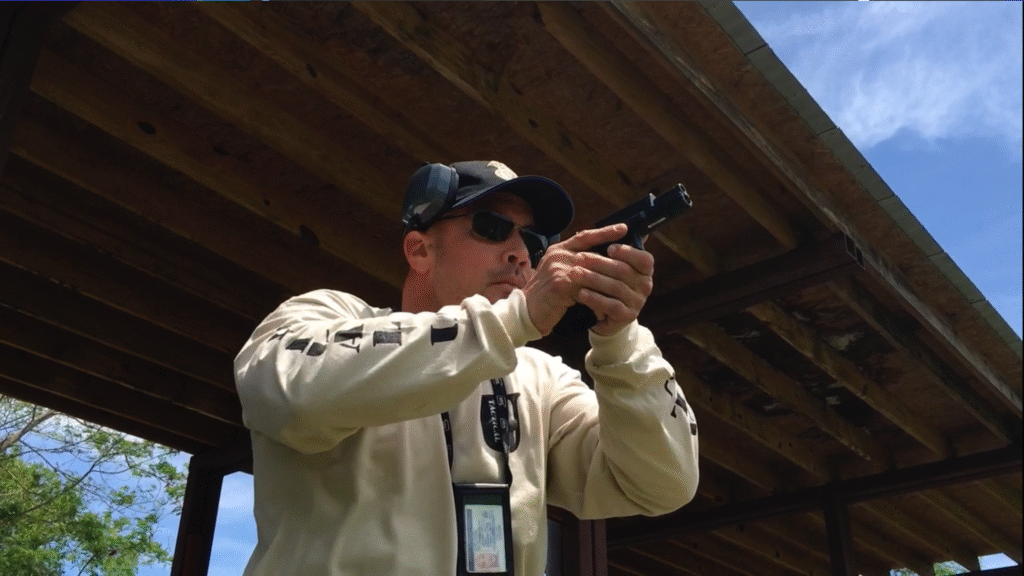
Why Is Draw Technique So Important?
In competitive shooting and defensive situations, the draw stroke is where everything begins. Whether you’re competing for first-shot advantage in IPSC or simulating defensive scenarios in IDPA, a smooth and fast draw is a fundamental skill every shooter must master.
Posts
read more
Complete Guide to Shooting on the Move: Dynamic Pistol Techniques
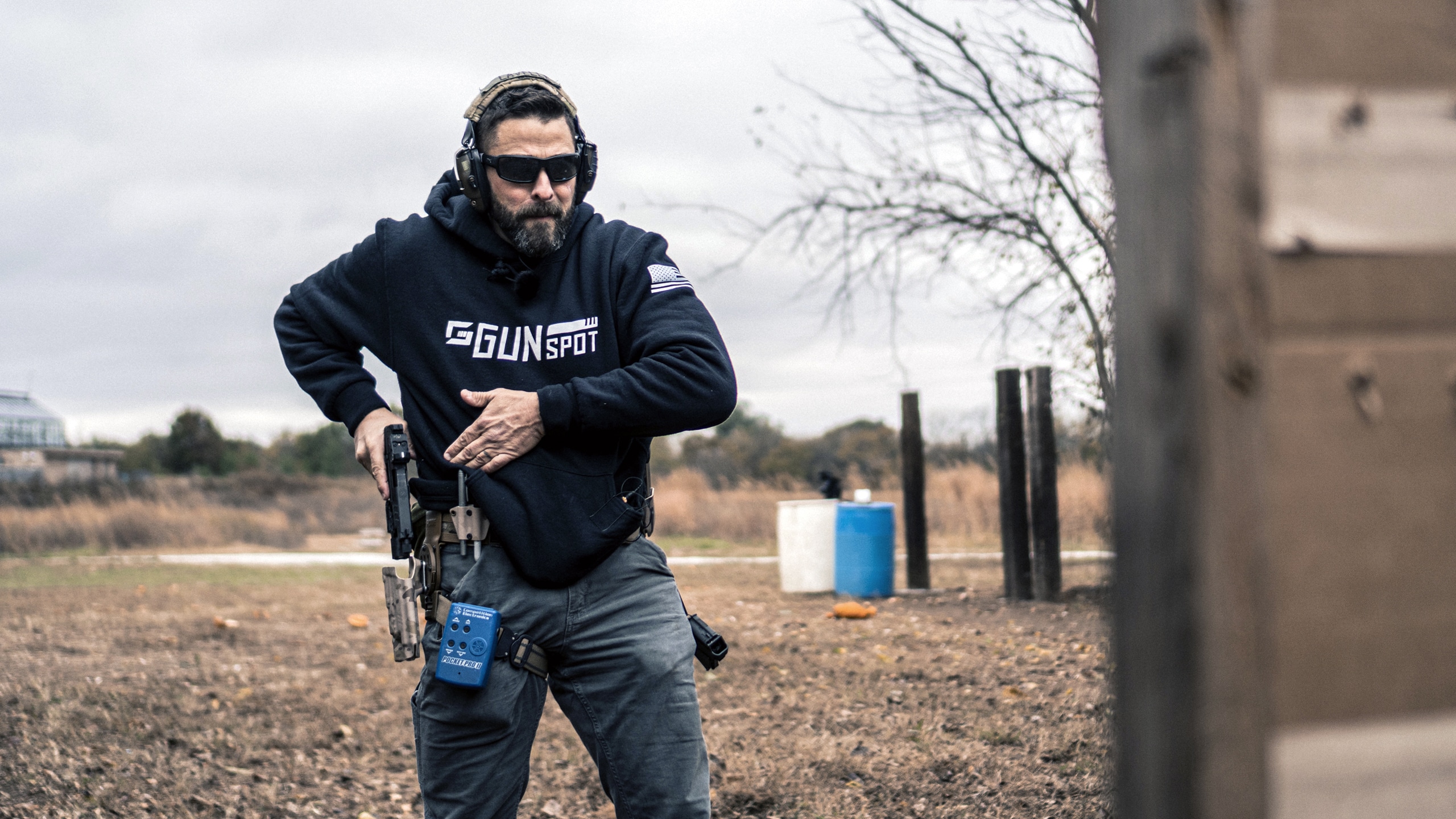
Why is Shooting on the Move an Essential Skill for Advanced Shooters?
Shooting on the move is the key ability that elevates your shooting skills from static to dynamic. In IPSC competitions, shooters who can engage targets while moving often save precious seconds; in tactical situations, a stationary shooter is the easiest target to hit.
Posts
read more
IPSC Production Optics Guide: Complete Red Dot Competition Shooting Tutorial
What is IPSC Production Optics?
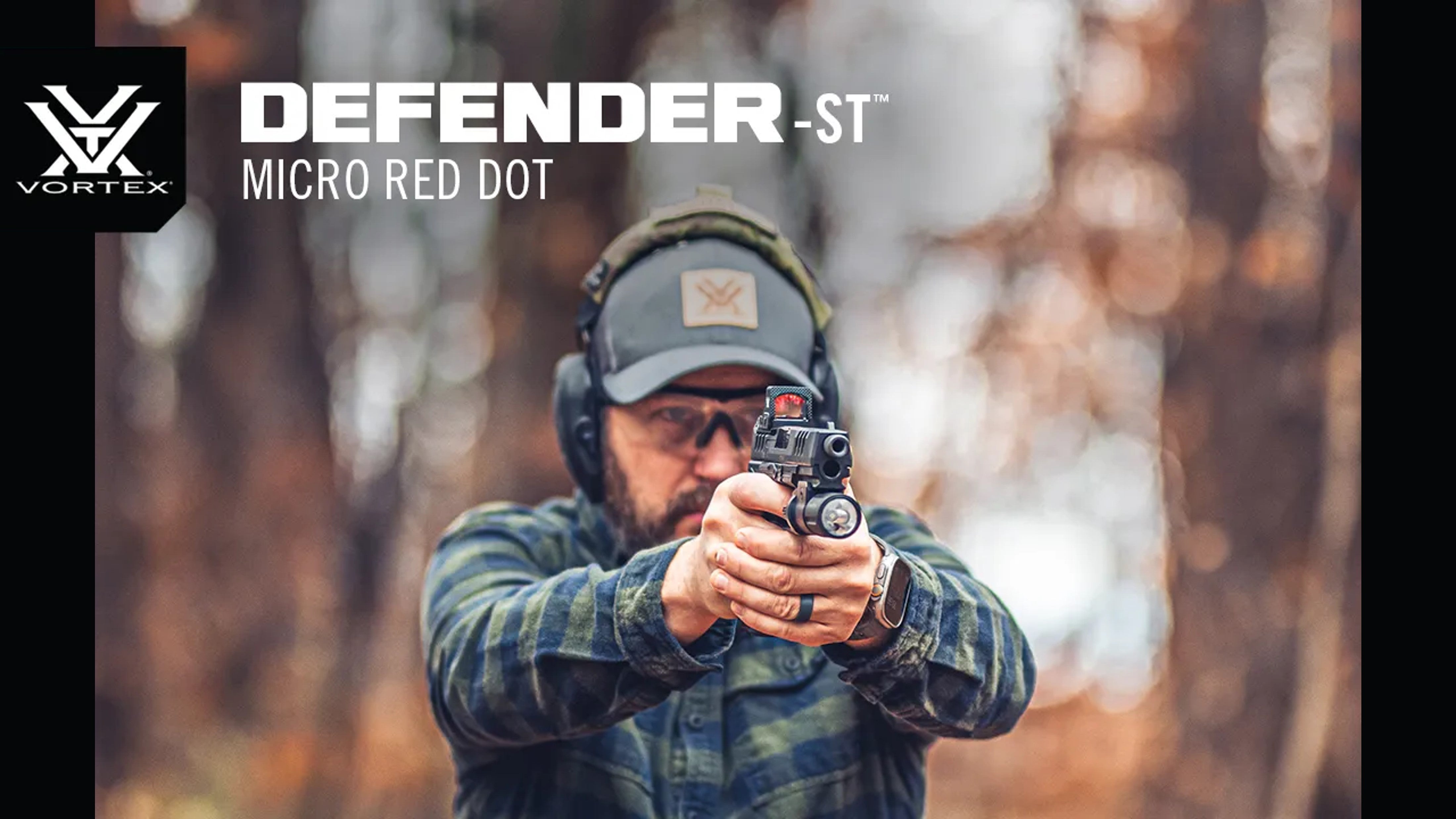
IPSC Production Optics (PO) is one of the most popular divisions in IPSC practical shooting. This division combines the handgun specifications of the Production division with the mandatory use of red dot sights, allowing shooters to enjoy the fast aiming advantages of modern optical sights while maintaining the reliability of factory pistols.
Posts
read more
SIG P320 Review 2026: 7 Models + M17 vs M18 & Recall Update
SIG P320 Complete Guide 2026: All 7 Models, M17 vs M18 & Safety Update
The SIG Sauer P320 in 2026 is two stories in one — a genuinely brilliant modular pistol that still serves the U.S. Army, and the subject of over 100 active lawsuits alleging it can fire without anyone touching the trigger. This guide covers the entire P320 family (Full Size, Compact, Carry, X-Five Legion, M17, M18, AXG, XTEN), the head-to-head M17 vs M18 differences that confuse most first-time buyers, the 2025–2026 recall/lawsuit landscape including the IDPA ban and ICE departure, and finally — for shooters who want to train without burning live ammo — the SIG-licensed VFC ProForce M17/M18 airsoft replicas and how to use them for draw, reload, and Bill Drill practice with the AirsoftShotTimer app.