Below you will find pages that utilize the taxonomy term “Competitive Shooting”
Posts
read more
USPSA Divisions Explained 2026: All 8 Divisions, Capacity Rules & Which One Your Gun Already Fits
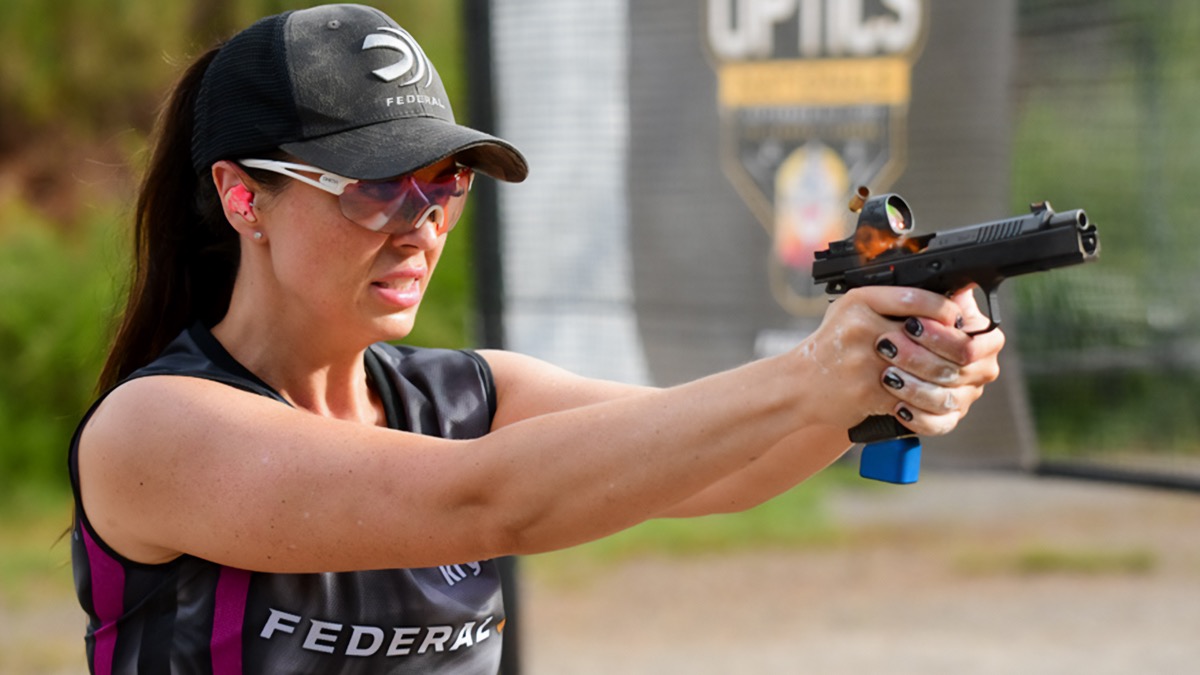
USPSA Divisions in 60 Seconds (BLUF)
Short answer: USPSA runs eight divisions — Carry Optics, Limited Optics, Open, Limited, Production, Single Stack, Revolver and PCC — and the gun already in your safe decides most of it for you. Stock striker-fired 9mm with a slide-mounted red dot → Carry Optics. A 2011, or any pistol wearing a flared magwell, with a red dot → Limited Optics. Anything with a compensator or a frame-mounted optic → Open, whether you wanted that or not. Iron sights on a duty pistol → Production (15 rounds loaded) or Limited. A .45 1911 → Single Stack. A wheelgun → Revolver. A 9mm carbine → PCC.
Posts
read more
IDPA Divisions Explained 2026: All 8 Rules, Quick Picker
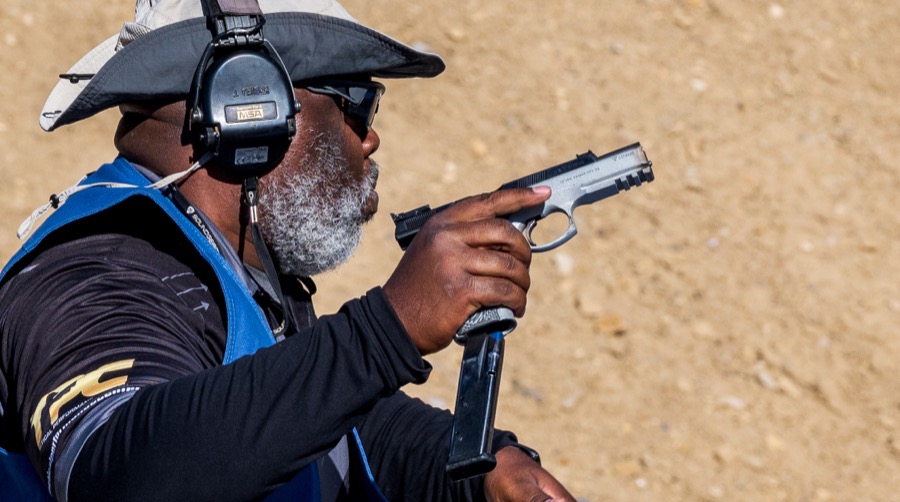
IDPA Divisions Explained in 60 Seconds (BLUF)
Short answer: IDPA has 8 divisions, and the right one depends on the gun already in your safe. Full-size 9mm like a Glock 17 or M&P 2.0 → SSP. Same gun with a red dot → CO. Compact carry like a Glock 19 or P365XL → CCP. CZ Shadow 2, 1911 in 9mm, or heavily modified Glock → ESP. 1911 in .45 → CDP. Revolver → REV. Pocket 9mm like a SIG P365 → BUG (now 8+1, .380 is out as of 2026). 9mm carbine with a 10"+ barrel → PCC. If you’re new and own one 9mm pistol, default to SSP, CO, or CCP — lowest cost, biggest beginner pool, easiest to learn in.
Posts
read more
IDPA Rules 2026: Scoring, Penalty Seconds & Power Factor by Division
IDPA Rules 2026 in 60 Seconds (BLUF)
Short answer: IDPA scores you on raw time plus penalty seconds — lowest total wins. Hits in the centre -0 zone add nothing, -1 adds one second each, -3 adds three, and a miss is five. The 2026 rulebook calls the two scoring methods Unlimited Scoring (best hits count, extra shots allowed) and Limited Scoring (extra shots get punished) — the old “Vickers Count” and “Limited Vickers” names are gone from the book, though everyone at the range still says them. You must use cover when offered, engage near-to-far (Tactical Priority), reload behind cover, and wear a concealment garment that hides your entire rig with arms outstretched. Procedural errors are 3 seconds, Flagrant Penalties 10 seconds, FTDR 20 seconds, hits on a non-threat 5 seconds, and safety violations (sweeping a muzzle, dropping a loaded gun, AD) are an immediate DQ.
Posts
read more
Practical Shooting Complete Beginner Guide: IPSC, USPSA, IDPA, Steel Challenge & 3-Gun Explained
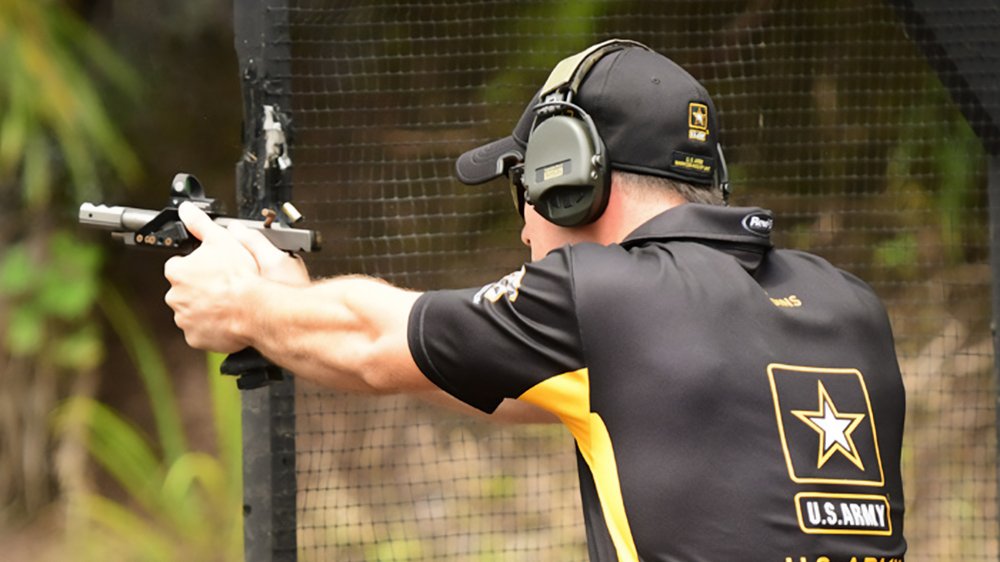
What Is Practical Shooting?
Have you ever felt that standing at a fixed position putting holes in paper targets doesn’t quite capture the full potential of shooting? Practical shooting is the concept that transforms shooting from a static skill exercise into a dynamic, fast-paced sport. In the world of practical shooting, you’re running, turning, crouching, leaning out from behind barriers, and reloading under time pressure — every second testing your speed, accuracy, and decision-making.
Posts
read more
IPSC Action Air Guide 2026: World-Class Practical Shooting with Airsoft
🎯 60-Second Action Air Primer
- What it is: IPSC’s official airsoft division — the same practical-shooting sport with the same Hit Factor scoring, played with GBB pistols. It has its own World Shoot, and Asia is the home field.
- Your score is half time: Hit Factor = points ÷ time. The clock literally decides half your result, which is why serious competitors train with a shot timer from day one.
- The timer is free: You don’t need a US$130–$300 hardware timer to start. The free Airsoft Shot Timer app is tuned to detect the quiet report of GBB and AEG guns and records your draw, splits, and reloads — the exact numbers that move your Hit Factor.
- Start where you are: If you already play airsoft and own a GBB handgun, you can begin training tonight at home and shoot your first match with the gear you already have.
World-Class Competition Without Real Firearms
You’ve probably heard of IPSC—the International Practical Shooting Confederation. What you might not know is that IPSC has an airsoft division called IPSC Action Air, complete with its own World Championship.
Posts
read more
IDPA vs USPSA 2026: Scoring, Reloads & Stage Design - Which One Should You Shoot First?
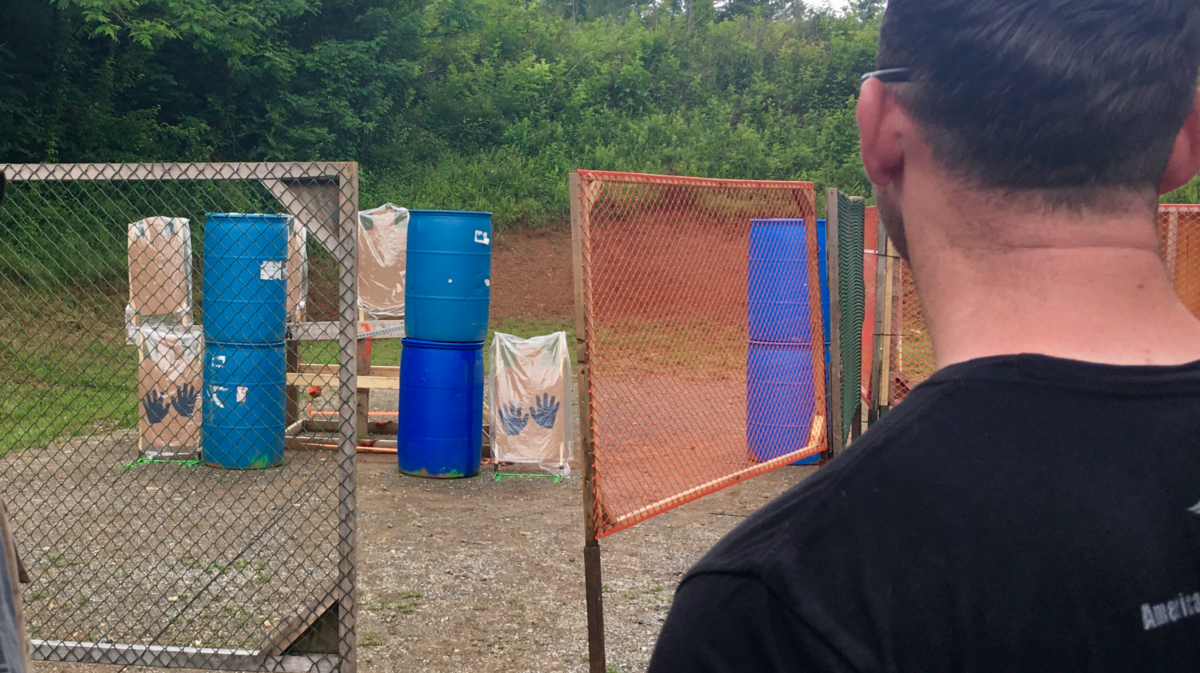
🎯 IDPA vs USPSA in 60 seconds: They differ on four things that actually matter. Scoring — IDPA adds penalty seconds to your raw time, so a hit outside the down-zero zone costs a full second; USPSA divides points by time (hit factor), so a slightly worse hit can still be the right trade. Stage freedom — IDPA tells you the engagement order (tactical priority, cover, fault lines); USPSA lets you plan the stage yourself. Reloads — IDPA won’t let you drop a magazine with rounds still in it, USPSA will, and that one rule makes them different skills. Cost — IDPA caps every string at 18 rounds and keeps 75% of a match’s shots inside 15 yards, so a local match runs lighter on ammunition (roughly $10-20 less), while the annual memberships are almost the same price: $60 for IDPA, $65 for USPSA. Which first? If you carry daily and want the concealment draw, start with IDPA. If you want raw speed and problem-solving, start with USPSA. Either way, the thing that improves fastest between matches is measured draw and reload time — a free shot timer app turns “I felt fast” into a number you can beat. Full breakdown below.
Posts
read more
Complete Beginner Guide to 3-Gun Competition: Equipment, Divisions, Stage Design & New Shooter Preparation
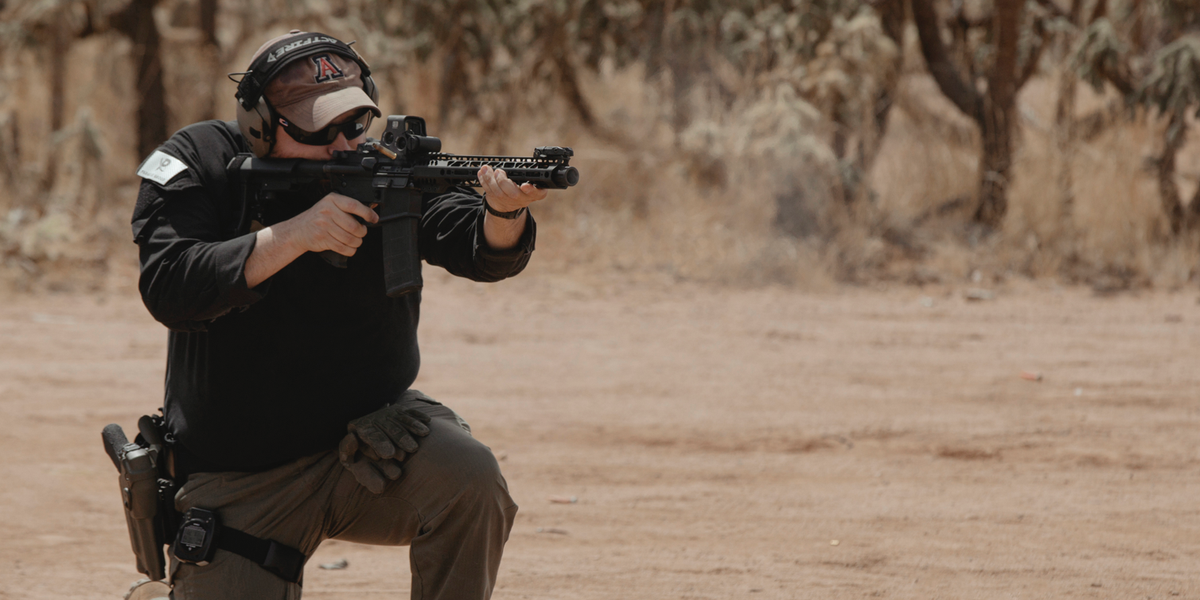
What is 3-Gun Competition?
If USPSA and IPSC are the premier arenas for handgun competition, then 3-Gun is the ultimate test in the shooting sports world. As the name suggests, 3-Gun requires competitors to use three different firearms — a pistol, a rifle, and a shotgun — to engage various targets across complex, dynamic courses of fire.
Posts
read more
Mental Training for Shooting: 5 Techniques to Beat Match Pressure
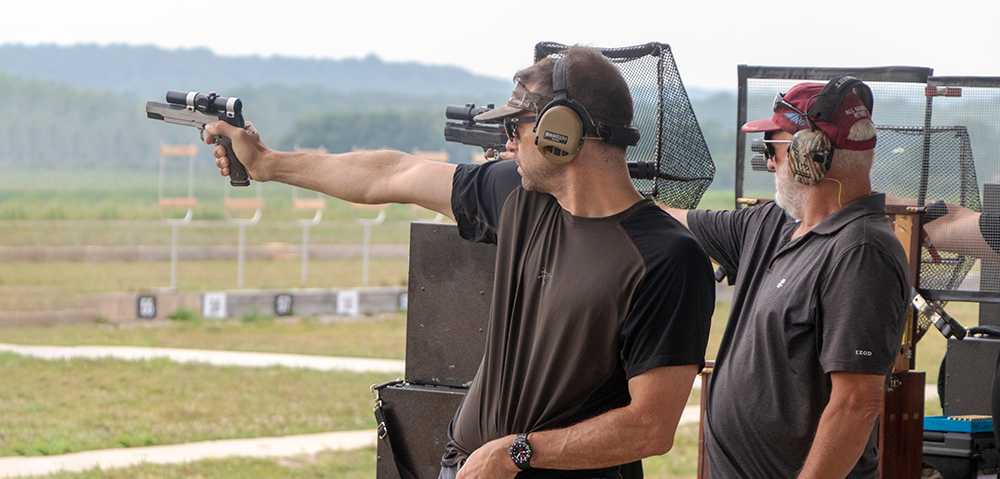
60-Second Answer: 5 Mental Techniques That Beat Match Pressure
Short answer: Mental training for shooting comes down to five core techniques — Visualization (mentally rehearse every stage), Breathing Control (use box breathing or 4-7-8 to drop your heart rate), Positive Self-Talk (cut the negative inner monologue with one trigger phrase), Focus Management (learn to pull attention back to the present), and Pre-Match Routine — the bridge that carries practice-range performance into the match.
Posts
read more
IPSC Range Commands 2026: All 8 Official Commands, the 1-4 Second Standby Rule & Your First Match
🎯 The 60-Second Answer
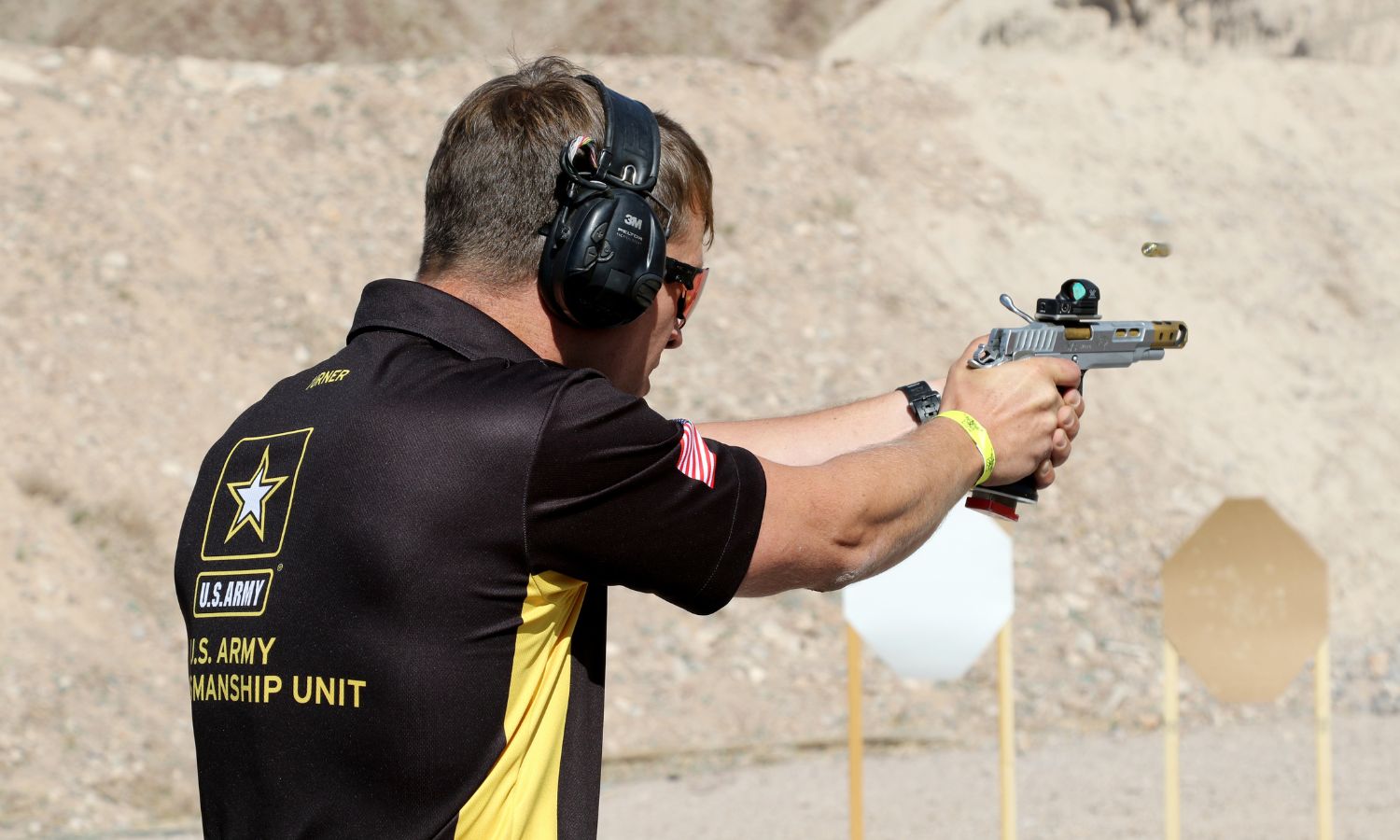
The eight official IPSC range commands, in order (Section 8.3, IPSC Handgun Competition Rules, January 2026 Edition):
- “Load And Make Ready” — or just “Make Ready” if the stage starts unloaded (8.3.1)
- “Are You Ready?” — silence means yes; say “Not Ready” if it is not (8.3.2)
- “Standby” — one word, and the beep follows within 1 to 4 seconds (8.3.3)
- “Start Signal” — the beep itself is an official command (8.3.4)
- “Stop” — any RO on the stage, at any time (8.3.5)
- “If You Are Finished, Unload And Show Clear” (8.3.6)
- “If Clear, Hammer Down, Holster” (8.3.7)
- “Range Is Clear” — nobody moves downrange before this (8.3.8)
Three things that will cost you: creeping after “Standby” is 1 procedural penalty under Rule 10.2.6. Reacting to the beep and then stopping without an official time recorded gives you zero time and zero score for the stage (8.3.4.2). And only the RO’s timing device counts as your official time (9.10.1) — your own timer never does.