Tokyo Marui SCAR Review 2026: SCAR-L vs SCAR-H Next Gen
Contents
Even in 2026, the Tokyo Marui SCAR is still one of the best SCAR airsoft rifles you can buy—as long as you know what you’re getting into. It’s a Next Generation Recoil Shock AEG, so the bolt cycles on every shot, it locks back on an empty mag, and out of the box it groups tighter than almost any clone. The trade-offs? It shoots at Japan’s power level (about 92 m/s, or 0.84 J on 0.20 g BBs), fits only a small battery in the stock, and won’t take standard AEG M4 magazines. Go with the SCAR-L or SCAR-L CQC for a lighter rifle that shares mags with Marui’s Next Gen M4s, or pick the SCAR-H if you want that big .308 look and don’t mind 3.6 kg and dedicated 90-round mags. Expect roughly $420-$730 in the US depending on the shop, or about NT$16,000-17,000 in Taiwan.
The SCAR sits in a funny spot in airsoft. Everyone recognizes it, yet fields are full of SCARs people regret buying—mostly budget AEG clones with quirky internals or gas rifles that hate the cold. Search “Tokyo Marui SCAR” and you mostly hit store listings, one Reddit thread from a new player asking if it’s worth it, and reviews from 2014. So we pulled together Marui’s product pages and release lists, a Japanese magazine’s chronograph test, UK and US owner reviews, a 2026 Japanese tech shop repair log, and current US and Taiwan prices in one place.
The 30-second version
- SCAR-L (Mk16): 3.3 kg, 300 mm inner barrel, 82-round mags shared with Marui Next Gen M4s. The all-rounder.
- SCAR-L CQC: 10-inch front end, 260 mm inner barrel, 3.25 kg. Same mags. The indoor pick.
- SCAR-H (Mk17): 3.63 kg, swaps between 16-inch and 13-inch outer barrels without tearing the gun down, dedicated 90-round mags. The looker.
- Want gas instead? Tokyo Marui doesn’t make a SCAR GBB. Look at VFC, WE, or the Guns Modify MWS-style rifle.
The Tokyo Marui SCAR Lineup in 2026
Marui still lists six Next Gen SCARs as on sale on its Japanese site: the SCAR-L, SCAR-L CQC, and SCAR-H, each in black or flat dark earth. None are discontinued, which is good to know since US inventory is patchy. When a US shop shows “out of stock,” it usually just means they’re waiting on the next shipment from Japan.
The FDE SCAR-L launched first in December 2010, with the black SCAR-L following in March 2011. The SCAR-H dropped in black in December 2011 and FDE in January 2012. Marui’s own release lists don’t agree on the CQC (one says October 2011, another says August 2012), so “2011-2012” is the safest call. Yes, it’s a 15-year-old design—not a knock, since Marui rarely changes a Next Gen once it works, and you get a long track record to learn from before spending your money.
All three share the same core: Marui’s Shoot & Recoil Engine that kicks the bolt back on every shot, and an empty-mag cut-off (Redwolf calls it the bolt locking to the rear). You also get an adjustable hop-up, a side-folding telescoping stock with an adjustable cheek riser, windage- and elevation-adjustable iron sights, a 14 mm counter-clockwise muzzle thread, an aluminum upper receiver, and semi/full auto. Marui recommends 0.20-0.28 g BBs.
| Spec (Tokyo Marui official) | SCAR-L | SCAR-L CQC | SCAR-H |
|---|---|---|---|
| Length (folded / extended) | 635 mm / 826-899 mm | 541 mm / 732-795 mm | 711 mm / 902-965 mm (16") or 635 mm / 826-889 mm (13") |
| Inner barrel | 300 mm | 260 mm | 300 mm |
| Weight (with empty mag) | 3,300 g | 3,250 g | 3,630 g |
| Magazine | 82 rounds | 82 rounds | 90 rounds |
| Japan MSRP (before tax) | ¥69,800 | ¥69,800 | ¥72,800 |
SCAR-L vs SCAR-L CQC vs SCAR-H: Which to Buy
For most players, the SCAR-L is the sweet spot: lighter than the H, compatible with Next Gen M4 mags, and packing a 300 mm barrel for full Marui range. The CQC gives up 40 mm of inner barrel for easier doorway clearance at nearly the same weight. The SCAR-H? You buy that one simply because you want a SCAR-H.
The weights look close on paper, but you feel them in your arms. At 3.3 kg, the SCAR-L handles like a hefty M4—front-heavy on a long hold, but manageable. The SCAR-H’s extra 330 g sits mostly up front, so after a few hours in the woods you’ll be resting it on cover more often. Owners still adore it. That chunky Mk17 receiver and long 20-round-style mag just look right in a way clones never quite nail.
The SCAR-H does have a cool party trick: Marui includes interchangeable 16-inch (standard) and 13-inch (CQC) outer barrels, letting you swap between woodland and CQB setups. Because the inner barrel stays 300 mm, it changes the look and balance rather than range. Still, if you mostly play indoors, the SCAR-L CQC makes more sense—it’s shorter, lighter, and skips the dedicated magazines.
How It Shoots: Velocity, Joules and Range
Stock, a Tokyo Marui SCAR chronos around 91-92 m/s on 0.20 g BBs, or roughly 0.84 J. In 2019, Japan’s Arms Magazine clocked 91.7 m/s on a SCAR-L and 91.2 m/s on a SCAR-L CQC, shooting 90 mm and 92 mm groups at 20 m. Do the math: ½ × 0.0002 kg × 91.7² ≈ 0.84 J.
US store listings often claim more. Marui’s US site says “approximately 300-330 FPS”—330 FPS on 0.20 g would be 100.6 m/s (1.01 J), above the 0.98 J cap Japanese Marui rifles are built to, so take it as a rounded ceiling rather than a real chrono reading. Airsoftstation lists 280 FPS (85.3 m/s, 0.73 J). Plan on 0.84 J as the realistic figure. Since many US outdoor fields allow 350-400 FPS for rifles, a stock Marui sits on the low end—great indoors, but a handicap in long woodland firefights.
Even so, owners say it hits way above its chrono numbers. A UK reviewer ran a SCAR-L CQC with a red dot all season and “never once felt outgunned,” tagging players past 50 m. A 2014 SCAR-H review called 150-foot shots (about 46 m) easy, with 150-170 feet of effective range. That’s the Marui hop-up magic—and why players pay extra instead of buying a hotter clone. A 2021 owner also clocked his SCAR-H at 250 FPS on 0.25 g (76.2 m/s, 0.73 J), with different BBs and chronographs explaining the spread.
Pull the charging handle back to reach the rotary hop-up. It’s easy to dial in, and that 2014 reviewer noted a rock-solid hop arm with “zero wobble.” Swapping the inner barrel is much more of a chore—eleven screws on the SCAR-H upper by one count—so most people leave it stock.
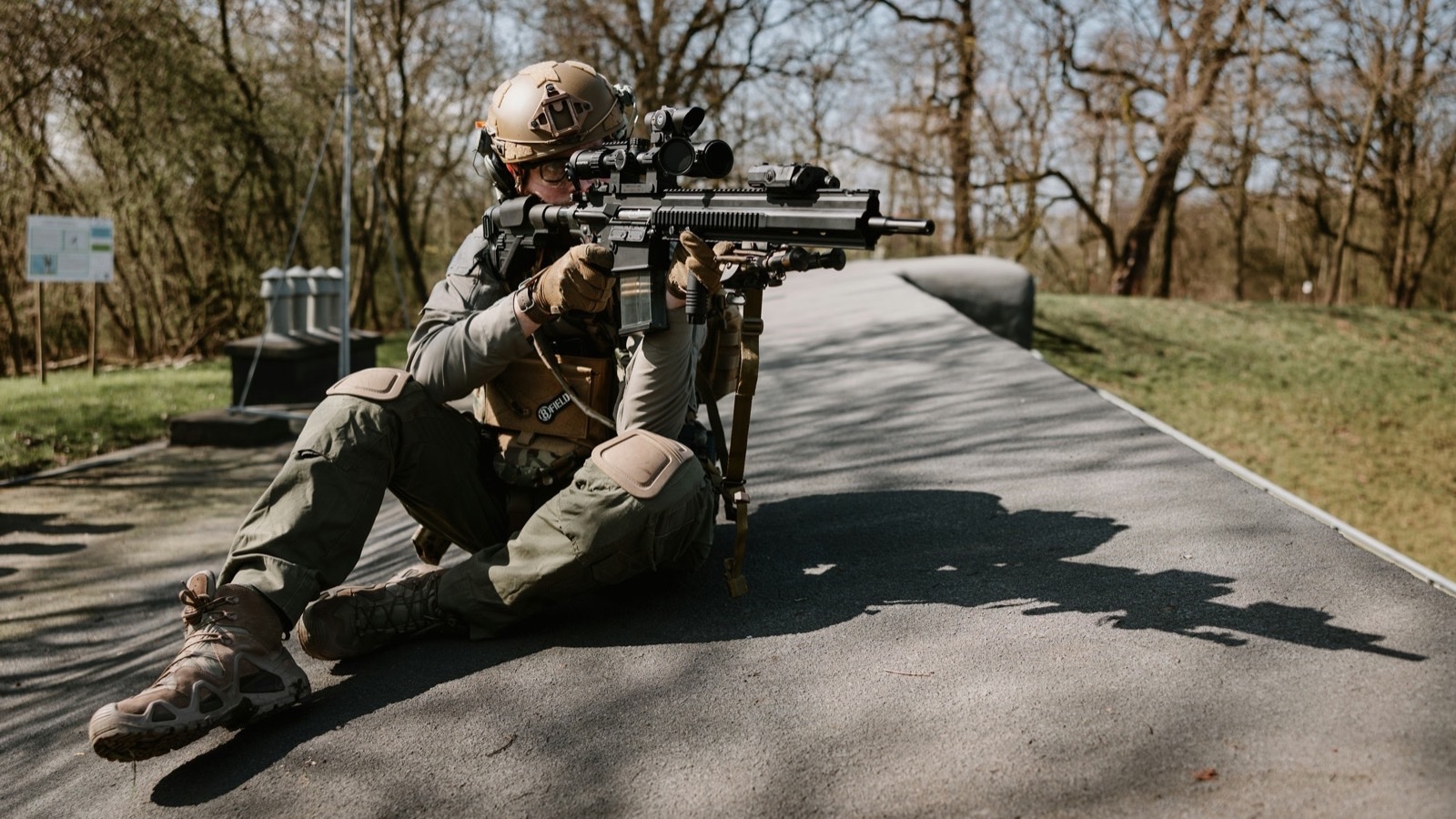
The Recoil and Feel in a Game
The recoil is light but unmistakable—more of a crisp tap than real kick—and its real value is feedback, not realism. Feeling each shot helps you count rounds on semi and catch yourself slapping the trigger. The 2014 SCAR-H reviewer called it softer than a KWA ERG, which matches what most owners say.
Honestly, the empty-mag stop changes your gameplay more than the recoil does. When the rifle goes silent, you instantly know you’re dry—not jammed—so you reload instead of dry-firing in the open. Pair that with low-cap mags and you build the same habits as a gas rifle, minus the cold-weather drama.
Ergonomics are the main gripe. The UK reviewer found the stock clunky enough to swap it for a Laylax M4 stock. The forward-left charging handle can also catch your support hand or sling on quick transitions. And one 2021 owner noted that half-pulling the trigger on semi can stall the cycle—as much habit as hardware, but worth knowing before game day.
Battery: What Fits in the Stock
Pull the stock pin and pop off the buttplate, and you’ll find a small Tamiya-plug bay sized for Marui’s 8.4V 1300 mAh NiMH “Mini S” or a 7.4V 1100 mAh LiPo. No special SOPMOD battery needed—that’s why Redwolf says it “runs on a normal small battery.” Space is tight, though, and a 2025 owner video warns against 11.1V.
Shop listings are all over the place: one says “9.6V small-type, not LiPo-ready,” another says 7.4V, another says 7.4V lithium. Marui only lists the 8.4V Mini S. If you go LiPo, stick to 7.4V. Stock Next Gens have no electronic trigger, so the contacts take full current—and a Japanese tech shop notes that front-to-rear stock wiring makes fitting a MOSFET trickier than on an M4. Check our airsoft battery guide for voltage and C-rating trade-offs.
Marui doesn’t list a rate of fire. The only numbers we found are from tuned builds: a Japanese tech shop got a rebuilt SCAR-H to 15.5 rounds per second, and another shop hit 21.3 rps on 7.4V using a brushless motor and MOSFET in a SCAR-L. Stock will be slower.
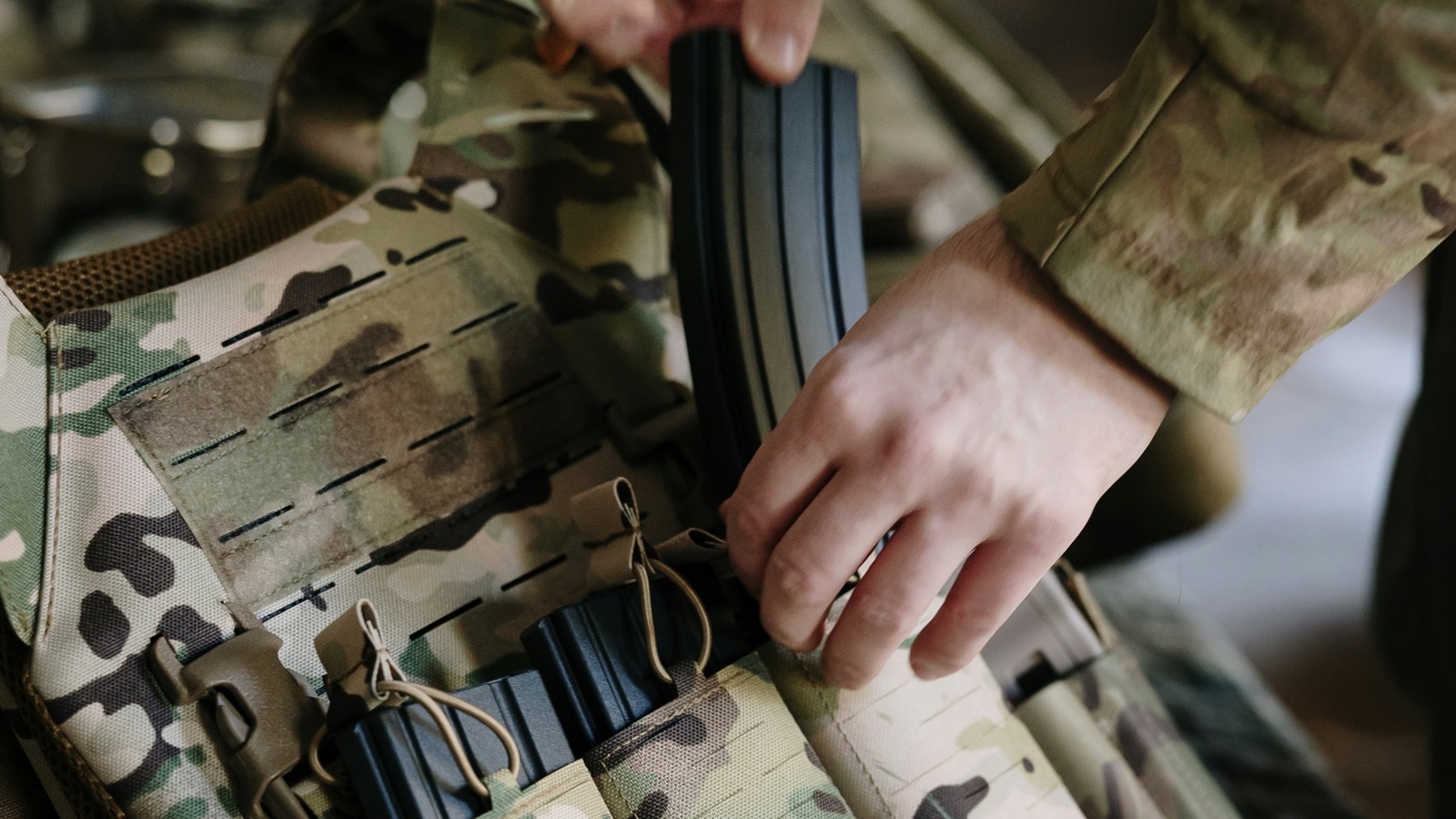
Magazines: Why Your M4 Mags Won’t Fit
The SCAR-L and SCAR-L CQC use Tokyo Marui Next Gen M4 mags (82 rounds), not standard AEG M4 mags; the SCAR-H uses its own mags and shares nothing with the L. Marui states this right on the product page, yet it’s still the most common mistake new buyers make.
Next Gen mags have a cut-out that trips the bolt stop, so regular AEG mags either won’t seat or won’t lock the rifle empty. Already own a Marui Next Gen M4? Your mags drop right in. Marui also offers a shared 430-round hi-cap for the Next Gen M4 and SCAR-L, and the UK reviewer reports PTS EPM 120-round mags work too. Plan on roughly ¥2,500 per Marui mag in Japan.
The SCAR-H runs a dedicated 90-round mid-cap (around NT$730 in Taiwan) and a 540-round hi-cap (about $40 at Evike). Budget for three or four mid-caps alongside the rifle—90 rounds disappears fast in a heavy firefight.
Known Weak Spots After 15 Years
For an AEG, the Marui SCAR is solid—but when something breaks, it’s usually a hard-to-source internal Next Gen part. A Japanese tech shop’s May 2026 SCAR-H repair log listed a snapped No. 2 cut-off lever (which also killed the empty-mag stop), burnt contacts, worn gears, and a cracked gearbox shell, with replacement parts stuck on long backorder.
That’s the real catch with an older Next Gen platform. Failures aren’t frequent, but you can’t just drop in generic V2 or V3 parts like on a standard AEG. Buy from a shop that services Marui, or be ready to wait on parts. Shopping used? Test that the bolt still locks back on an empty mag—if not, suspect the cut-off lever first. Used SCAR-H NGRS rifles with three mags have gone for around $450 on US marketplaces, close enough to new prices at cheaper shops that buying new usually wins.
Prices: US and Taiwan in November 2026
In November 2026, Tokyo Marui SCARs run roughly $420 to $730 in the US (with patchy stock) and NT$16,000-17,500 in Taiwan. Here’s what shops were listing:
Redwolf had the black SCAR-H at $416.69 (MAP $462.99, two left) and FDE around $418. Marui’s US store listed the SCAR-L at $515.50 (on sale for $449.50) and the SCAR-H at $545.50, though its own pages disagreed on the sale price. Evike listed the SCAR-L CQC FDE at $699 and black SCAR-H at $729, with the SCAR-L line out of stock. Airsoftstation listed the SCAR-L FDE at $650, also out of stock. In Taiwan, KIC had the SCAR-L at NT$16,150 and SCAR-H at NT$16,950, while Ruten sellers ran NT$16,950 to NT$17,500 new. Japan retail is ¥69,800 for the L.
With a gap that wide, always compare two or three shops. Saving $300 easily pays for a LiPo, spare mags, and a decent optic.
Tokyo Marui SCAR vs VFC, WE, CYMA and Double Bell
If the Marui isn’t your match, you’re basically choosing between gas (VFC or WE) or a cheaper, harder-hitting AEG (CYMA or Double Bell). First, let’s clear up a common myth: there is no Tokyo Marui SCAR GBB. Searches for “Tokyo Marui SCAR GBB” usually point to the Cybergun/Guns Modify FN SCAR-L “MWS style” GBBR (compatible with Marui’s MWS system, about $669, mostly out of stock), or a VFC or WE gas SCAR. Marui’s 2026 gas rifle release was the Type 20, not a SCAR.
VFC (Cybergun-licensed) offers both AEG and gas SCARs. The SCAR-L AEG is about $360 at Evike. The green-gas SCAR-H GBB weighs around 3.4 kg (7.5 lb) and runs roughly $305-$459 depending on shop and version—it’s the gas SCAR most players recommend for build quality and parts.
WE builds the most affordable gas SCARs (the SCAR-L CQC V3 goes for NT$6,500 at a Taiwan shop, rated 120 m/s on 0.20 g, or 1.44 J). Current models are open bolt. Owners flag screws backing out without thread locker, a soft zinc trigger group that wears down, proprietary hop and barrel parts, a finicky bolt catch, and classic cold-weather gas issues: sluggish cycling, leaks, and failures to cycle. Still, one forum owner called the recoil “mega”—great fun if you enjoy wrenching.
CYMA covers the budget AEG lane: the ABS CM067 SCAR-L is around $180 at Redwolf, and the CYMA Platinum SCAR-H with a Kestrel ETU is about $329 at Evike. Double Bell SCAR-Hs (around $227) chrono about 350 FPS on 0.20 g (106.7 m/s, 1.14 J) with 300-round hi-caps. Both are solid starter SCARs, just without Marui’s recoil, bolt stop, or out-of-box consistency.
ARES/Cybergun SCAR-L has a rough reputation on Reddit, with owners complaining about the electronic trigger, proprietary gearbox shell and ETU, out-of-box air seal, and weak motor. That’s owner feedback rather than lab testing, but it pops up enough that the new player in that Reddit thread had already been warned away.
How to Train With a SCAR and a Shot Timer
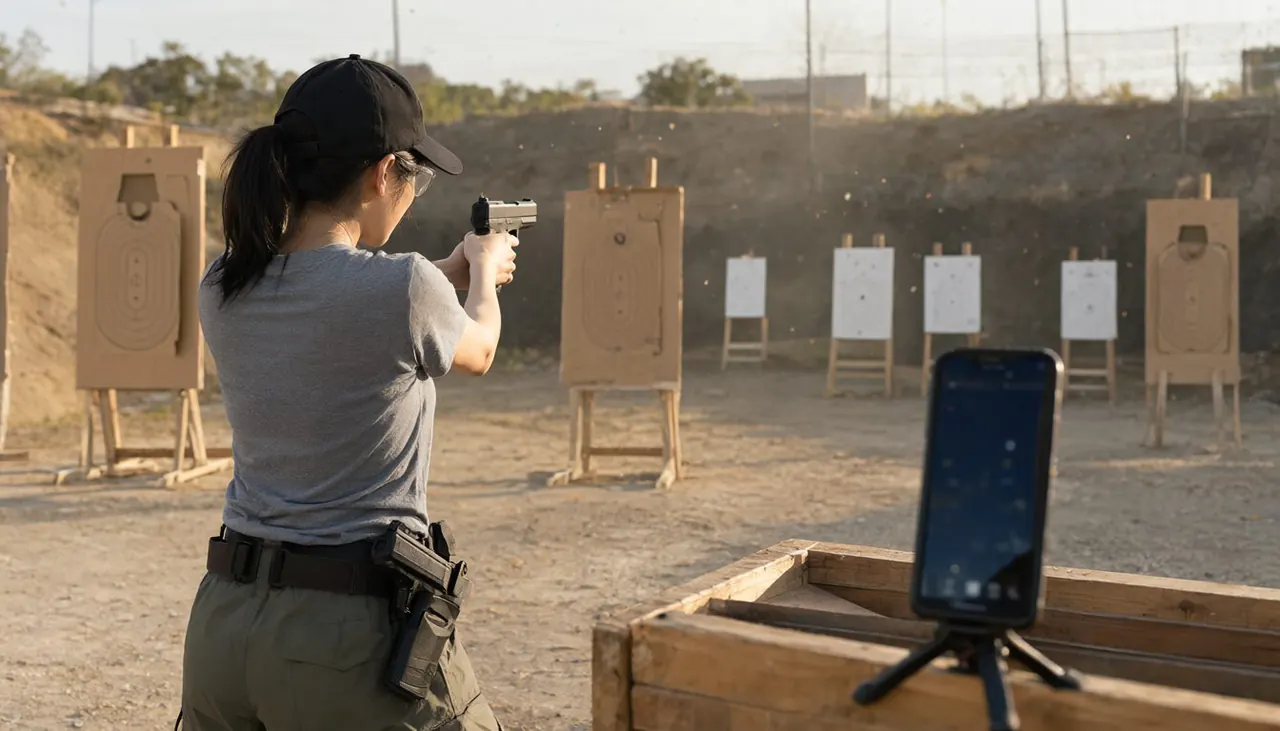
A shot timer puts real numbers on the SCAR’s two big questions: does the front-heavy balance slow your first shot, and how fast are your bolt-stop reloads? You don’t need dedicated hardware—a shot timer app on your phone picks up AEG shots in a quiet indoor space.
Try a ready-up drill first. Tape up an A4 sheet at 15-20 m, start at low ready, and fire two aimed semi-auto shots on the beep. Your first-shot time shows how fast you drive a 3.3-3.6 kg rifle onto target, while the split tells you whether you’re riding the recoil or waiting for the dot to settle. Run ten reps, average them, and turn on the random start delay (1 to 8 seconds) so you can’t guess the beep.
Next, work on empty reloads. Put just two BBs in your first mag and load the second normally. Fire until the rifle stops, swap mags, and fire two more. The gap between shots two and three is your true reload time—and because the Next Gen locks dry, it mirrors real games. Our magazine reload guide has benchmarks to chase.
One catch: the app ignores any sound within 0.1 seconds of the last detected shot, so it won’t track full-auto bursts round by round. Use it for semi-auto splits, ready-ups, and reloads, and save velocity checks for a chronograph.
Frequently Asked Questions
Is the Tokyo Marui SCAR worth it in 2026?
Yes, if accuracy, recoil feedback, and the empty-mag stop matter more to you than raw power. It shoots about 0.84 J stock—below many US field limits—and needs Next Gen mags plus a small battery. Want maximum range per dollar? A CYMA or Double Bell SCAR-H hits harder for less.
What’s the difference between the Tokyo Marui SCAR-L and SCAR-H?
The SCAR-L weighs 3.3 kg and shares 82-round mags with Marui’s Next Gen M4s. The SCAR-H weighs 3.63 kg, runs dedicated 90-round mags, and includes interchangeable 16-inch and 13-inch outer barrels. Both use a 300 mm inner barrel, so range is practically the same.
How many FPS does the Tokyo Marui SCAR shoot?
Measured, around 91-92 m/s (roughly 300 FPS) on 0.20 g BBs, or 0.84 J. Marui’s US store lists 300-330 FPS, but 330 FPS exceeds the 0.98 J cap these rifles are built to, so treat it as a rounded upper figure.
Does Tokyo Marui make a SCAR GBB?
No—every Marui SCAR is a Next Gen recoil AEG. For gas SCARs, look at VFC, WE, or the Cybergun/Guns Modify MWS-style SCAR-L.
What battery does the Tokyo Marui SCAR use?
Marui specifies an 8.4V 1300 mAh NiMH Mini S with a small Tamiya plug inside the stock under the buttplate. A 7.4V 1100 mAh LiPo fits too. Skip 11.1V.
Do standard M4 magazines fit the Tokyo Marui SCAR-L?
No. The SCAR-L and CQC take Marui Next Gen M4 mags (82 rounds), the shared 430-round Next Gen hi-cap, or PTS EPM mags—standard AEG M4 mags won’t work. The SCAR-H uses its own mags.
Is the Tokyo Marui SCAR discontinued?
No. As of November 2026, Marui’s Japanese site still lists all six models as on sale. US shops just show them out of stock between shipments.
The Bottom Line
The Tokyo Marui SCAR is a proven platform that still nails the basics better than its rivals: tight groups, lively recoil feedback, and an empty-mag stop that keeps you sharp. Its trade-offs are just as clear—Japanese power limits, a tight battery bay, Next Gen-only mags, and internal parts that can take time to source. Grab the SCAR-L as a do-it-all rifle, the CQC for mostly indoor play, or the SCAR-H if the look is half the fun. Want gas? Go with VFC, because Marui doesn’t make one.
Image Credits
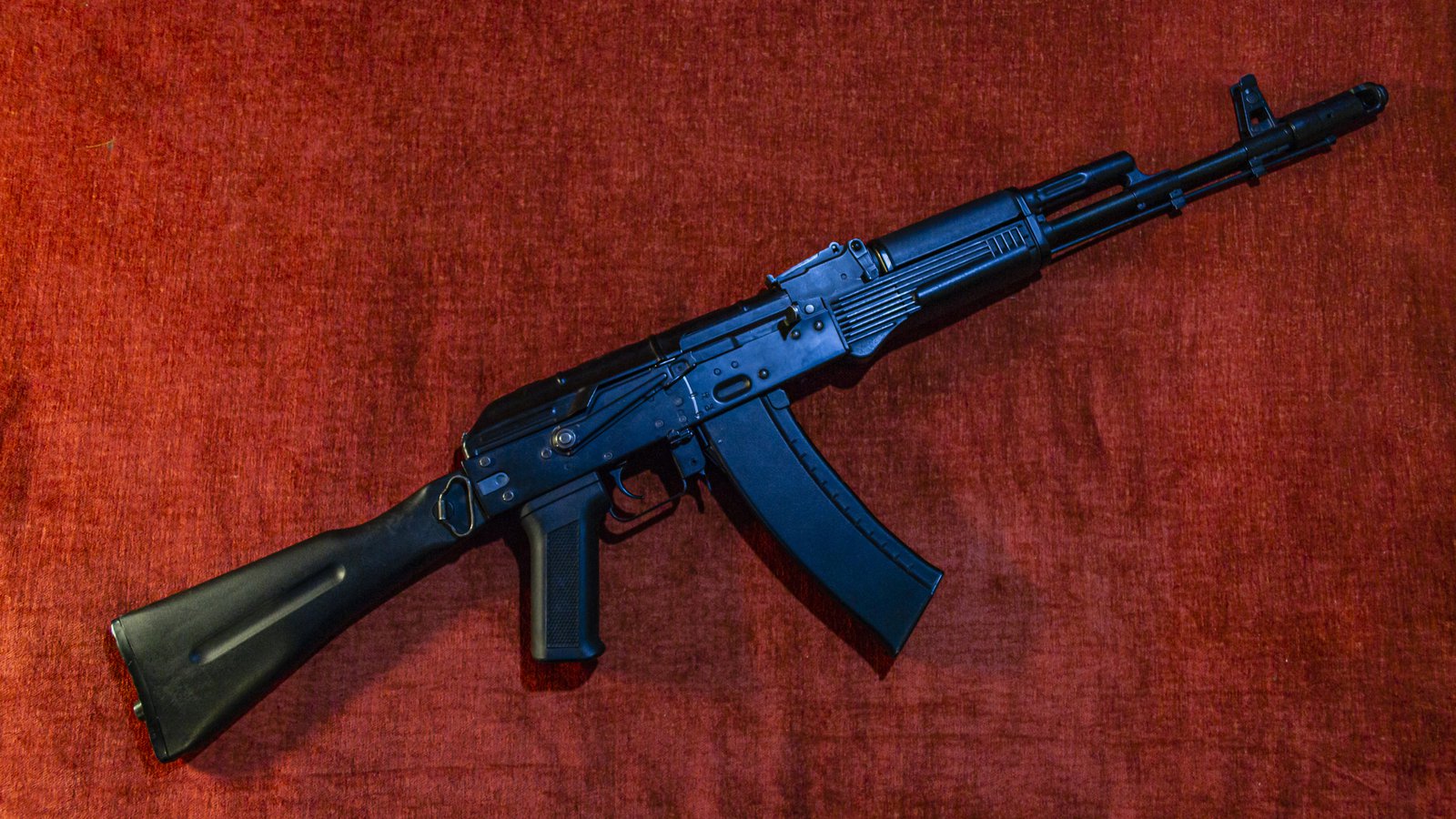
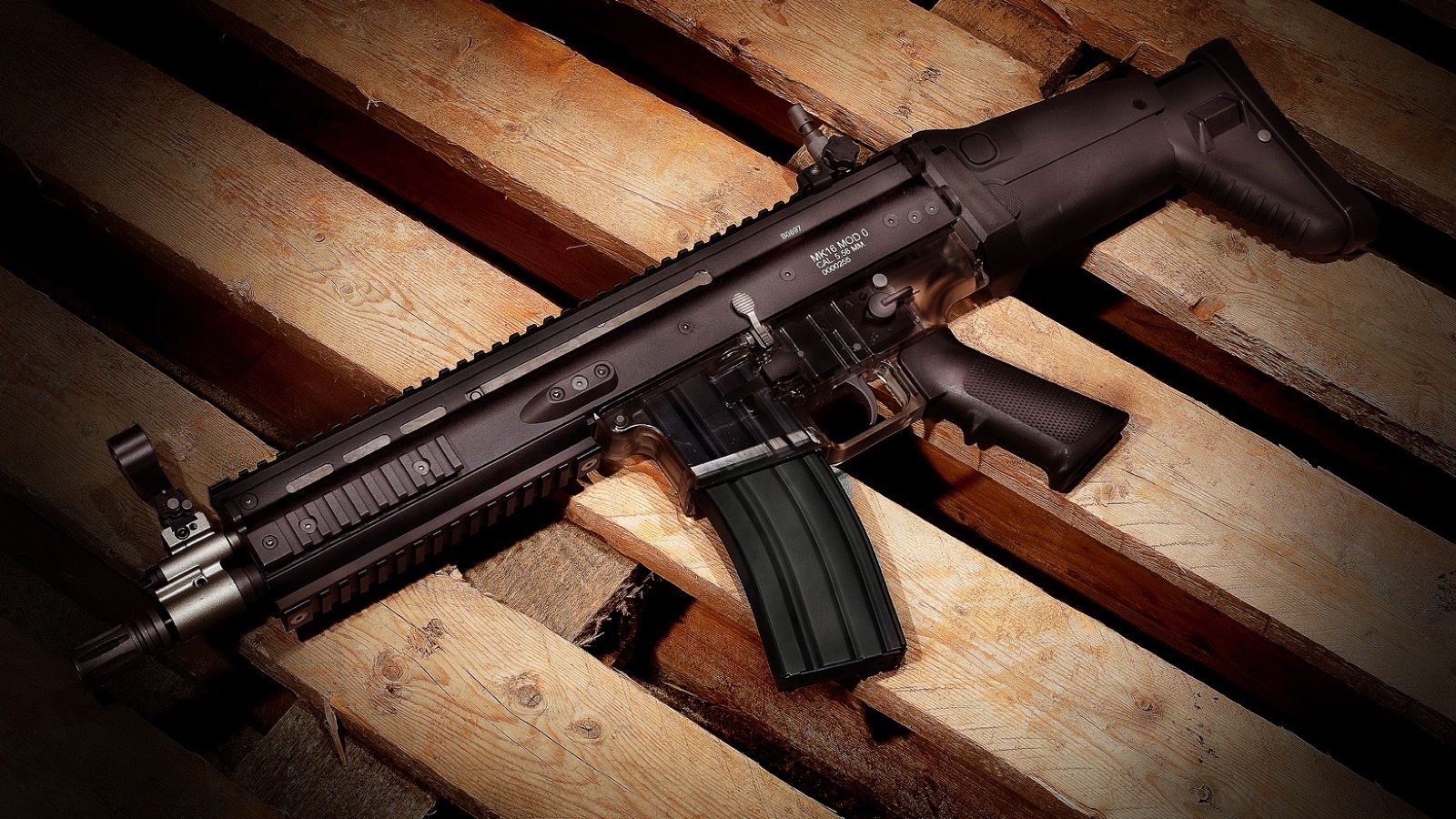
Only the second photo actually shows a SCAR—and per the photographer, it’s a WE gas blowback rifle, not a Tokyo Marui. We couldn’t find an openly licensed photo of a Tokyo Marui SCAR, and real-steel photos don’t belong in an airsoft guide. Images were cropped and resized to 16:9 with no other edits.
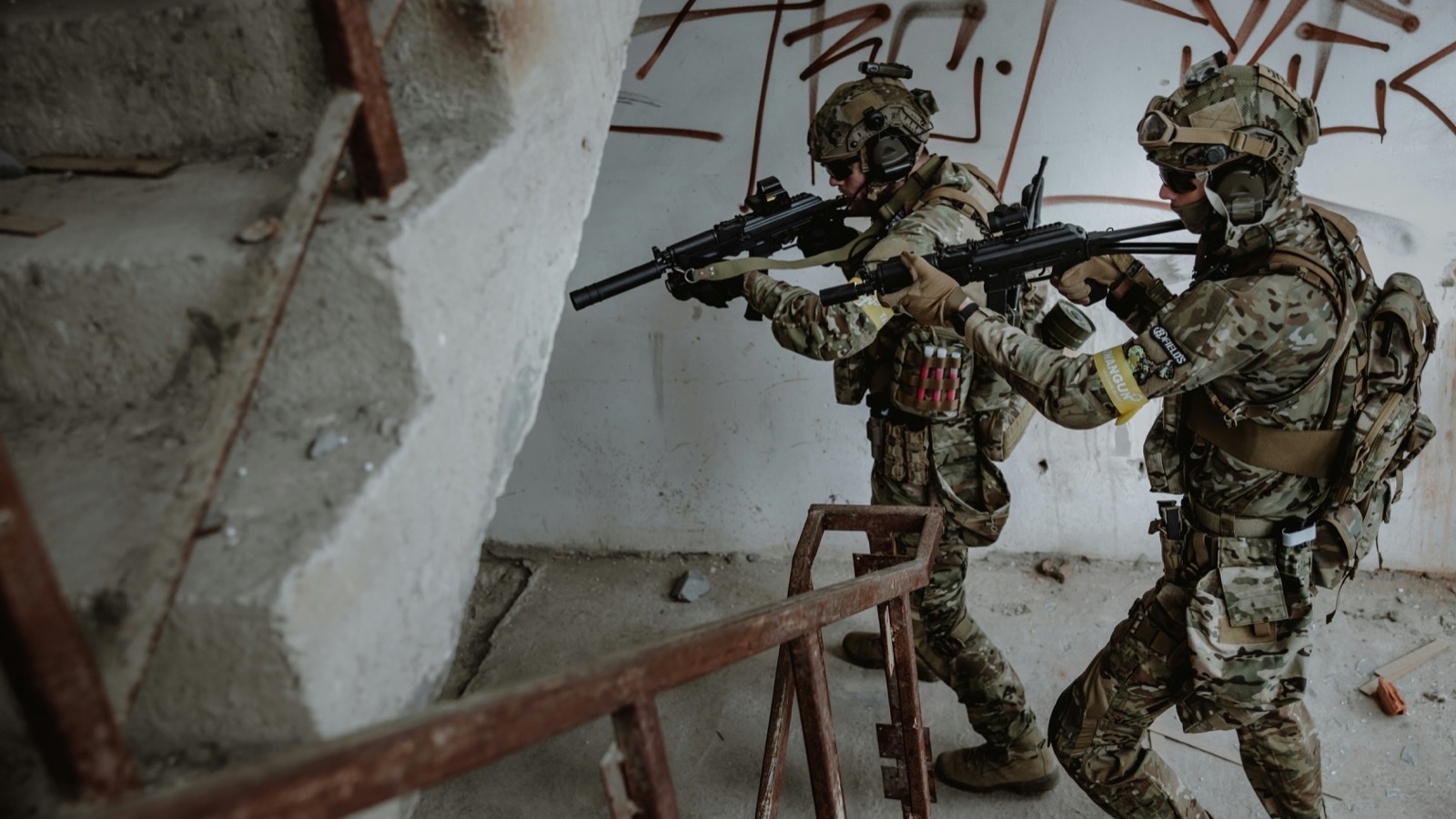
- Cover: Airsoft players during a game, Taiwangun, Unsplash License
- SCAR-L replica, brian.ch, CC BY 2.0
- Airsoft player during the game, Taiwangun, Unsplash License
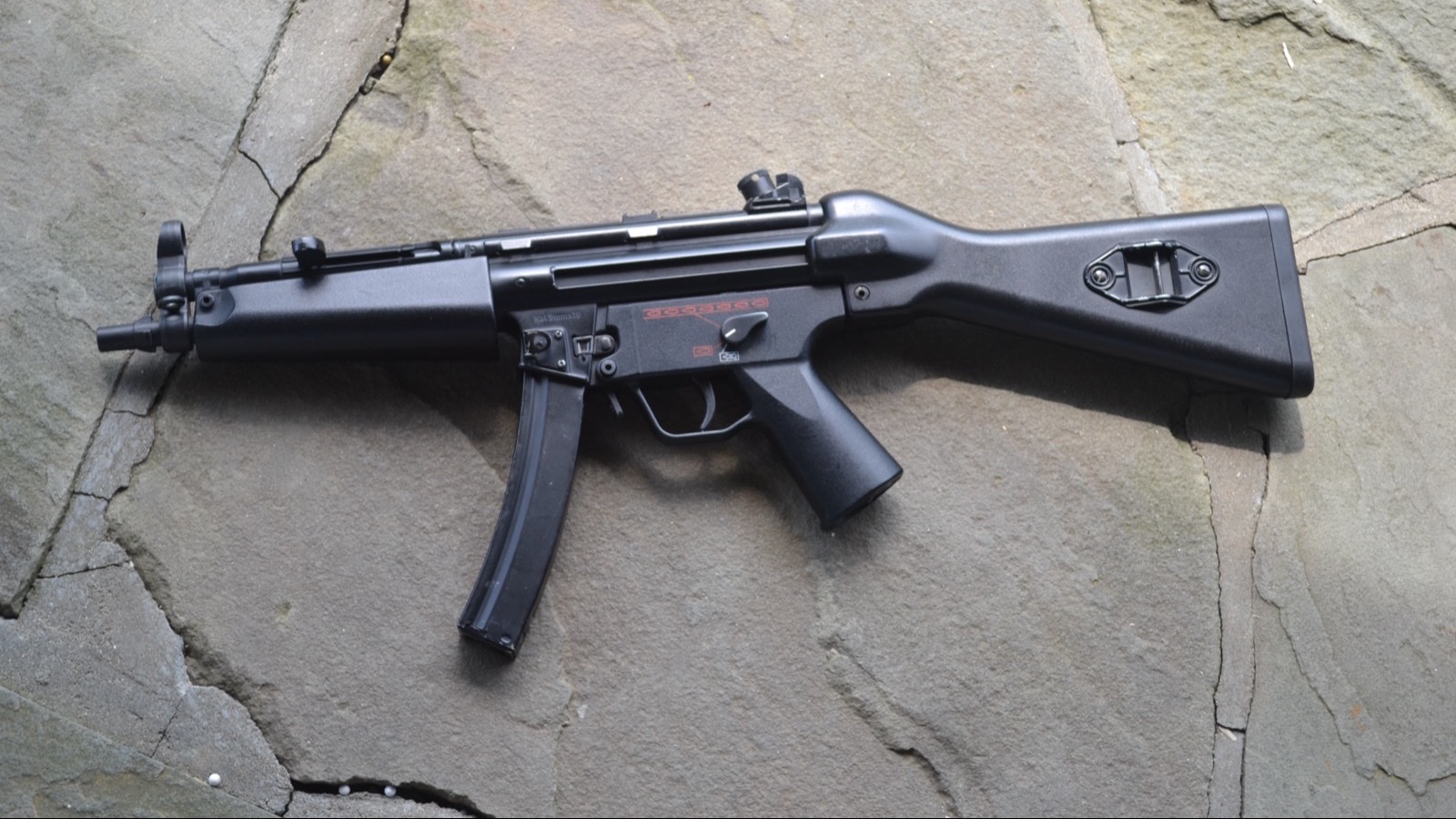
- Airsoft player loading a plate carrier, Taiwangun, Unsplash License
Sources: Tokyo Marui product pages for the SCAR-L, SCAR-L CQC and SCAR-H and its 2010-2012 new-product lists; Arms Magazine’s SCAR-L chronograph test (April 2019); Tokyo Marui’s US store, Redwolf, Evike, Airsoftstation, GMI Airsoft, KIC and Ruten listings; Defcon Airsoft’s SCAR-L CQC review (October 2021); Overhoppers’ SCAR-H hop-up review (July 2014); Repmart’s SCAR-H repair log (May 2026); SAAT’s SCAR-L FET build; owner videos by Timerzanov (2025) and BurninggalaxyX (2021); airsoft-forums.uk and airgrix on WE SCAR GBB maintenance; owner discussion on r/airsoft and r/usairsoft. Prices checked November 2026 and may change. Joules calculated with E = ½mv².
Related Articles
- Best AEG Airsoft Rifle 2026
- Tokyo Marui M4 MWS GBB Guide
- Best Airsoft DMR 2026
- Tokyo Marui MP5 Review 2026
- Airsoft Battery Guide
- Airsoft Chronograph, FPS & Joules Guide
- Airsoft Shot Timer App Guide
 Airsoft Shot Timer
Put a Shot Timer in Your Pocket
Automatic airsoft shot detection, split times, multiple PAR times and training records — no sign-up.


Related articles