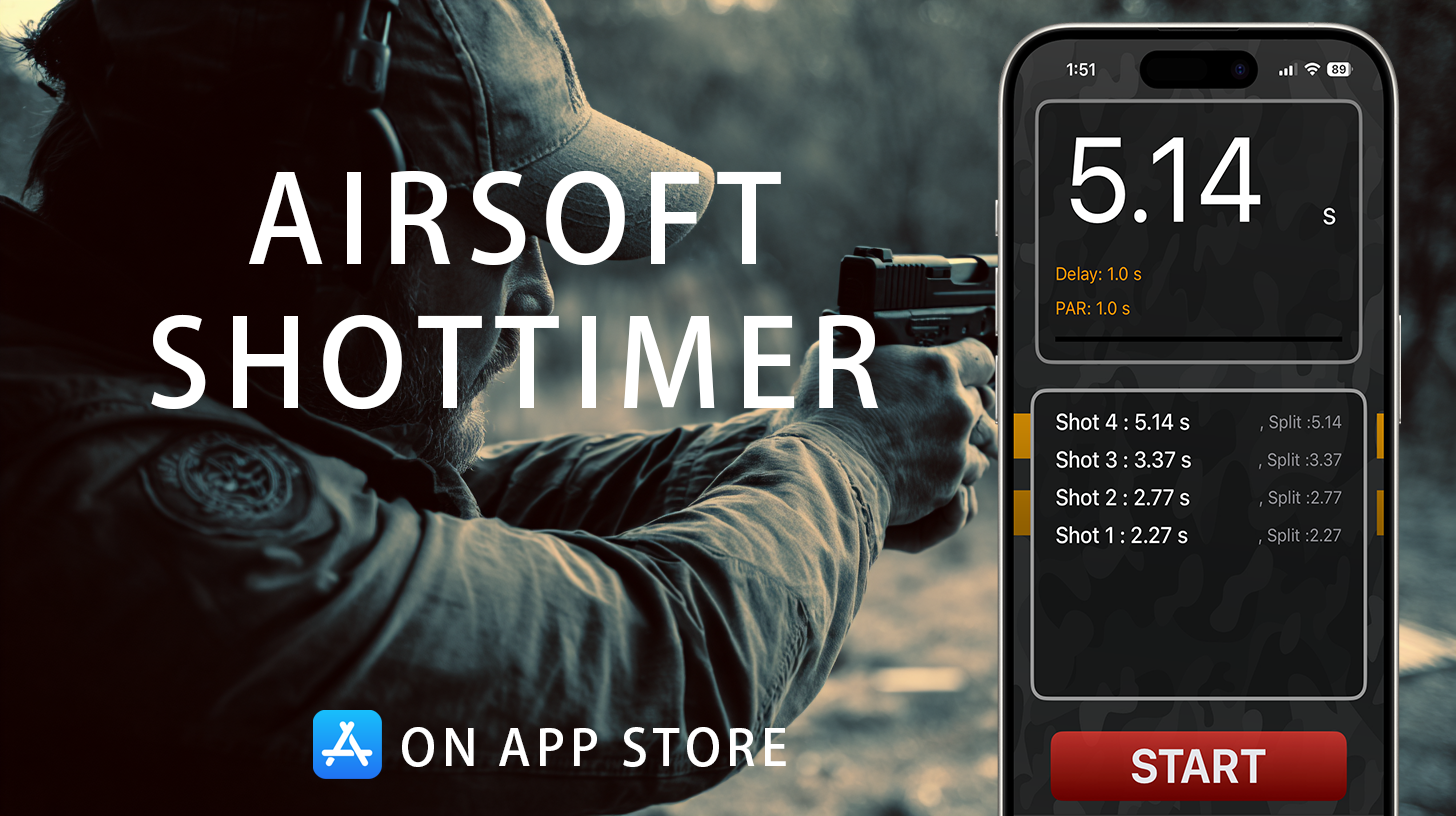
Airsoft Shot Timer is a free timer app built for airsoft players and Action Air shooters. Hardware shot timers often fail to pick up the low report of BB guns — this app is tuned specifically for gas blowback and AEG shot signatures, tracking everything from your draw to every split time. The blog below covers IPSC/IDPA training, airsoft gear, and tactics. Pair the drills with the app and watch your times drop.
The Free Shot Timer App Built for Airsoft
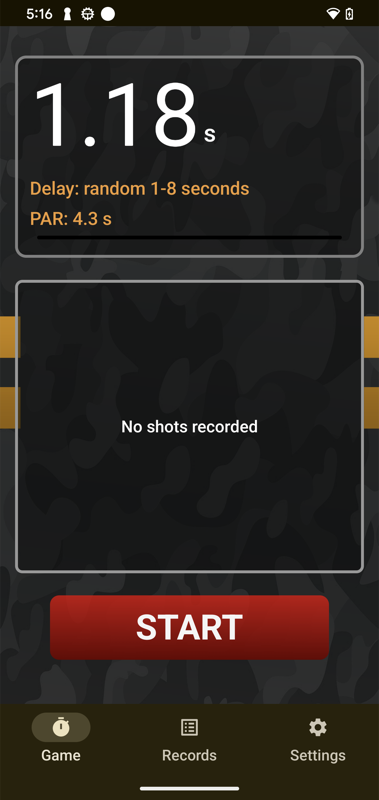
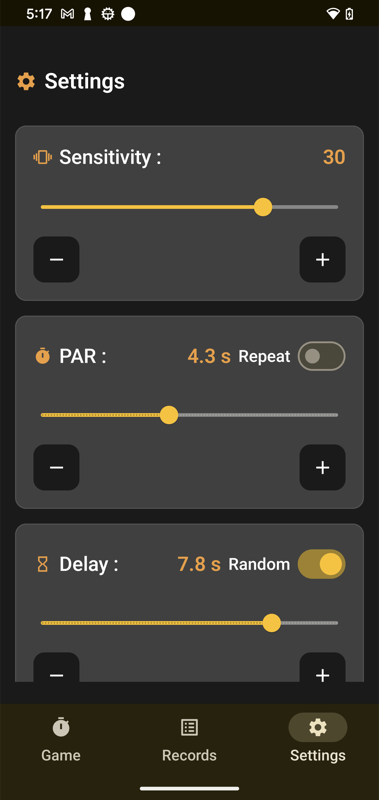
A shot timer tuned for airsoft acoustics — random start beep, automatic split times for every shot, and PAR time drills for your draw practice. Train for IPSC, IDPA, and Action Air without spending $150+ on a hardware timer. Your phone is all you need.

Home Defense Pistol Guide: Choosing the Right Handgun & Training to Protect Your Family
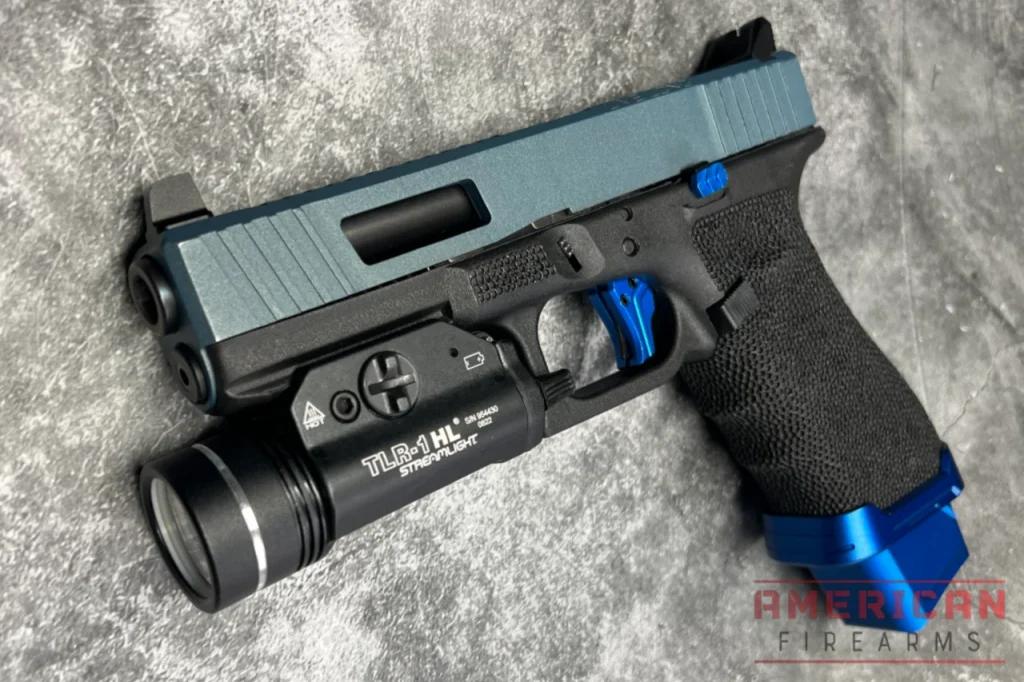
Why Home Defense Preparation Matters More Than You Think
Most people buy their first handgun with range practice or competition shooting in mind. But over time, many gun owners start asking a serious question: if someone broke into my home in the middle of the night, am I truly prepared?
IDPA vs USPSA 2026: Scoring, Reloads & Stage Design - Which One Should You Shoot First?
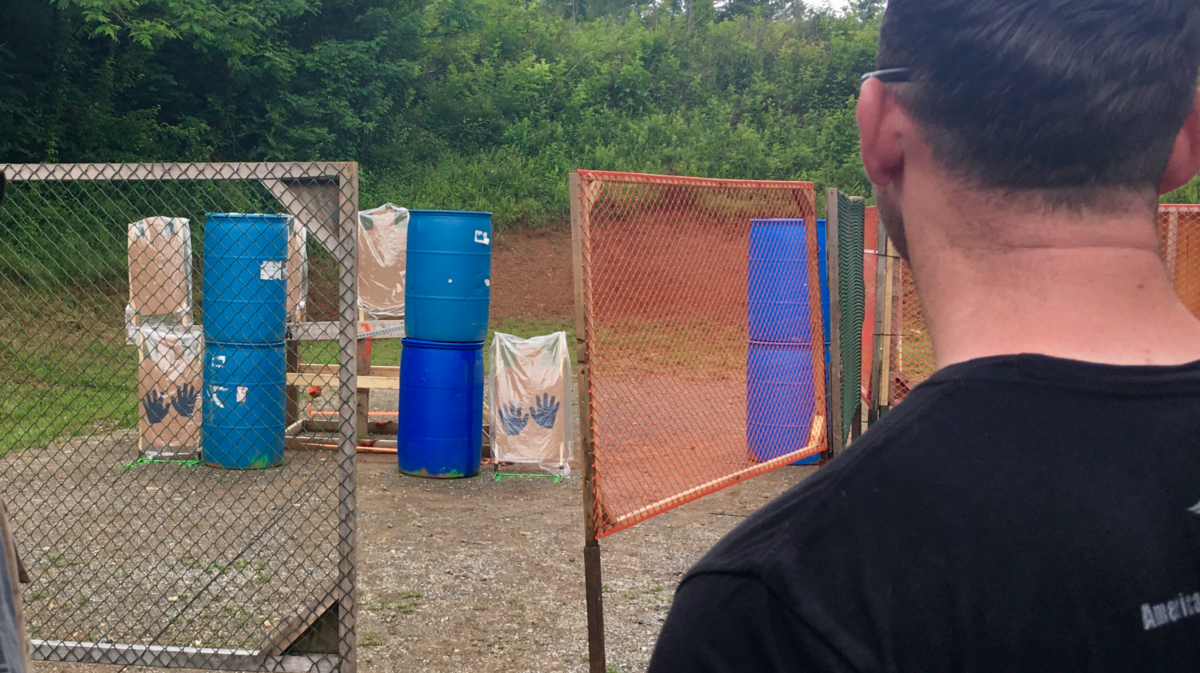
🎯 IDPA vs USPSA in 60 seconds: They differ on four things that actually matter. Scoring — IDPA adds penalty seconds to your raw time, so a hit outside the down-zero zone costs a full second; USPSA divides points by time (hit factor), so a slightly worse hit can still be the right trade. Stage freedom — IDPA tells you the engagement order (tactical priority, cover, fault lines); USPSA lets you plan the stage yourself. Reloads — IDPA won’t let you drop a magazine with rounds still in it, USPSA will, and that one rule makes them different skills. Cost — IDPA caps every string at 18 rounds and keeps 75% of a match’s shots inside 15 yards, so a local match runs lighter on ammunition (roughly $10-20 less), while the annual memberships are almost the same price: $60 for IDPA, $65 for USPSA. Which first? If you carry daily and want the concealment draw, start with IDPA. If you want raw speed and problem-solving, start with USPSA. Either way, the thing that improves fastest between matches is measured draw and reload time — a free shot timer app turns “I felt fast” into a number you can beat. Full breakdown below.
What Is CQB? Meaning, Tactics & Room Clearing Guide (Airsoft 2026)
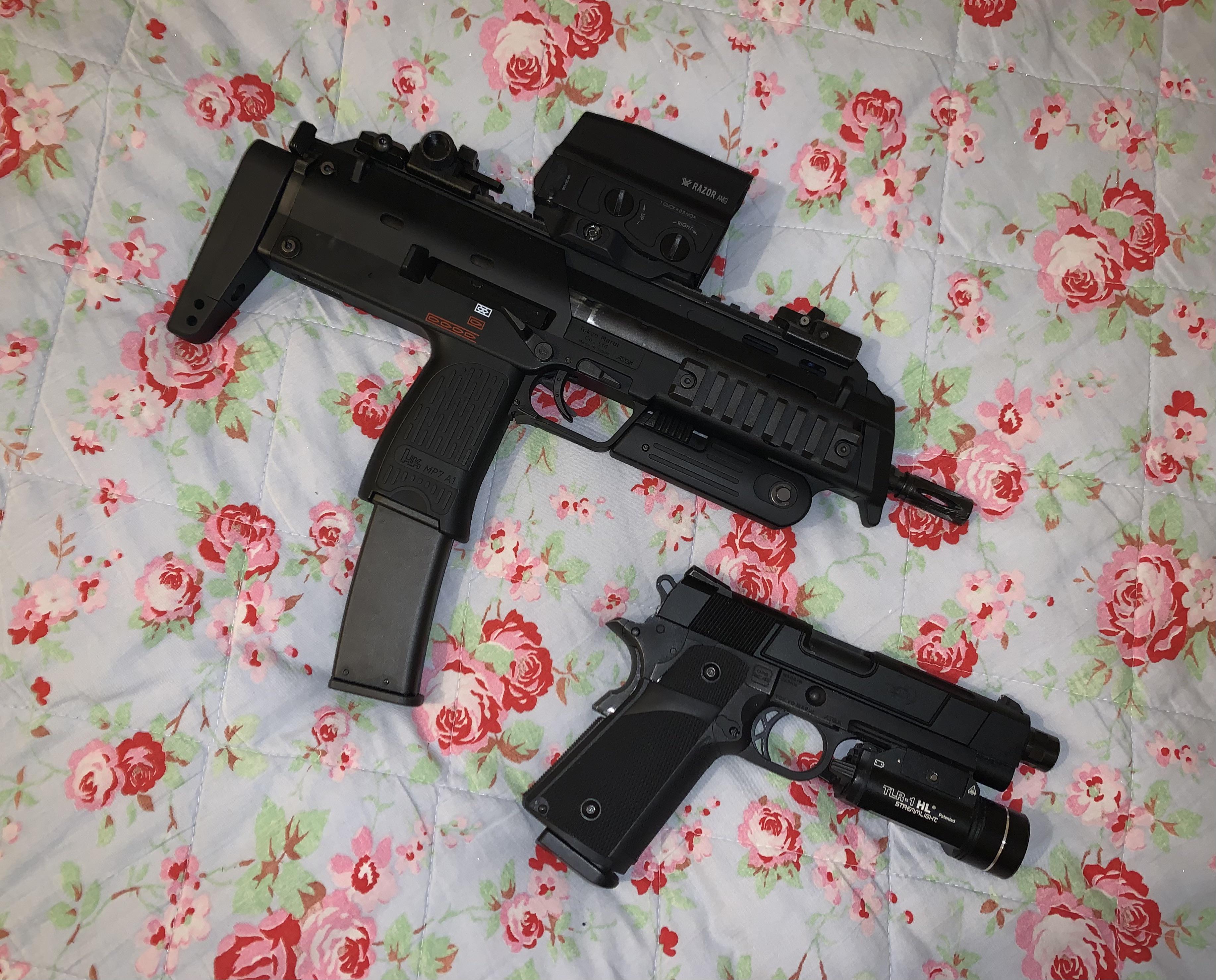
CQB — short for Close Quarters Battle — is the most intense and fast-paced game mode in airsoft. Locking eyes with an opponent in a narrow hallway, the split-second decision around a corner, the adrenaline rush of breaching through a doorway — these are what CQB delivers and nothing else in airsoft does.
Complete Beginner Guide to 3-Gun Competition: Equipment, Divisions, Stage Design & New Shooter Preparation
What is 3-Gun Competition?
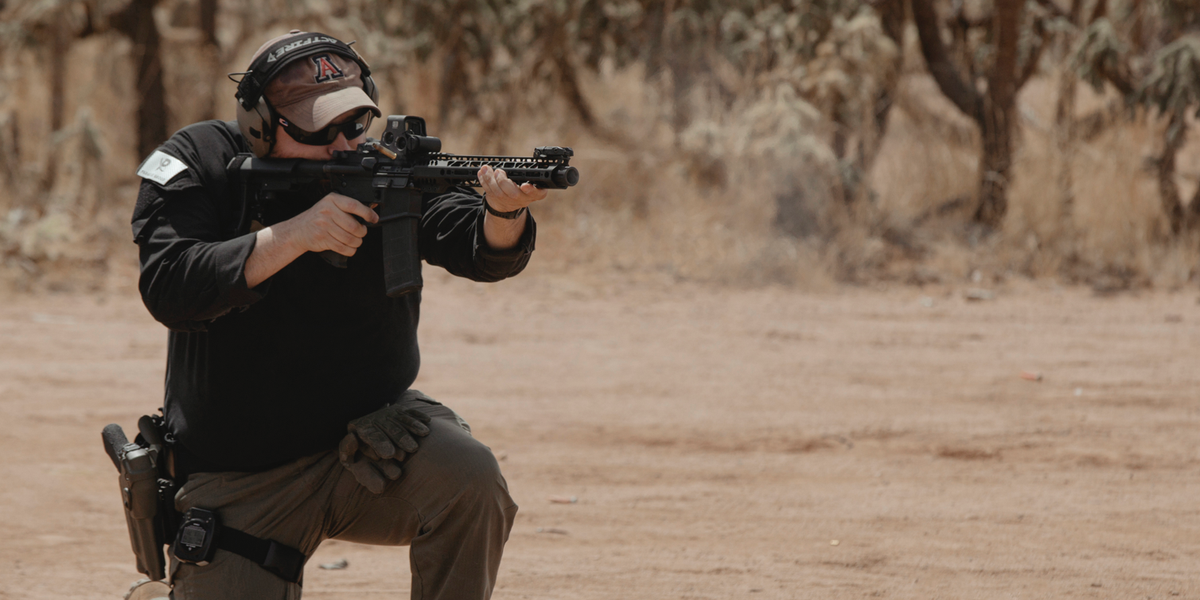
If USPSA and IPSC are the premier arenas for handgun competition, then 3-Gun is the ultimate test in the shooting sports world. As the name suggests, 3-Gun requires competitors to use three different firearms — a pistol, a rifle, and a shotgun — to engage various targets across complex, dynamic courses of fire.
Steel Challenge Times by Class: How Peak Time Scoring Works (All 8 Stages & 13 Divisions)
What Is Steel Challenge?
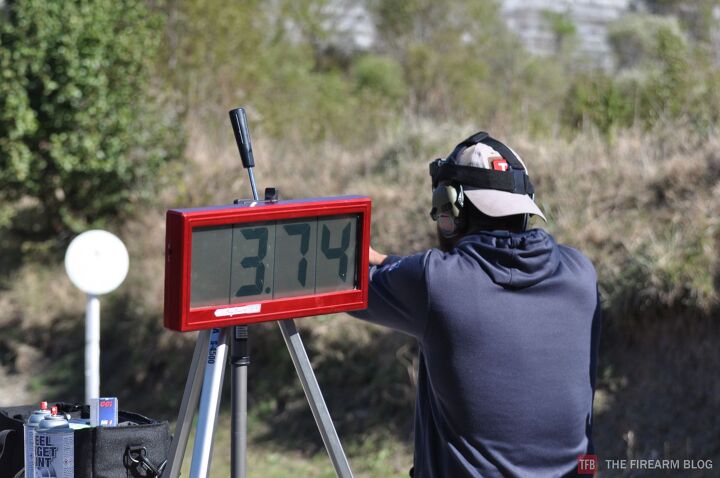
Steel Challenge is the one shooting sport where your entire result is a stopwatch reading. No scoring zones, no hit factor, no stage plan — five steel plates, hit them all, fastest time wins. That is the whole rulebook in a sentence, and it is why the sport is both the easiest to explain to a newcomer and the hardest to hide in.
Your First USPSA Match 2026: What to Bring & How Not to Get DQ'd
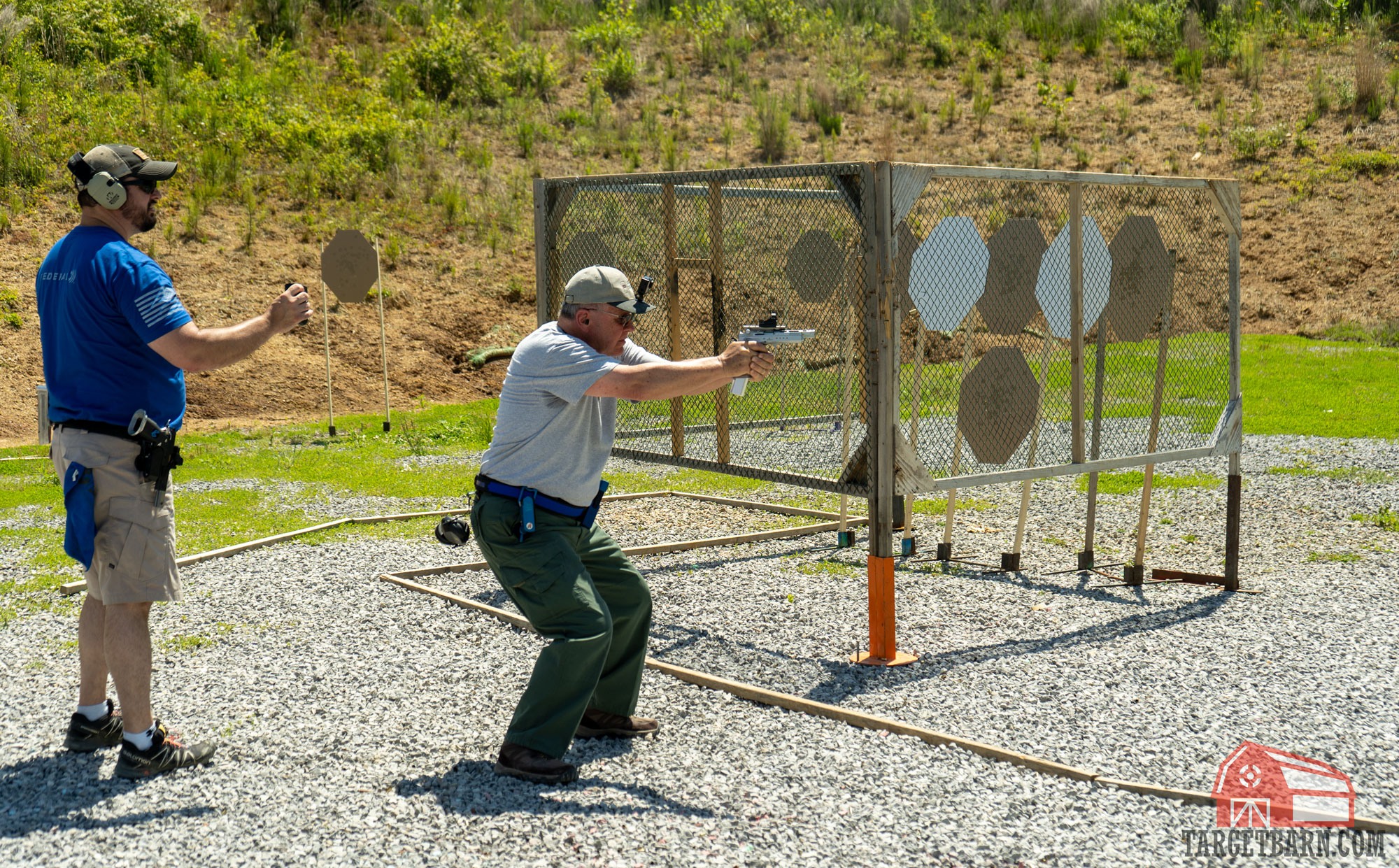
The 60-second version. You do not need a USPSA membership to shoot your first local (Level 1) match — turn up, pay the club’s entry fee (usually $20–40), and shoot. Bring 200–300 rounds, at least three magazines (five is comfortable), a belt holster that covers the trigger and points the muzzle down, plus eye and ear protection. Budget four to six hours at the range for a five-stage match. Say “this is my first match” at sign-in and ask for the new-shooter briefing and safety check — it’s the highest-value ten minutes of the day. And remember the asymmetry that defines this sport: shooting slowly or badly cannot get you thrown out, but gun handling can. The three that catch new shooters are breaking the 180 (muzzle more than 90° off the line to the backstop), a finger inside the trigger guard while moving, and dropping the gun. Membership ($65/year) only matters once you want a classification or a sanctioned match. Every rule number below is from the USPSA Handgun Competition Rulebook, edition 2026-09 (effective 1 September 2026).
Glock Gen 6 Complete Guide: New Features, Gen 5 Comparison & Competition Impact
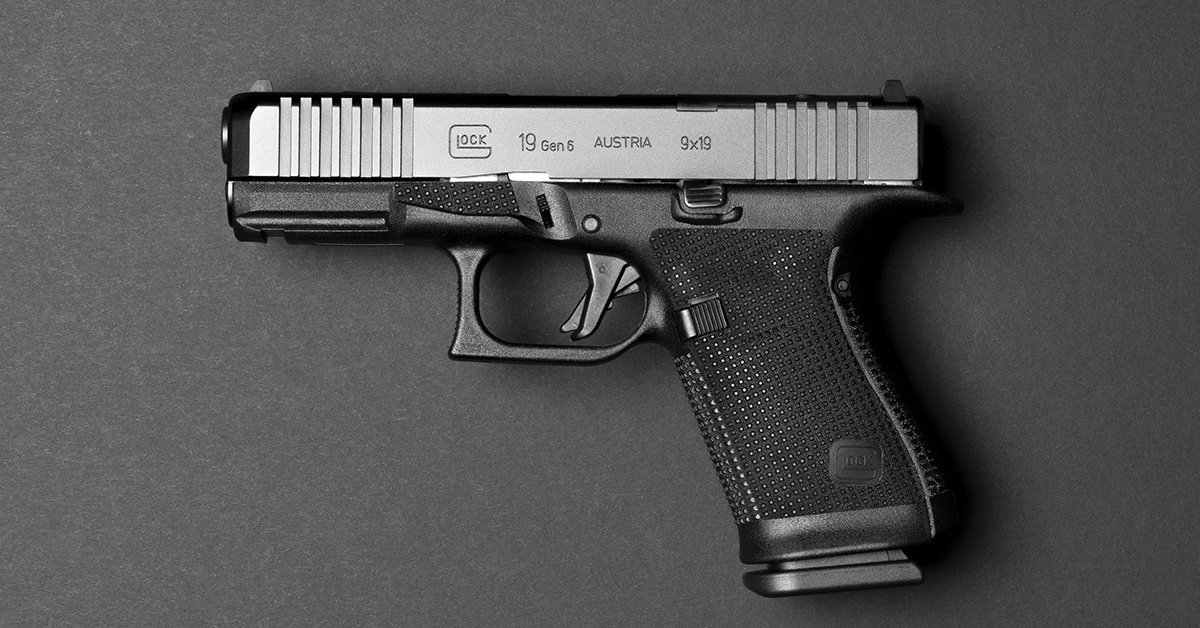
Glock Gen 6: The Most Significant Upgrade in Glock History
In December 2025, Glock officially unveiled the highly anticipated sixth-generation pistol — Glock Gen 6 — with retail availability starting January 20, 2026. This represents the most significant update since the Gen 5 launch in 2017, and many consider it the most substantial generational improvement Glock has ever made.
Complete Guide to Handgun Ammunition & Caliber Selection: From Basics to Competition Shooting
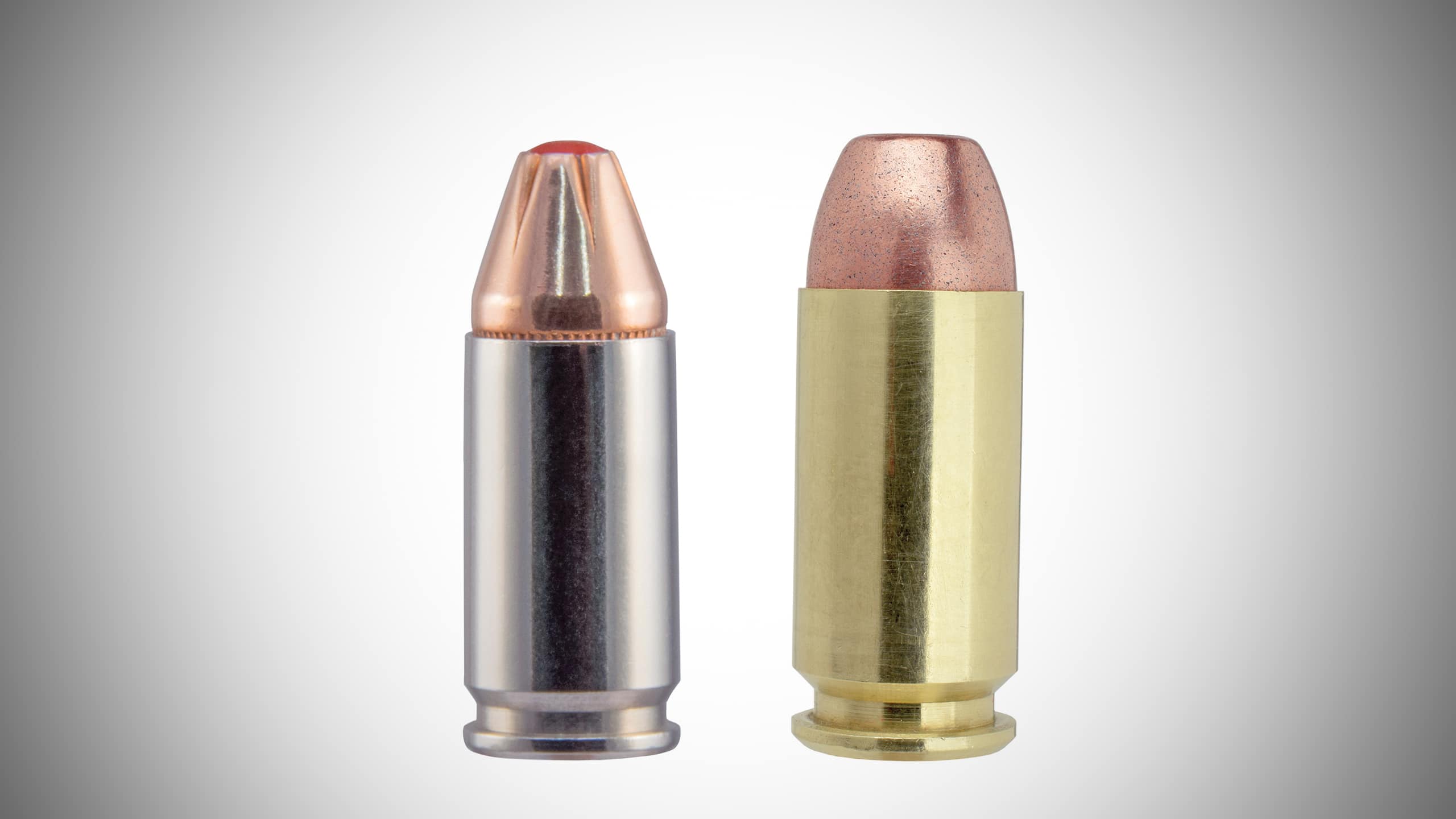
Why Does Ammunition Selection Matter So Much?
In the shooting sports world, most people focus on the firearm itself — the brand, model, and how it feels in hand — while often overlooking an equally important factor: ammunition. In reality, your ammunition choice directly affects shooting accuracy, felt recoil, training costs, and even determines whether you can legally compete in a match.
Gun Safety Rules 2026: 4 Cardinal Rules for Range, IPSC & Airsoft
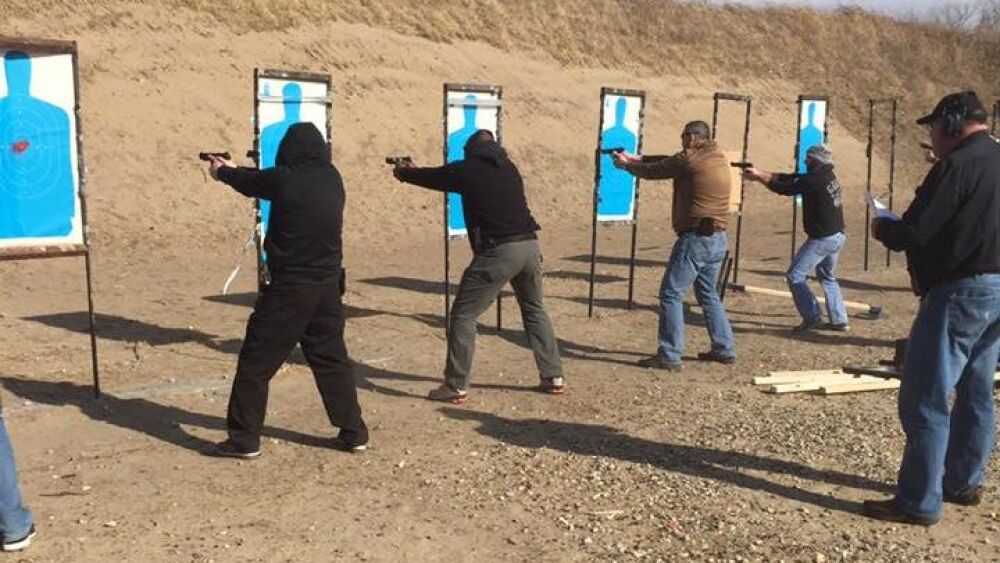
The 4 Cardinal Rules of Gun Safety (Quick Answer)
The 4 cardinal rules of gun safety are:
- Treat every firearm as if it is loaded — always check the chamber, never assume a gun is empty.
- Never point the muzzle at anything you are not willing to destroy — safe direction, every second, no exceptions.
- Keep your finger off the trigger until your sights are on target and you have decided to shoot — indexed above the trigger guard otherwise.
- Know your target and what is beyond it — bullets over-penetrate, miss, and ricochet; identify the backstop before you fire.
These four rules were codified by Colonel Jeff Cooper and are now taught by the NRA, NSSF, and every major law-enforcement and military program worldwide. They work as a layered defence: follow all four and an accident becomes almost impossible.
Shooting Training Plan 2026: 5 Steps to Build One (+ Free Dry Fire Schedule You Can Copy Tonight)
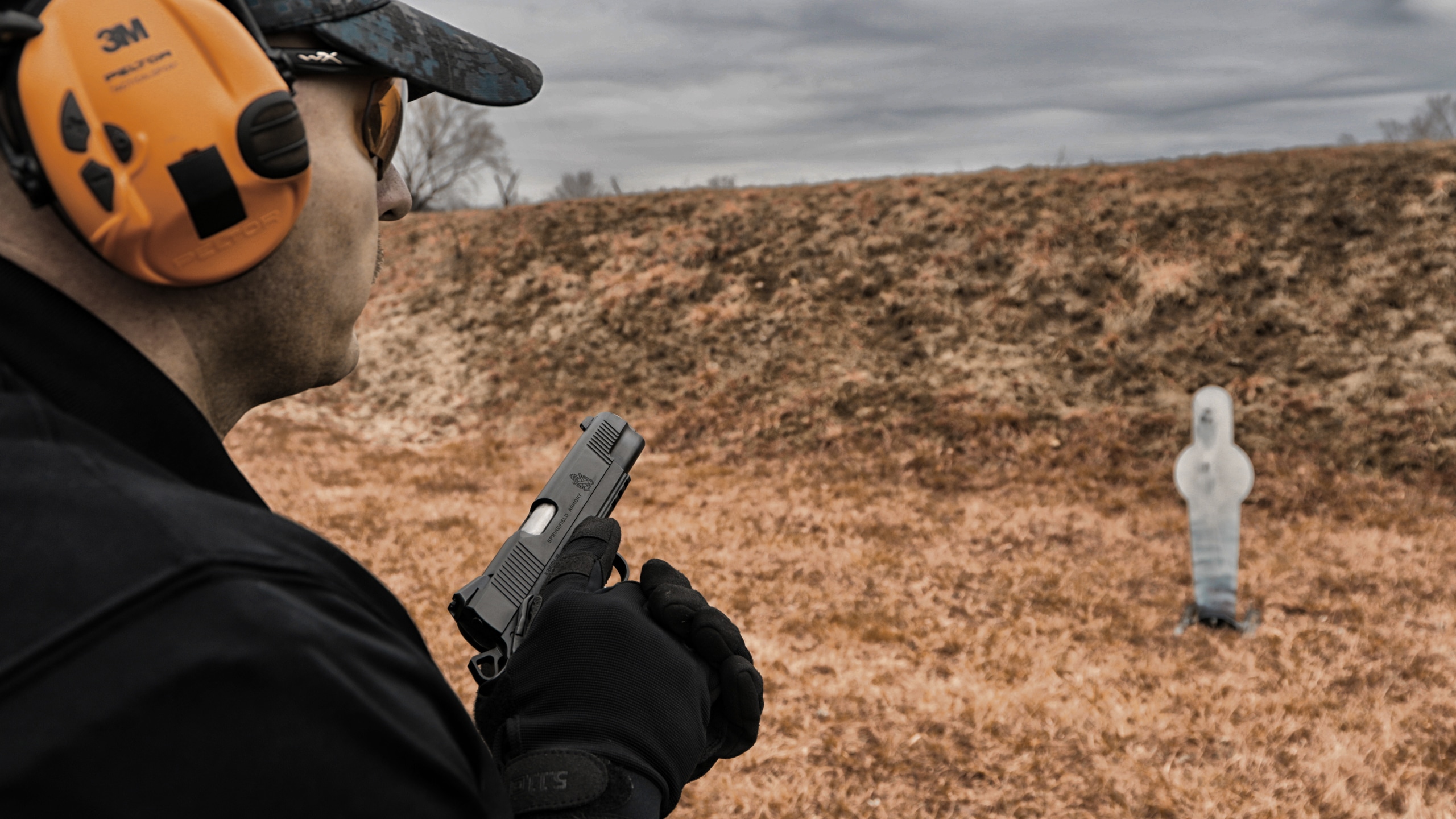
Why Do You Need a Training Plan?
“I go to the range every week, but I don’t seem to be improving.” — This is a common frustration among shooters. The problem often isn’t about not practicing enough, but rather the lack of a systematic training plan.