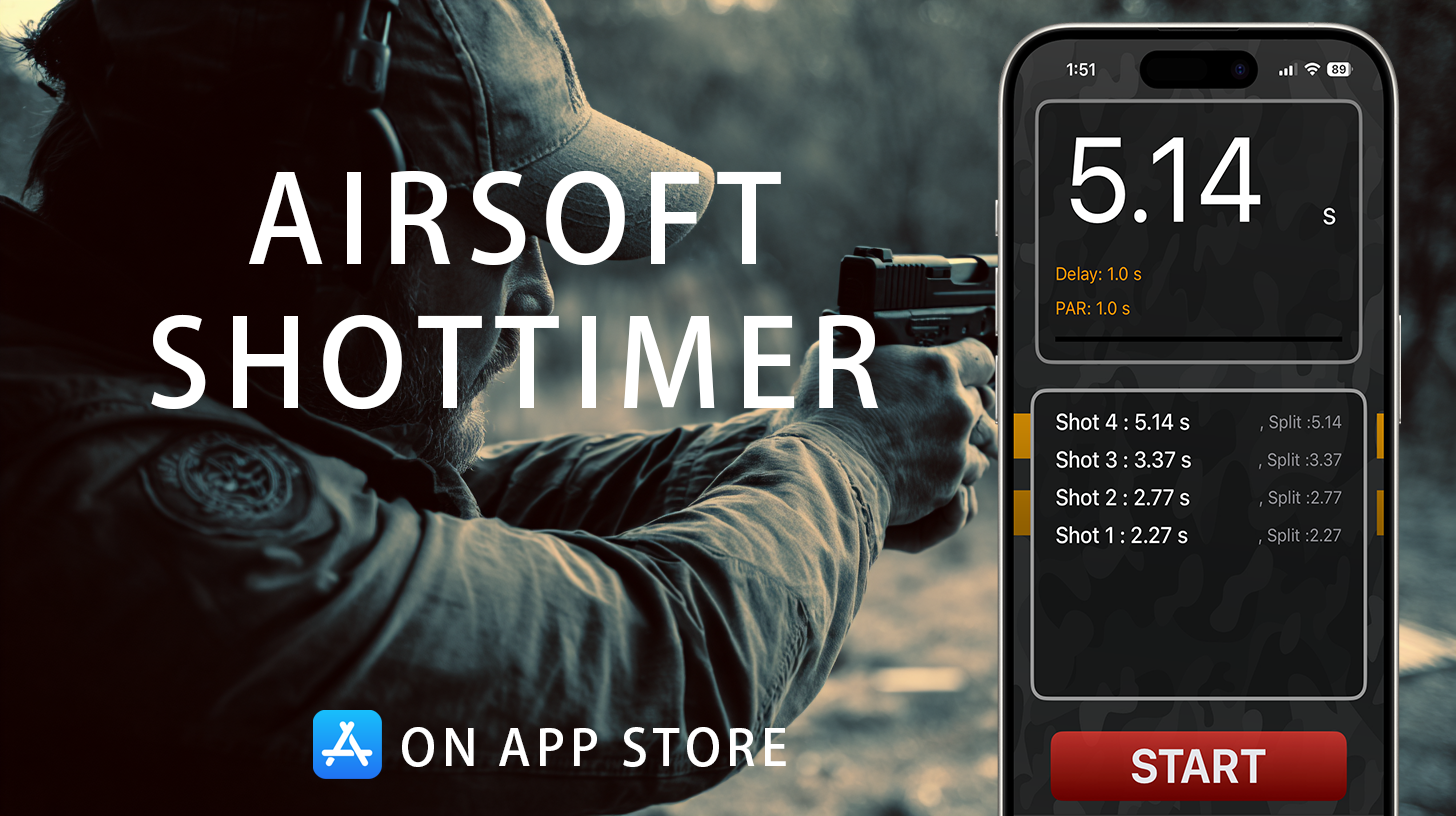
Airsoft Shot Timer is a free timer app built for airsoft players and Action Air shooters. Hardware shot timers often fail to pick up the low report of BB guns — this app is tuned specifically for gas blowback and AEG shot signatures, tracking everything from your draw to every split time. The blog below covers IPSC/IDPA training, airsoft gear, and tactics. Pair the drills with the app and watch your times drop.
The Free Shot Timer App Built for Airsoft
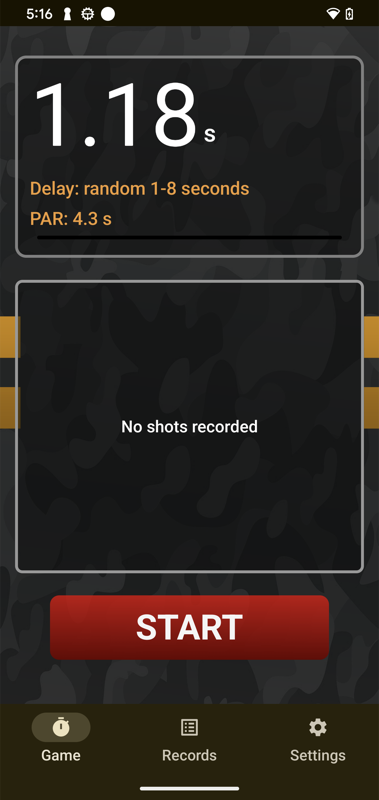
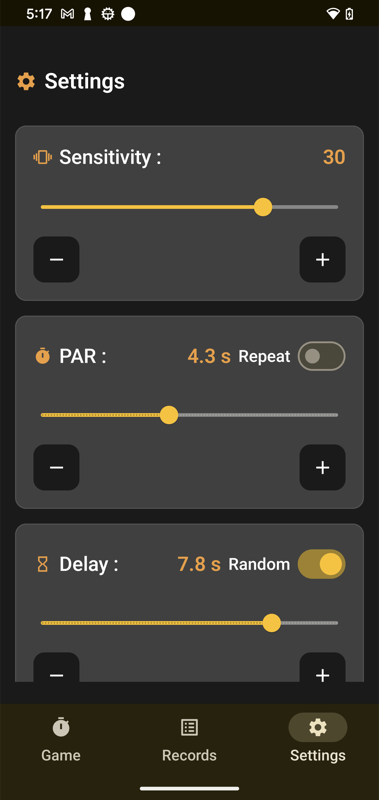
A shot timer tuned for airsoft acoustics — random start beep, automatic split times for every shot, and PAR time drills for your draw practice. Train for IPSC, IDPA, and Action Air without spending $150+ on a hardware timer. Your phone is all you need.

Complete IPSC Beginner Pistol Guide: Production Division Handgun Recommendations & Equipment Setup
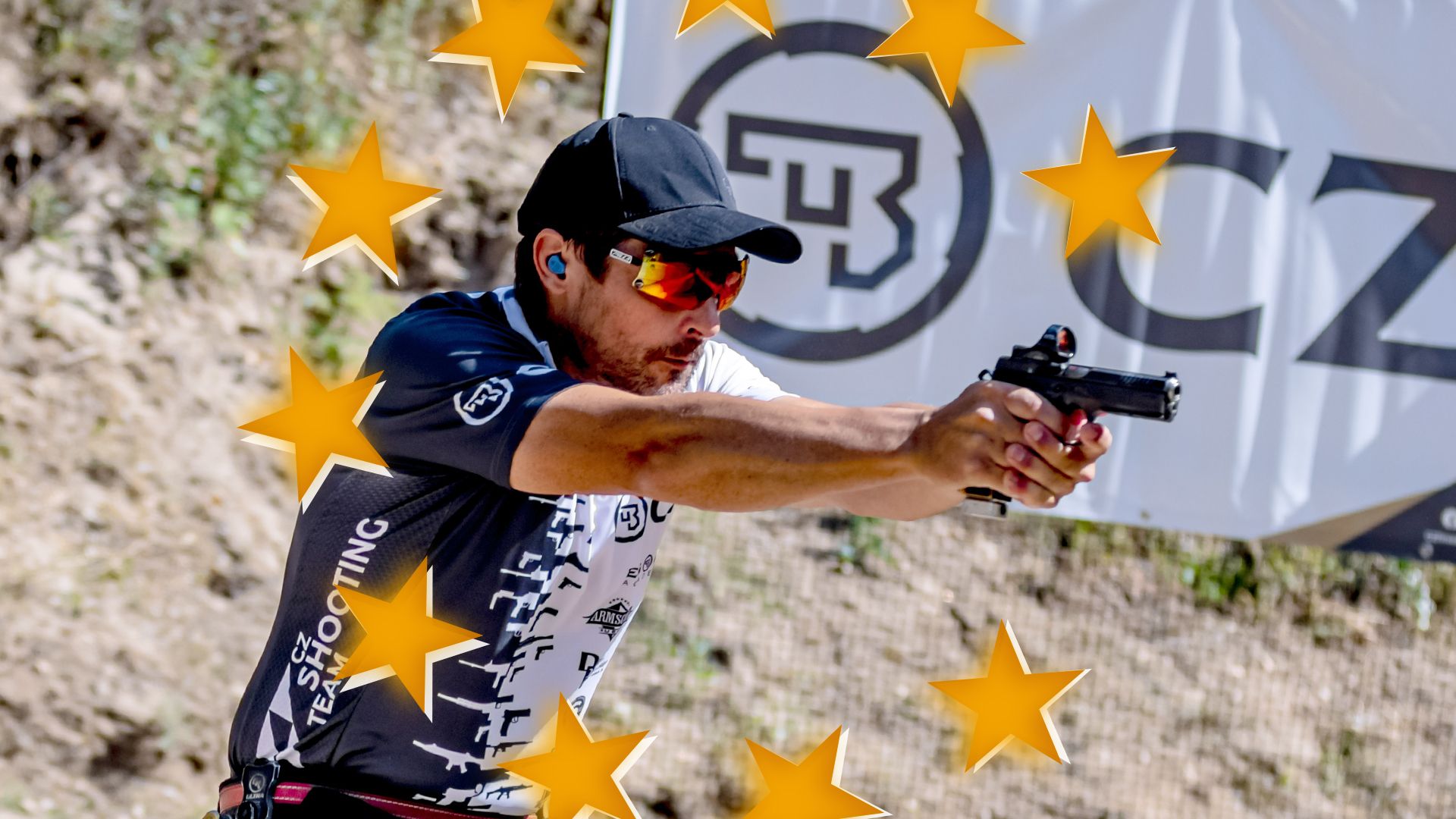
Why Production Division is the Best Starting Point for Beginners
Want to enter the world of IPSC competitive shooting but don’t know which gun to choose? Production Division is your best bet. This division is designed for “out-of-the-box” factory pistols, allowing newcomers to step onto the competitive stage with minimal budget and modifications.
Average Pistol Draw Time 2026: What's Normal, What's Good, and How to Get Faster
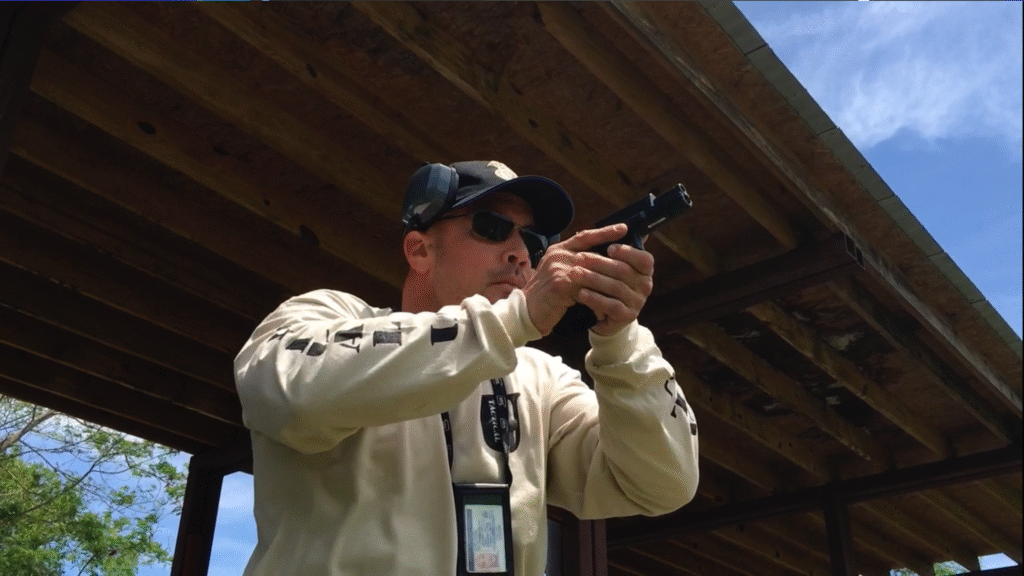
Why Is Draw Technique So Important?
In competitive shooting and defensive situations, the draw stroke is where everything begins. Whether you’re competing for first-shot advantage in IPSC or simulating defensive scenarios in IDPA, a smooth and fast draw is a fundamental skill every shooter must master.
Complete Canik Pistol Guide: The Rise of Turkish Competition Handguns & Training Guide
Introduction to Canik Pistols
Canik is a Turkish handgun brand that has rapidly risen to prominence in the competitive shooting world. Operating under the Samsun Yurt Savunma (SYS) Group, Canik is renowned for its TP9 series pistols, which feature excellent factory configurations, outstanding trigger quality, and highly competitive pricing. In just a decade, Canik has grown from obscurity to become the world’s 7th largest small arms manufacturer and the top imported pistol brand in the United States.
How to Grip a Pistol: Grip Pressure Numbers, Thumbs Forward & 4 Grip Styles Compared
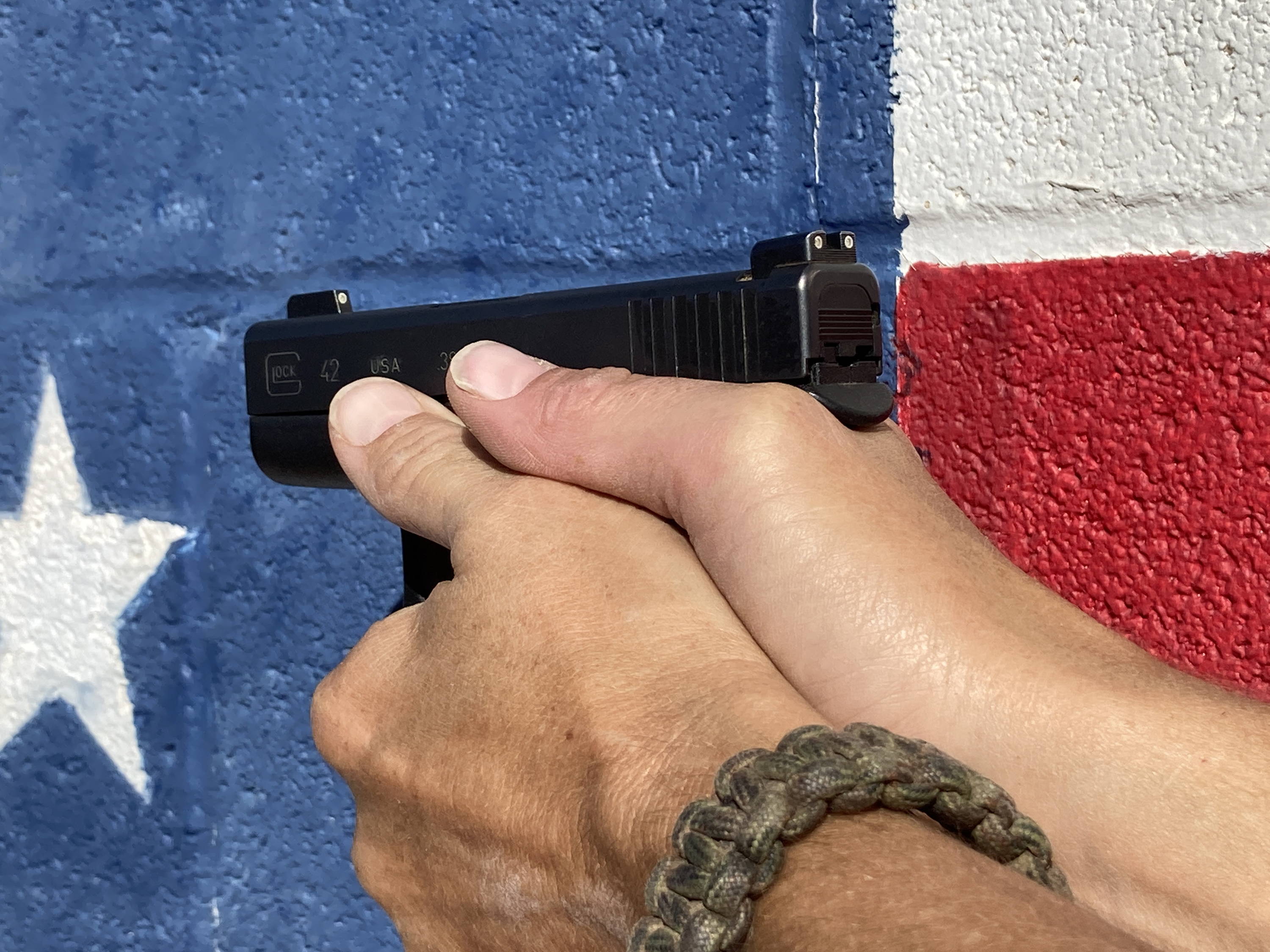
The 60-Second Answer: How to Grip a Pistol
If you only read one section, read this one. A correct two-handed pistol grip is four decisions, and all four have specific answers.
FN 509 Complete Guide: Military-Grade Pistol & Training Guide
FN 509 Introduction
The FN 509 is a polymer-frame striker-fired pistol manufactured by FN America, the U.S. subsidiary of legendary Belgian firearms manufacturer FN Herstal. Released in 2017, this pistol originated from FN’s submission to the U.S. Army’s XM17 Modular Handgun System (MHS) competition. Although it lost to the SIG P320, the FN 509 underwent rigorous testing with over one million rounds of ammunition, proving itself as a reliable, accurate, and feature-rich tactical pistol.
Complete Guide to Shooting on the Move: Dynamic Pistol Techniques
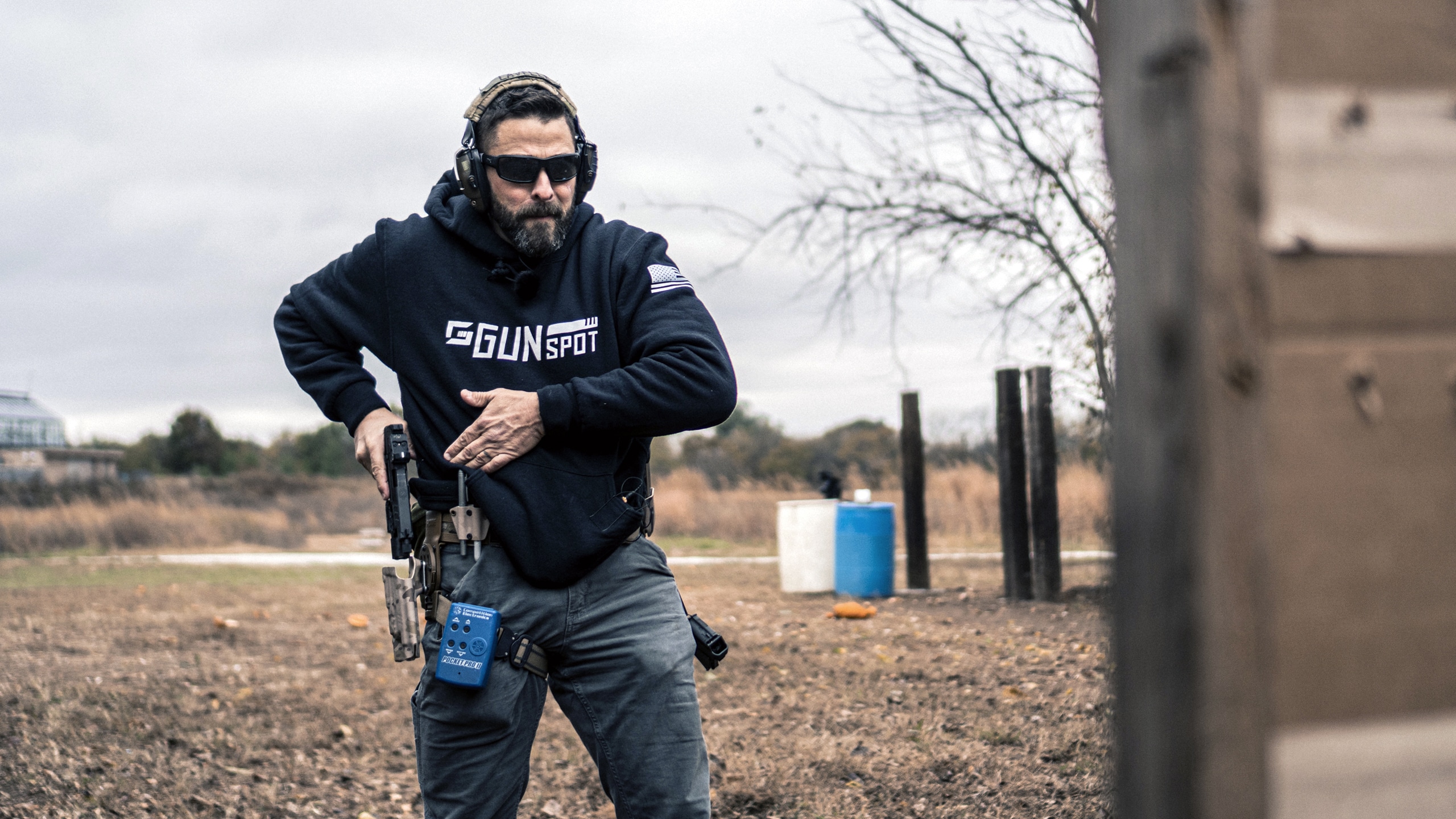
Why is Shooting on the Move an Essential Skill for Advanced Shooters?
Shooting on the move is the key ability that elevates your shooting skills from static to dynamic. In IPSC competitions, shooters who can engage targets while moving often save precious seconds; in tactical situations, a stationary shooter is the easiest target to hit.
Complete Guide to Shooting Breath Control: Natural Respiratory Pause and Tactical Breathing Techniques
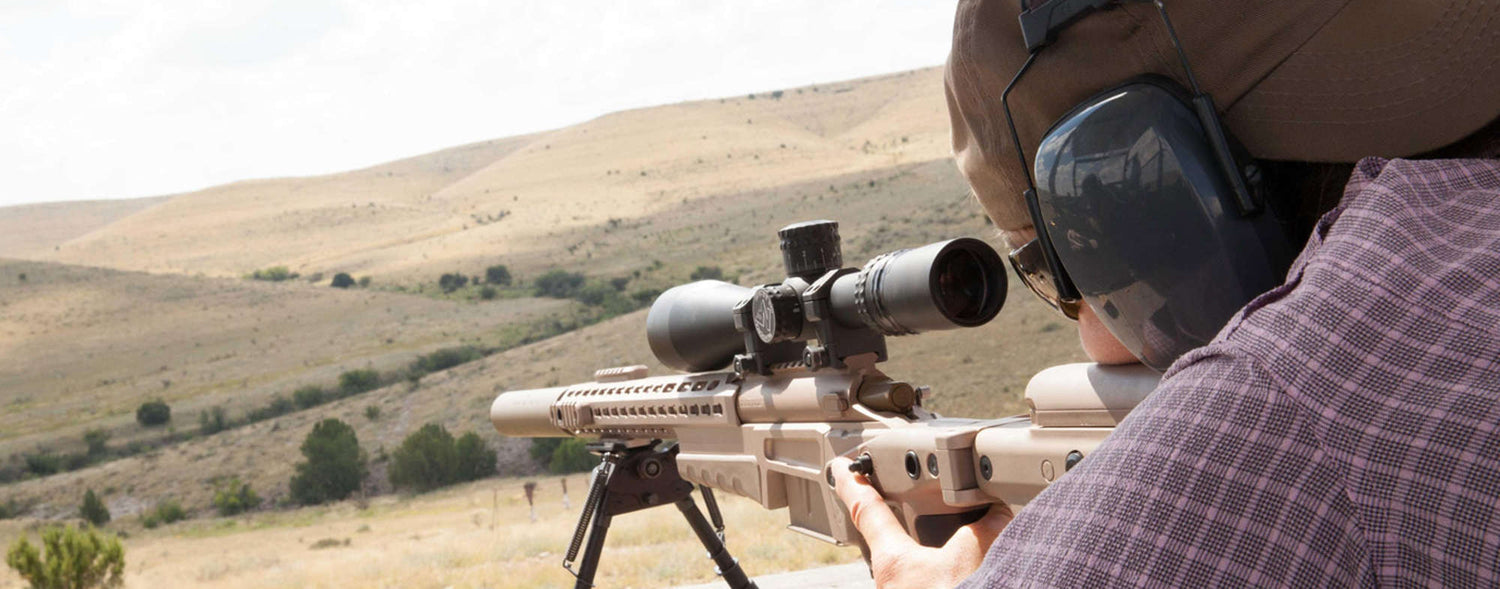
Why Is Breath Control a Critical Element in Shooting?
Breath control is a crucial shooting technique that’s often overlooked. Many shooters focus on stance, grip, and trigger control while forgetting a fundamental fact: every breath causes your body to move, which affects where your muzzle points.
Trigger Discipline & Trigger Control: The Complete Pistol Guide
Why Is Trigger Control the Final Mile in Shooting?
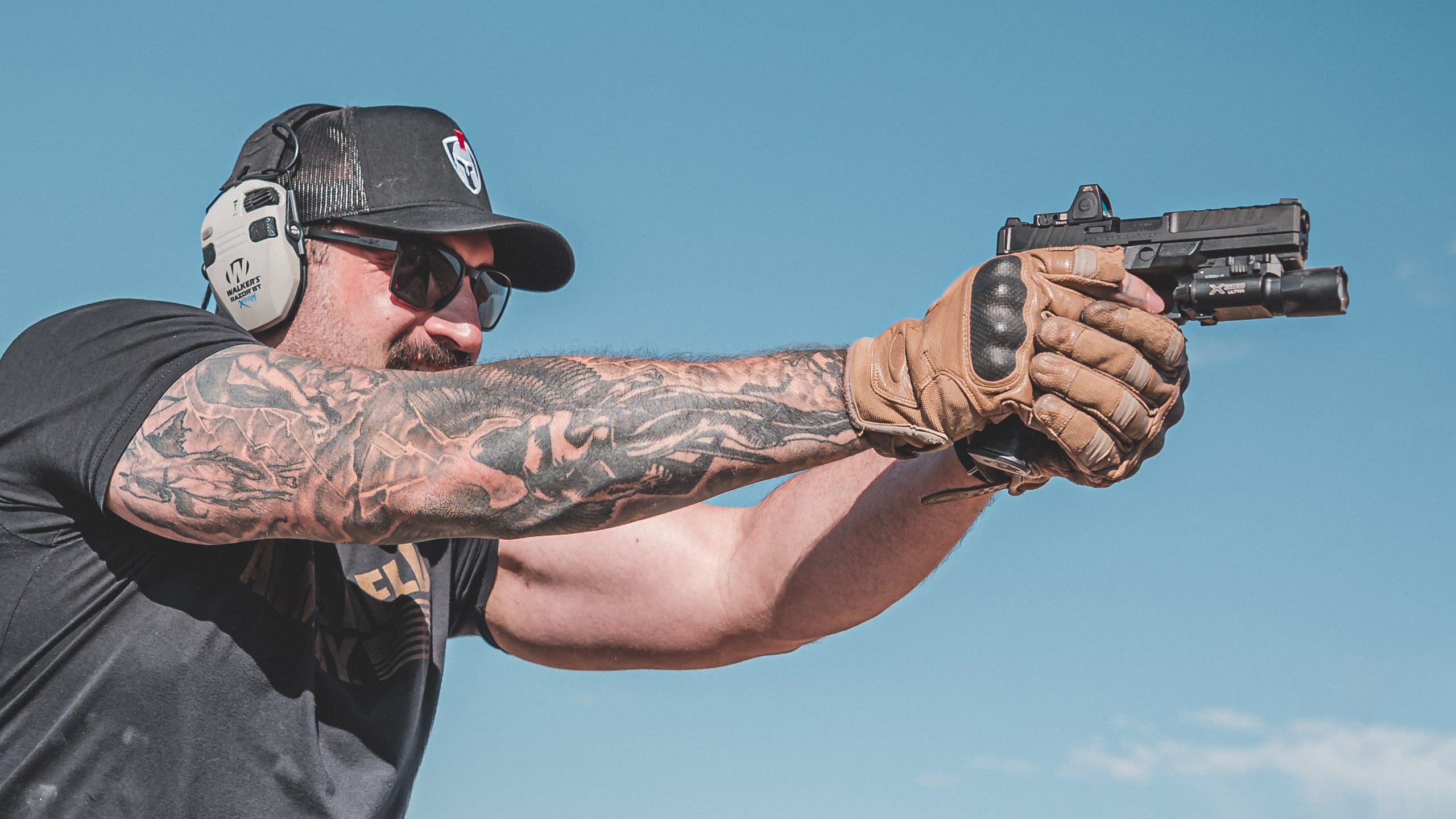
Trigger control is the final mile in achieving accurate hits. Even if your stance is perfect, your grip is stable, and your aim is precise, if the muzzle moves during the trigger press, the bullet will miss its target—all your effort wasted.
How to Aim a Pistol: The 4 Sight Pictures, Where to Focus Your Eye, and Red Dot vs Irons
The 60-Second Answer: How to Aim a Pistol
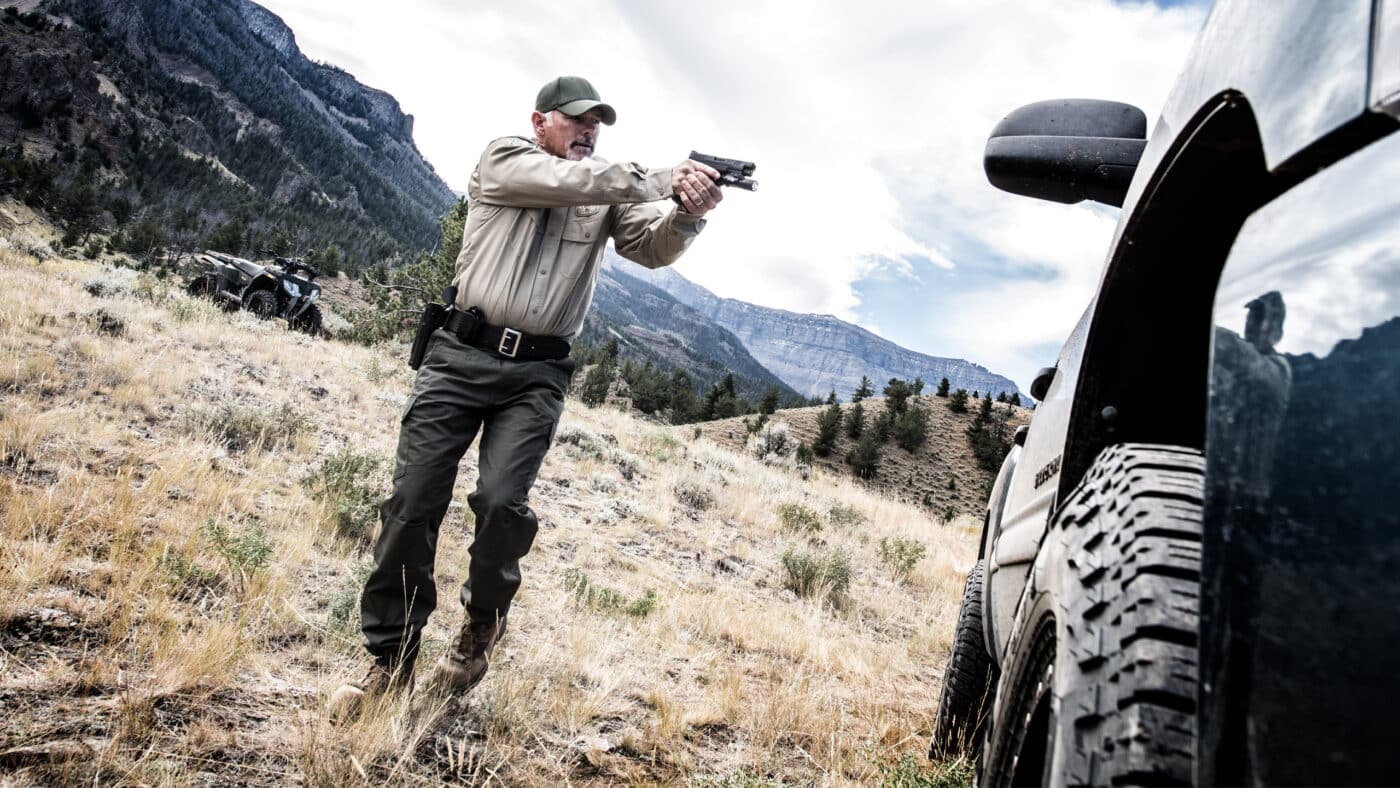
Aiming is two separate problems that get taught as one, and separating them fixes most people’s groups.
Problem one is sight alignment — the relationship between the front sight and the rear notch, independent of the target. Front sight centred left-to-right in the notch, top edge level with the top of the notch. This is the part that must be perfect, because an error here multiplies with distance: a front sight sitting one notch-width off throws the shot several inches at 10 yards and roughly a foot at 25.
Weaver vs Isosceles Stance: Which Pistol Shooting Stance Wins in 2026 (and Why)
Weaver vs Isosceles in 60 Seconds
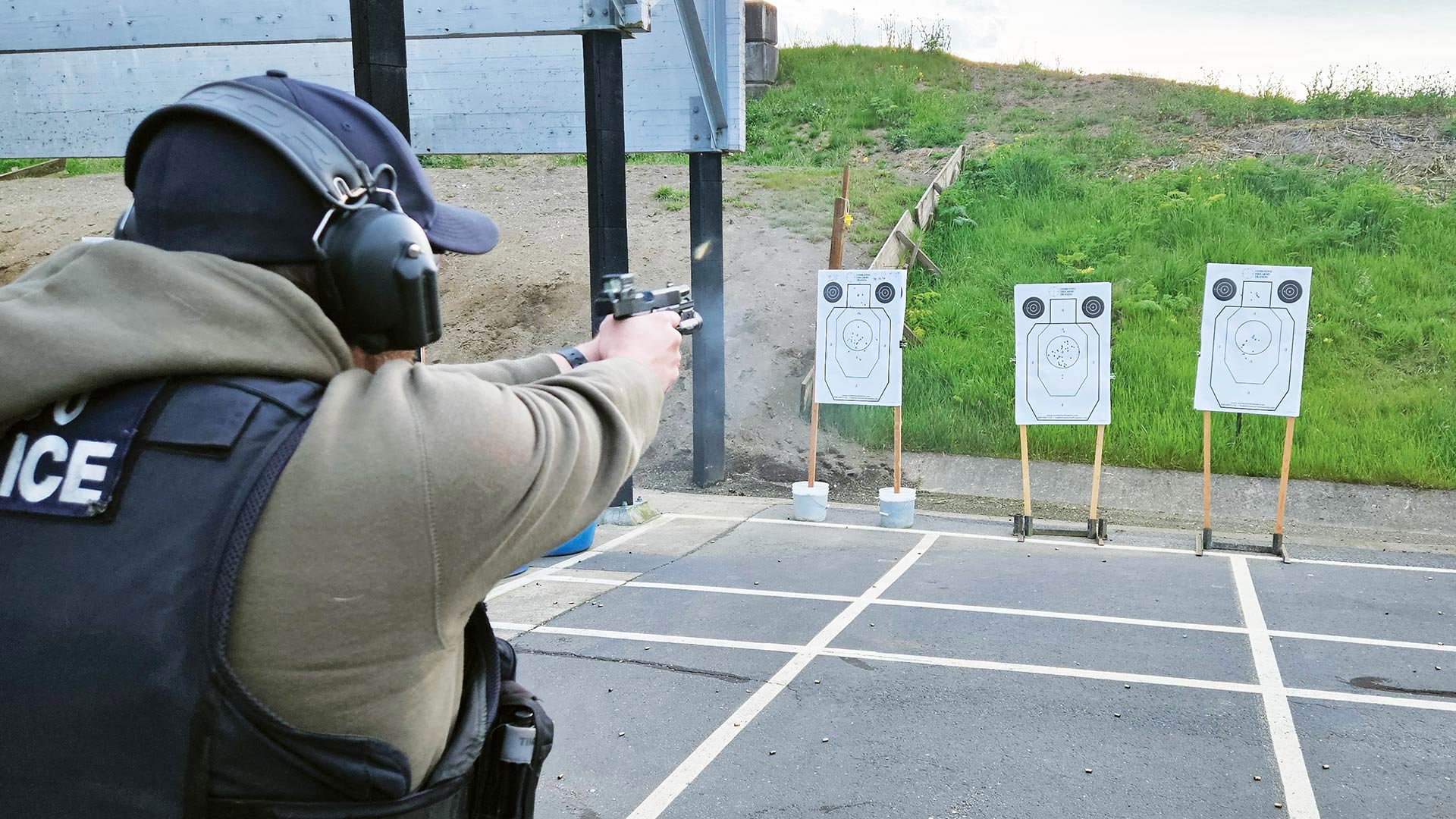
If you only read one paragraph, read this one. The Weaver stance is bladed, with the gun-side foot back, both elbows bent and a push-pull tension between the hands. The Isosceles stance is squared to the target with both arms pushed out so they form a triangle with your chest. The Chapman (or modified Weaver) keeps the bladed feet but locks the gun arm straight like a rifle stock. The Modern Isosceles keeps the squared chest, staggers the feet slightly, drops the shoulders in front of the hips and softens the elbows. That last one is what you will see on nearly every IPSC, USPSA and Steel Challenge winner today, and it is what we recommend you build first.