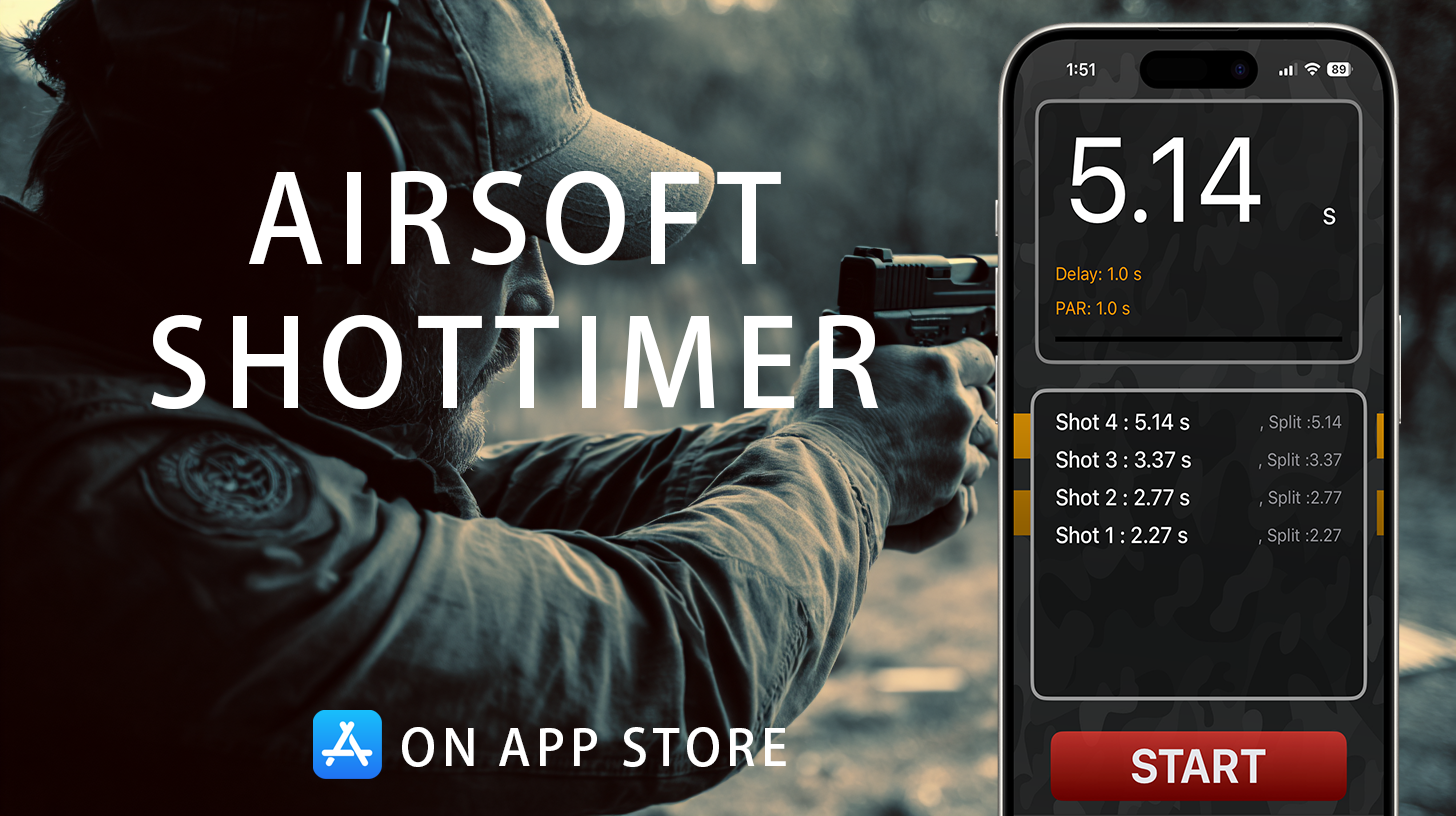
Airsoft Shot Timer is a free timer app built for airsoft players and Action Air shooters. Hardware shot timers often fail to pick up the low report of BB guns — this app is tuned specifically for gas blowback and AEG shot signatures, tracking everything from your draw to every split time. The blog below covers IPSC/IDPA training, airsoft gear, and tactics. Pair the drills with the app and watch your times drop.
The Free Shot Timer App Built for Airsoft
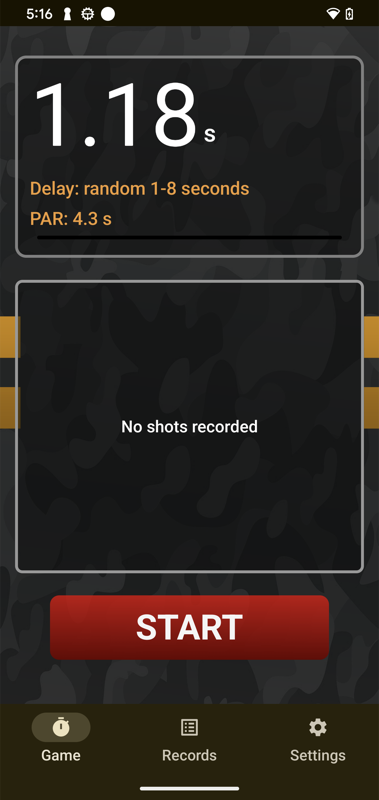
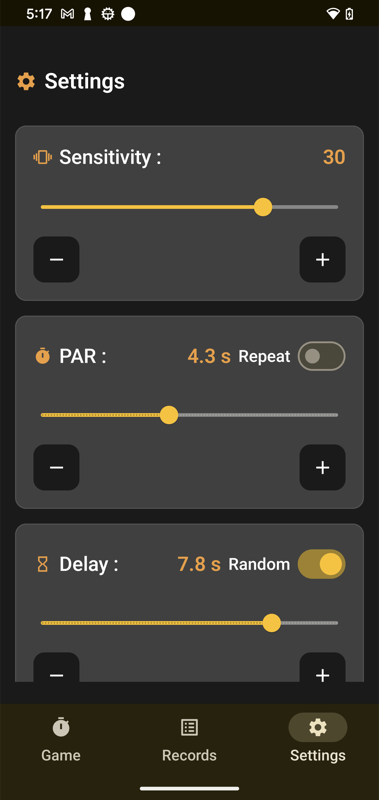
A shot timer tuned for airsoft acoustics — random start beep, automatic split times for every shot, and PAR time drills for your draw practice. Train for IPSC, IDPA, and Action Air without spending $150+ on a hardware timer. Your phone is all you need.

Smith & Wesson M&P Review 2026: Is It Still Worth Buying? All Models Ranked + What M&P Actually Stands For (M2.0, Shield Plus, Spec Series VI)
60-Second BLUF: Is the Smith & Wesson M&P Worth Buying in 2026?
Short answer: yes, and the lineup is the strongest it’s ever been. The M&P (which stands for Military & Police, a Smith & Wesson product name in continuous use since 1899) is the most credible non-Glock striker-fired pistol you can buy in 2026 — over 276 U.S. police departments run it, the 18° grip angle points more naturally than a Glock’s 22°, and the M2.0 grip texture is still the most aggressive factory finish in its class.
Springfield XD Review 2026: Is the Croatian Wonder Pistol Still Worth Buying? Complete Buyer Guide to All Models (XD, XDM, XD-S, Echelon, XD Mod.4)
60-Second BLUF: Is the Springfield XD Still Worth Buying in 2026?
Short answer: yes — but only if you pick the right variant. The classic XD/XDM Elite still earns its keep as a dual-safety striker pistol with a 1911-style grip angle and one of the cleanest factory triggers in the price bracket (META trigger on Elite models). For 2026 buyers, however, the smart money is shifting toward the Echelon family — especially the brand-new Echelon 4.0FC (full-size frame + compact slide, announced as a 2026 carry pistol) and the Echelon 4.0C Comp. At EnforceTac 2026 Springfield also confirmed the XD Mod.4, a refresh of the original duty-size XD that finally brings optics-cut slides and the META trigger down to the entry-level XD tier.
HK VP9 Complete Guide: German Premium Striker-Fired Pistol & Training Guide
HK VP9 Introduction
The HK VP9 (known as SFP9 in Europe and Canada) is a polymer-framed striker-fired handgun released by legendary German manufacturer Heckler & Koch (HK) in 2014. VP stands for “Volkspistole” (People’s Pistol), and 9 represents the 9mm caliber. This pistol is widely recognized as “one of the best out-of-the-box striker-fired pistols,” renowned for its exceptional trigger quality, outstanding ergonomics, and German craftsmanship.
IPSC Range Commands 2026: All 8 Official Commands, the 1-4 Second Standby Rule & Your First Match
🎯 The 60-Second Answer
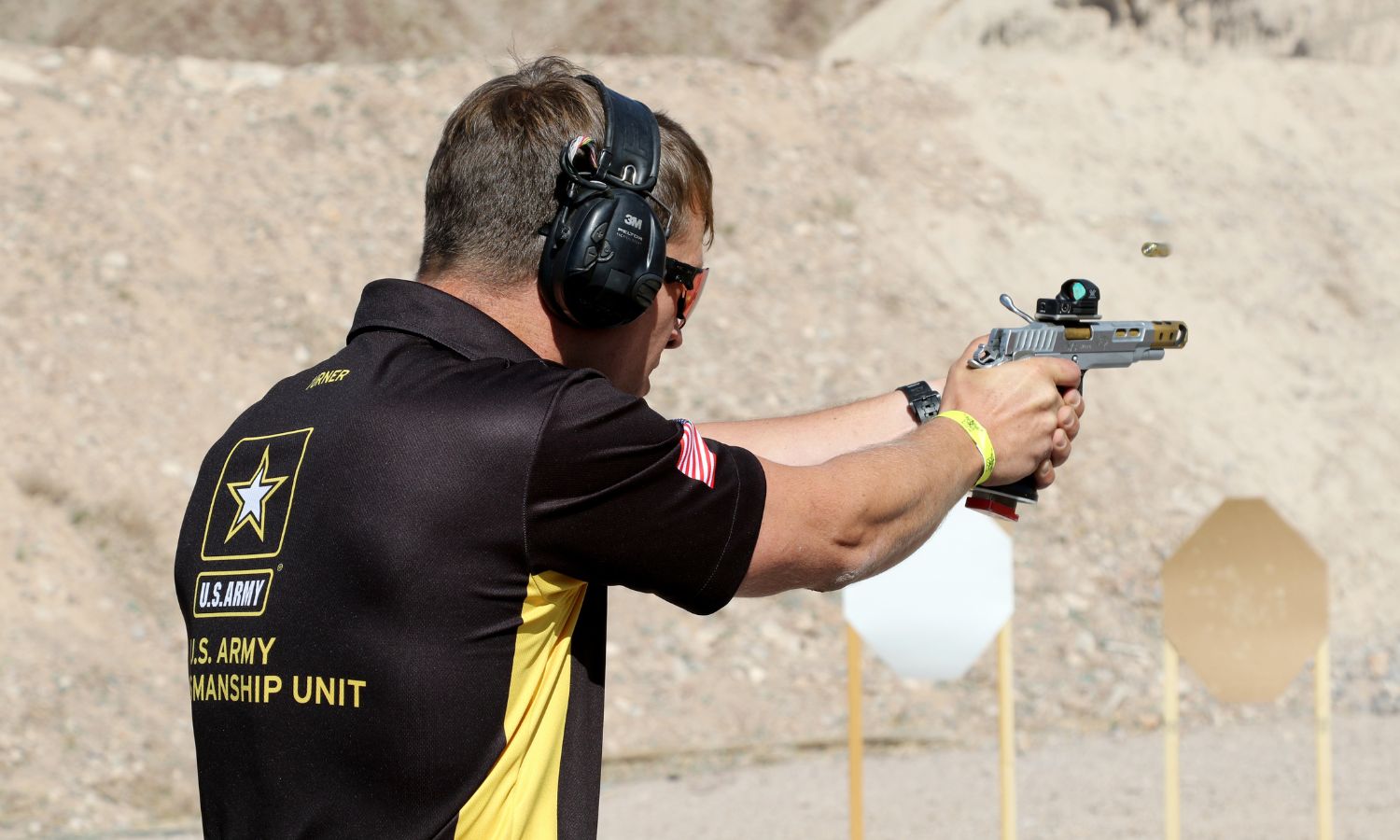
The eight official IPSC range commands, in order (Section 8.3, IPSC Handgun Competition Rules, January 2026 Edition):
- “Load And Make Ready” — or just “Make Ready” if the stage starts unloaded (8.3.1)
- “Are You Ready?” — silence means yes; say “Not Ready” if it is not (8.3.2)
- “Standby” — one word, and the beep follows within 1 to 4 seconds (8.3.3)
- “Start Signal” — the beep itself is an official command (8.3.4)
- “Stop” — any RO on the stage, at any time (8.3.5)
- “If You Are Finished, Unload And Show Clear” (8.3.6)
- “If Clear, Hammer Down, Holster” (8.3.7)
- “Range Is Clear” — nobody moves downrange before this (8.3.8)
Three things that will cost you: creeping after “Standby” is 1 procedural penalty under Rule 10.2.6. Reacting to the beep and then stopping without an official time recorded gives you zero time and zero score for the stage (8.3.4.2). And only the RO’s timing device counts as your official time (9.10.1) — your own timer never does.
Walther PDP Review 2026: Best Striker-Fired Pistol? Complete Guide to All Models (Pro, F-Series, Match)
Walther PDP Overview
The Walther PDP (Performance Duty Pistol) is a revolutionary striker-fired handgun released by the legendary German firearms manufacturer Walther in 2021. As the evolution of the iconic PPQ series, the PDP combines a world-class trigger system, exceptional ergonomics, and high modularity, earning its reputation as “the best striker-fired pistol out of the box.” Five years in, the lineup has expanded to six core variants (Compact, Full Size, Pro, Match, F-Series, Steel Frame) — and choosing the right one for 2026 is where most buyers stumble.
Pistol Reload Times 2026: Average, Fast & Sub-1.5s (Speed vs Tactical)
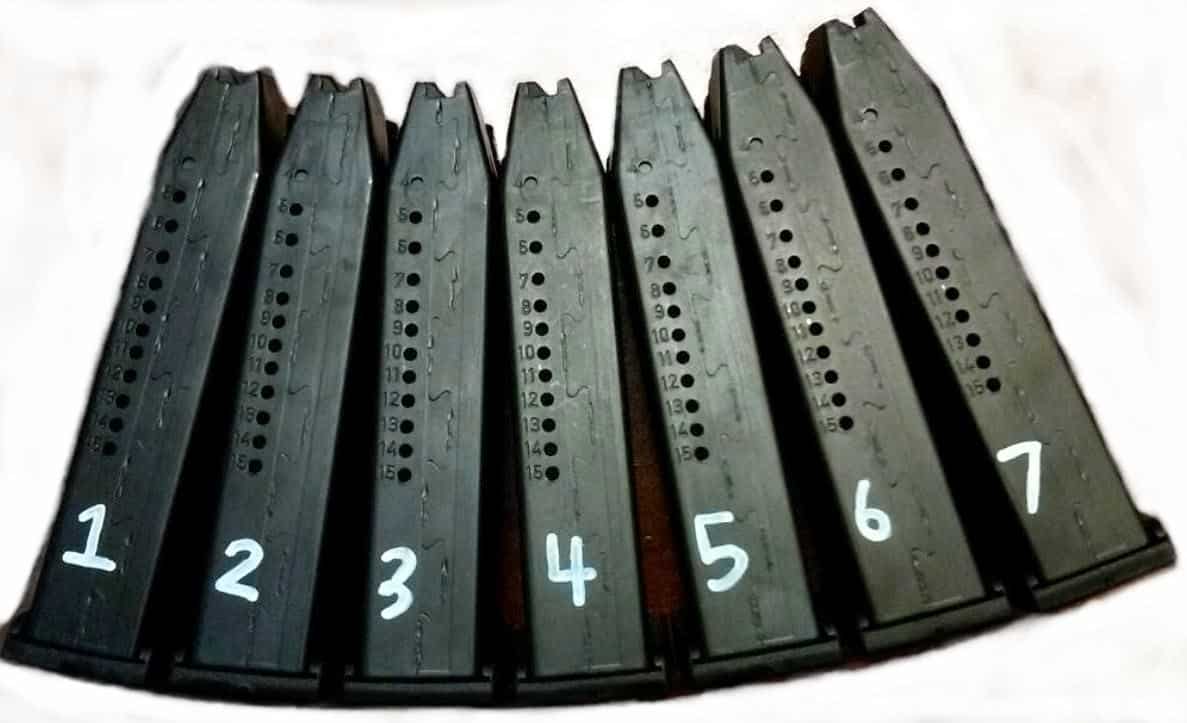
How Fast Is a Pistol Reload? Average vs Good
The honest answer almost nobody gives you: a typical shooter with a belt-mounted magazine pouch runs about 2.5 to 3 seconds from the shot that empties the gun to the shot that follows the reload. That number is not a target, it is a description — it is roughly what you get when someone who shoots a few times a year drops a magazine, finds a fresh one, and gets back on the sights. The widely repeated “under 3 seconds is a pretty good benchmark” you will find on carry forums is describing the same population, and in the competition-shooting corners of the internet people practising deliberately report averaging around 2.5 seconds from belt to shot.
IPSC Production Optics Guide: Complete Red Dot Competition Shooting Tutorial
What is IPSC Production Optics?
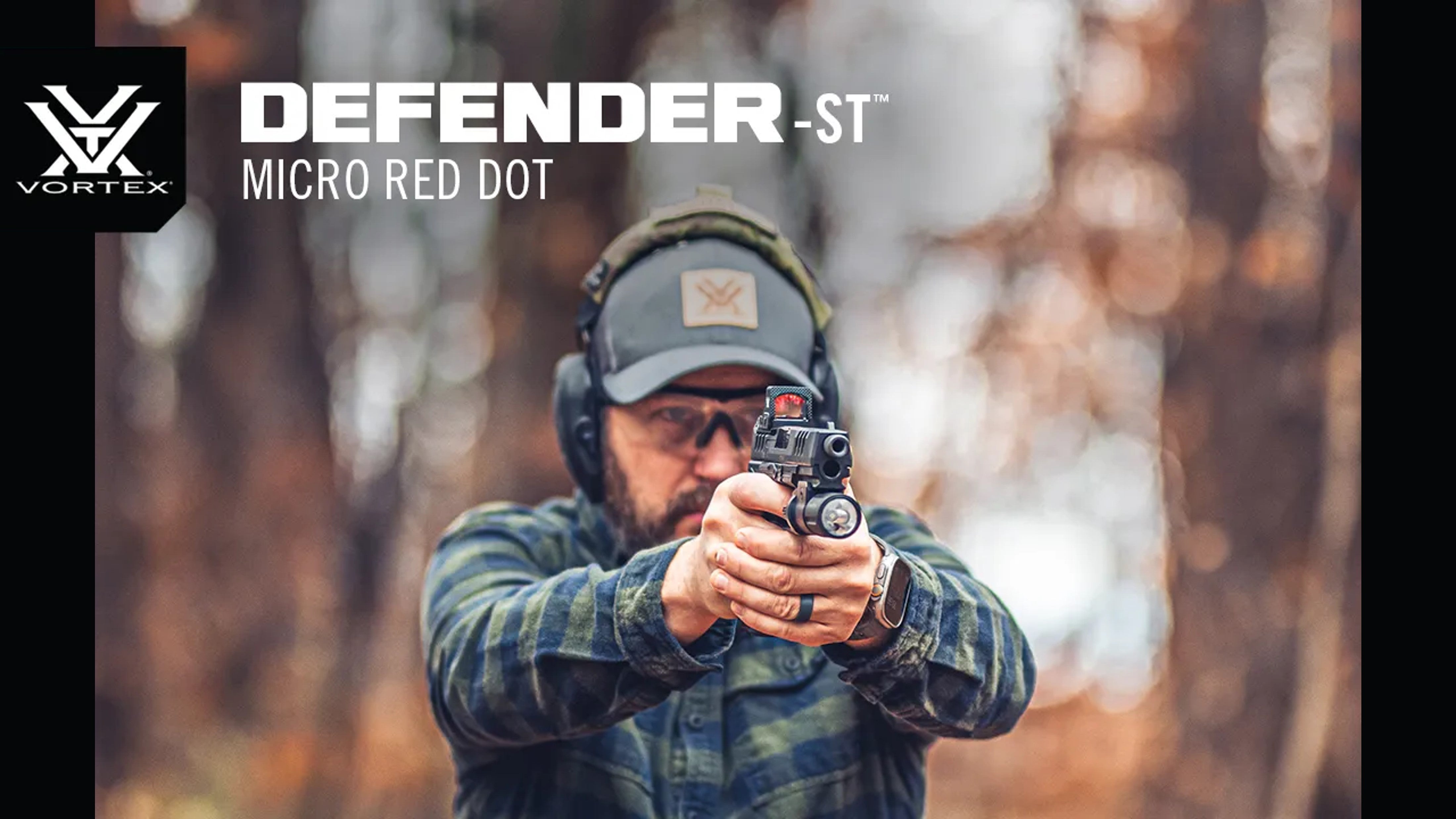
IPSC Production Optics (PO) is one of the most popular divisions in IPSC practical shooting. This division combines the handgun specifications of the Production division with the mandatory use of red dot sights, allowing shooters to enjoy the fast aiming advantages of modern optical sights while maintaining the reliability of factory pistols.
Glock 19 vs Glock 17 Complete Comparison: Size, Performance & Best Uses
Glock 19 vs Glock 17: The Ultimate Showdown of Two Classic Pistols
Within the Glock pistol family, the Glock 17 and Glock 19 are undoubtedly the two most popular models. Whether you’re law enforcement, military personnel, competitive shooter, or civilian enthusiast, these two pistols are among the top choices. But which one should you choose? This article provides an in-depth comparison from every angle to help you make the best decision.
Beretta 92FS Review 2026: Is the M9 Wonder 9 Still Worth It?
Beretta 92FS Introduction
The Beretta 92FS is a classic semi-automatic pistol manufactured by the legendary Italian firearms company Beretta. It served as the US military’s standard-issue sidearm from 1985 to 2017 (designated as the M9). This pistol has left an indelible mark on military history and remains one of the world’s most popular 9mm handguns, known for its distinctive open-slide design, exceptional reliability, and outstanding accuracy.
Dry Fire Training at Home: Do You Need a System? 6 Drills + Best Free App
Quick Start: Dry Fire Training at Home Tonight
Short on time? Here’s everything you need to start dry fire training at home today, then the full guide below.