Below you will find pages that utilize the taxonomy term “Carry Optics”
Posts
read more
USPSA Divisions Explained 2026: All 8 Divisions, Capacity Rules & Which One Your Gun Already Fits
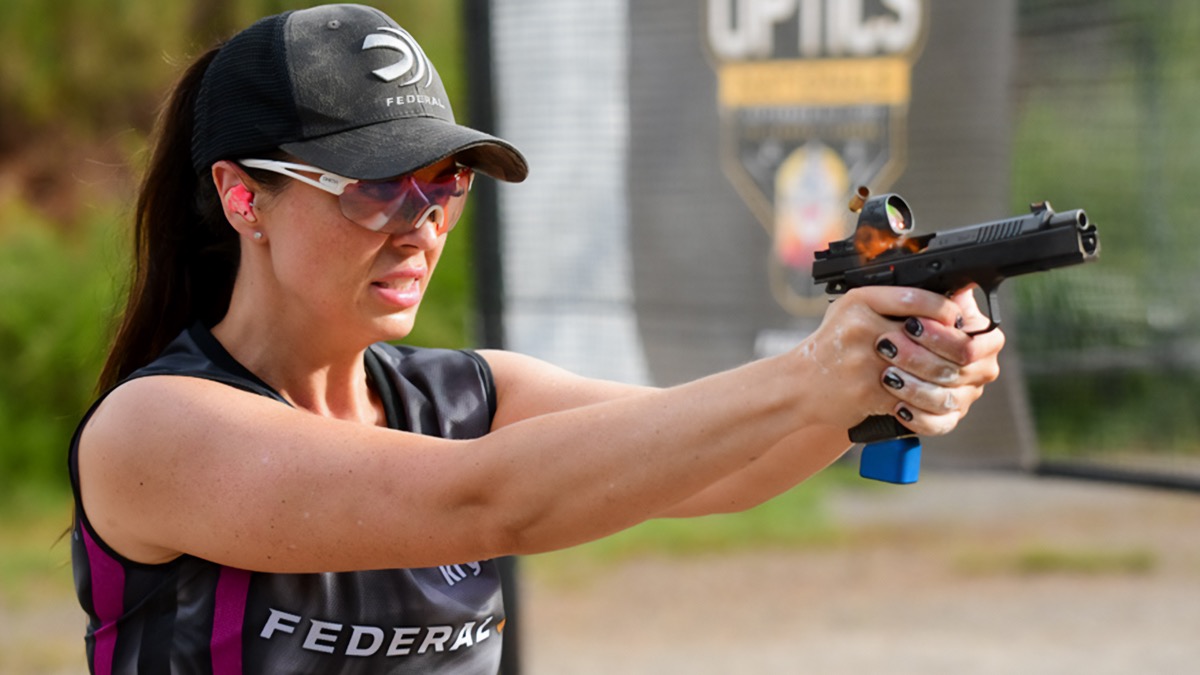
USPSA Divisions in 60 Seconds (BLUF)
Short answer: USPSA runs eight divisions — Carry Optics, Limited Optics, Open, Limited, Production, Single Stack, Revolver and PCC — and the gun already in your safe decides most of it for you. Stock striker-fired 9mm with a slide-mounted red dot → Carry Optics. A 2011, or any pistol wearing a flared magwell, with a red dot → Limited Optics. Anything with a compensator or a frame-mounted optic → Open, whether you wanted that or not. Iron sights on a duty pistol → Production (15 rounds loaded) or Limited. A .45 1911 → Single Stack. A wheelgun → Revolver. A 9mm carbine → PCC.
Posts
read more
IDPA 5x5 Classifier 2026: Full Times Chart by Division, Par Times & Every Way to Make Your Class
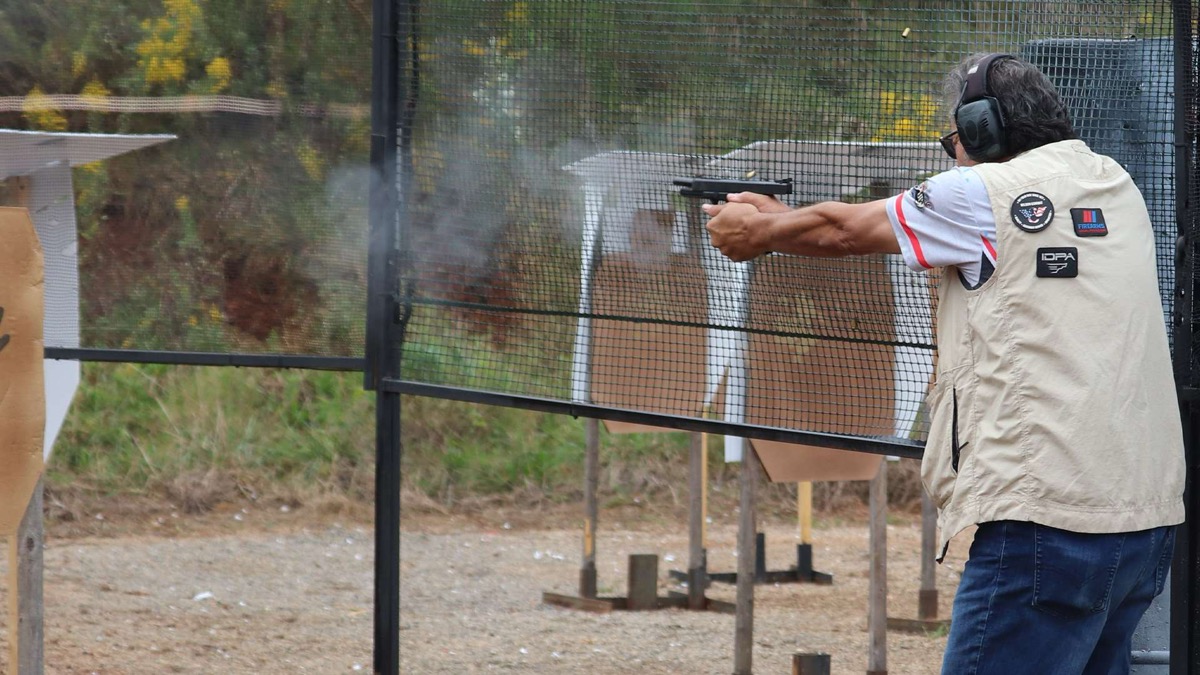
The IDPA classifier in 60 seconds (BLUF)
- What it is: A standardized skills test that sorts you into a class. Most clubs now use the 5x5 classifier — 25 rounds, four strings, one target at 10 yards, no concealment required.
- How it’s scored: Your final number is raw time + points down (1 second each) + penalties. Lower is better. Unlike USPSA’s hit factor, in IDPA your time is your score.
- The classes: Master (MA), Expert (EX), Sharpshooter (SS), Marksman (MM), Novice (NV) — set by hard time brackets that differ by division. Jump to the full times chart for all eight divisions ↓
- Three official methods: the abbreviated 5x5, the three-stage 72-round standard classifier, and a separate PCC classifier — plus a fourth route that isn’t a classifier at all, the match bump.
- You’re classified per division: you must shoot the classifier in a division to hold a class in it.
- The fastest way to move up: work out the four par times your target class actually requires, then drill the draw, the strong-hand string and the slide-lock reload against them with a free Airsoft Shot Timer app — every tenth you save is a tenth off your classifier.
There’s a particular kind of quiet that falls over a bay when the safety officer says “this is the classifier.” Everybody who was joking around two minutes ago suddenly gets serious, because this is the one stage of the day that follows you home. Your fun-stage hits stay at the club; your classifier time goes into the IDPA database and decides whether you’re a Sharpshooter or an Expert for the next year. This guide walks through exactly what that test is, how a stopwatch number turns into a class, what the current standards are, and — the part most people skip — how to actually train for it without burning a case of ammo.
Posts
read more
USPSA Classifier Guide 2026: The New 26 Series, Hit Factor & Classes
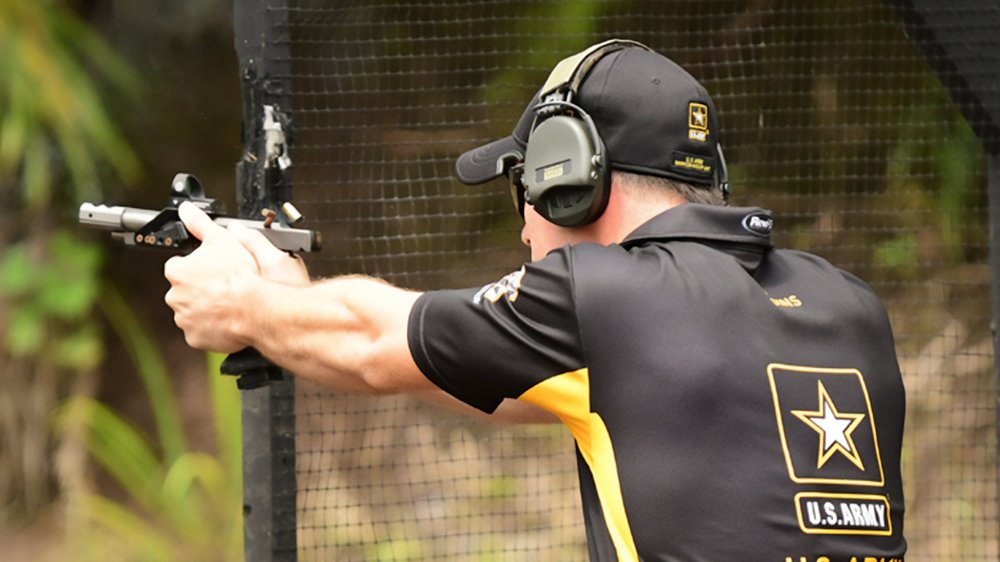
USPSA classifiers in 60 seconds (BLUF)
- What it is: A classifier is a short, standardized course of fire you shoot at a local match. Your raw score becomes a hit factor (points ÷ time), and that hit factor is compared against USPSA’s benchmark for that stage to produce a percentage.
- How you get classified: You need four valid scores from four different classifiers in a division. After that, your class is set by the best 6 of your most recent 8 unique classifier percentages.
- The classes: Grand Master (95%+), Master, A, B, C, D — each division is scored separately, so you can be A-class in Production and C-class in Open.
- What changed in 2025: USPSA removed the old B/C/D flags, started averaging same-day attempts, and released the new 25-Series classifier stages. More on that below.
- What’s new in 2026: the 26 Series — five provisional stages (King Crab, Darwinism, Mike Who?, Uprange? Seriously, Downrange? Obviously) that clubs began running in June. They don’t count toward your class yet, but they will retroactively if the stages get adopted. Jump to the 26 Series breakdown.
- Two things no other guide tabulates: a hit factor → class chart for any HHF, and the full anatomy of the classic CM 06-03 “Can You Count”.
- The fastest way to move up: practice the exact mechanics a classifier measures — draw, splits, reloads — with a free Airsoft Shot Timer app between matches.
If you’ve shot a couple of USPSA matches, you’ve already run into classifiers — those short, oddly specific stages where everyone suddenly gets quiet and serious. And if you’ve ever logged into uspsa.org and stared at a wall of percentages, division codes and three-digit stage numbers, you’ve probably also wondered what any of it actually means for you. This guide unpacks the whole system in plain language: what a classifier is, how a stopwatch number becomes a letter grade, what the 2025 overhaul changed, and how to nudge your percentage upward without gaming it.
Posts
read more
IDPA vs USPSA 2026: Scoring, Reloads & Stage Design - Which One Should You Shoot First?
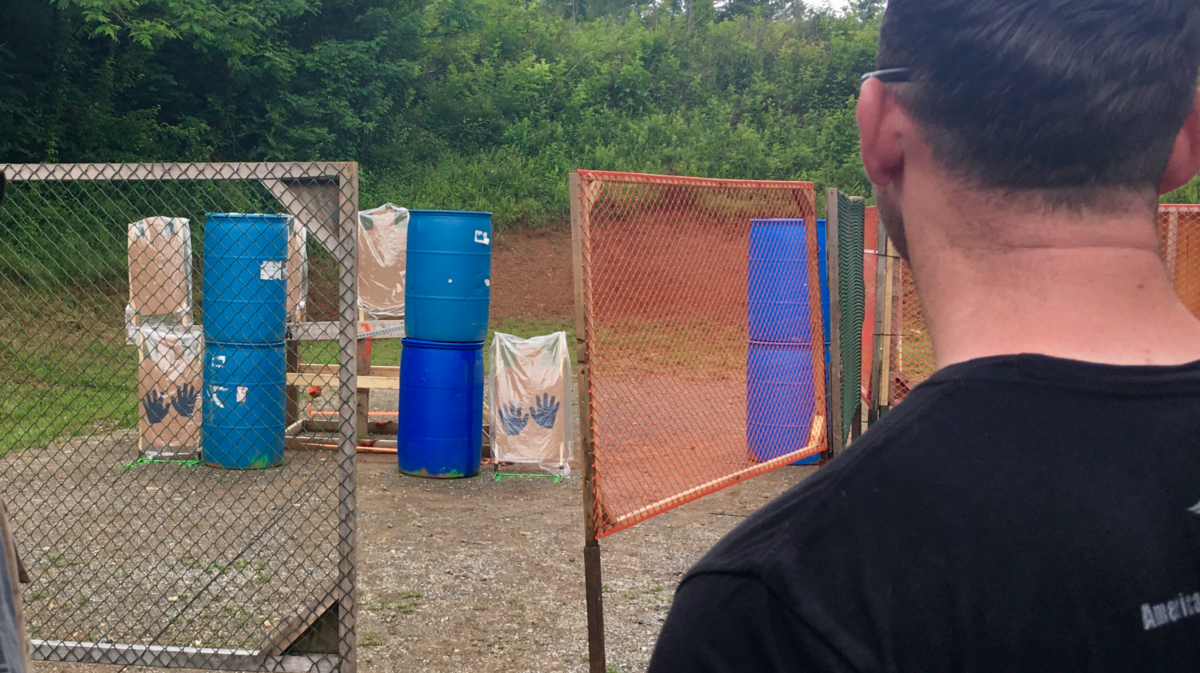
🎯 IDPA vs USPSA in 60 seconds: They differ on four things that actually matter. Scoring — IDPA adds penalty seconds to your raw time, so a hit outside the down-zero zone costs a full second; USPSA divides points by time (hit factor), so a slightly worse hit can still be the right trade. Stage freedom — IDPA tells you the engagement order (tactical priority, cover, fault lines); USPSA lets you plan the stage yourself. Reloads — IDPA won’t let you drop a magazine with rounds still in it, USPSA will, and that one rule makes them different skills. Cost — IDPA caps every string at 18 rounds and keeps 75% of a match’s shots inside 15 yards, so a local match runs lighter on ammunition (roughly $10-20 less), while the annual memberships are almost the same price: $60 for IDPA, $65 for USPSA. Which first? If you carry daily and want the concealment draw, start with IDPA. If you want raw speed and problem-solving, start with USPSA. Either way, the thing that improves fastest between matches is measured draw and reload time — a free shot timer app turns “I felt fast” into a number you can beat. Full breakdown below.
Posts
read more
Best Pistol Red Dot Sights 2026: Holosun vs Trijicon + How to Find the Dot Fast
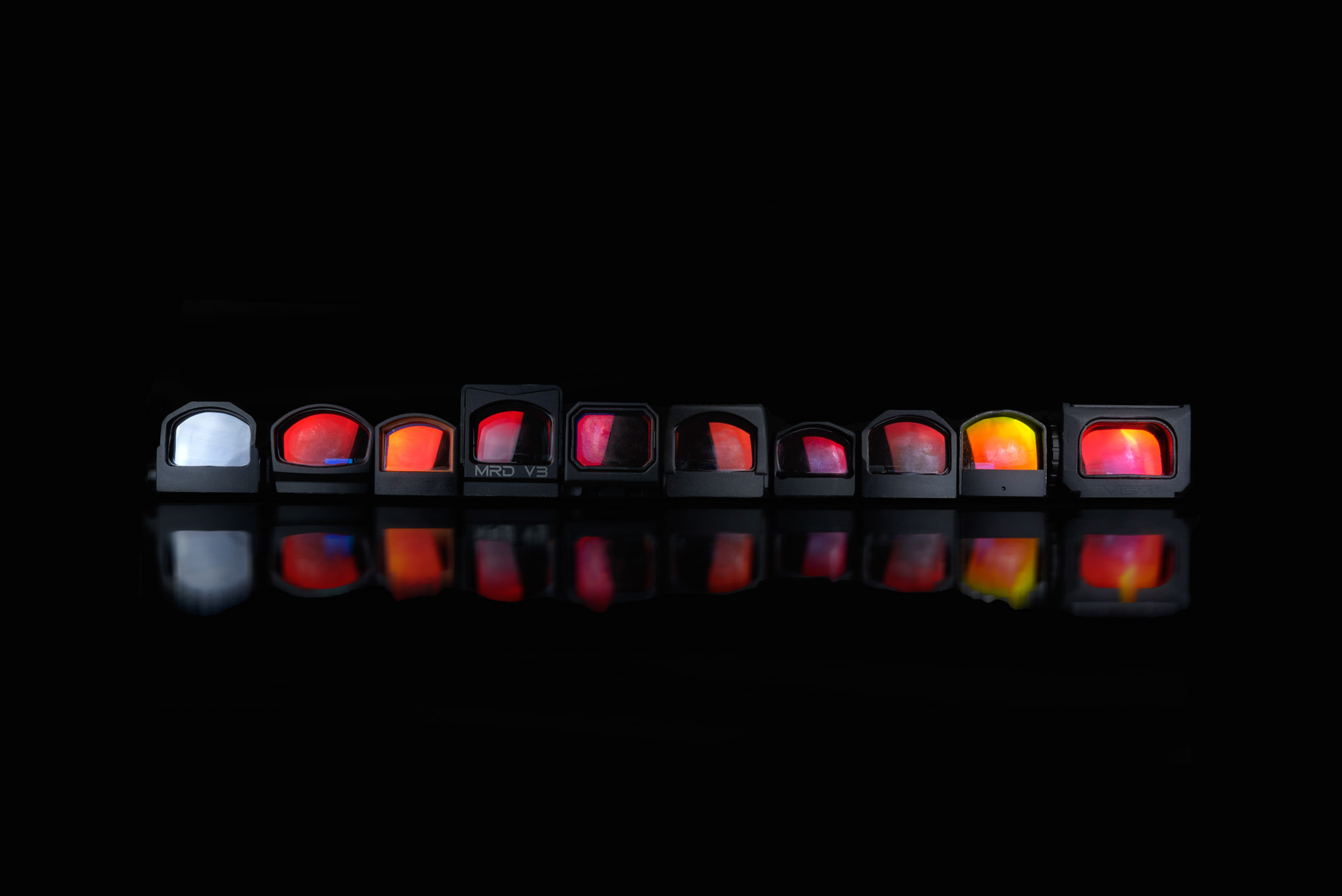
Why Red Dot Sights Are Changing Pistol Shooting
Over the past decade, pistol red dot sights (RDS) have evolved from exclusive competition gear to standard equipment for mainstream shooters. Whether for IPSC/IDPA competition, self-defense, or everyday practice, more shooters are choosing to mount red dots on their handguns.
Posts
read more
Smith & Wesson M&P Review 2026: Is It Still Worth Buying? All Models Ranked + What M&P Actually Stands For (M2.0, Shield Plus, Spec Series VI)
60-Second BLUF: Is the Smith & Wesson M&P Worth Buying in 2026?
Short answer: yes, and the lineup is the strongest it’s ever been. The M&P (which stands for Military & Police, a Smith & Wesson product name in continuous use since 1899) is the most credible non-Glock striker-fired pistol you can buy in 2026 — over 276 U.S. police departments run it, the 18° grip angle points more naturally than a Glock’s 22°, and the M2.0 grip texture is still the most aggressive factory finish in its class.
Posts
read more
Walther PDP Review 2026: Best Striker-Fired Pistol? Complete Guide to All Models (Pro, F-Series, Match)
Walther PDP Overview
The Walther PDP (Performance Duty Pistol) is a revolutionary striker-fired handgun released by the legendary German firearms manufacturer Walther in 2021. As the evolution of the iconic PPQ series, the PDP combines a world-class trigger system, exceptional ergonomics, and high modularity, earning its reputation as “the best striker-fired pistol out of the box.” Five years in, the lineup has expanded to six core variants (Compact, Full Size, Pro, Match, F-Series, Steel Frame) — and choosing the right one for 2026 is where most buyers stumble.
Posts
read more
CZ Shadow 2 Review 2026: Best IPSC Production Pistol & Setup
60-Second BLUF: Is the CZ Shadow 2 Worth Buying in 2026?
Short answer: yes, the CZ Shadow 2 is still the benchmark pistol for IPSC/USPSA Production division in 2026 — and it has quietly become the most versatile platform in the class. The same family now runs Production, Standard, Production Optics, Carry Optics, and Precision Bullseye depending on which variant you pick (Standard, OR, Orange, Target 6, Carry, Compact). The legendary SA/DA trigger, 1,280 g all-steel frame, and CZ 75 slide-inside-frame architecture deliver the lowest bore axis and most stable platform in its price tier ($1,200–$2,000), and unlike striker-fired rivals it lets you train Production and Carry Optics from the same gun with minor configuration changes.