Below you will find pages that utilize the taxonomy term “USPSA Classification”
Posts
read more
USPSA Classifier Guide 2026: The New 26 Series, Hit Factor & Classes
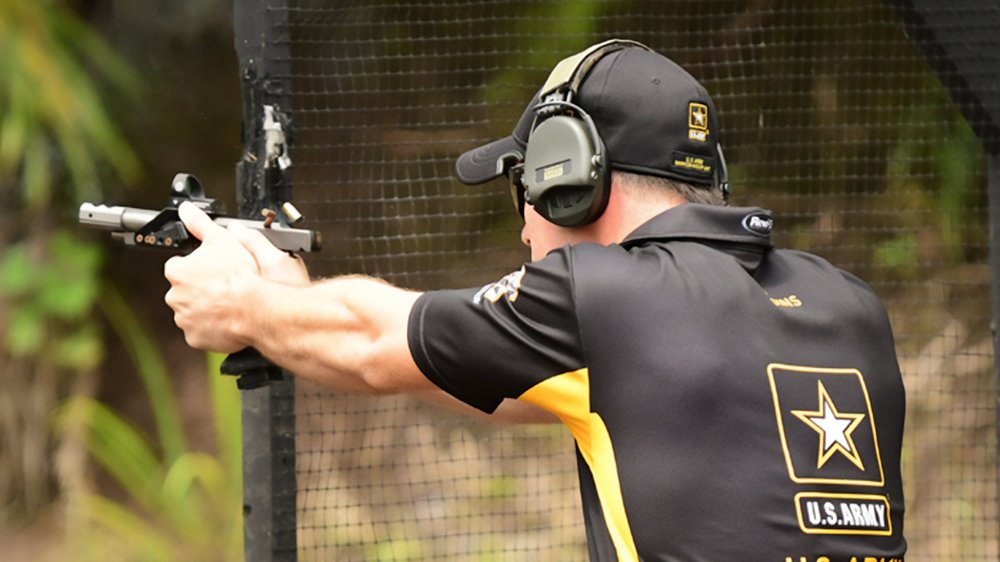
USPSA classifiers in 60 seconds (BLUF)
- What it is: A classifier is a short, standardized course of fire you shoot at a local match. Your raw score becomes a hit factor (points ÷ time), and that hit factor is compared against USPSA’s benchmark for that stage to produce a percentage.
- How you get classified: You need four valid scores from four different classifiers in a division. After that, your class is set by the best 6 of your most recent 8 unique classifier percentages.
- The classes: Grand Master (95%+), Master, A, B, C, D — each division is scored separately, so you can be A-class in Production and C-class in Open.
- What changed in 2025: USPSA removed the old B/C/D flags, started averaging same-day attempts, and released the new 25-Series classifier stages. More on that below.
- What’s new in 2026: the 26 Series — five provisional stages (King Crab, Darwinism, Mike Who?, Uprange? Seriously, Downrange? Obviously) that clubs began running in June. They don’t count toward your class yet, but they will retroactively if the stages get adopted. Jump to the 26 Series breakdown.
- Two things no other guide tabulates: a hit factor → class chart for any HHF, and the full anatomy of the classic CM 06-03 “Can You Count”.
- The fastest way to move up: practice the exact mechanics a classifier measures — draw, splits, reloads — with a free Airsoft Shot Timer app between matches.
If you’ve shot a couple of USPSA matches, you’ve already run into classifiers — those short, oddly specific stages where everyone suddenly gets quiet and serious. And if you’ve ever logged into uspsa.org and stared at a wall of percentages, division codes and three-digit stage numbers, you’ve probably also wondered what any of it actually means for you. This guide unpacks the whole system in plain language: what a classifier is, how a stopwatch number becomes a letter grade, what the 2025 overhaul changed, and how to nudge your percentage upward without gaming it.
Posts
read more
IPSC Classification 2026: 6 Classes, 28 Classifier Stages & How to Rank Up
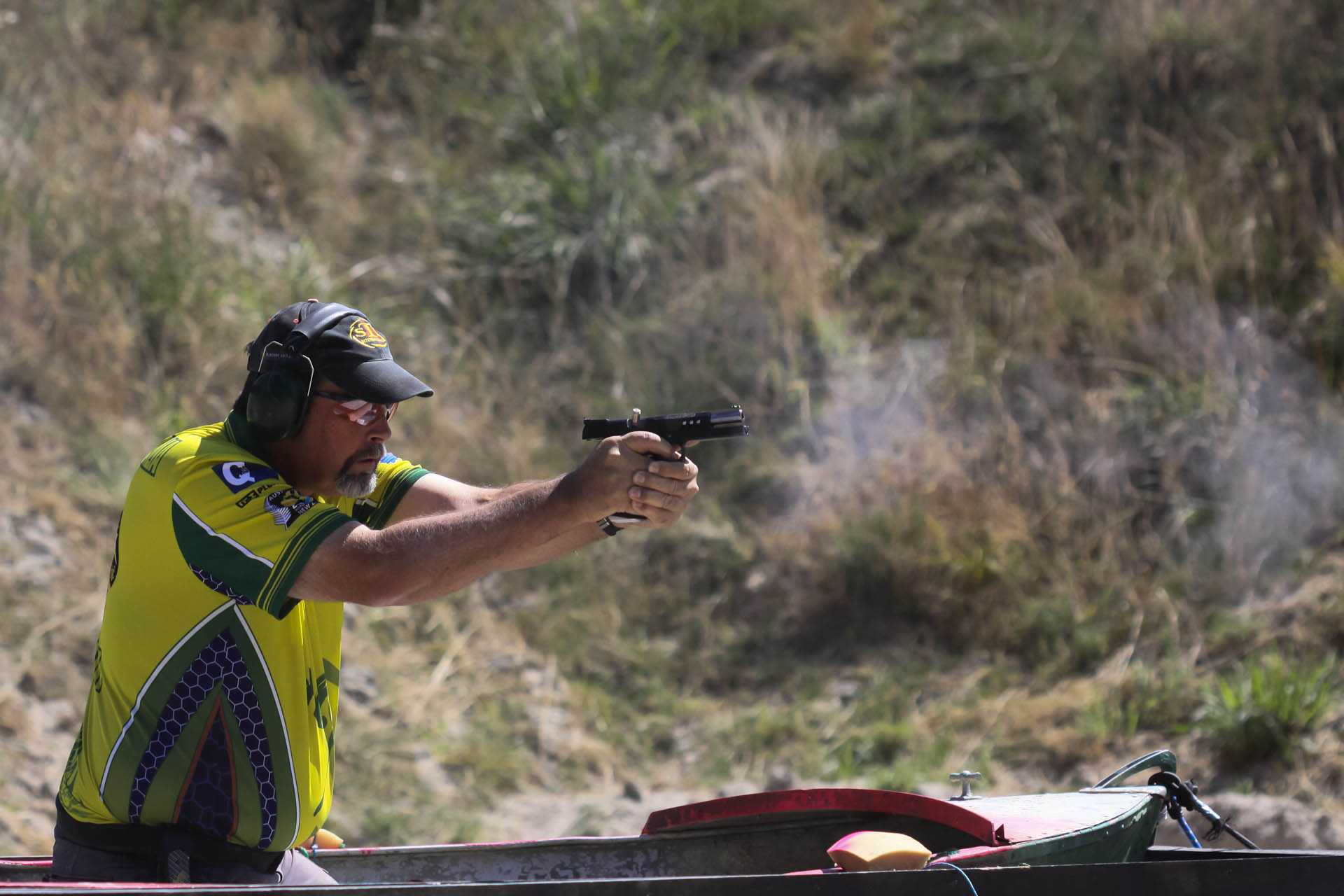
IPSC Classification Explained in 60 Seconds (BLUF)
Short answer: IPSC ranks shooters into six classes — Grand Master (95%+), Master (85–94.9%), A (75–84.9%), B (60–74.9%), C (40–59.9%), and D (under 40%). The percentage is calculated against the highest hit factor ever recorded on a standardized Classifier Stage (CLS). You need a minimum of four CLS scores to get an initial class, and after that your classification is recalculated from the best 4 of your most recent 8 results. To keep your class active, you must shoot at least one classifier match or two CLS stages each calendar year, and your class is division-specific — being an A-class in Production doesn’t make you A-class in Open.
Posts
read more
USPSA Beginner Guide 2026: Hit Factor Scoring, Classification & Your First Match Checklist
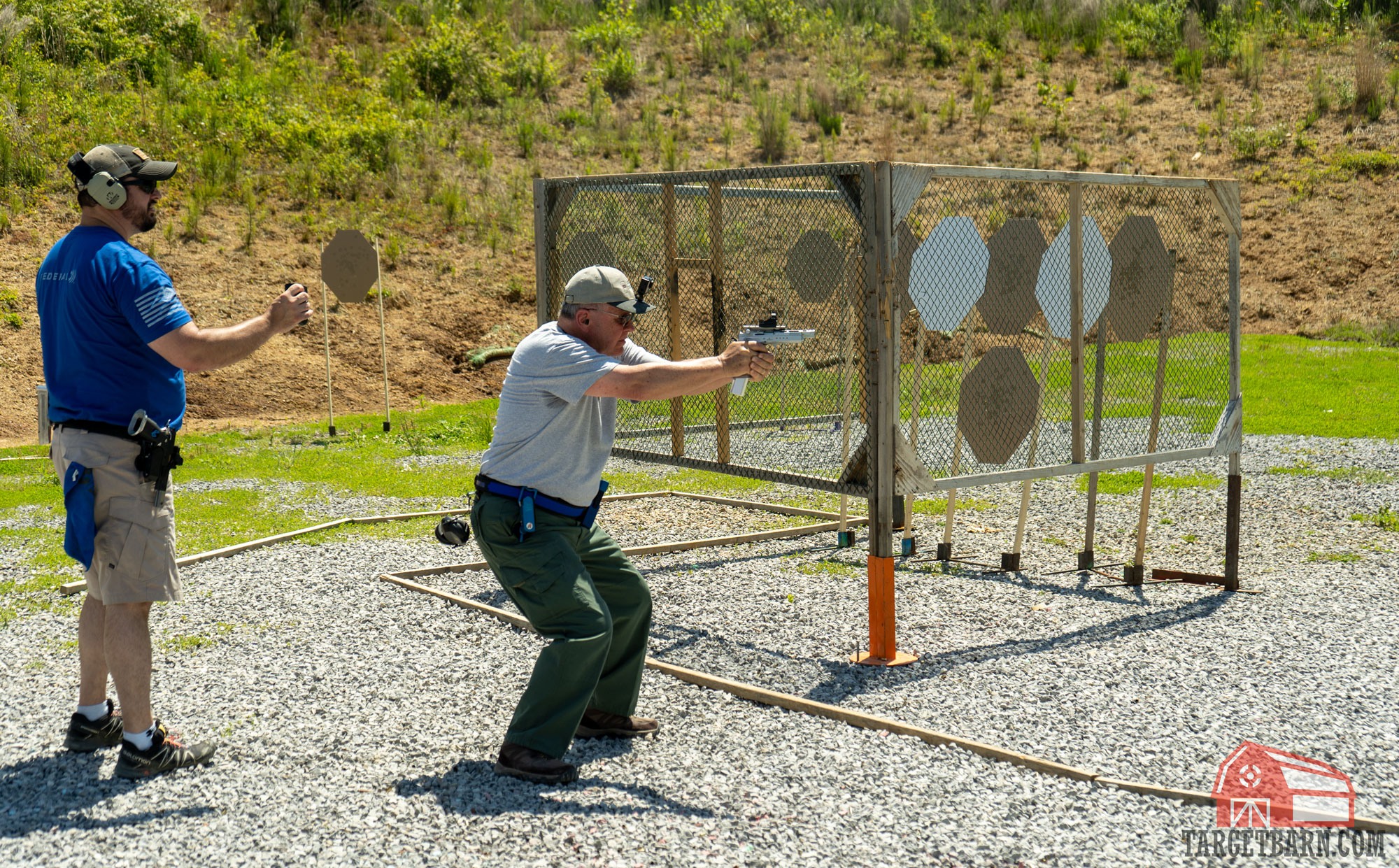
What Is USPSA?
If you’re in North America and interested in competitive shooting, USPSA (United States Practical Shooting Association) is almost impossible to avoid. As the U.S. affiliate of IPSC (International Practical Shooting Confederation), USPSA is the largest and most active practical shooting platform in North America, with hundreds of local matches held across the country every week.