Below you will find pages that utilize the taxonomy term “IDPA Rules 2026”
Posts
read more
IDPA Divisions Explained 2026: All 8 Rules, Quick Picker
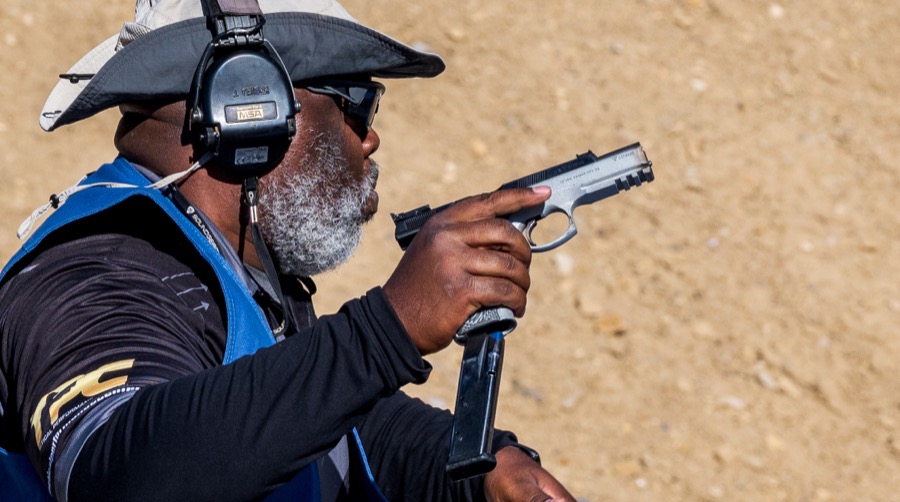
IDPA Divisions Explained in 60 Seconds (BLUF)
Short answer: IDPA has 8 divisions, and the right one depends on the gun already in your safe. Full-size 9mm like a Glock 17 or M&P 2.0 → SSP. Same gun with a red dot → CO. Compact carry like a Glock 19 or P365XL → CCP. CZ Shadow 2, 1911 in 9mm, or heavily modified Glock → ESP. 1911 in .45 → CDP. Revolver → REV. Pocket 9mm like a SIG P365 → BUG (now 8+1, .380 is out as of 2026). 9mm carbine with a 10"+ barrel → PCC. If you’re new and own one 9mm pistol, default to SSP, CO, or CCP — lowest cost, biggest beginner pool, easiest to learn in.
Posts
read more
IDPA Rules 2026: Scoring, Penalty Seconds & Power Factor by Division
IDPA Rules 2026 in 60 Seconds (BLUF)
Short answer: IDPA scores you on raw time plus penalty seconds — lowest total wins. Hits in the centre -0 zone add nothing, -1 adds one second each, -3 adds three, and a miss is five. The 2026 rulebook calls the two scoring methods Unlimited Scoring (best hits count, extra shots allowed) and Limited Scoring (extra shots get punished) — the old “Vickers Count” and “Limited Vickers” names are gone from the book, though everyone at the range still says them. You must use cover when offered, engage near-to-far (Tactical Priority), reload behind cover, and wear a concealment garment that hides your entire rig with arms outstretched. Procedural errors are 3 seconds, Flagrant Penalties 10 seconds, FTDR 20 seconds, hits on a non-threat 5 seconds, and safety violations (sweeping a muzzle, dropping a loaded gun, AD) are an immediate DQ.
Posts
read more
IDPA vs USPSA 2026: Scoring, Reloads & Stage Design - Which One Should You Shoot First?
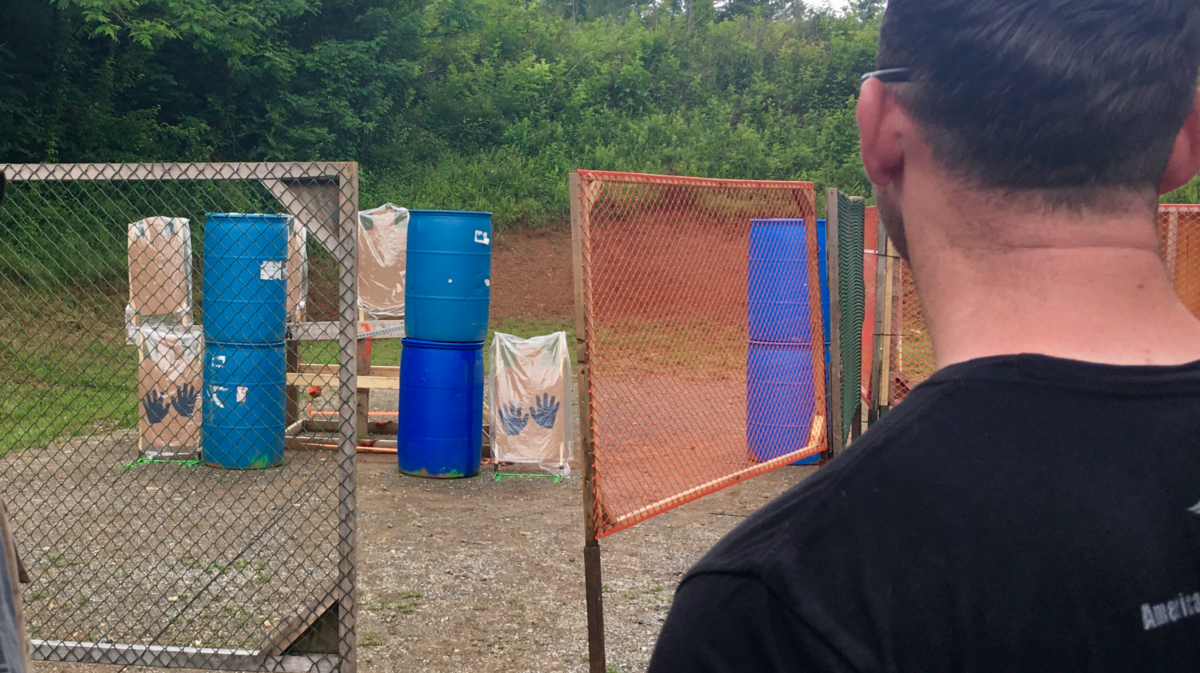
🎯 IDPA vs USPSA in 60 seconds: They differ on four things that actually matter. Scoring — IDPA adds penalty seconds to your raw time, so a hit outside the down-zero zone costs a full second; USPSA divides points by time (hit factor), so a slightly worse hit can still be the right trade. Stage freedom — IDPA tells you the engagement order (tactical priority, cover, fault lines); USPSA lets you plan the stage yourself. Reloads — IDPA won’t let you drop a magazine with rounds still in it, USPSA will, and that one rule makes them different skills. Cost — IDPA caps every string at 18 rounds and keeps 75% of a match’s shots inside 15 yards, so a local match runs lighter on ammunition (roughly $10-20 less), while the annual memberships are almost the same price: $60 for IDPA, $65 for USPSA. Which first? If you carry daily and want the concealment draw, start with IDPA. If you want raw speed and problem-solving, start with USPSA. Either way, the thing that improves fastest between matches is measured draw and reload time — a free shot timer app turns “I felt fast” into a number you can beat. Full breakdown below.