Below you will find pages that utilize the taxonomy term “Glock”
Posts
read more
Does Airsoft Help With Real Gun Training? 7 Skills, 6 Bad Habits
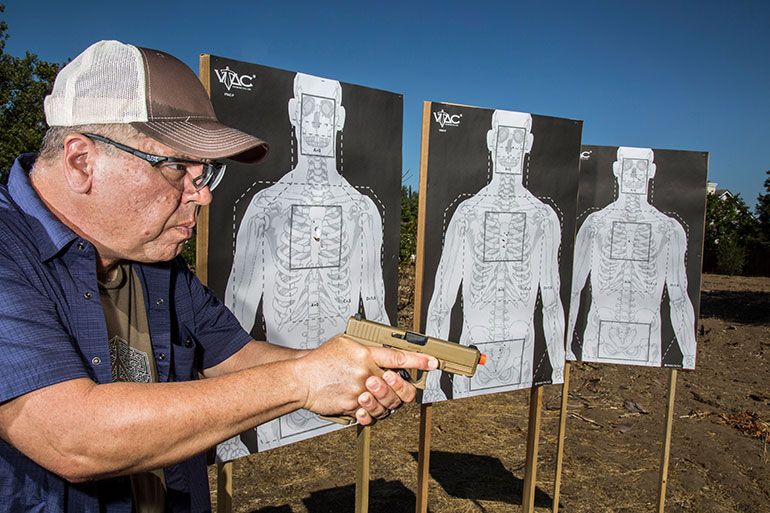
Short answer: Yes, airsoft helps with real gun training — for specific skills. Grip, draw stroke, magazine reloads, target transitions, and tactical movement transfer almost perfectly from a GBB pistol to a real firearm. Recoil management, trigger feel, and ballistics don’t transfer at all. U.S. military units and law enforcement agencies have used airsoft (and the closely related Simunition) for decades because force-on-force training is nearly impossible to replicate safely with live ammunition. The rest of this guide breaks down exactly which skills cross over, which don’t, and how to structure a training ladder that bridges the gap.
Posts
read more
Tokyo Marui Glock 17/19 Gen 5 MOS GBB Complete Guide: The Most Realistic Training Pistol
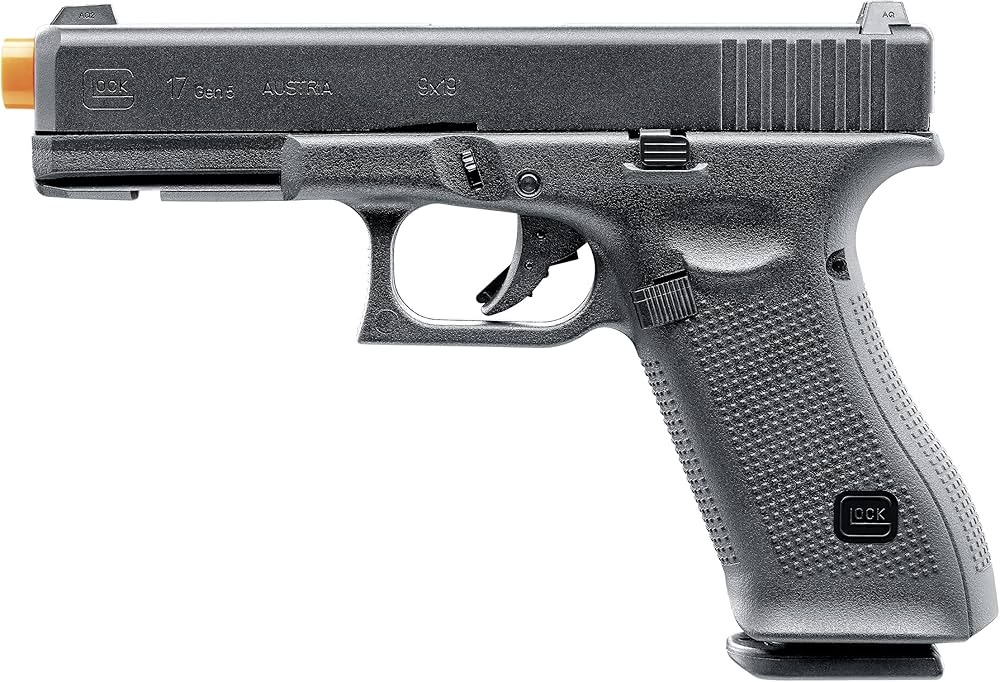
Why Choose a Tokyo Marui Glock GBB?
Ask any real-steel shooter what they use for at-home training, and there’s a good chance the answer involves a Glock GBB airsoft pistol. The reasoning is straightforward: it looks, operates, and feels almost identical to the real thing, and you can safely practice draw strokes, magazine changes, and target transitions in your living room — no range trip needed, no ammo costs.
Posts
read more
Glock Gen 6 Complete Guide: New Features, Gen 5 Comparison & Competition Impact
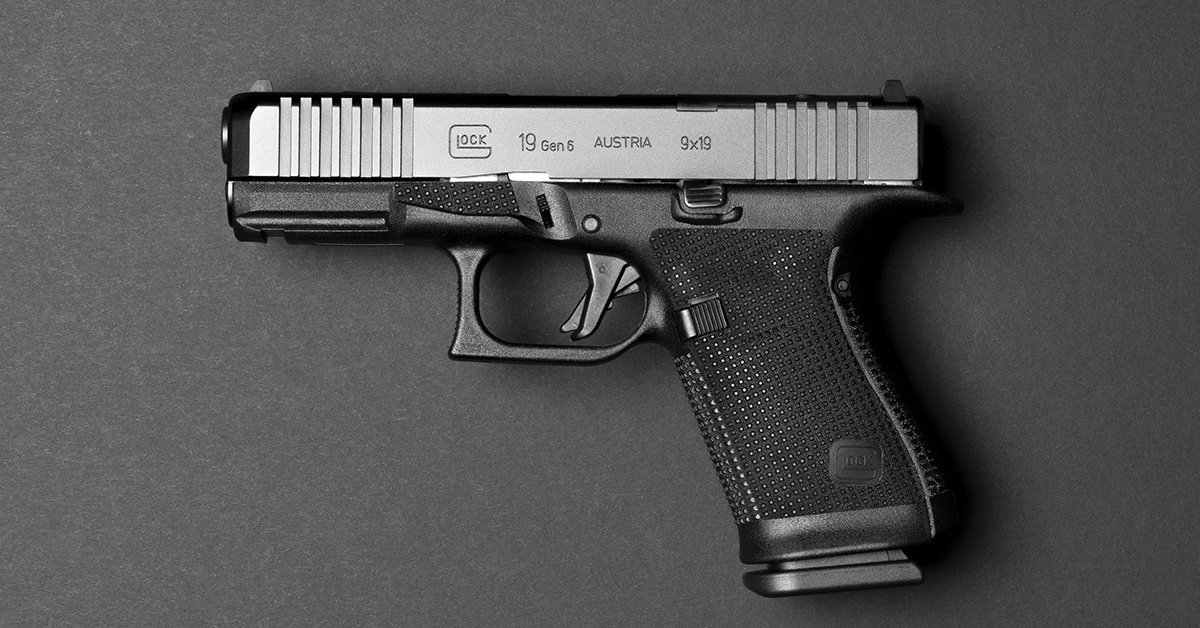
Glock Gen 6: The Most Significant Upgrade in Glock History
In December 2025, Glock officially unveiled the highly anticipated sixth-generation pistol — Glock Gen 6 — with retail availability starting January 20, 2026. This represents the most significant update since the Gen 5 launch in 2017, and many consider it the most substantial generational improvement Glock has ever made.
Posts
read more
All 37 Glock Models: Complete Number & Caliber Chart (2026)
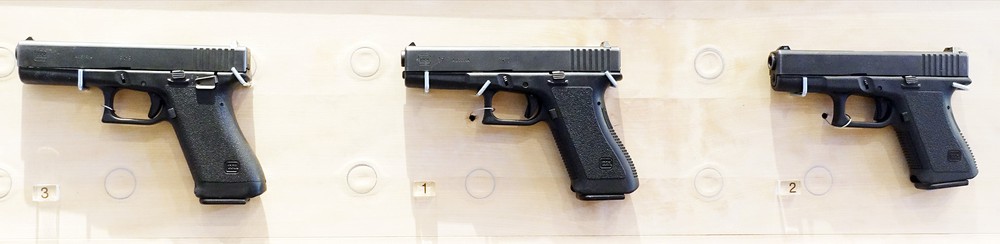
What Does the Glock Number System Actually Mean?
If you’ve ever stared at a Glock display case and wondered why there’s a Glock 17, a Glock 19, and a Glock 45 that somehow isn’t chambered in .45 — you’re in good company. The Glock number system is one of the most misunderstood naming conventions in the firearms world, and it trips up beginners and experienced shooters alike.
Posts
read more
Complete Introduction to Glock Pistols
Origin and Naming System of Glock
Glock is a pistol series developed by Austrian engineer Gaston Glock in the 1980s, renowned worldwide for its innovative polymer frame design and reliability. For those new to Glock, you might be curious about its naming convention. Why does Glock have G17, G18, G19 numbering? is a common question many people have.
Posts
read more
Glock Caliber Comparison: 9mm vs .45 ACP vs 10mm
Main Caliber Specifications Comparison
Below is a detailed comparison table of Glock’s three main calibers:
| Item | 9×19mm (9mm) | .45 ACP | 10mm Auto |
|---|---|---|---|
| Bullet Diameter (approx.) | 9.01 mm | 11.43 mm | 10.16 mm |
| Common Case Length (approx.) | 19.0 mm | 23.0 mm | 25.0 mm |
| Typical Bullet Weight (gr) | 115–147 gr | 185–230 gr | 155–200 gr |
| Typical Muzzle Velocity (fps / m/s) | Approx. 1150–1300 fps (351–396 m/s) | Approx. 800–900 fps (244–274 m/s) | Approx. 1200–1400 fps (366–427 m/s) |
| Typical Muzzle Energy (ft·lb / J) | Approx. 340–550 ft·lb (460–748 J) | Approx. 260–414 ft·lb (356–561 J) | Approx. 495–870 ft·lb (672–1180 J) |
| Typical Applications | Defense, law enforcement, competition, civilian | Traditional close-range stopping, defense (large caliber) | High energy, hunting, defense, better penetration/long-range energy |
| Advantages (Summary) | Lower recoil, high capacity, easy ammunition availability, strong versatility | High impact (wider bullet), excellent close-range stopping | High energy, flat trajectory, retains energy at longer distances |
| Disadvantages (Summary) | Penetration/stopping power in some situations depends on well-designed bullets | Capacity and recoil not conducive to rapid fire | Recoil, gun wear, and shooter control difficulty; ammunition cost/availability less than 9mm |
| Common Glock Representative Models (Original/Common) | G17 / G19 / G26 / G34 / G43X / G48 | G21 / G30 / G36 / G41 | G20 / G29 |
How to Choose the Right Caliber?
- 9mm: Best suited for beginners and daily training, cheap and readily available ammunition
- .45 ACP: Suitable for users seeking large caliber stopping power
- 10mm Auto: Suitable for situations requiring higher energy, such as hunting or wilderness self-defense
Posts
read more
Why Is It Called a Glock 17? What the Numbers and Letters Really Mean
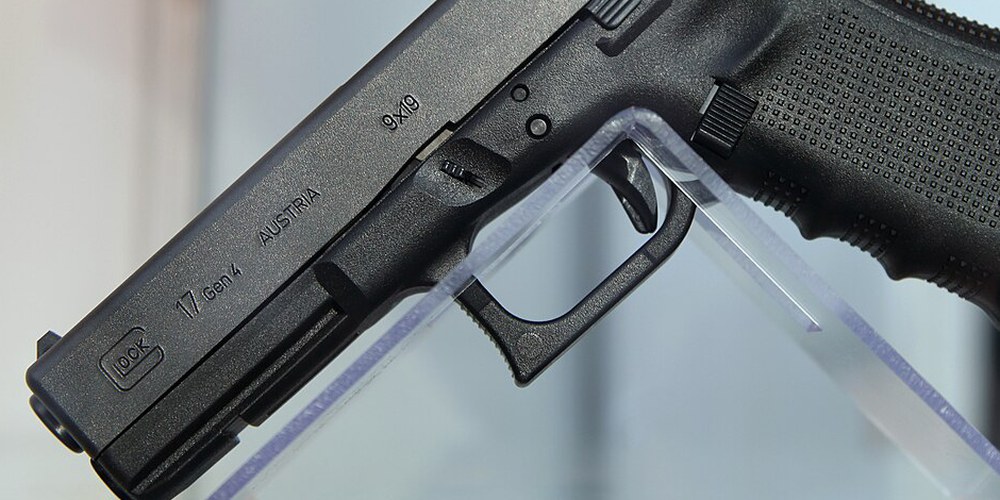
The Truth Behind Glock Numbering System
If you’ve ever wondered “What does Glock 17 mean?” or “What do the Glock numbers mean?”, you’re not alone. Many firearm enthusiasts find Glock’s numbering system confusing.
Posts
read more
Glock Gen 1-5 Overview: From Prototype to Modern Evolution
🔹 Glock Generation 1 (Gen 1)
-
Era: 1982
-
Features: Original version, simple appearance, no finger grooves, smooth grip.
-
Purpose: Established the classic polymer frame + striker-fired design.
🔹 Glock Generation 2 (Gen 2)
-
Era: Around 1988
Posts
read more
Glock Gen 1-5 Representative Models
Overview of Representative Models by Generation
-
Gen 1 (approx. 1982–1987)
- Representative: Glock 17 (the first model released, prototype of the Glock series).
-
Gen 2 (approx. 1988–1997)
- Common/models introduced or improved to Gen2 style during this period: G17 (Gen2), G18 (select-fire/auto model, released around 1987/1988), G19 (first mass-produced and popularized during this period), etc.
-
Gen 3 (approx. 1998–2009)