Below you will find pages that utilize the taxonomy term “Airsoft Battery”
Posts
read more
Airsoft Battery Guide 2026: LiPo vs NiMH, 7.4V vs 11.1V, and What mAh & C Rating Actually Do to Your AEG
The 60-second version (BLUF)
- Three numbers matter: volts, mAh and C. Voltage sets how hard the motor is pushed (trigger response and rate of fire), mAh sets how long the battery lasts, and the C rating sets how fast it can hand that energy over.
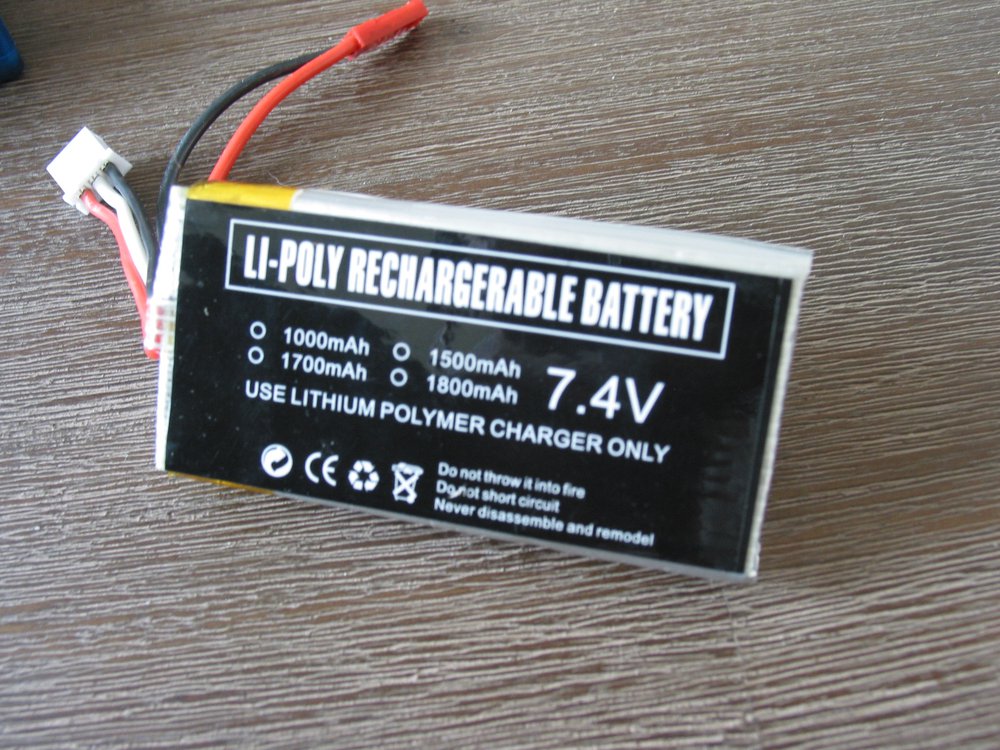
- A 7.4V LiPo is the safe modern default for almost any stock AEG. It performs like a 9.6V NiMH, fits in half the space, and in most guns needs no extra parts.
- 11.1V is a tuning decision, not a free upgrade. It makes the same gun snappier and faster, and it also makes it wear faster. If your gun has no MOSFET or electronic trigger unit, don’t.
- The maths is simple: max continuous amps = C rating × capacity in amp-hours, so a 1,000 mAh 20C pack can deliver 20 A. Rounds per charge land somewhere between 0.7 and 1 round per mAh on a normal AEG, so a 1,200 mAh pack is roughly 800–1,200 shots.
- Per-cell voltages are the whole LiPo safety story: 4.2 V full, 3.7 V nominal, 3.8–3.85 V for storage, and 3.3 V is the floor. A “7.4V” pack is 8.4 V straight off the charger.
- Deans (T-plug) is the standard, Tamiya is the bottleneck. If a new gun still ships with a Tamiya plug, that tells you something about the rest of it.
- Whether 11.1V actually made you faster is a number, not a feeling. A shot timer app will tell you your semi-auto split times on both batteries in about two minutes.
There’s a moment nearly every airsoft player has had. You’ve just unboxed your first AEG, you’ve charged your phone twice with excitement, and then you realise the box has no battery in it. Ninety percent of electric guns on the market ship that way, and the shop’s answer is a wall of little packs with numbers on them: 7.4V, 9.6V, 11.1V, 1,200 mAh, 25C, Deans, Tamiya, stick, nunchuck. You buy one because it fits. Six months later you’re on a field watching a mate with the same rifle out-shoot you on trigger response, and it turns out the entire difference was the thing in the buffer tube.